The Late-Summer Eggplant Boom: How Culinary Experts and Budget-Conscious Home Cooks Are Transforming a Misunderstood Crop
Main Facts: The Seasonal Rise of a Culinary Workhorse
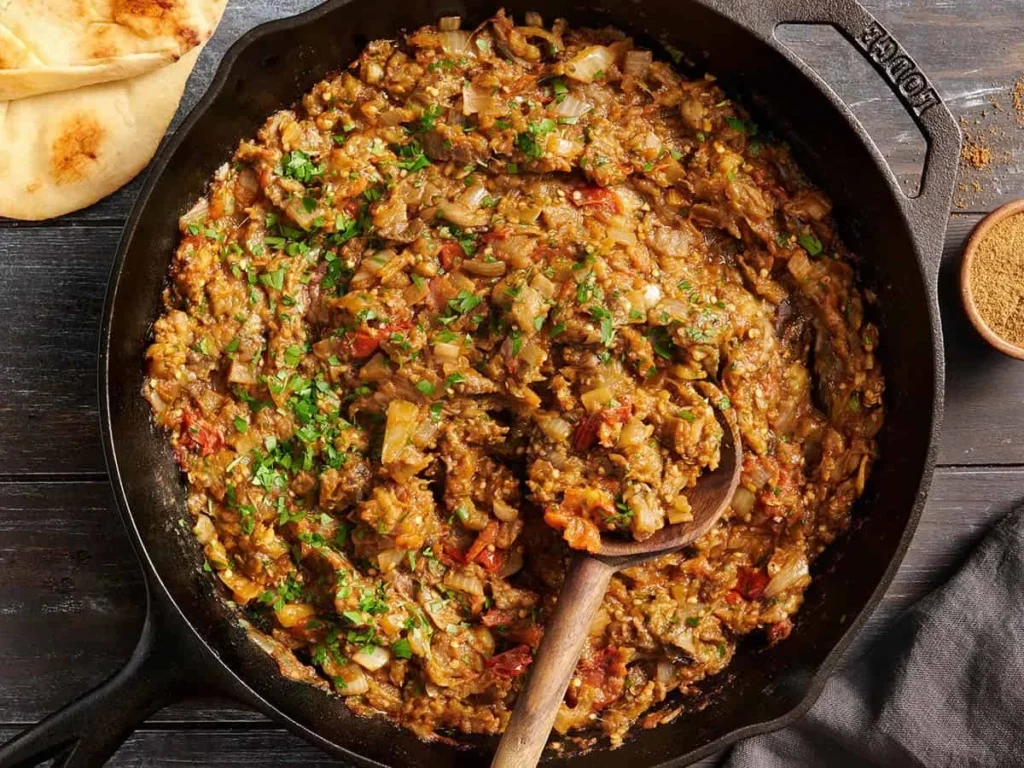
As late-summer transitions into early autumn, agricultural markets across North America are reporting peak yields of one of the season’s most versatile yet historically underutilized vegetables: the eggplant (Solanum melongena). Reaching its peak seasonal window from midsummer through early October, this warm-weather crop is currently dominating both local farmer’s markets and major grocery chains, offering consumers a dual benefit of superior quality and rock-bottom seasonal pricing.
Despite its high yield and low cost, the eggplant has long carried a reputation among home cooks as a difficult ingredient to master, often associated with bitterness or an unappealingly spongy texture. However, culinary educators and test kitchens are launching a coordinated effort to demystify the vegetable. Leading this movement is the Nashville Test Kitchen, a culinary research hub dedicated to developing accessible, cost-effective, and nutritionally dense recipes.
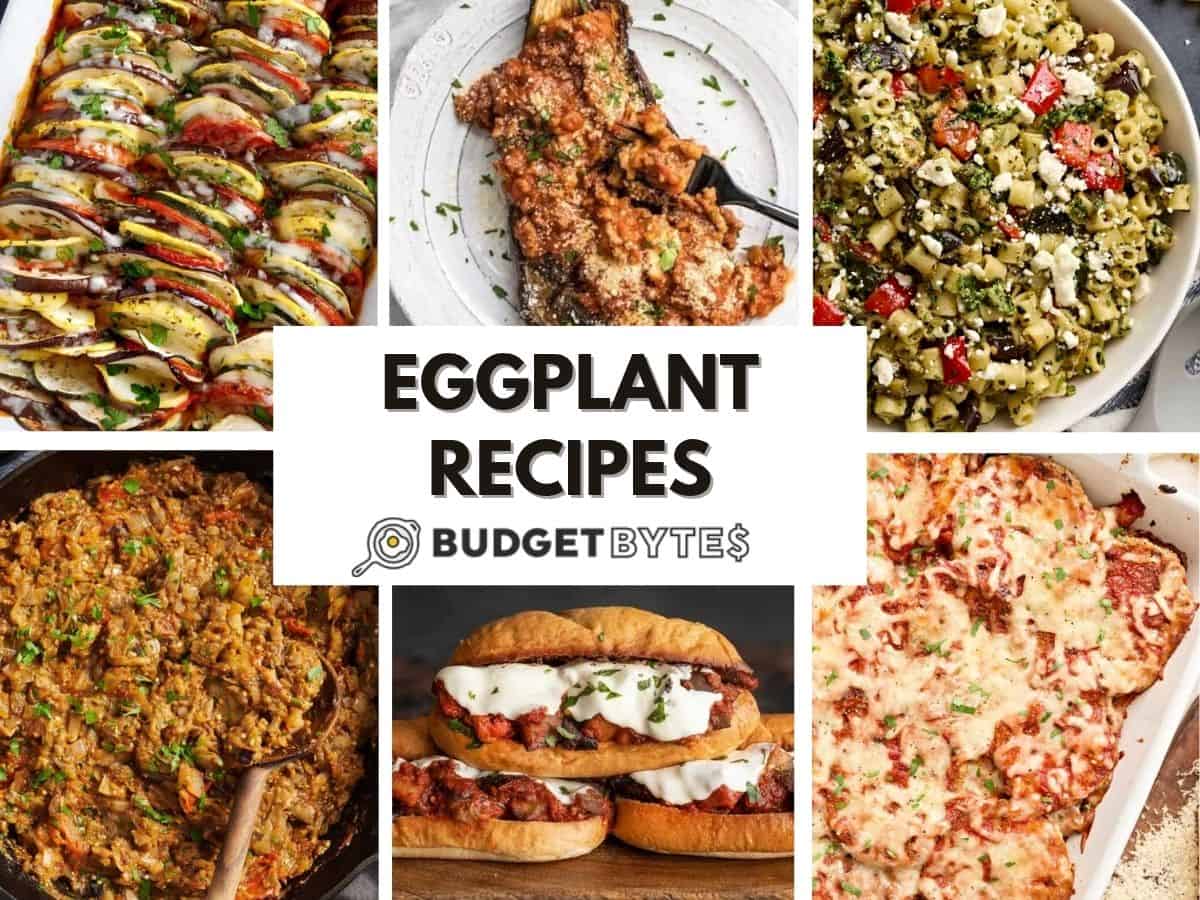
According to culinary experts, the eggplant’s unique cellular structure allows it to absorb rich aromatics, act as a structural base for casseroles, and serve as a highly efficient meat extender. As food price inflation continues to squeeze household grocery budgets, culinary professionals are highlighting the eggplant as a premier budget-friendly solution for families seeking to reduce meat consumption without sacrificing volume, texture, or flavor.
Chronology: From Ancient Cultivar to Modern Grocery Staple
To understand the eggplant’s current role in the modern economy, it is essential to trace its agricultural and culinary evolution.
[Ancient Era] Cultivated in India and China; prized for medicinal and culinary variety.
       │
[14th Century] Introduced to the Mediterranean via trade routes, integrating into Italian and French cuisines.
       │
[20th Century] Popularized in Western supermarkets, though often relegated to a single variety (Globe eggplant).
       │
[Modern Era] Rising inflation and plant-forward movements reposition eggplant as a premium, low-cost meat alternative.- The Ancient Roots: Botanical and historical records indicate that the eggplant was first domesticated in ancient India and China. Early cultivars were significantly smaller and bitter, but centuries of selective breeding yielded the large, fleshy varieties recognized today.
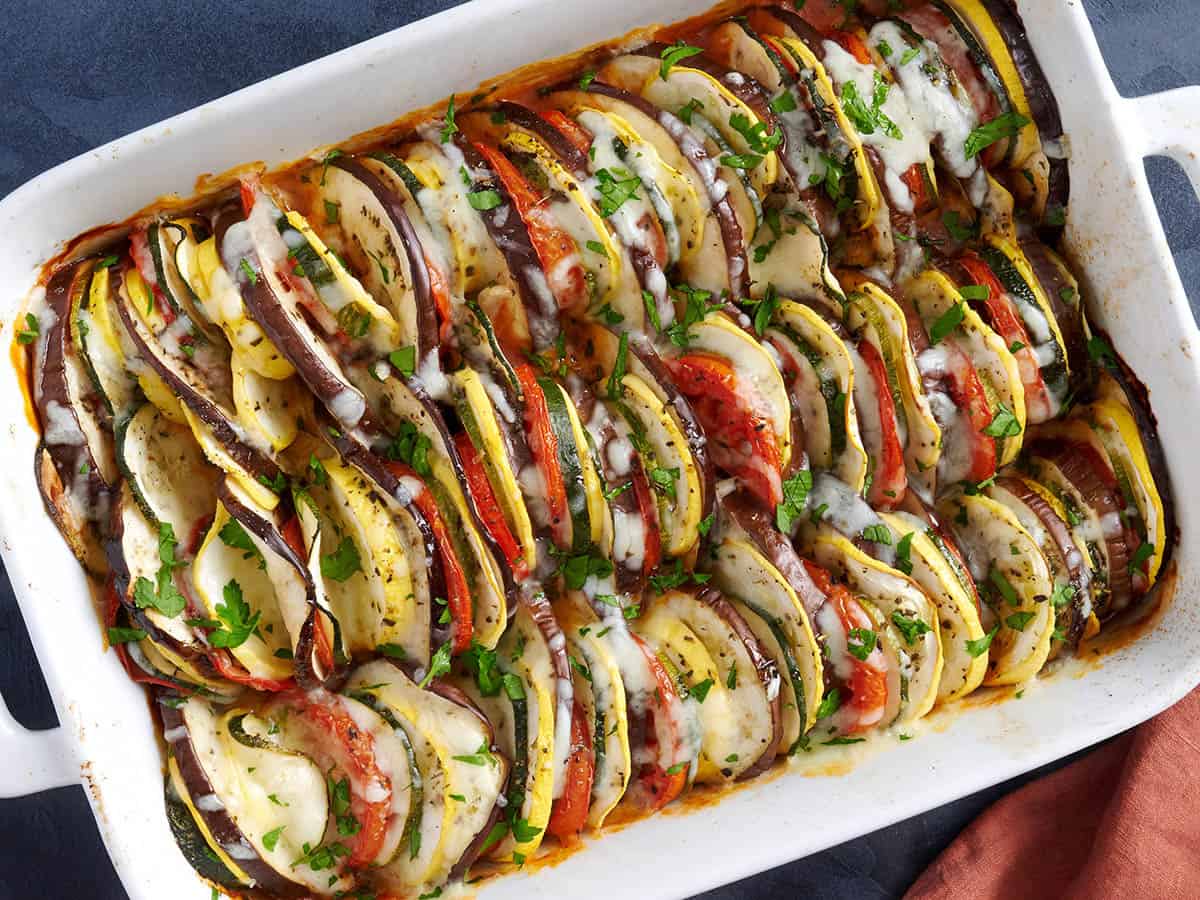
- Mediterranean Integration: By the Middle Ages, Arab traders had introduced the crop to the Mediterranean basin. By the 14th century, the vegetable had integrated deeply into the foodways of southern Europe, laying the groundwork for iconic regional dishes such as Italian Melanzane alla Parmigiana and French Ratatouille.
- The Mid-Century Western Lag: For much of the 20th century in North America, the eggplant remained a specialty item, frequently limited to the large, dark-purple Globe variety. Many consumers avoided it due to a lack of familiarity with preparation techniques, such as salting to draw out excess moisture and bitterness.
- The Modern Plant-Forward Shift: Over the last decade, the intersection of rising food costs, environmental consciousness, and interest in global cuisines has sparked a renaissance. Today, the eggplant is celebrated not as a culinary afterthought, but as a central pillar of affordable, plant-forward meal planning.
Supporting Data: The Economics of the Eggplant
To evaluate the financial viability of integrating eggplant into the weekly household menu, the Nashville Test Kitchen conducted a rigorous cost analysis of 12 distinct eggplant-based recipes. The data demonstrates that eggplant-centric dishes consistently yield high portion volumes at a fraction of the cost of animal-protein-based meals.
Below is the economic breakdown compiled by the test kitchen, detailing total recipe costs and individual portion costs:
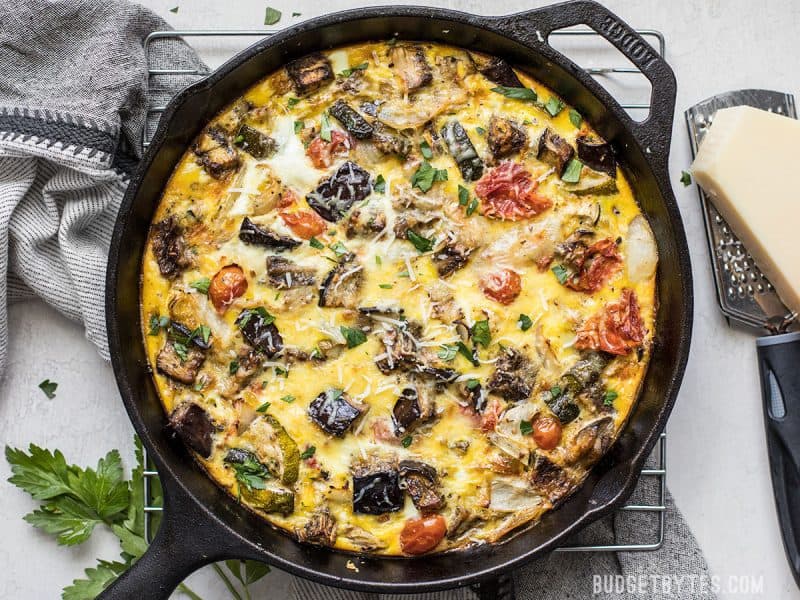
Table 1: Economic Breakdown of 12 Tested Eggplant Recipes
| Recipe Name | Total Recipe Cost ($) | Servings | Cost Per Serving ($) | Primary Culinary Style |
|---|---|---|---|---|
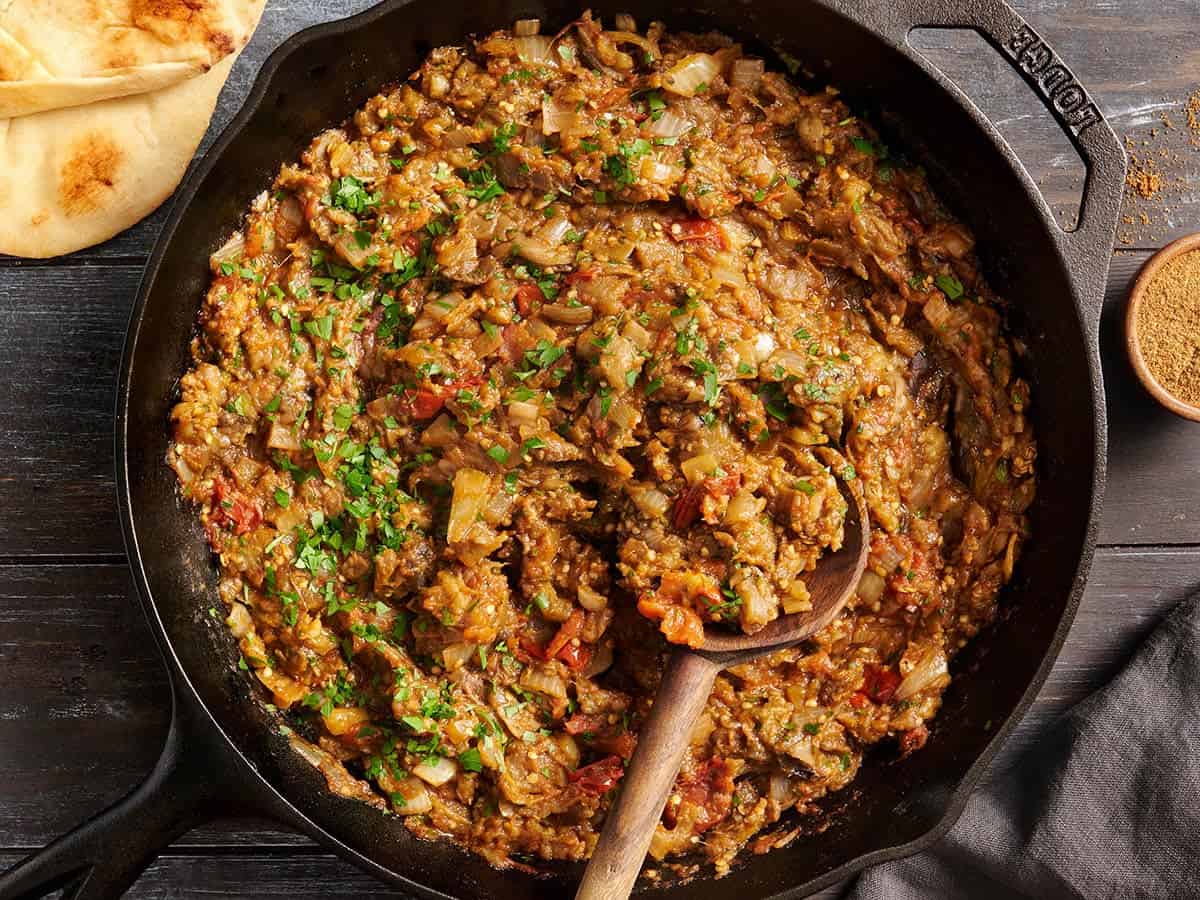
| Baba Ganoush | $3.07 | 4 | $0.77 | Middle Eastern Dip |
| Homemade Ratatouille | $7.02 | 8 | $0.88 | Southern French Casserole |
| Ratatouille Frittata | $7.32 | 8 | $0.92 | Fusion Breakfast/Brunch |
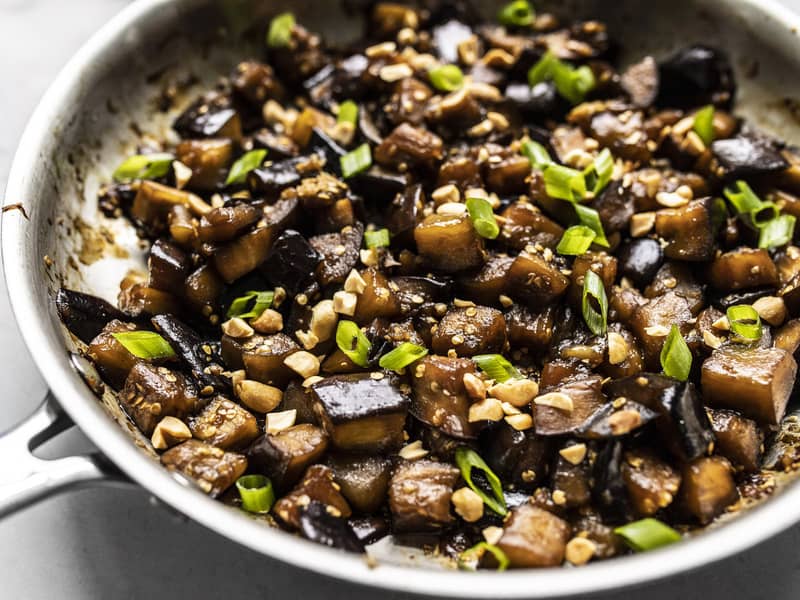
| Soy Glazed Eggplant Stir Fry | $3.86 | 4 | $0.97 | East Asian-Inspired Main |
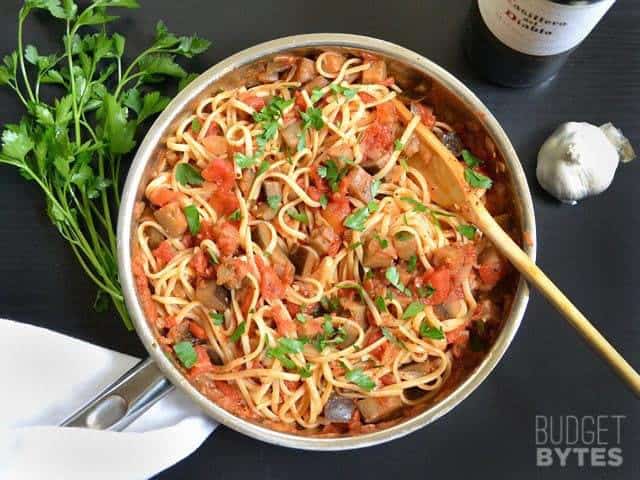
| Pasta with Eggplant Sauce | $6.27 | 6 | $1.05 | Italian Pasta |
| Ditalini Pasta Salad | $8.67 | 8 | $1.08 | Mediterranean Cold Side |
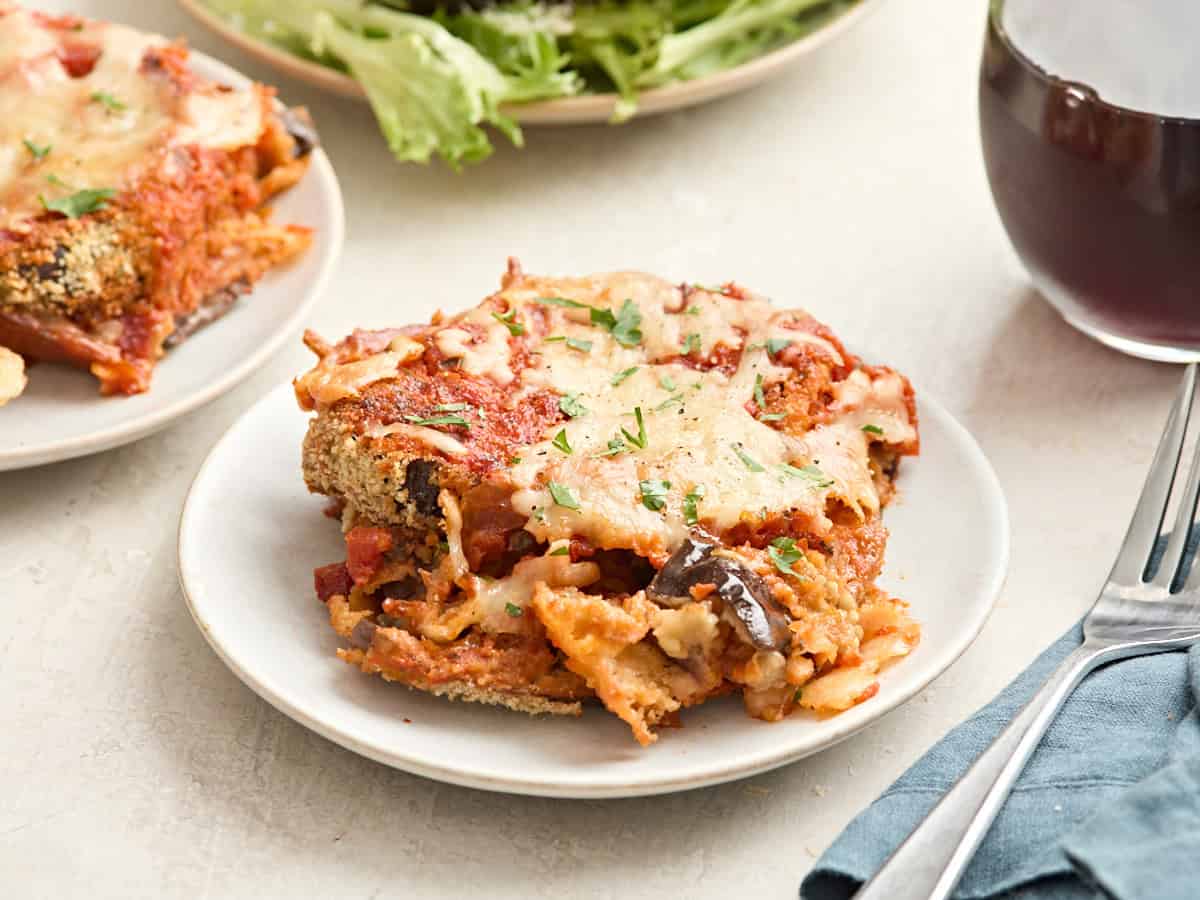
| Eggplant Parmesan | $9.98 | 9 | $1.11 | Italian-American Bake |
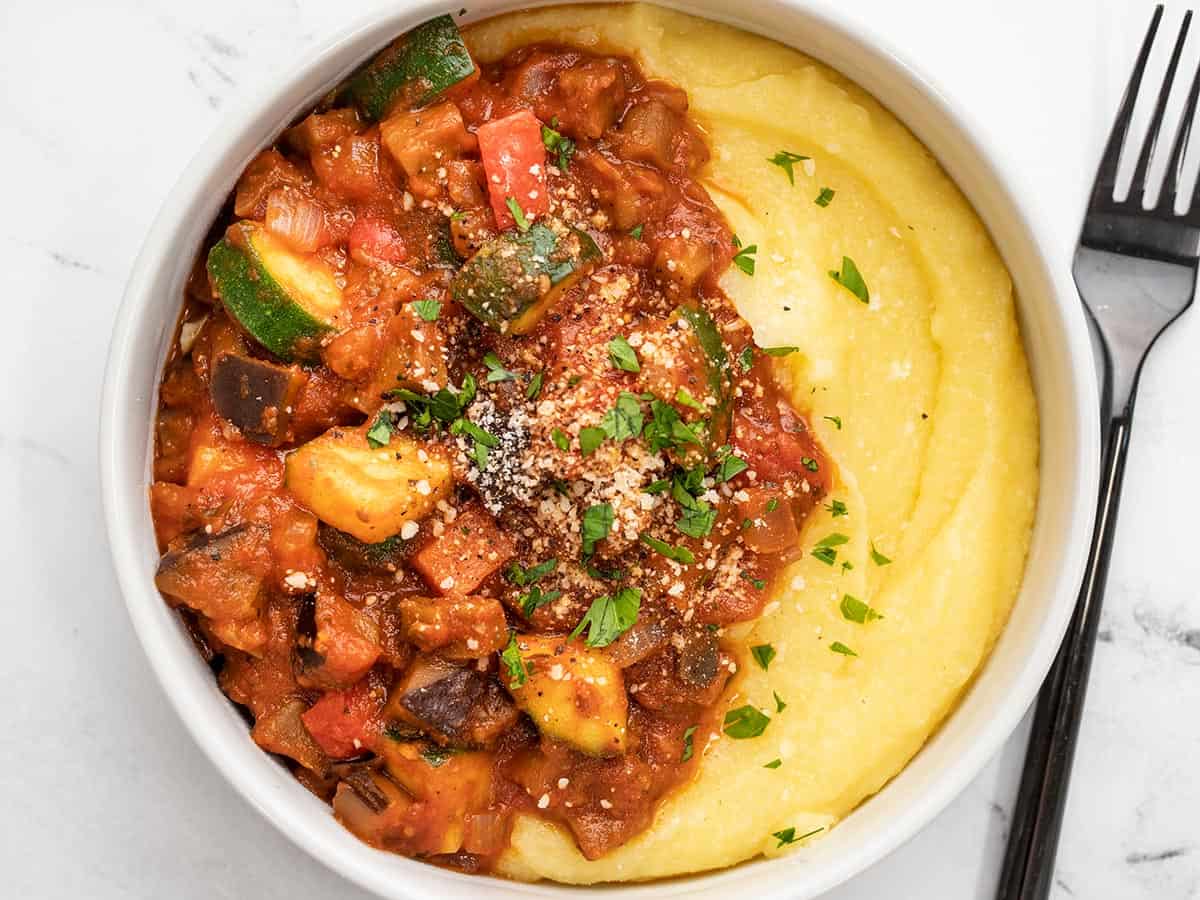
| Summer Vegetables in Red Sauce | $8.15 | 6 | $1.36 | Rustic Vegetarian Stew |
| Oven Roasted Greek Stuffed Pitas | $10.95 | 8 | $1.37 | East Mediterranean Main |
| Eggplant Curry | $7.32 | 4 | $1.83 | South Asian-Inspired Main |
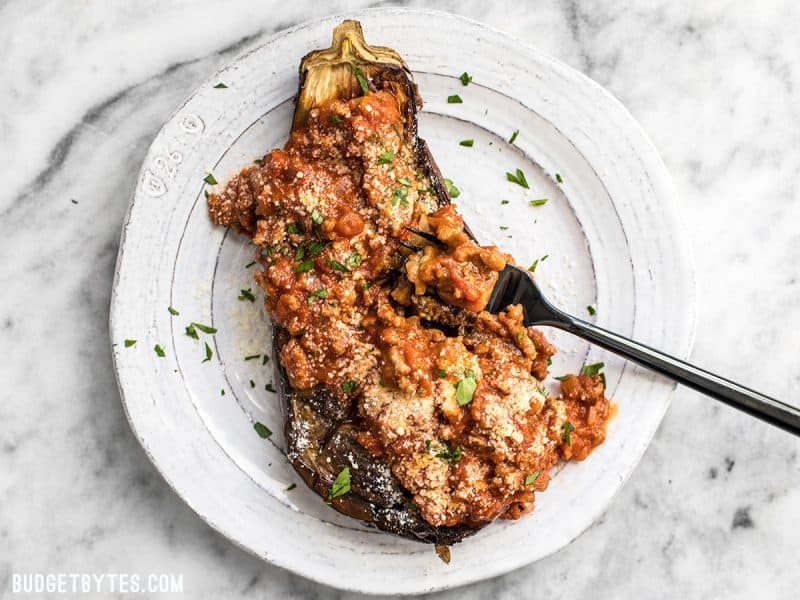
| Roasted Eggplant with Meat Sauce | $8.23 | 4 | $2.06 | Low-Carb Meat-Extender Main |
| Eggplant Mozzarella Sandwiches | $6.41 | 3 | $2.14 | Vegetarian Hot Sandwich |
Analyzing the Economic Impact
The data reveals that 83% of the developed recipes cost under $1.50 per serving, with the lowest-cost option, Baba Ganoush, priced at just $0.77 per serving.
Even the most expensive recipe analyzed—the Eggplant Mozzarella Sandwich at $2.14 per serving—remains significantly cheaper than fast-food alternatives or standard meat-based sandwiches, which routinely exceed $5.00 to $7.00 per portion to prepare at home under current market conditions.
Furthermore, the Roasted Eggplant with Meat Sauce highlights a key economic technique: "meat-stretching." By pairing two whole seasonal eggplants with only half a pound of ground beef, the recipe delivers a hearty, low-carb main dish for four people at just $2.06 per serving. This represents a 50% reduction in meat costs compared to standard meat-centric pasta or casserole dishes.
Official Responses and Expert Insights: Overcoming the Prep Barrier
To address the practical challenges of cooking with eggplant, culinary educators are offering professional guidance designed to eliminate common kitchen errors.
The Educator’s Perspective: Jess Rice
Jess Rice, a veteran culinary instructor, former Chef Professor at Niagara College in Canada’s wine country, and founder of the Nashville raw vegan restaurant AVO, has spent years training both professional students and home cooks in vegetable theory and classical techniques.
"Eggplant is a culinary chameleon, but it requires an understanding of basic food science," Rice explains. "The vegetable has a porous, sponge-like structure. If you drop raw eggplant directly into a pan of hot oil, it will instantly absorb the fat, resulting in a greasy, heavy dish. To prevent this, we advocate for techniques like oven-roasting or baking rather than traditional deep-frying."
[Porous Raw Eggplant] ──(Pan-Frying)──> [Excessive Oil Absorption] ──> [Greasy/Heavy Dish]
                               vs.
[Porous Raw Eggplant] ──(Oven-Roasting)──> [Moisture Evaporation] ──> [Creamy/Tender Texture]
Rice points to the test kitchen’s updated Eggplant Parmesan as a prime example of this technique. By baking the breaded eggplant slices instead of frying them, the kitchen reduced overall oil consumption by 70%, simplified the cleanup process, and maintained a crisp, light texture that holds up well when layered with marinara and mozzarella.
Technical Prep Recommendations from the Test Kitchen
For home cooks hesitant to work with eggplant, the Nashville Test Kitchen released several key directives:
- Size Consistency: For dishes like the Pasta with Eggplant Sauce, cutting the vegetable into uniform, half-inch cubes ensures that the pieces cook at the same rate, allowing them to melt smoothly into the sauce.
- Steaming in the Skin: When preparing Roasted Eggplant with Meat Sauce, roasting the eggplant halves cut-side down traps the steam inside. This softens the interior flesh to a creamy consistency while preserving the structural integrity of the skin.
- The Umami Boost: To elevate vegetarian dishes without expensive ingredients, the kitchen recommends using small amounts of highly concentrated pantry staples. For instance, adding just one teaspoon of anchovy paste to the Pasta with Eggplant Sauce provides a deep, savory foundation without imparting a fishy flavor.
Implications: The Macro-Trends of Plant-Forward Eating
The broader adoption of seasonal, budget-friendly ingredients like the eggplant has significant implications that extend far beyond individual kitchens, influencing household economics, public health, and environmental sustainability.
1. Household Food Security and Budget Resilience
With grocery prices remaining a primary concern for households, learning to cook highly filling, low-cost vegetables is a critical survival mechanism. By transitioning even two meals a week from animal proteins to seasonal crops like eggplant, a family of four can save upwards of $500 annually.
2. Environmental and Agricultural Sustainability
Eggplants are relatively hardy crops that thrive in warm conditions and require less water per pound of food produced than beef or pork. Embracing seasonal eating—consuming eggplant when it is locally abundant from midsummer to early fall—reduces the carbon footprint associated with long-distance food transportation and greenhouse heating.
3. Public Health and Nutritional Benefits
Eggplants are low in calories but rich in dietary fiber, which aids digestion and promotes satiety. They also contain significant amounts of nasunin, an antioxidant found in the purple skin that has been shown to protect brain cell membranes from free radical damage. Incorporating eggplant into diets via accessible dishes like the Ratatouille Frittata or Ditalini Pasta Salad offers an easy pathway to increasing daily vegetable intake.
As agricultural yields peak and grocery budgets remain tight, the humble eggplant stands out as an ideal solution. Armed with the right techniques, home cooks can confidently transform this seasonal vegetable into a wide variety of delicious, highly affordable meals.