The Invisible Burden: How Weight Stigma Fuels a Vicious Cycle of Health Disparities

Please note: This article discusses the important and troubling issue of weight bias and discrimination, which may be a sensitive topic for some readers.
In an era increasingly focused on health and well-being, a pervasive and often unacknowledged factor continues to undermine public health efforts: weight stigma. Far from being a benign social phenomenon, research increasingly reveals that discrimination based on body weight acts as a vicious cycle, exacerbating health issues, hindering effective interventions, and inflicting profound psychological and physical suffering. This article delves into the multifaceted ways weight stigma perpetuates ill health, challenges conventional wisdom, and highlights the urgent need for a more empathetic and evidence-based approach.
The Vicious Cycle of Weight Stigma: More Than Just Stress
The interplay between stress and obesity is complex. While dramatic interventions like total fasting can significantly elevate stress hormones such as cortisol—potentially doubling blood levels within five days—dieting alone does not appear to have the same direct effect. However, a potent catalyst exists that transforms this potential link into a detrimental feedback loop: weight stigma.
Longitudinal studies tracking thousands of individuals over several years paint a stark picture. Those who reported experiencing discriminatory incidents due to their weight were more than twice as likely to become obese compared to their counterparts. For individuals who were already obese at the outset, the impact was even more pronounced: they were over three times more likely to remain obese if they encountered discrimination, even when compared to individuals starting at a similar weight who did not experience such bias.
This detrimental effect can manifest through various pathways. On one side of the calorie-balance equation, stress-induced eating often plays a significant role. The emotional distress, anxiety, and shame associated with experiencing weight stigma can trigger comfort eating as a coping mechanism, leading to increased calorie intake. On the other side, stigma can lead to exercise avoidance. Obese individuals who frequently experience weight stigma report a greater reluctance to engage in physical activity in public settings, driven by feelings of being judged, embarrassed, or unwelcome.
These "too fat to exercise" fears are not unfounded. Documented strong anti-fat biases exist among both fitness professionals and regular gym-goers, creating an unwelcoming and often hostile environment in fitness centers and health clubs. The fear of scrutiny and negative commentary can effectively deter individuals from seeking the very activities that could contribute to their health and well-being, trapping them further within the cycle.
Beyond the Scale: Health Impacts Independent of Weight
The detrimental effects of weight stigma extend far beyond merely influencing weight gain or maintenance. Individuals who experience weight-based discrimination often suffer a cascade of health consequences that are independent of any additional weight gained. This means that the act of being discriminated against itself contributes to poor health, regardless of a person’s actual body mass.
Research indicates that those reporting more frequent weight-based discrimination exhibit significantly higher levels of depression, a severe mental health condition that can profoundly impact quality of life. Furthermore, chronic exposure to stigma can trigger physiological responses, leading to elevated levels of inflammation throughout the body. This systemic inflammation is a known risk factor for a host of chronic diseases, including cardiovascular disease, diabetes, and certain cancers.
Beyond inflammation, individuals experiencing weight stigma also show higher levels of oxidative stress, an imbalance between free radicals and antioxidants in the body that can damage cells and contribute to aging and disease. Perhaps most alarmingly, studies have linked weight discrimination to a shorter lifespan. Two independent studies, collectively following nearly 20,000 people, found an approximately 50% increase in mortality risk among those reporting greater daily discrimination. The clear conclusion from this body of evidence is that weight discrimination may directly shorten life expectancy, underscoring its profound and often fatal impact.
The Controversial Call for "Stigmatization Lite"
Despite the overwhelming evidence detailing the harmful effects of weight stigma, a controversial school of thought persists, advocating for its strategic use. Some scholars propose a form of "stigmatization lite," suggesting that social pressures could be leveraged to compel individuals to lose weight without resorting to outright discrimination.
One prominent proponent of this view was the President Emeritus of the prestigious Hastings Center, a leading institution in bioethics. He infamously argued for using social pressures as a means to encourage weight loss, drawing parallels to successful public health campaigns. His central argument posited that little else possesses the persuasive force necessary to counter the billions spent annually by the food and beverage industries on advertising. He pointed to the anti-tobacco movement as a model, recalling his own battle with addiction: "The force of being shamed and beat upon socially was as persuasive for me to stop smoking as the threats to my health." He suggested that the public health campaign to stigmatize cigarette smoking successfully transformed "what had been considered simply a bad habit into reprehensible behavior." This perspective suggests that by attaching a social cost or negative perception to obesity, society could motivate individuals to adopt healthier lifestyles.
Public Health Campaigns: A Flawed Strategy?
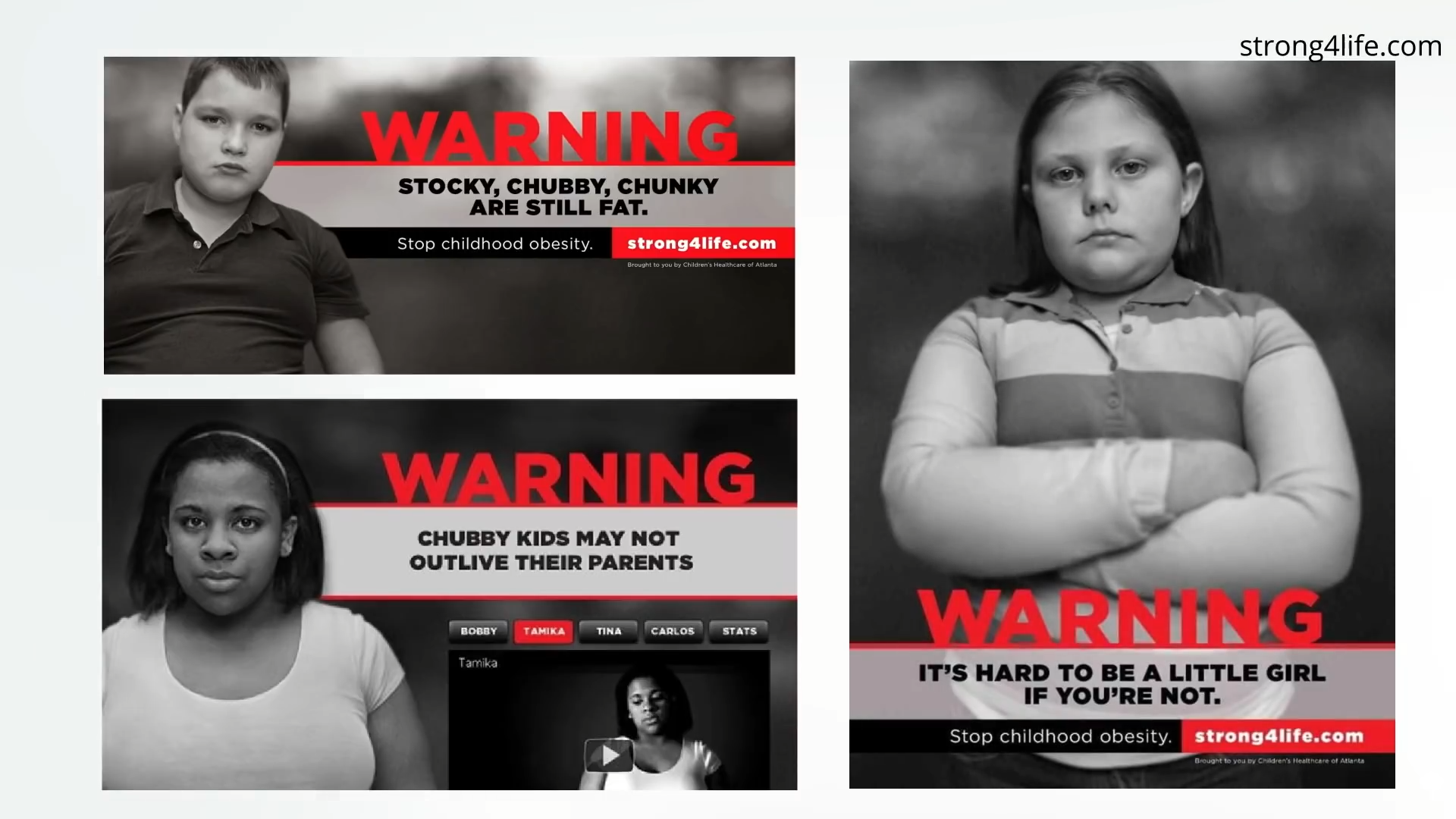
When such campaigns have been implemented, however, they have consistently been met with fierce resistance and widespread condemnation, often failing to achieve their intended goals. A notable example is Georgia’s "Strong4Life" campaign, launched in a state grappling with some of the highest rates of childhood obesity.

The campaign utilized provocative billboards featuring images of morose-looking obese children, accompanied by captions designed to shock and shame. Messages included stark warnings like "Warning: Chubby kids may not outlive their parents" or poignant statements such as "It’s hard to be a little girl if you’re not." These ads, stark in their visual and textual impact, aimed to break through what sponsors perceived as a societal denial about the rising weight epidemic, particularly among children.
The campaign’s defenders argued that the extreme nature of the ads was necessary to grab attention and spark a conversation about a critical public health issue. However, critics swiftly pointed out the ethical implications and potential harm of using shaming tactics, particularly on vulnerable children. The effectiveness of such campaigns ultimately hinges on whether they genuinely motivate positive change or merely inflict further harm.
The Detrimental Effects of Stigma: Evidence Against Shaming
The scientific evidence overwhelmingly refutes the notion that shaming is an effective or ethical strategy for promoting health. Research consistently demonstrates that rather than motivating individuals, weight stigma often backfires, leading to behaviors that exacerbate the very problems it aims to solve.
A groundbreaking study conducted by Yale researchers vividly illustrated this point. Normal-weight women were shown bowls of snacks, including M&Ms, jelly beans, and chips, after watching video clips. When they viewed stigmatizing material—such as portrayals of clumsy, loud, lazy stereotypes being teased about their weight—their snack intake remained relatively unchanged compared to watching neutral content like insurance commercials. However, when overweight women watched the same two sets of videos, their calorie intake after the stigmatizing scenes tripled.
The researchers concluded that this finding "directly challenges the notion that pressure to lose weight in the form of weight stigma will have a positive, motivating effect on overweight individuals." In essence, rather than encouraging healthier choices, exposure to weight stigma actually triggered increased comfort eating, making matters worse.
Furthermore, the long-term impacts of early exposure to weight-based labeling are equally concerning. Studies have shown that being labeled "too fat" during childhood is associated with a higher risk of becoming obese later in life, even when compared to children of the same weight who were never subjected to such labeling. This suggests that the psychological burden and internalisation of stigma can profoundly shape an individual’s relationship with their body and food, leading to counterproductive outcomes. The evidence is clear: shaming does not reduce obesity; it often contributes to it.
The Physician’s Dilemma: Navigating Weight Conversations
Given the complex and sensitive nature of weight, even healthcare professionals often find themselves in a difficult position. There’s a curious reluctance among some medical practitioners to address weight concerns directly, echoing the hesitation found even among veterinarians to inform pet owners about their animals’ obesity.
Data indicates that fewer than a quarter of parents of overweight children report having been informed by pediatricians about their child’s weight status. While one might assume parental awareness would be high, a Gallup Survey revealed that parents are "notoriously poor judges of their children’s weight." Similarly, the percentage of adults who self-identify as overweight has remained largely stagnant over recent decades, despite a dramatic increase in obesity rates. Gallup aptly concluded that this reflects "a picture of mass delusion in the United States about its rising weight."
However, while sensitivity is important, withholding information is not the solution. Patients have a fundamental right to be informed about their health status. Research supports this, showing that individuals told by their doctor that they are overweight are about four times more likely to attempt weight loss and approximately twice as likely to succeed. This highlights the critical role of open and honest communication from healthcare providers, delivered without judgment or blame.
Yet, physicians themselves are not immune to biases. Just as smoking physicians are less likely to challenge their smoking patients, overweight physicians are less likely to initiate discussions about weight loss or even accurately document obesity in patient charts. Ironically, patients who are overweight themselves report trusting diet advice more from overweight doctors than from those of normal weight, adding another layer of complexity to the dynamic.
A significant challenge lies in the perceived lack of specific guidance from primary care physicians. Fewer than half of surveyed doctors reported providing specific advice to their patients regarding weight management. Simply telling patients to "watch what they eat" is largely unhelpful. Many physicians cite time constraints and inadequate reimbursement for weight management counseling as barriers to offering more comprehensive support. This points to systemic issues within healthcare that need addressing to facilitate more effective, non-stigmatizing interventions. As commentators have aptly summarized in response to the pro-stigma camp, "If shaming reduced obesity, there would be no fat people."
A Stark Reality: The Lived Experience of Obesity
To truly grasp the profound impact of weight stigma and the suffering it inflicts, one must delve into the lived experience of those who carry this burden. A particularly illuminating study offers a jaw-dropping insight into the daily realities of living in an obese body, fostering a level of empathy that statistics alone cannot convey.
Researchers interviewed 47 men and women who had achieved significant weight loss, having shed and kept off more than 100 pounds. This unique cohort offered invaluable insights, having personally experienced both morbid obesity and, subsequently, an average of 126 pounds lighter.
Participants were presented with a hypothetical scenario: "If someone offered you a couple of million dollars if you stayed morbidly obese forever, would you have chosen the money? Or would you have chosen to be normal weight no matter what?" They were given three options:
- "I would have chosen no money and being normal weight. It would have taken me one second to decide."
- "I probably would have chosen being normal weight. But the possibility of having that much money would make me think about the choice."
- "I wanted to be normal weight, but I could really use the money. If I could be a multimillionaire, I think I could live with being morbidly obese."
The results were astonishing. Out of 47 participants, 46 instantly chose Option 1, unequivocally stating they would forgo millions of dollars to achieve a normal weight. Only one individual even paused to consider the financial incentive, and nobody chose Option 3. This overwhelming consensus underscores the immense psychological and emotional toll of morbid obesity, revealing a desire for normal weight that far transcends material wealth.
If that finding is shocking, the subsequent part of the study is even more profoundly disturbing. Participants were then asked to compare living with obesity to living with other severe disabilities. Typically, when individuals are asked to choose between their existing disability and switching to a different one, there is a strong inclination to prefer their current condition. For example, blind individuals often prefer to remain blind rather than having sight without sound, simply because they have learned to adapt and find comfort in familiarity.
However, the exact opposite occurred when the 47 formerly obese individuals were presented with this choice. Every single one of them stated they would rather be deaf, dyslexic, diabetic, or suffer from very bad acne or heart disease for the rest of their lives than return to being obese. More than 90% expressed a preference for having a leg amputated, and a similar proportion (about 9 out of 10) said they would rather be legally blind than be obese.
Obesity appears to be a unique handicap where nearly everyone who has experienced it would willingly trade it for another severe disability, regardless of the perceived cost. The stark reality was perhaps best encapsulated by one participant: "When you’re blind, people want to help you. No one wants to help you when you’re fat." This poignant statement lays bare the profound social isolation, lack of empathy, and pervasive judgment that define the experience of weight stigma.
Towards a More Compassionate Approach
The evidence is clear and compelling: weight stigma is not a motivator; it is a significant barrier to health and well-being. It perpetuates a vicious cycle of increased weight gain, hinders physical activity, and inflicts severe psychological and physiological damage, shortening lives and diminishing quality of life. The notion of "stigmatization lite" is not only ethically dubious but also demonstrably ineffective, often exacerbating the very issues it purports to solve.
Moving forward, a fundamental shift in perspective is required. Instead of blame and shame, we must cultivate empathy, understanding, and compassion. Healthcare systems need to empower physicians with the time, training, and resources to engage in sensitive, evidence-based conversations about weight, focusing on health-promoting behaviors rather than just numbers on a scale. Public health campaigns must abandon stigmatizing imagery and instead promote inclusive, supportive messages that encourage positive lifestyle changes without resorting to judgment.
Ultimately, addressing weight stigma is not merely about individual health; it is about fostering a more equitable and humane society. By recognizing the profound and multifaceted harm of weight discrimination, we can begin to dismantle this invisible burden and create environments where all individuals feel valued, respected, and supported in their pursuit of health.
Doctor’s Note:
For further insights into the pervasive issue of weight bias in healthcare, please refer to the previous installment in this two-part series, "Weight Bias in Health Care." The information presented here is drawn from extensive research, including that compiled in the book How Not to Diet.