The Silent Sentinel: A Comprehensive Guide to Safeguarding Your Home with Smart Leak Detectors
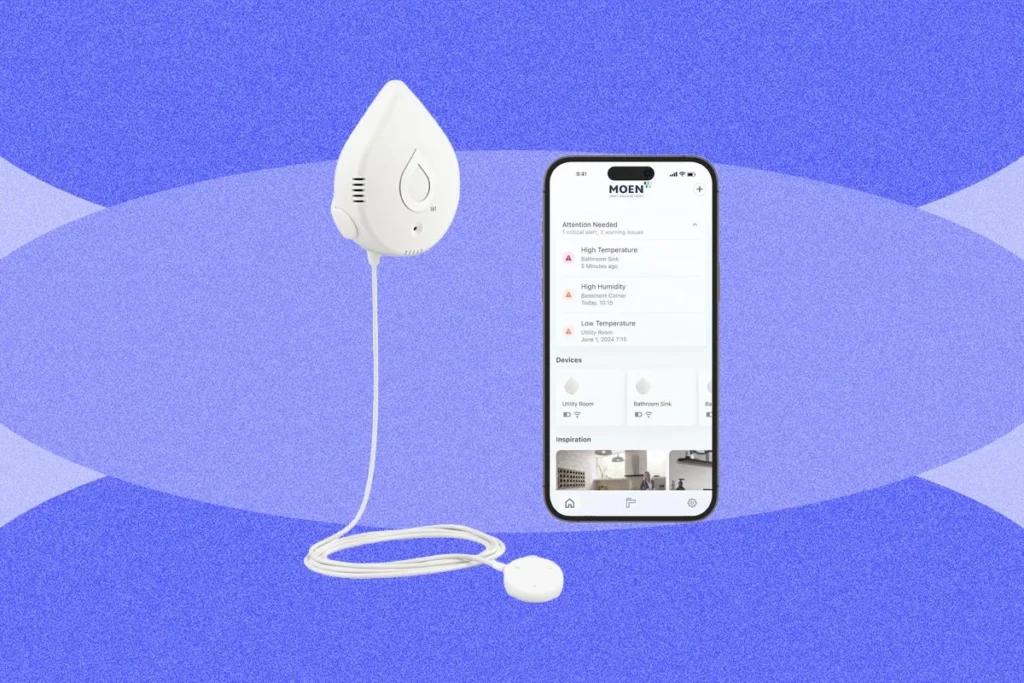
Water damage is one of the most insidious threats a homeowner faces. Unlike a fire, which is immediately apparent, a slow leak behind a dishwasher, a weeping pipe under a vanity, or a failing water heater can fester for months, causing thousands of dollars in structural damage and fostering toxic mold growth. In the modern era of the "smart home," however, technology has evolved to provide an automated, vigilant set of eyes.
The latest generation of water leak detectors has moved beyond simple alarms. Today’s devices offer real-time connectivity, multi-protocol support, and the ability to integrate with broader home automation systems. But with a saturated market of sensors—ranging from $12 budget options to $500 professional-grade systems—how do you choose the right one? Based on rigorous testing and performance analysis, we have evaluated the current landscape of leak detection technology.
Understanding the Stakes: Why You Need Leak Detection
The primary objective of a water leak detector is simple: early notification. Whether through an audible siren or an instant push notification to your smartphone, these devices aim to turn a potential catastrophe into a manageable maintenance task.

Most detectors function by using metal probes that complete an electrical circuit when submerged in water. Advanced models, however, have introduced more sophisticated mechanisms, such as sensing cables that can monitor entire floor areas or even internal plumbing flow monitors that analyze water usage patterns to identify bursts before a single drop appears on the floor.
The Top Contenders: Performance and Connectivity
The Versatile Powerhouse: Shelly Flood Gen 4 ($40)
The Shelly Flood Gen 4 stands out as a high-performance, future-proof solution. By embracing the Matter smart home standard, it offers unparalleled interoperability with platforms like Google Home, Amazon Alexa, and Apple HomeKit.
- Connectivity: It boasts a robust trifecta of Zigbee, Bluetooth, and dual-band Wi-Fi.
- Design: The unit is IP44-rated and uses an extendable 6.5-foot cable, allowing users to place the main unit on a wall while trailing the sensor to critical areas like beneath an appliance.
- Verdict: While early testing showed some hiccups with Google Home integration, firmware updates have solidified its performance, making it one of the most reliable options for those who prioritize ecosystem flexibility.
The Budget-Friendly Matter Option: Ikea Klippbok ($12)
Ikea has effectively democratized smart leak detection with the Klippbok. At just $12, it is arguably the most accessible Matter-compatible sensor on the market.

- The Caveat: It requires the Ikea Dirigea hub ($140). If you aren’t already invested in the Ikea smart home ecosystem, the cost of entry becomes prohibitive.
- Reliability: It features an 80-decibel alarm, though it lacks the range of premium competitors. Its IP44 rating means it is best suited for indoor, non-submersion environments.
Precision Monitoring: Phyn Smart Water Sensor ($37)
The Phyn sensor is a robust choice for those who prioritize data. Beyond simply detecting water, this device tracks temperature and humidity, providing users with a comprehensive overview of their environment.
- Functionality: The device features a "hockey puck" design with three metal feet. It allows for the addition of extension nodes and water-sensing cables, providing a modular approach to coverage.
- Limitations: The setup process can be frustratingly flaky, and the lack of native smart home integration limits its ability to trigger external automation. Additionally, the need to press a physical button to silence the alarm—rather than using the app—is a design oversight in an otherwise smart device.
The Ecosystem Integration Specialist: TP-Link Tapo T300 ($20)
The Tapo T300 is a masterclass in effective, low-cost engineering. With sensors on both the top and bottom of the unit, it detects drips from above and pools from below with equal efficacy.
- Smart Integration: When paired with the Tapo Smart Hub, these sensors can trigger automated responses, such as cutting power to a smart plug connected to a failing appliance.
- Battery Life: With a projected three-year battery life, the T300 is a "set and forget" device that provides high-volume (90 dB) alerts that can be muted via the app.
Chronology of Testing and Reliability
To ensure the integrity of these recommendations, every device was subjected to a standardized stress-test protocol. This involved three distinct scenarios:

- Drip Test: Dripping water directly onto the sensor to test for immediate responsiveness.
- Slow Pool Test: Allowing water to accumulate gradually to evaluate the sensitivity of the contact probes.
- Connectivity/Offline Test: Deliberately removing batteries or cutting power to the hub to verify that the system correctly notifies the user of a "device offline" state.
Our testing revealed that while most devices are reliable in a laboratory setting, real-world variables—such as mobile data vs. Wi-Fi connectivity—significantly impact the speed and success of push notifications. Notably, several devices failed to send alerts when the phone was disconnected from the home network, a critical failure point for homeowners on the go.
Supporting Data and Technical Specifications
| Device | Price | Protocol | Key Feature |
|---|---|---|---|
| Shelly Flood Gen 4 | $40 | Matter/Zigbee/Wi-Fi | High interoperability |
| Ikea Klippbok | $12 | Matter | Extreme affordability |
| TP-Link Tapo T300 | $20 | Hub-based | Dual-side sensors |
| Eve Water Guard | $110 | HomeKit | High-privacy, hardwired |
| Govee (3-Pack) | $55 | Wi-Fi | Loudest alarm (105 dB) |
Official Manufacturer Perspectives and Industry Trends
Industry leaders like Eve and Phyn are shifting focus toward "proactive" rather than "reactive" systems. While the sensors listed above are designed to tell you when a leak has occurred, the industry is trending toward AI-driven flow monitoring. These devices, installed directly on the main water line, use machine learning to "learn" the sound of a normal toilet flush versus a burst pipe. When an anomaly is detected, the system can automatically trigger a motorized ball valve to shut off the home’s water supply entirely, preventing flood damage before it starts.
Implications for Homeowners
The primary implication of these findings is that a "one-size-fits-all" approach to water protection is insufficient. A comprehensive strategy requires a tiered approach:

- Spot Protection: Use inexpensive, battery-operated sensors like the TP-Link Tapo T300 or Aqara sensors for localized monitoring under sinks, toilets, and near water heaters.
- Wide-Area Coverage: For basements or laundry rooms, utilize sensors with extendable sensing cables (like the Eve Water Guard) to cover more surface area.
- Infrastructure Monitoring: For older homes with aging pipes, consider the investment in a whole-home water shutoff system.
Detectors to Avoid
Not all sensors are created equal. Our testing highlighted significant drawbacks in several models:
- Stitch by Monoprice: Despite an appealing price point, the app is poorly translated, and the configuration for "offline" alerts is confusingly disabled by default.
- Swann Leak Alert Sensor: This device suffered from persistent connectivity issues, often requiring multiple factory resets and manual disassembly to pair with a network.
Conclusion: The Path Forward
Investing in a water leak detector is a small price to pay for the peace of mind it provides. As smart home technology continues to mature, we recommend prioritizing devices that support the Matter standard, as this ensures your investment won’t be rendered obsolete by shifting platform alliances. Whether you choose the budget-friendly Ikea Klippbok or the feature-rich Shelly Flood Gen 4, the most important step is simply getting these devices installed and configured before the next leak occurs.
In the battle against water damage, the best defense is early awareness. By placing these silent sentinels in your home’s most vulnerable spots, you are not just buying a piece of hardware; you are buying the insurance of time—the time needed to stop a disaster in its tracks.