The Soul of Spain: An Insider’s Five-Day Masterclass in Madrid

With a population of approximately 3.5 million, Madrid is not merely the political capital of Spain; it is the country’s pulsating, high-octane heart. While coastal cities like Barcelona often dominate the international imagination, Madrid holds a distinct, sophisticated allure—a sprawling metropolis where world-class art, deep-rooted history, and a legendary nightlife collide to create one of Europe’s most compelling urban experiences. Each year, over 10 million travelers traverse its grand boulevards, discovering that the city’s true magic lies in its rhythm: a deliberate, slow-paced lifestyle that honors the art of the meal and the necessity of the midnight celebration.
To visit Madrid is to embrace a culture of "late living." Dinners are often social affairs that stretch long into the evening, and the city’s energy truly peaks when the rest of the continent is preparing for sleep. Navigating such a vast city can be daunting for the first-time visitor, but with a strategic approach, one can bypass the tourist traps and dive straight into the authentic, beating core of Spanish life.
The Cultural Landscape: A Primer
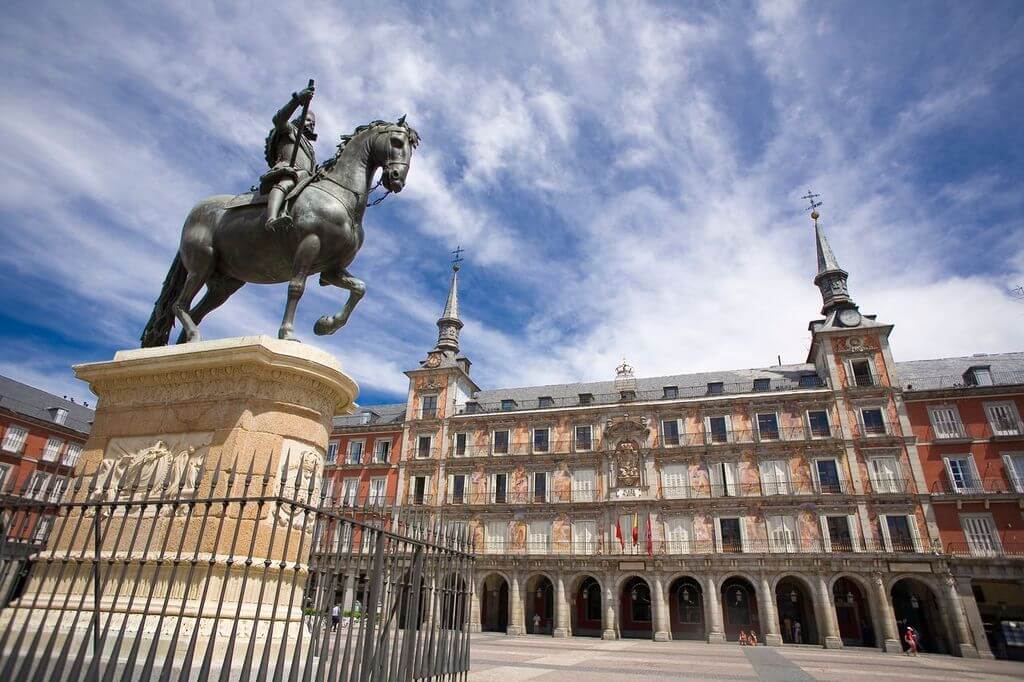
Madrid is a city of layers. From the medieval "Habsburg" layout of the city center to the refined, sun-drenched avenues of the 19th-century expansion, the architecture acts as a timeline of Spanish power and prestige. Beyond the aesthetics, the city is a repository for the world’s most significant art, housing collections that rival those of London, Paris, or Rome.
For the budget-conscious traveler, Madrid is surprisingly accessible. By prioritizing public transit and leveraging the city’s abundance of free walking opportunities, visitors can enjoy a high-end cultural experience without the prohibitive costs associated with other major European capitals.
Five Days in the Capital: A Curated Chronology
Day 1: The Golden Triangle of Art
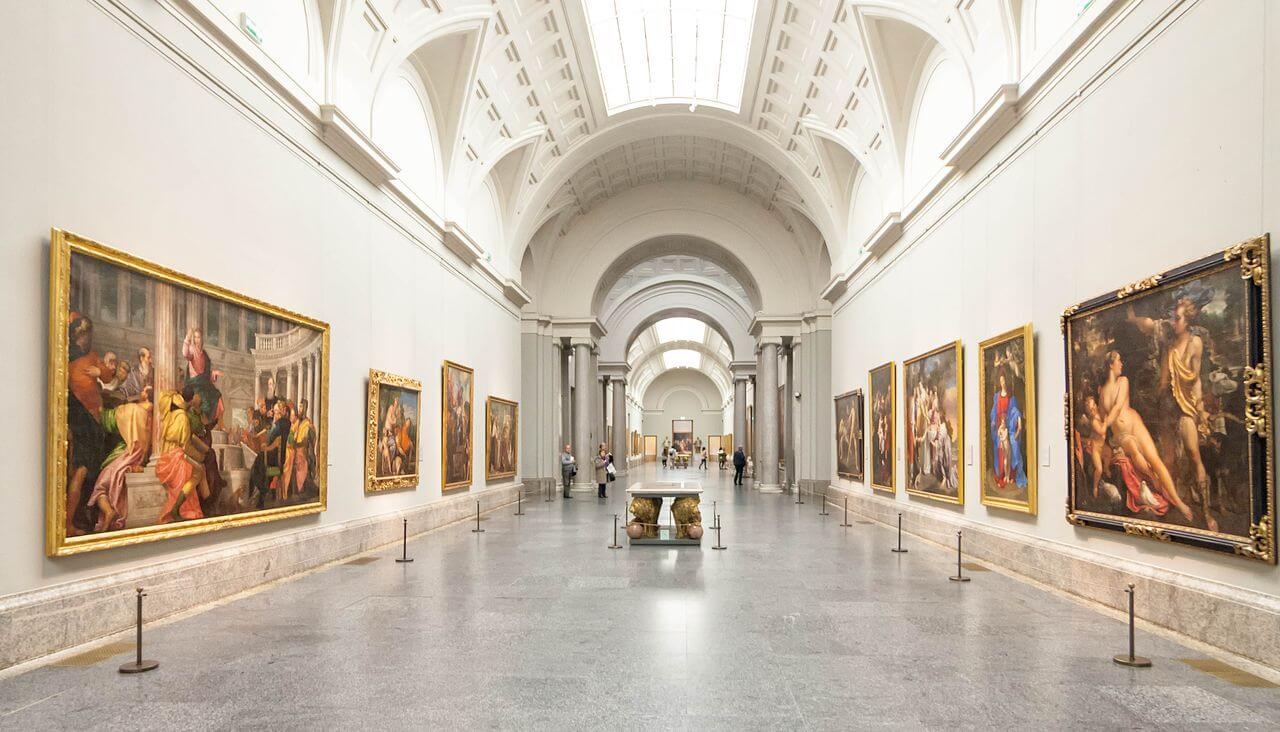
Your journey begins in the UNESCO-designated "Landscape of Light," a site encompassing over 40 monuments and historic structures. The focal point is the Prado Museum. As one of the world’s most prestigious galleries, it serves as the final resting place for the masterpieces of El Greco, Velázquez, and Goya. A minimum of three hours is recommended to truly appreciate the scale of this institution.
Afterward, follow the Paseo del Prado to the Thyssen-Bornemisza Museum, which provides a bridge between the Renaissance and modern art. Conclude your day at the Reina Sofía, home to the definitive collection of 20th-century Spanish art. Its centerpiece, Picasso’s Guernica, remains perhaps the most profound anti-war statement ever committed to canvas. For dinner, retreat to the rustic charm of Taberna La Fragua de Vulcano to sample the traditional cocido madrileño, a hearty chickpea-based stew that defines local comfort food.
Day 2: The Habsburg Heritage and Royal Grandeur
Step back into the 16th and 17th centuries by exploring Madrid de los Austrias. Start your morning at Puerta del Sol, the "Kilometer Zero" of Spain’s road network. After snapping a photo with the iconic Bear and the Strawberry Tree statue—the emblem of the city—make your way to the Plaza Mayor.
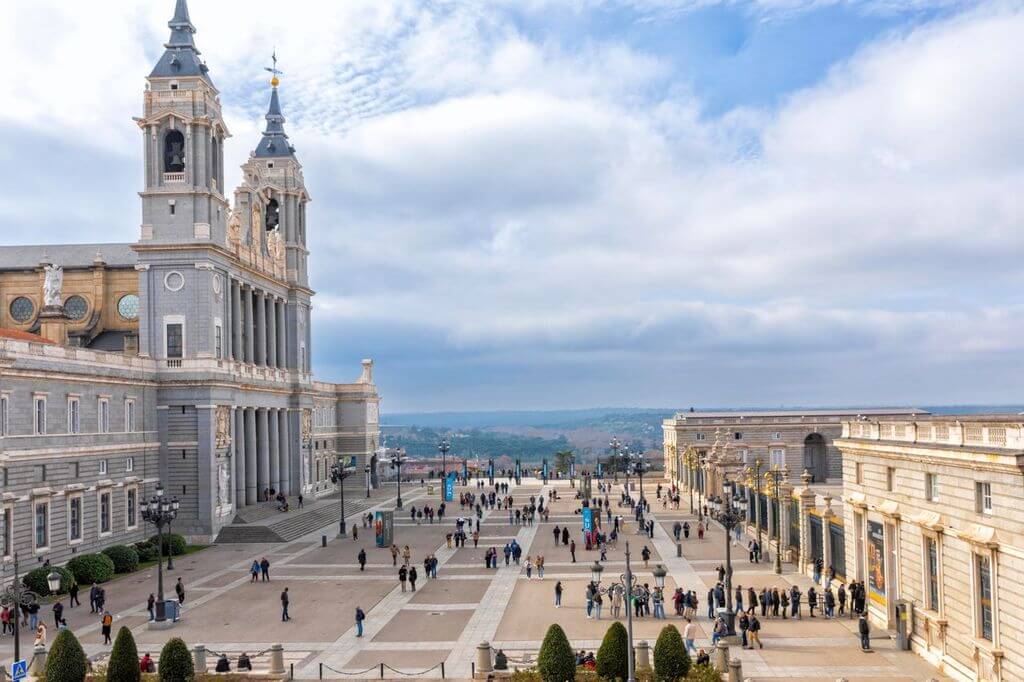
While the plaza is now a hub for tourists, its history as the site of bullfights and public trials is palpable in its architecture. For a true local experience, duck into the nearby side streets for a traditional calamari sandwich (bocadillo de calamares). Spend the afternoon at the Royal Palace of Madrid. With over 3,400 rooms, this Baroque masterpiece stands as a testament to the sheer scale of the Spanish Empire. End your day at the Almudena Cathedral, where the Neo-Romanesque crypt offers a quiet contrast to the opulent palace.
Day 3: A Culinary Odyssey
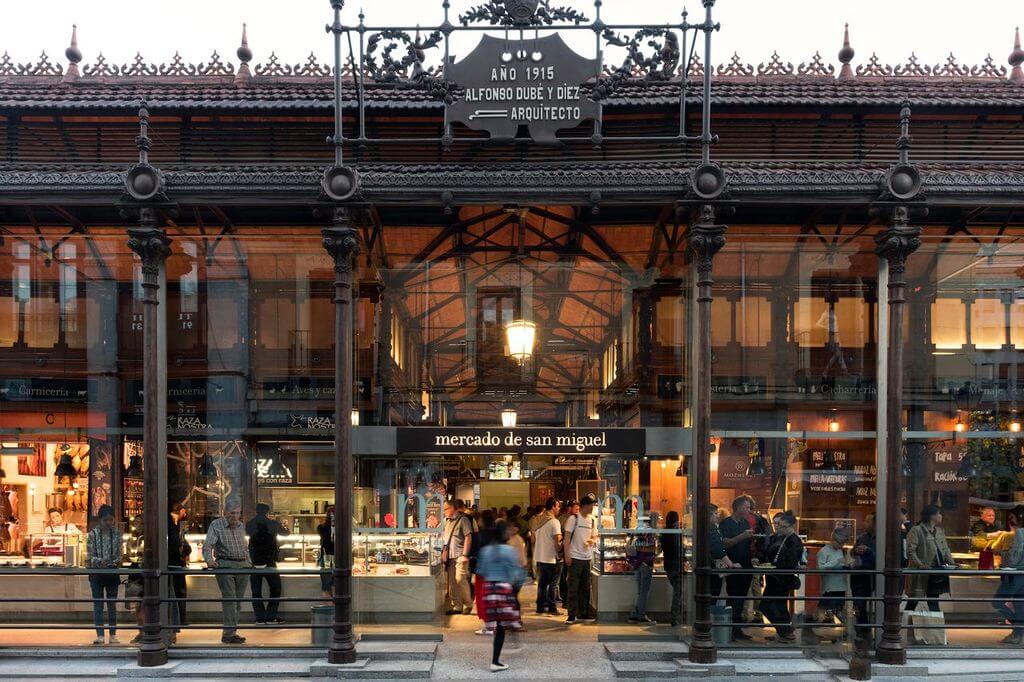
Madrid is arguably the culinary capital of the Iberian Peninsula. Avoid the standard tourist bistros and head straight to the markets. The Mercado de San Miguel is the city’s gastronomic "cathedral," perfect for high-end tapas. For a more authentic, local vibe, visit the Mercado de San Antón in the trendy Chueca neighborhood.
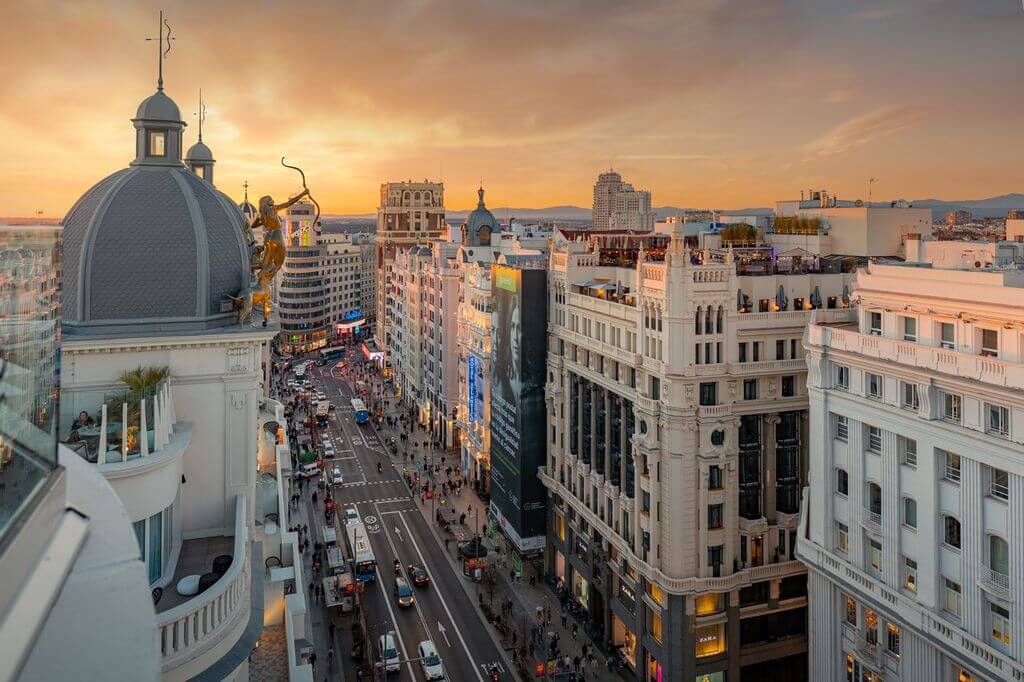
For dinner, history buffs should secure a reservation at Sobrino de Botín. Recognized by the Guinness World Records as the oldest restaurant in the world, it was a known favorite of Ernest Hemingway. If you prefer a modern evening, embark on a "tapas crawl" through the historic Barrio de las Letras. Cap off the night at one of the city’s many rooftop bars along the Gran Vía, such as the 360-degree sky bar at the RIU, which offers unparalleled views of the illuminated skyline.
Day 4: UNESCO Wonders and Royal Day Trips
Madrid serves as the perfect base for exploring Spain’s wider historical treasures. Just an hour outside the city lies the Monastery of San Lorenzo de El Escorial. This granite fortress-palace is a sobering, symmetrical masterpiece commissioned by Philip II. Alternatively, visit the Royal Palace of Aranjuez, whose lush gardens and decadent interiors rival the splendor of Versailles. For those seeking a literary connection, the historic university city of Alcalá de Henares—the birthplace of Miguel de Cervantes—offers a perfectly preserved snapshot of the Spanish Golden Age.
Day 5: The Hidden Treasures
On your final day, seek out the "quiet" side of Madrid. The Monastery of Las Descalzas Reales and the Royal Monastery of La Encarnación are often overlooked by the average visitor. These cloistered palaces contain staggering private art collections that were protected for centuries behind convent walls.
To conclude your visit, head to Casa de Campo. Once a royal hunting ground, it is now the city’s largest public park. From the lakeside terraces, you can watch the sunset over the silhouettes of the Royal Palace and the Almudena Cathedral, reflecting on the profound history and vibrant life you have just experienced.
Supporting Data: Why Madrid Works
The efficiency of the city’s infrastructure is a key factor in its success as a tourism hub. Madrid’s Metro system is consistently ranked among the best in Europe, providing seamless transit to all the locations mentioned above. Furthermore, the growth of the city’s vegetarian and vegan scene in neighborhoods like Malasaña signals a modern shift, proving that while Madrid is rooted in tradition, it is increasingly adapting to contemporary global tastes.
Official Perspectives and Implications
The designation of the "Landscape of Light" as a UNESCO World Heritage site in 2021 has forced the city to balance modernization with historic preservation. Local urban planners emphasize that the goal is not to turn Madrid into a living museum, but to ensure that the city’s growth supports both its residents and its visitors. This commitment to the "quality of life" model is why Madrid remains a preferred destination for long-term travelers and digital nomads alike.
The implication for the visitor is clear: Madrid rewards those who linger. It is not a city to be rushed or "checked off" a list. Whether you are navigating the halls of a royal palace, sampling croquetas at a neighborhood bar, or simply enjoying a sunset from a terrace in Casa de Campo, you are participating in a cycle of culture that has defined the Spanish capital for centuries. By balancing the "must-see" monuments with the off-the-beaten-path monasteries and local markets, you ensure that your time in Madrid is not just a vacation, but an immersion into the very soul of Spain.