The Symbiotic Frontier: How the Sinton Family is Rewriting the Rules of California Ranching and Viticulture
By Matt Kettmann
August 20, 2026
In the modern agricultural landscape, the wine business is often perceived as a high-stakes gamble defined by volatile weather, shifting consumer tastes, and the fickle nature of the global market. Yet, for those working the rugged cattle ranches of California’s Central Coast, the viticultural world looks almost like a playground of certainty. For decades, the beef industry has been tethered to a consolidated system dominated by Midwestern meatpackers, leaving independent ranchers in a perpetual state of financial vulnerability.
However, one family—the Sintons of San Luis Obispo County—is challenging this status quo. By merging centuries-old ranching wisdom with modern viticultural diversification and a bold, grassroots return to local meat processing, they are charting a blueprint for agricultural survival that may redefine the future of the California landscape.
The Weight of History: A Legacy of Adaptation
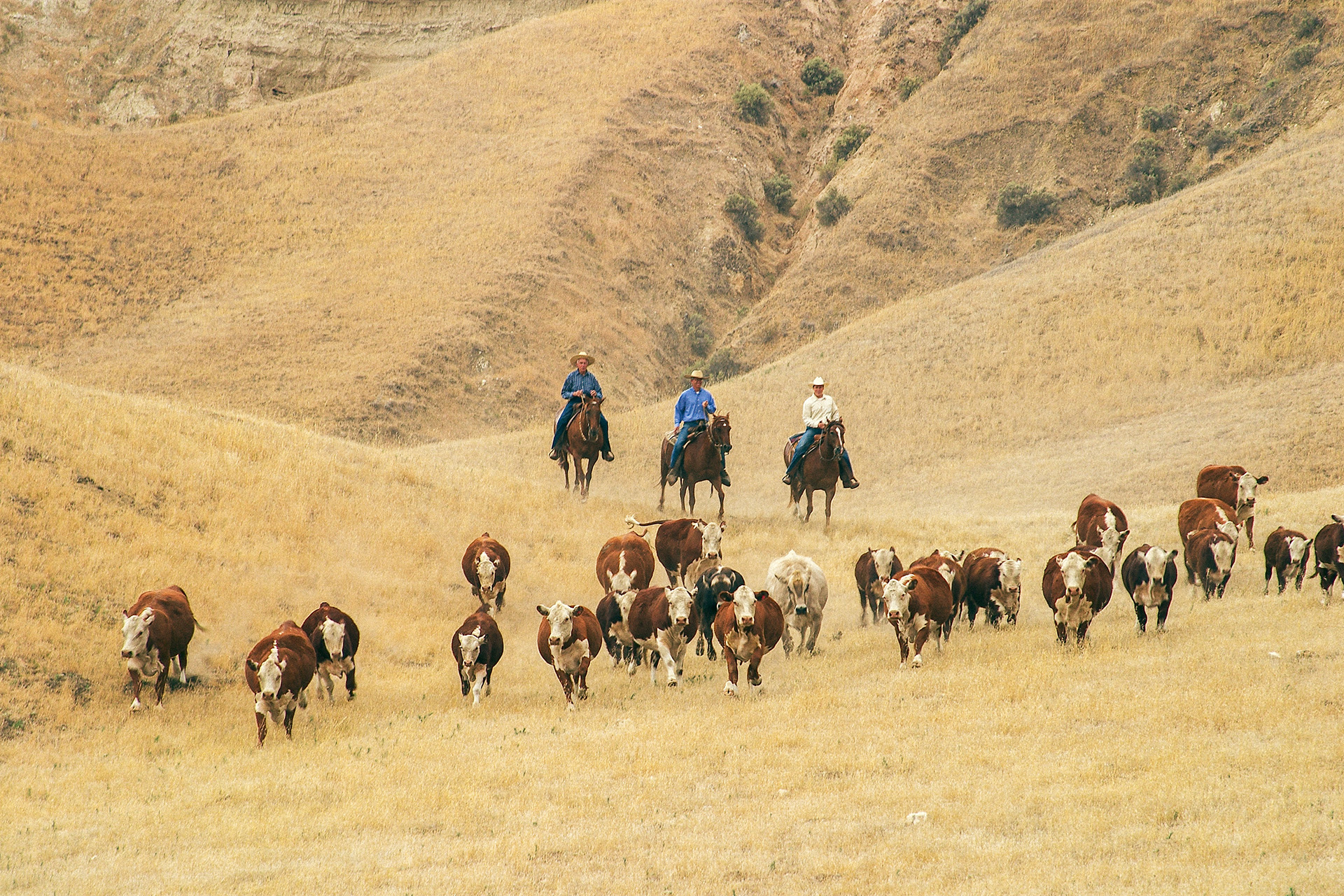
The Sinton family’s tenure on the oak-studded savannahs of San Luis Obispo County dates back to 1875. For over 150 years, they have navigated the boom-and-bust cycles of the cattle market. According to Daniel Sinton, the current steward of the family’s legacy, the industry has been fundamentally broken for the better part of a century.
“You live and die by something you can’t control,” Sinton explains. “We haven’t made money from cattle in 70 years. We do it because we love the land.”
The family’s ability to endure where others have failed is rooted in an unconventional approach for the ranching world: high-level education. With a lineage boasting degrees from UC Berkeley and Stanford, the Sintons have treated their land as a laboratory rather than just a pasture. They were early adopters of regenerative grazing research, understanding that the health of the soil and the nourishment of the cattle are inextricably linked.
Chronology of the Sinton Diversification
- 1875: The Sinton family establishes their ranching operations in San Luis Obispo County.
- 1972: Recognizing the precarious nature of beef, the family plants Shell Creek Vineyard, a strategic pivot toward viticulture to provide a financial hedge.
- 1989: The Sinton-grown Petite Sirah, utilized by Benziger Family Winery, wins a prestigious award in Paris, putting Shell Creek on the map for high-quality fruit.
- 2012: A shift in the business model begins as artisanal winemakers like Broc Cellars start sourcing the vineyard’s old-vine, own-rooted Chenin Blanc.
- 2017: The passing of family patriarch Jim Sinton, whose desire for high-quality, grass-raised beef sparks the family’s direct-to-consumer meat venture.
- 2024: Following the closure of the regional staple J&R Natural Meats, the Sintons acquire the facility, transitioning into the processing business.
- 2026: For the first time in two generations, the cattle business reaches profitability, supported by a closed-loop system of ranching, viticulture, and independent processing.
The Vineyard as an Economic Engine
When Steve Sinton, Daniel’s father, decided to plant Shell Creek Vineyard in 1972, the primary objective was stability. At the time, the cattle market was notoriously erratic, and the family sought a secondary income stream that would allow them to maintain their landholdings.
“There was hope that maybe when ranching was down, the vineyard would at least bring in some income to keep us on an even keel,” Steve recalls. “I would say it’s worked.”
The early years were defined by the tireless efforts of Jane Sinton, who navigated the male-dominated wine industry of the 1970s while balancing motherhood and her studies at UC Davis. Today, Shell Creek is a sought-after source for 16 different clients, ranging from industry giants like Duckhorn and Caymus to boutique producers such as Thacher, Herman Story, and Outward. The vineyard serves as the financial backbone, allowing the family to produce their own small-batch label, Avenales Ranch, while maintaining the long-term health of their diverse plantings, including Valdiguié, Petite Sirah, and Cabernet Sauvignon.
2026: A Turning Point for the Cattle Industry
As of August 2026, the economic narrative for cattle ranchers is shifting. Prolonged droughts in the U.S. interior have decimated herds elsewhere, resulting in supply shortages and record-high prices for those who have managed their herds sustainably. Simultaneously, the public’s perception of beef is undergoing a renaissance.
Modern nutritional science is moving away from the blanket vilification of red meat, now advocating for moderate, high-quality intake. Furthermore, environmental science is increasingly recognizing the role of managed grazing in carbon sequestration and ecosystem preservation.
“Beef has long been vilified as unhealthy and harmful to the environment,” Daniel Sinton notes. “A lot of people have realized that is not entirely true.”

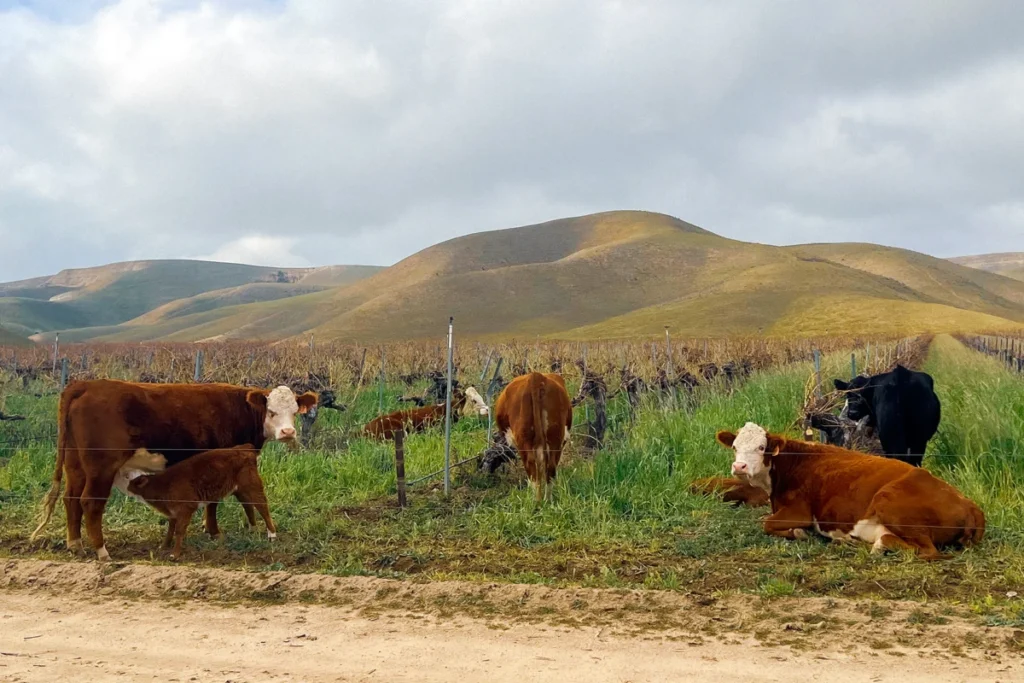
The Sinton approach—where cattle serve as an integral part of the vineyard ecosystem—provides a literal "boots-on-the-ground" proof of concept. The animals’ trampling hooves, natural fertilizer, and grazing habits manage vineyard cover crops, creating a symbiotic loop that reduces the need for external inputs.
The Butcher Shop: Controlling the Supply Chain
The final piece of the Sinton strategy fell into place unexpectedly. The catalyst was a quest for flavor. When the family patriarch, Jim Sinton, expressed disappointment in the modern supermarket beef he was eating, Daniel decided to process one of their own grass-raised steers.
The reaction was immediate and profound. “He took a bite and said, ‘This has the flavor! This is what I used to have!’” Daniel recalls.
What began as an informal experiment—selling the excess meat to friends via Instagram—quickly ballooned into a robust local business. When the Central Coast’s primary meat processor, J&R Natural Meats, closed its doors in 2024, the Sintons saw a critical infrastructure gap. They purchased the plant, rebranded it as Sinton & Sons, and began providing processing services for the wider ranching community.
Economic Implications of Regional Processing
The move into the butchery business serves a dual purpose: it generates direct revenue and, more importantly, it provides the family with the ability to "flatten the curve" of the volatile national cattle market.
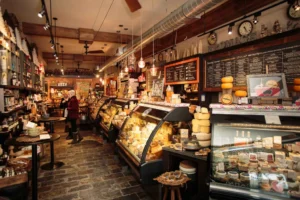
By operating their own facility, the Sintons can offer local ranchers fair, consistent rates, effectively insulating them from the predatory pricing of national meatpackers. With retail outlets now established in Templeton and Paso Robles, the business is processing enough volume to support 25 employees, with plans to scale to seven animals per day.

For the Central Coast, this represents more than just a business expansion; it is a fundamental shift in regional economic policy. The goal is to create a self-sustaining ecosystem where cattle and wine production feed into one another. If successful, the model could eventually see the cattle ranching operations subsidizing the vineyards during lean years—a complete reversal of the financial dynamic established in 1972.
Looking Toward the Future
The Sinton family’s journey from 19th-century ranchers to 21st-century agricultural innovators highlights a critical lesson for modern farmers: vertical integration and ecological mindfulness are the keys to longevity. By controlling every step of the process—from the grass beneath the cows’ hooves to the bottles of wine sourced from the vineyard—they are effectively bulletproofing their operation against the unpredictability of the global market.
“We’re developing a new norm for other producers and us,” Daniel says. “We think that we can create long-term stability for the ranches.”
As the industry watches the success of Sinton & Sons, the broader implication is clear: the path to a sustainable agricultural future may not lie in further industrial consolidation, but in the return to regional, transparent, and symbiotic systems. For the Sinton family, the land has always provided the answers; they have simply learned how to listen.
In an era where the future of the climate and the economy feels increasingly precarious, the Sinton ranch stands as a testament to the idea that with enough ingenuity, one can indeed find profit in the soil—and perhaps, in a perfectly aged steak and a glass of old-vine Chenin Blanc, find a way to preserve it for the next 150 years.