The Ultimate Meal Prep Solution: Mastering Chipotle Chicken for High-Protein Efficiency
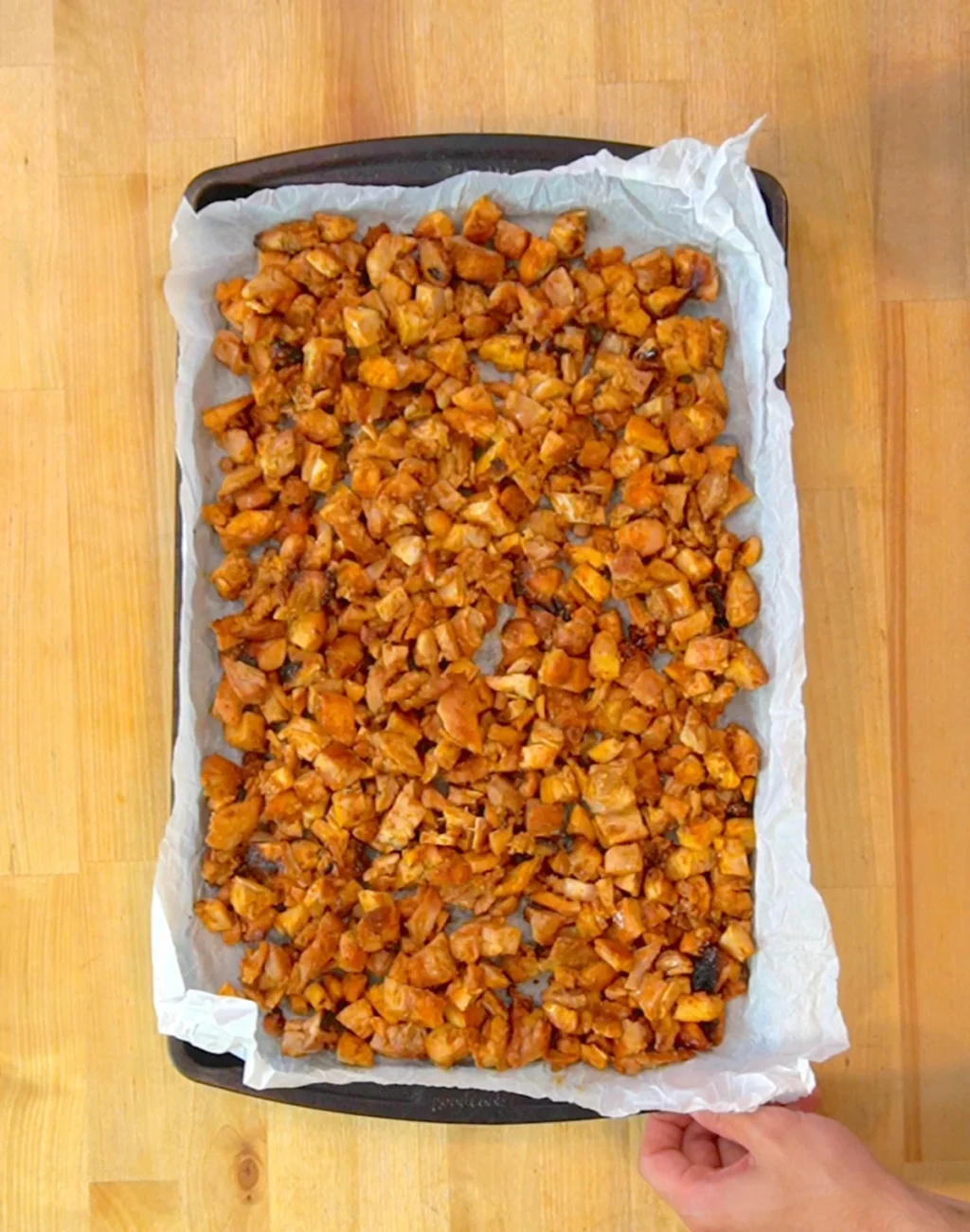
In the fast-paced landscape of modern nutrition, the challenge of maintaining a healthy diet while balancing professional and personal commitments has never been more daunting. For many, the answer lies in the strategic practice of "batch prepping"—the art of preparing high-quality, nutrient-dense meals in advance to avoid the pitfalls of convenience-based, low-quality dietary choices. Among the pantheon of staple recipes, the Chipotle Chicken for Burrito Bowls stands out as a gold standard for fitness enthusiasts, busy professionals, and home cooks alike.
This article explores the mechanics, nutritional profile, and strategic implementation of this specific recipe, offering a blueprint for anyone looking to master their meal prep routine.
The Strategic Importance of Batch Prepping
The "Snack City" freezer approach—a term coined by proponents of efficient meal planning—is not merely about cooking; it is about infrastructure. By dedicating a single session to the preparation of a versatile protein like Chipotle Chicken, individuals can effectively eliminate the daily "what’s for dinner?" decision fatigue that often leads to processed food consumption.
When you prepare a large batch of chicken, you are effectively buying back your time. By utilizing a marinating process that infuses the meat with deep, smoky flavors, this recipe ensures that even after a stint in the freezer, the protein remains tender, flavorful, and ready for integration into a wide array of burrito bowl configurations.
Chronology of Preparation: A Systematic Approach
To achieve the professional-grade results associated with this recipe, one must follow a disciplined, chronological process. While the total time investment is approximately three hours and forty minutes, the active labor time is significantly lower.
Phase 1: The Marination (3 Hours)
The foundation of this recipe lies in the marination process. Unlike quick-seasoning methods, a three-hour soak allows the complex profile of chipotle peppers—characterized by their distinct smokiness and heat—to penetrate the muscle fibers of the chicken. This is the stage where the flavor profile is established, ensuring that the chicken does not lose its character during the cooking or reheating process.
Phase 2: The Cooking Process (30 Minutes)
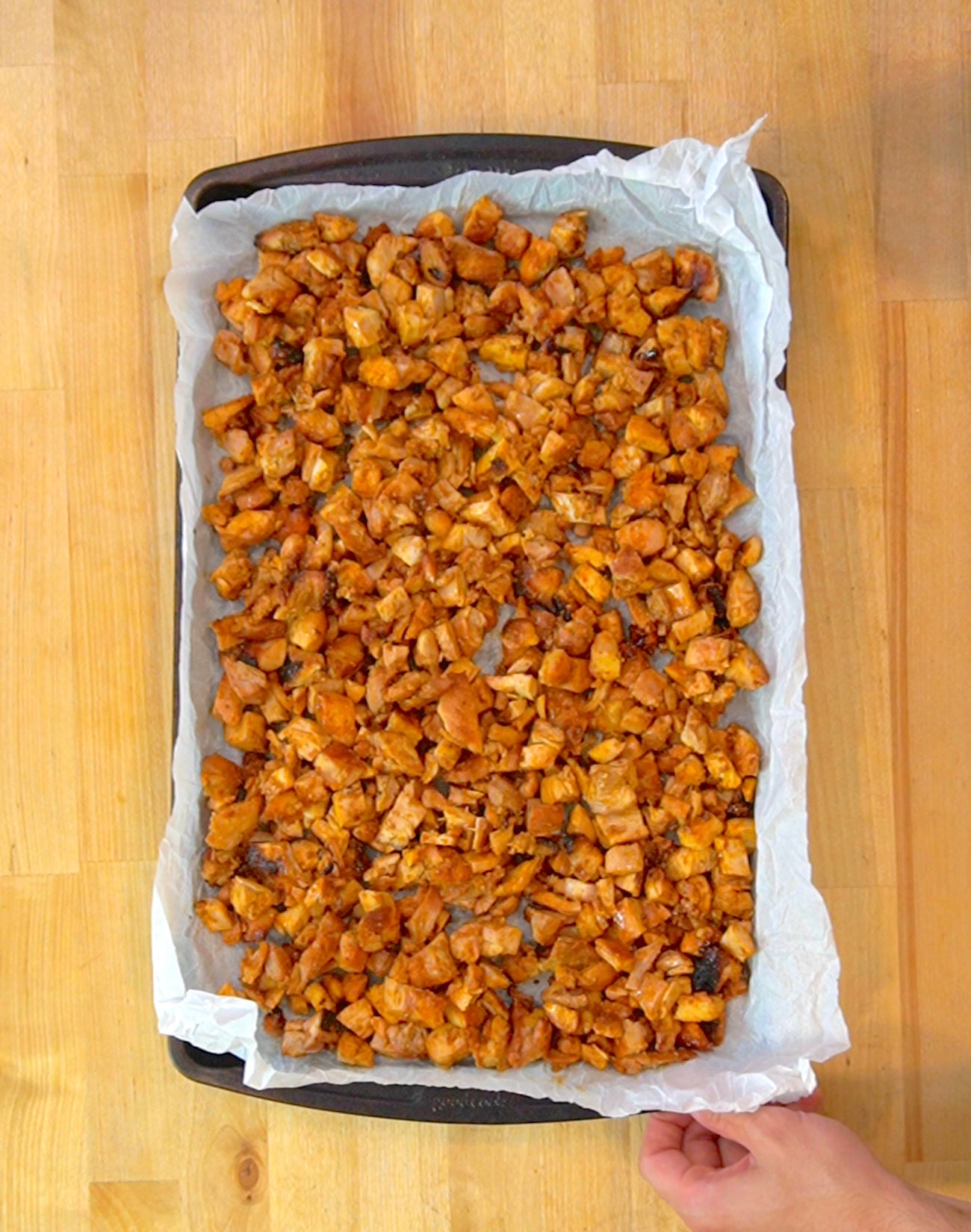
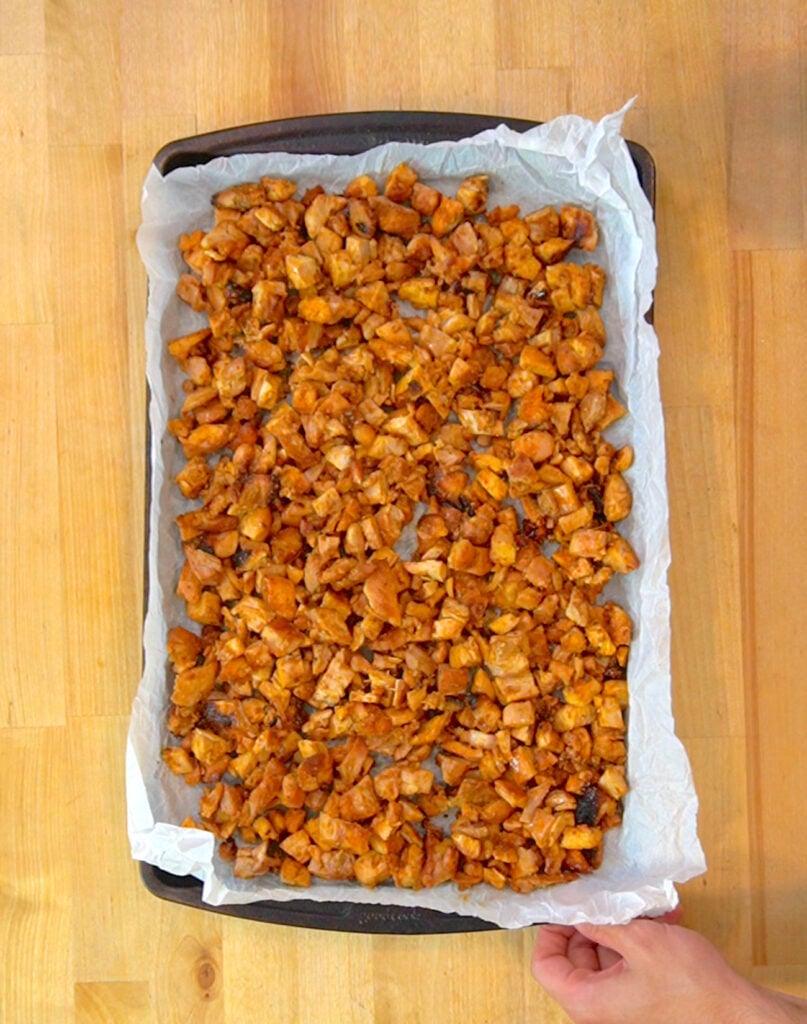
Once the marination is complete, the chicken is moved to the heat source. Whether you choose to grill, pan-sear, or bake, the goal is to achieve a Maillard reaction—the browning of the proteins and sugars that results in that signature savory crust. A 30-minute cook time is optimized to ensure that the chicken reaches the internal temperature necessary for safety while retaining enough moisture to withstand subsequent freezing and reheating.
Phase 3: The Cooling and Portioning (10 Minutes)
Perhaps the most overlooked step in the chronology is the cooling phase. Placing steaming hot chicken directly into freezer-safe containers can lead to condensation, which ruins the texture of the meat and encourages ice crystal formation. Allowing the protein to rest and reach room temperature is a mandatory step for preserving the integrity of the dish for future consumption.
Supporting Data: Nutritional Efficiency
For those who track macronutrients, this Chipotle Chicken recipe is a masterclass in efficiency. Designed for ten servings, the recipe provides a lean, high-protein profile that fits into almost any fitness-oriented diet.
Macronutrient Breakdown (Per Serving)
- Calories: 309 kcal
- Protein: 44g
- Carbohydrates: 3.4g
- Fat: 13g
- Fiber: 1.28g
The high protein-to-calorie ratio makes this an ideal building block for weight management or muscle hypertrophy. With only 3.4 grams of carbohydrates per serving, the dish is highly flexible; it allows the user to decide exactly how many carbohydrates to add (such as brown rice, quinoa, or beans) at the moment of consumption, rather than being "locked in" to a high-carb recipe from the start.
Professional Implications: Why This Method Succeeds
The "Burrito Bowl" format has become a staple of the American diet, but the commercial versions often carry hidden costs—excessive sodium, preservatives, and high price points. By shifting to a DIY, batch-prep model, the individual gains total control over the inputs.
Economic Advantages
When purchasing ingredients in bulk, the cost-per-serving of this Chipotle Chicken is significantly lower than that of any comparable fast-casual alternative. By leveraging the freezer as a tool, you are essentially creating your own "frozen food line," tailored to your specific taste preferences and dietary requirements.
Dietary Consistency
The most significant implication of this method is the stabilization of dietary habits. When healthy food is already pre-portioned and frozen, the barrier to entry for eating a healthy meal drops to nearly zero. The effort is shifted from "decision-making" to "execution," which is the key to long-term dietary success.
Troubleshooting and Storage Guidelines
While the recipe is straightforward, maintaining the quality of the chicken requires adherence to storage best practices.
- Airtight Integrity: Always use high-quality, BPA-free containers or vacuum-seal bags to prevent freezer burn.
- Gradual Thawing: For the best texture, move your portion from the freezer to the refrigerator 12 to 24 hours before you plan to consume it.
- Reheating Protocol: If using a microwave, add a small splash of water or broth to the container. This provides a gentle steam that prevents the chicken from drying out during the reheating process.
Future Outlook: Customization and Scaling
The beauty of this Chipotle Chicken lies in its versatility. While the recipe is presented as a standalone protein base, it serves as a canvas for culinary creativity.

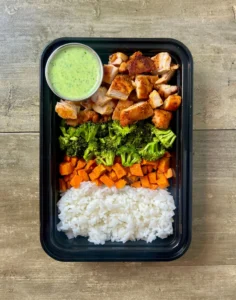
- For the Volume Eater: Pair the chicken with high-fiber vegetables like roasted broccoli or peppers to increase satiety without significantly increasing the caloric load.
- For the Performance Athlete: Combine the chicken with complex carbohydrates like sweet potato or quinoa to optimize glycogen replenishment post-workout.
- For the Culinary Adventurer: Modify the marinade by adding citrus zest (lime or orange) or fresh cilantro to brighten the flavor profile for summer-themed meal prep.
Final Thoughts: The Discipline of Prep
The transition to a meal-prep-focused lifestyle is often hindered by the misconception that it requires a professional chef’s skill set or hours of daily labor. As evidenced by this Chipotle Chicken recipe, the truth is far simpler: it requires only a fundamental understanding of protein preparation, a basic grasp of nutrition, and the discipline to execute a plan in advance.
By adopting these methods, you are doing more than just cooking chicken—you are investing in your long-term health and reclaiming your schedule from the chaos of daily meal planning. Whether you are aiming for body composition changes, saving money, or simply seeking to streamline your life, the "Snack City" approach provides the structure necessary to reach your goals.
As you look toward your next kitchen session, remember that every batch you prep is a victory for your future self. The Chipotle Chicken you cook today will not only fuel your body tomorrow but will also serve as a reminder that consistency, rather than intensity, is the true engine of sustainable health.
For those looking to expand their repertoire, consider experimenting with different spice rubs or varying the cooking methods—such as slow-cooking for a shredded chicken consistency—to keep your palate engaged throughout the week.