Mastering the Midday Meal: The Ultimate Guide to Nutritious, No-Cook Lunches for Families
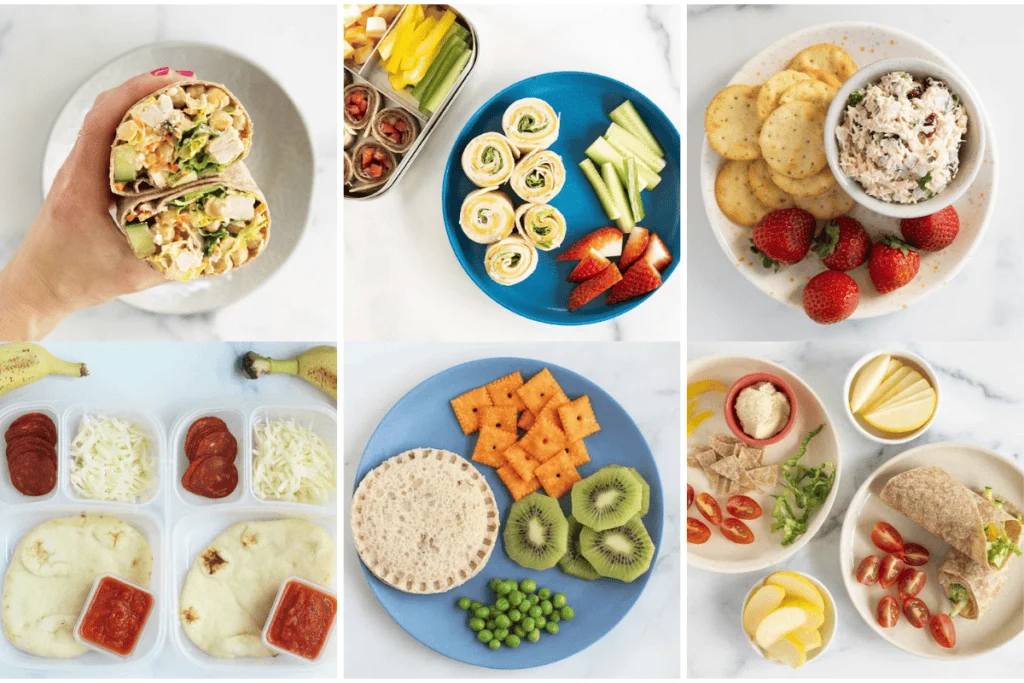
In the modern household, the rhythm of the day is often dictated by the relentless ticking of the clock. Whether you are navigating the complexities of daycare requirements, preparing school lunches that won’t come back home untouched, or packing for a spontaneous summer camp outing, the challenge remains the same: how to provide a nutritious, appetizing meal without spending hours in the kitchen.
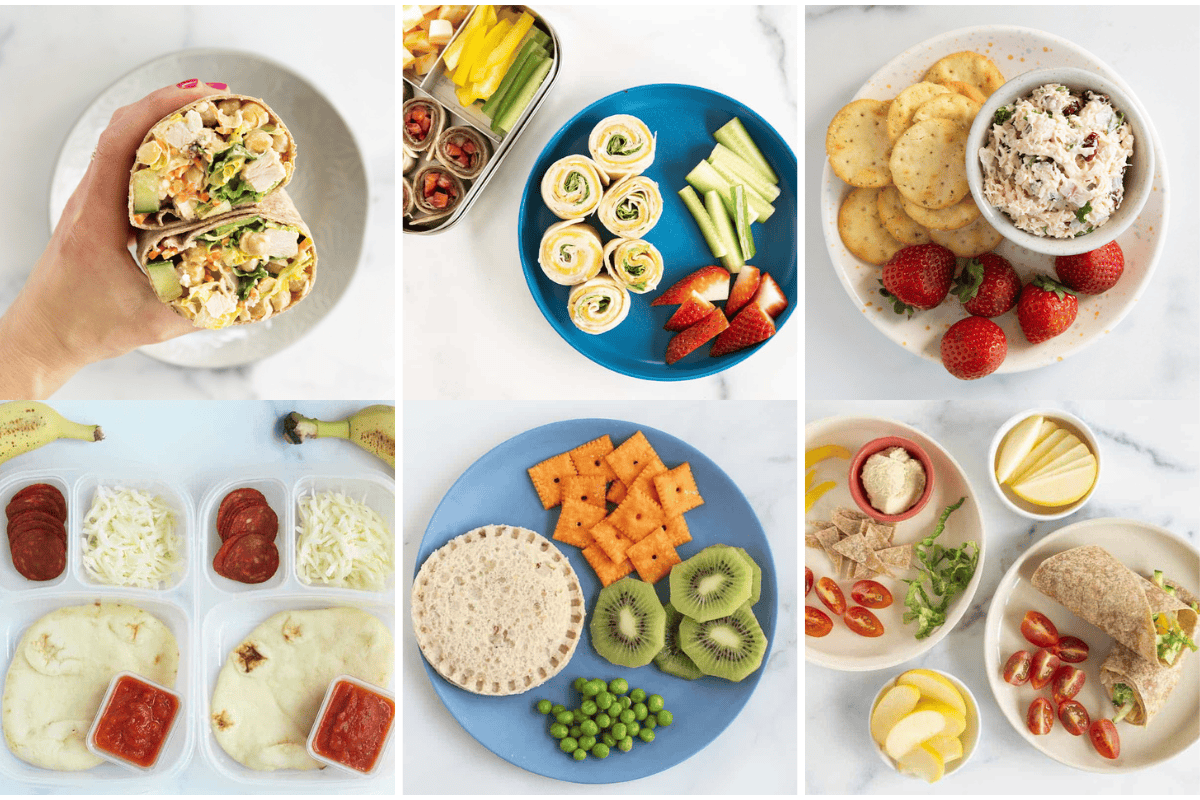
The "no-cook" lunch movement has gained significant traction among busy parents and caregivers, offering a pragmatic solution to the daily grind. By leveraging assembly-based preparation rather than traditional stove-top or oven-based cooking, families can reclaim their time while ensuring their children receive balanced, satisfying meals.
The Evolution of the Packed Lunch
The concept of the "no-cook" lunch is not merely about convenience; it represents a shift in nutritional philosophy. Traditionally, school lunches were either hot meals provided by an institution or heavy, processed sandwiches. Today’s focus has pivoted toward "snacky" lunches—bento-style boxes that combine various food groups, textures, and flavors, which are often more appealing to the developing palates of toddlers and school-aged children.

This assembly-style approach minimizes kitchen cleanup and maximizes ingredient versatility. By keeping a rotating stock of pantry staples and refrigerator essentials—such as canned proteins, wraps, fresh produce, and hummus—parents can construct a variety of meals in under ten minutes.
Core Pillars of the No-Cook Strategy
To succeed in the "no-cook" kitchen, one must adhere to three foundational pillars: accessibility, affordability, and adaptability.

- Accessibility: Utilizing ingredients that are readily available in most grocery stores prevents the "ingredient hunt" that often leads to ordering takeout.
- Affordability: By shifting away from pre-packaged, single-serving "lunch kits," parents can significantly reduce their weekly grocery expenditure. Homemade versions of these kits are not only cheaper but also allow for better portion control and ingredient quality.
- Adaptability: The best no-cook recipes are modular. If a child dislikes turkey, a simple swap to ham or plant-based deli slices should maintain the integrity of the meal.
A Chronology of Meal Assembly
For the uninitiated, the process of transitioning to no-cook lunches can be broken down into a simple, efficient workflow:
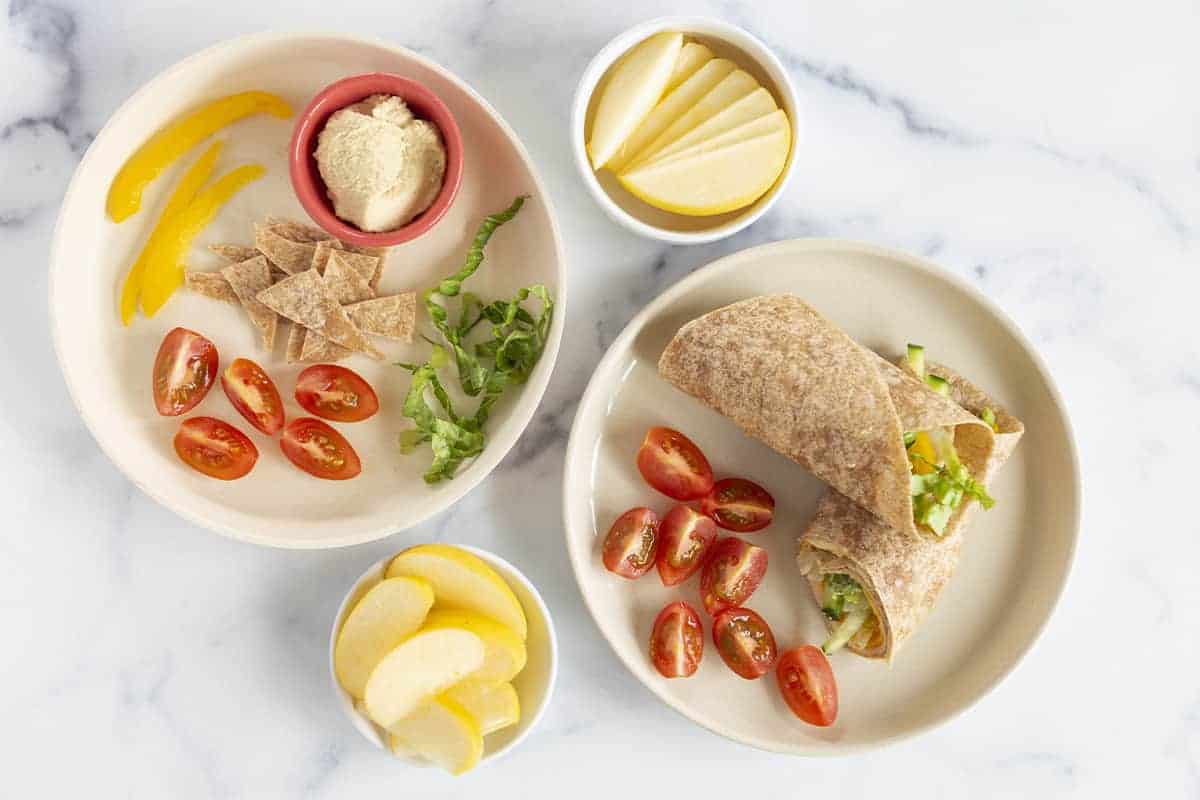
- The Sunday Prep (15 Minutes): Wash and chop raw vegetables (carrots, cucumber, bell peppers) and store them in airtight containers. Portion out dips like hummus or yogurt.
- The Morning Assembly (5–10 Minutes): Because the foundation was laid on Sunday, the morning of is reserved for assembly. A "Lunchable" style bento box takes mere minutes to fill with a protein, a grain, a fruit, and a vegetable.
- Storage and Preservation: Invest in high-quality, insulated lunch bags and reusable ice packs. For items like chicken or salmon salad, keeping the temperature below 40°F (4°C) is essential for both food safety and texture.
Essential No-Cook Recipes and Techniques
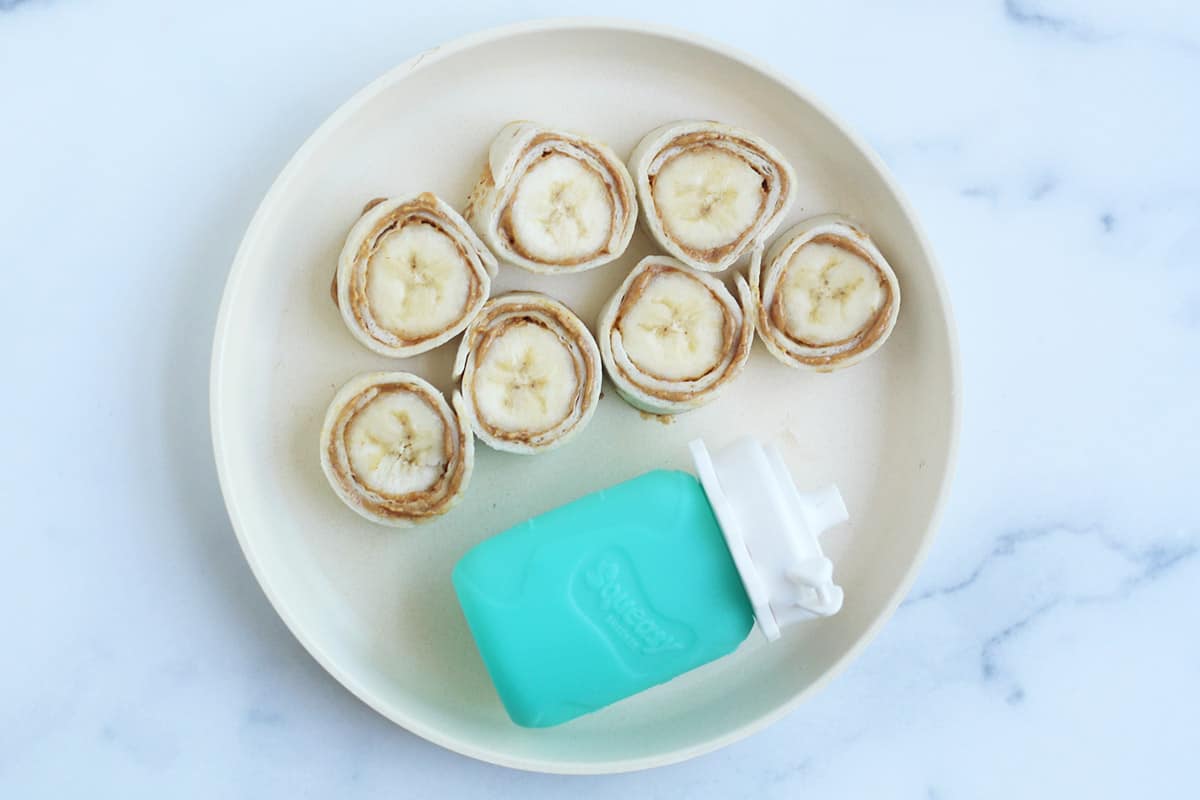
The Art of the "Banana Sushi"
A favorite for younger children, Banana Sushi turns a piece of fruit into a playful, protein-packed lunch. By spreading a thin layer of nut butter (or a sunflower seed butter for allergy-friendly schools) onto a peeled banana, rolling it in seeds or granola, and slicing it into rounds, you create a "sushi" roll that is as nutritious as it is fun.
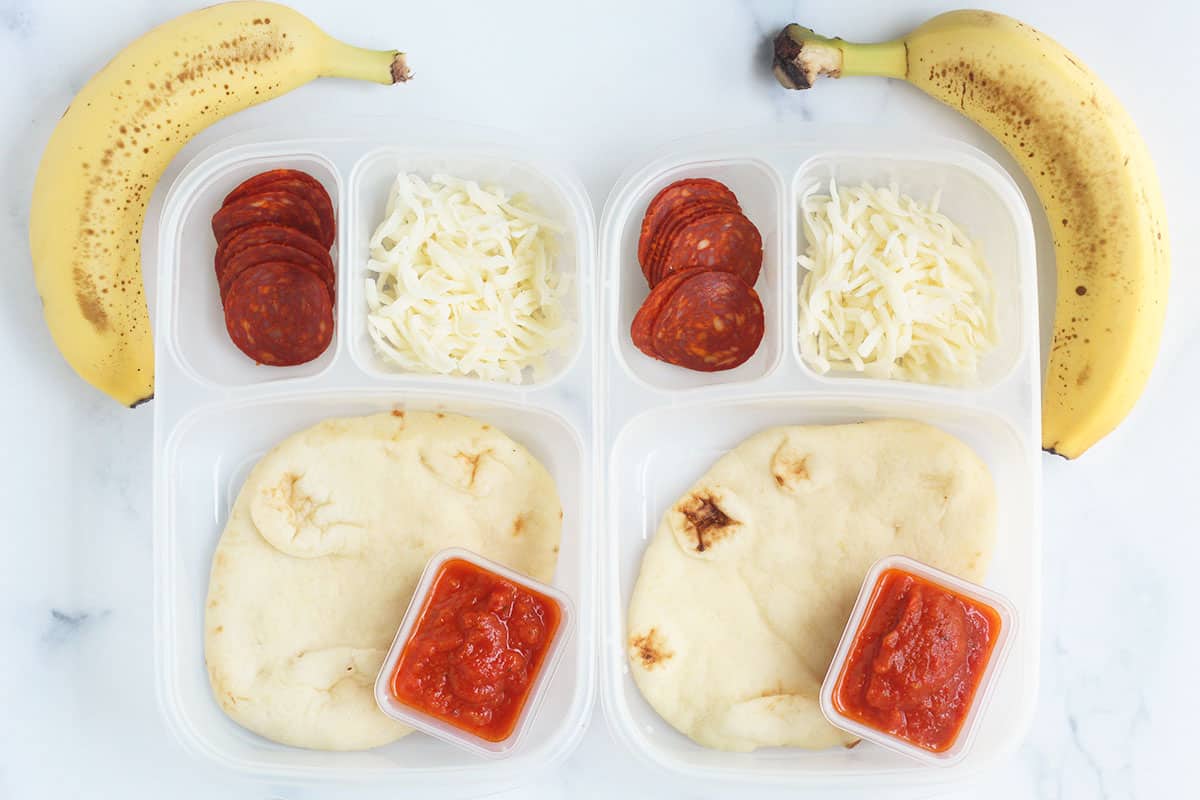
Homemade "Lunchables" (Bento Box Style)
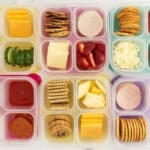
The key to a successful homemade lunchable is variety. Combine a high-quality protein (like turkey roll-ups or cubed cheese), a carbohydrate (crackers or pita bread), and a fresh element (apple slices or berries). These boxes are inherently customizable, allowing parents to swap ingredients based on specific allergy needs, such as using gluten-free crackers or dairy-free cheese alternatives.

Pinwheel Sandwiches and Wraps
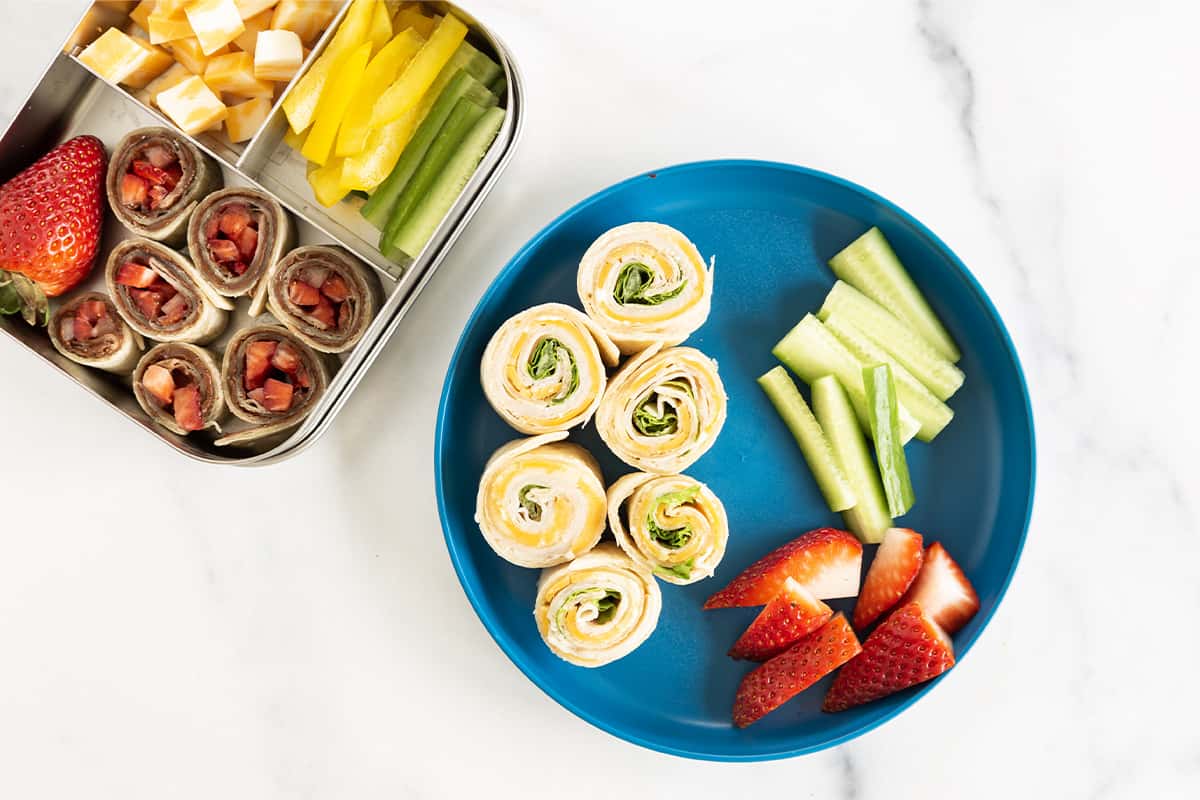
Pinwheels are a visual upgrade from standard sandwiches. By using a soft tortilla, spreading a thin layer of cream cheese or hummus, and adding layers of deli meat and greens, you can roll the wrap tightly and slice it into "pinwheels." These are structurally sound for transport and easier for small hands to manage than traditional sandwiches.
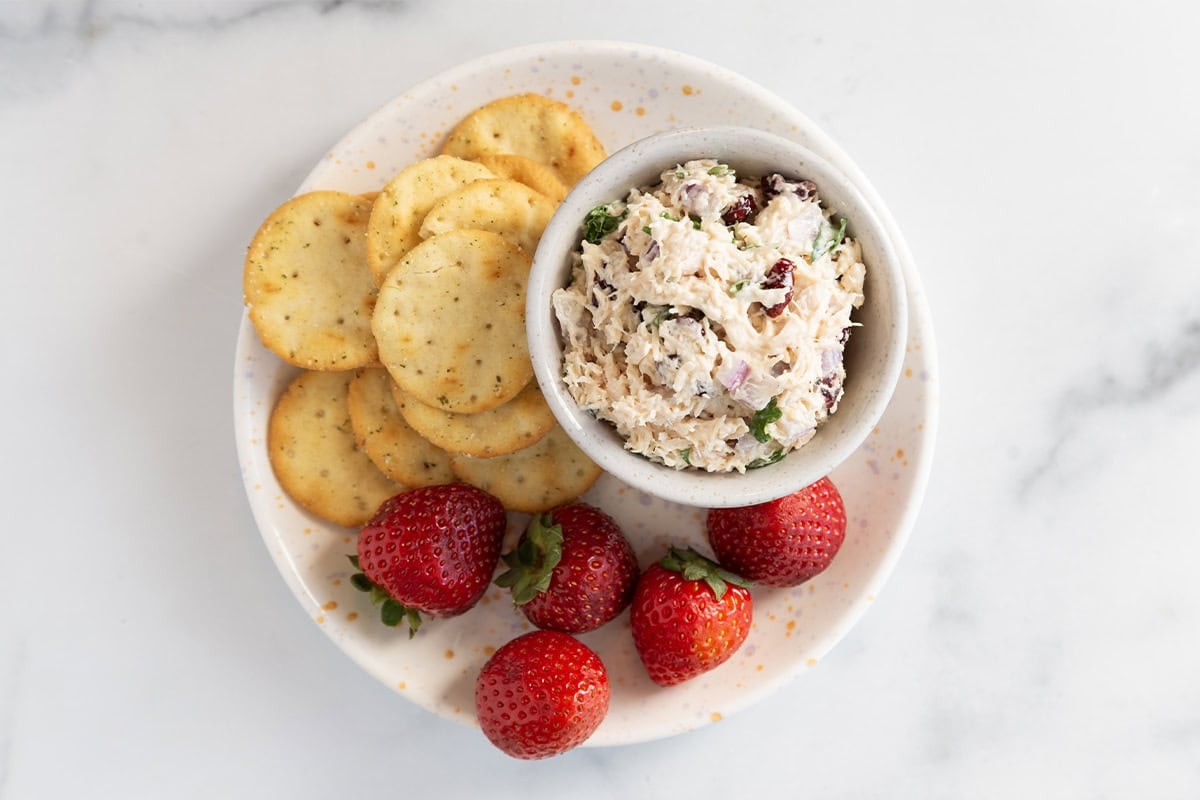
Salmon and Chicken Salads
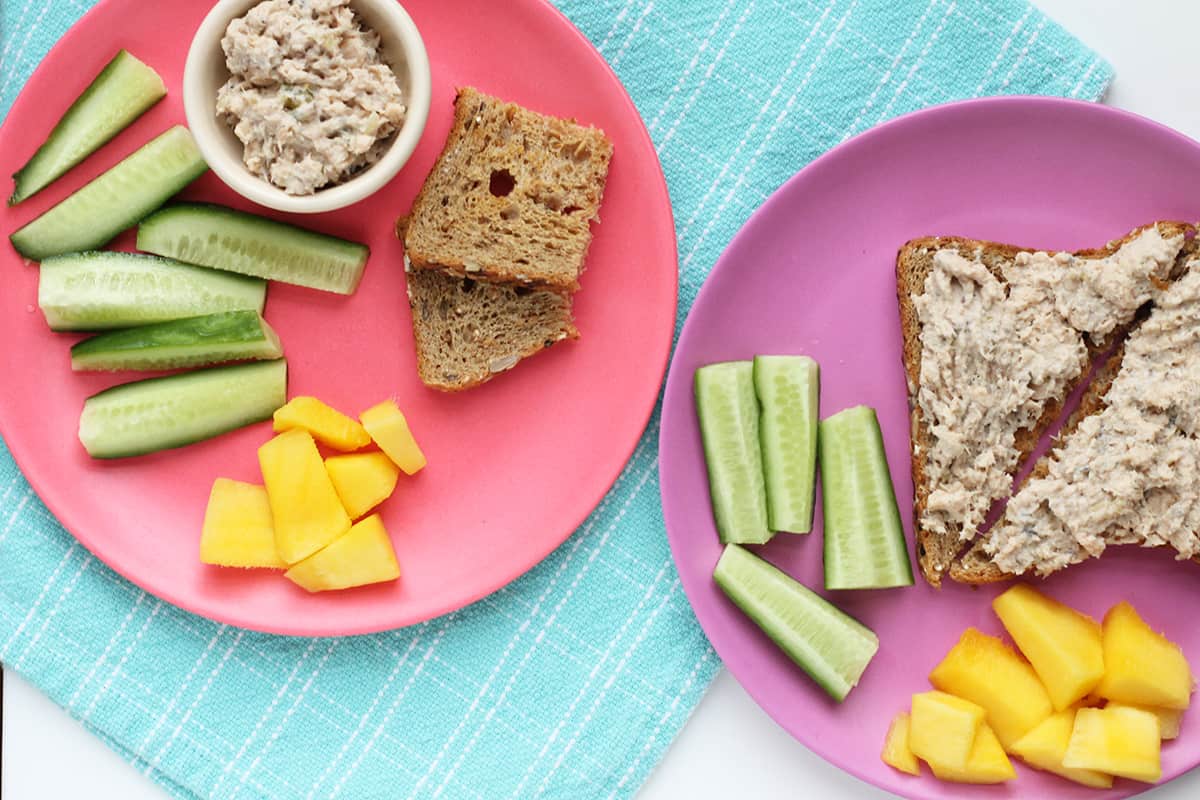
Using canned chicken or wild-caught salmon provides an immediate, shelf-stable protein source. Mixing these with a touch of Greek yogurt or mayonnaise, along with some diced celery or homemade relish, creates a protein-dense salad that pairs perfectly with whole-grain crackers.
Supporting Data: The Benefits of Hands-On Eating
Research into pediatric nutrition suggests that "deconstructed" meals—where food items are kept separate rather than mixed together—can increase the likelihood of children consuming their full lunch. This is particularly true for "picky eaters" who may be overwhelmed by mixed dishes.

Furthermore, a study on school-age nutrition highlighted that children who are involved in the selection of their lunch components are 30% more likely to consume the majority of their meal. The no-cook method facilitates this involvement, as children can easily choose between different "slots" in a bento box, fostering a sense of autonomy and engagement with their food.
Official Responses and Nutritional Guidelines
Nutritionists generally applaud the move toward fresh, assembly-based lunches. The primary concern with store-bought, pre-packaged lunch kits is the high sodium content and the presence of processed preservatives. By packing these lunches at home, parents have direct control over sodium levels, sugar content, and ingredient quality.
Health experts recommend that a balanced lunch should ideally contain:

- A protein source: (e.g., canned chicken, chickpeas, deli turkey, or hard-boiled eggs).
- A complex carbohydrate: (e.g., whole-grain wraps, crackers, or leftover muffins).
- A fruit and a vegetable: (Prioritizing high-water-content items like cucumbers or grapes).
- A healthy fat: (e.g., avocado or hummus).
Implications for Modern Families
The transition to a no-cook lunch culture has significant implications for family dynamics. By reducing the time spent in front of the stove, parents often find they have more time for morning connection, school drop-off logistics, or simply a less chaotic start to the day.
Moreover, these lunches are inherently portable. The same strategies used for school lunches apply perfectly to weekend outings, park visits, or road trips. The mental load of "what’s for lunch" is greatly diminished when the framework is already established.
Tips for Long-Term Success
To ensure the sustainability of this meal-planning strategy, consider the following best practices:

- Keep a Master List: Maintain a list of your family’s "Top 10" no-cook lunches on your refrigerator. This removes the decision-making fatigue during busy mornings.
- Allergy Awareness: Always keep a stash of "safe" alternatives. If a school or daycare is nut-free, ensure your pantry is stocked with seed butters and allergy-safe crackers.
- Invest in Quality Gear: A bento box with separate, leak-proof compartments is the single most important tool in your arsenal. It prevents "soggy sandwich syndrome" and makes the presentation more appealing to children.
- Batch Prepare: Even though these are "no-cook," some items like hard-boiled eggs or chicken salad can be made in batches at the start of the week to ensure they are ready to go when you are.
Conclusion
The pursuit of a perfect, nutritious lunch does not have to be a culinary marathon. By embracing the simplicity of assembly-based, no-cook meals, families can provide their children with healthy, delicious, and budget-friendly options that stand the test of a busy school day. Whether you are crafting a simple turkey wrap or a creative bento box, the focus remains on the same goal: nourishing the next generation with ease, efficiency, and a touch of creativity.
As we continue to navigate the demands of modern parenting, these small, consistent choices in the kitchen serve as the bedrock for healthy eating habits that last a lifetime. By keeping the process simple, we allow the joy of food—rather than the stress of preparation—to take center stage.