The Unfulfilled Promise: Why Precision Medicine and Consumer DNA Tests May Be Overrated
Introduction
In an era of unprecedented scientific advancement, the allure of "precision medicine" and readily available direct-to-consumer (DTC) genetic testing has captivated the public imagination. The vision is compelling: healthcare tailored specifically to an individual’s unique genetic makeup, promising optimized treatments, early disease detection, and a profound understanding of one’s personal health destiny. Yet, beneath the gleaming veneer of this personalized future, a growing chorus of experts and mounting evidence suggest that much of the hype surrounding these innovations may be just that – hype. Far from being the panacea many envision, precision medicine, particularly in its current consumer-facing iteration, risks serving vested interests more than individual well-being, with consumer DNA testing often proving to be useless, or even worse, misleading and potentially harmful.
The Lure of Personalized Genetics
The journey from the laborious sequencing of the first human genome to today’s accessible genetic tests is nothing short of a scientific marvel. Twenty years ago, spelling out the letters of an entire genetic code was a multi-year, $100 million endeavor. Today, a full genome sequence can be obtained for around a thousand dollars, while partial DNA sequencing is available for a mere hundred. This dramatic reduction in cost and increase in accessibility has paved the way for a booming direct-to-consumer genetic testing market. Companies like 23andMe market themselves as gateways to "ancestry, health, love… and more," promising insights into one’s heritage, predispositions to certain diseases, and even compatibility with potential partners.
The ease of access – often "only a click away" – fuels a public demand for these personalized insights. The idea of unlocking one’s genetic blueprint to preempt health issues or optimize lifestyle choices resonates deeply with a health-conscious populace. It offers a sense of control and a perceived advantage in the complex landscape of modern health. This promise of empowerment is a potent marketing tool, drawing millions to submit their saliva samples in anticipation of life-altering revelations.
Unveiling the Flaws: Accuracy and Utility Concerns
However, the enthusiasm often overshadows a critical examination of the scientific rigor and practical utility of many currently available genetic tests. A significant concern revolves around the lack of proper validation for numerous tests on the market. Without robust, independent validation, consumers risk purchasing a product that is "ultimately useless" or, more alarmingly, provides "flat-out wrong" results.
Alarming False Positives and Misclassifications
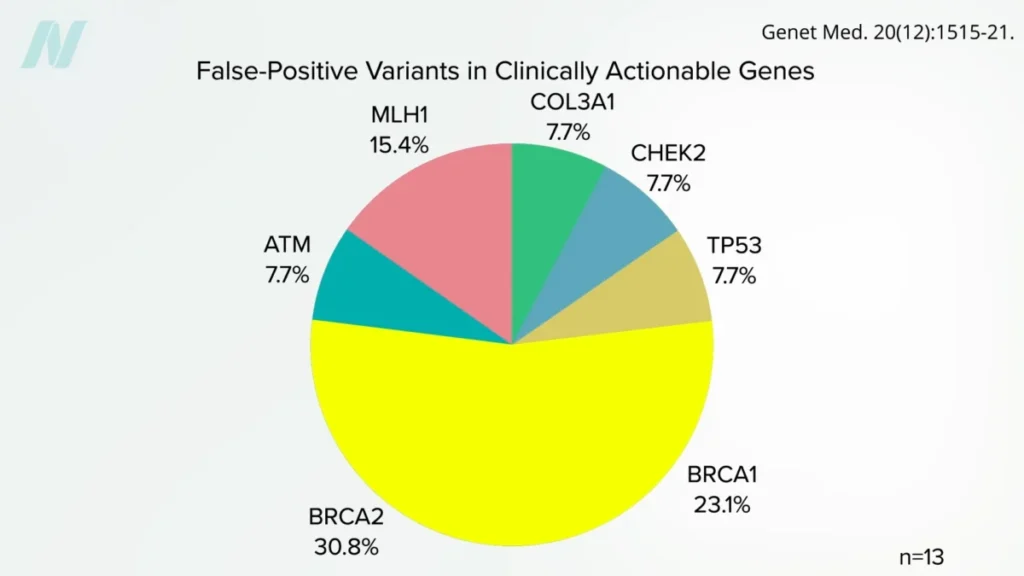
Research has begun to expose significant flaws in the accuracy of direct-to-consumer genetic testing, particularly regarding disease risk. When researchers put these tests "to the test," they uncovered an "alarmingly high false-positive rate." In some cases, test results incorrectly indicated that individuals carried a high-risk gene a staggering 40% of the time. This means nearly half of those receiving a "high-risk" notification might be receiving inaccurate information.
Beyond outright false positives, another troubling issue is the misclassification of genetic variants. Even when a test correctly identifies a particular variant, it may erroneously classify it as "high risk" when, in actuality, its clinical significance is negligible or non-existent. This phenomenon raises serious questions about the ethical implications of these companies’ practices. There is a clear financial incentive for companies to deliver "scary outlier results" – such findings validate the customer’s expenditure and can even prompt further, unnecessary testing.
The BRCA Gene Example: A Case Study in Misinformation
The implications of such inaccuracies are not trivial; they can have profound and devastating consequences for individuals. A prime example is the BRCA breast cancer gene, famously brought to public attention by Angelina Jolie. False-positive results or misclassified variants for BRCA can induce immense psychological stress, anxiety, and even lead to unnecessary and irreversible medical procedures. Imagine undergoing a preventive double mastectomy, a life-altering surgery, based on a false belief of high risk when, in fact, the BRCA mutation was never present. This scenario highlights the urgent need for stringent regulatory oversight and comprehensive validation processes for all DTC genetic tests. The current landscape often leaves consumers vulnerable to misinformation with potentially catastrophic personal costs.
Beyond Accuracy: Limited Predictive Power
Even when genetic tests are accurate in identifying specific variants, their overall predictive ability for complex diseases often remains limited. While genome-wide association studies (GWAS) have indeed "identified thousands of common genetic variants that affect the risk of complex diseases," as discussed in the context of personalized nutrition, these discoveries haven’t significantly revolutionized our capacity for prediction. Experts note that "the discovered gene variants do not markedly expand our predictive ability compared with what can be achieved by using only information from long-known traditional risk factors." This suggests that a person’s genetic profile often provides only a small piece of a much larger, more complex health puzzle, with lifestyle and environmental factors frequently holding far greater sway.
Type 2 Diabetes: Lifestyle Trumps Genes
Consider type 2 diabetes, a pervasive global health challenge. Researchers have "identified about 50 genes that are linked to increased diabetes risk." However, when "considered collectively," these genetic predispositions pale in comparison to the impact of lifestyle choices. Strikingly, "obese persons with the lowest genetic risk for diabetes were nearly 5 times more likely to develop the disease than normal-weight persons with the highest genetic risk."
This powerful finding underscores a critical point: focusing solely on genetic risk can be dangerously misleading. It could instill a false sense of security in an obese individual with a seemingly "low genetic risk," potentially deterring them from making necessary lifestyle changes. Conversely, someone with a "high genetic risk" but a healthy weight might become overly anxious. The current scientific consensus is clear: knowledge about type 2 diabetes genetic susceptibility "has no implications for decisions about who should be targeted for intensive lifestyle interventions." The universal truth remains: "Everyone with excessive body fat, regardless of genetics, needs to slim down to reduce the risk of diabetes." This principle applies broadly across many chronic diseases, where established risk factors like diet, exercise, and weight profoundly overshadow individual genetic quirks.
The Myth of Motivation: Genetic Insights and Behavioral Change
A core argument often made in favor of personalized genetic testing is its potential to motivate individuals to adopt healthier behaviors. The idea is that armed with specific knowledge of their genetic predispositions, people will be more inclined to make proactive changes. However, evidence consistently fails to support this claim.
Personalized Nutrition: A Closer Look
One "famous study" once "purported to show that personally tailored dietary interventions could improve blood sugar responses," leading some commentators to suggest it "raised questions about the usefulness of universal dietary recommendations." This narrative fueled the belief that a "one-size-fits-all" approach to diet was outdated and ineffective, and that only genetically personalized advice could truly work.
However, a closer reading of the study reveals a different story. The results "do not show high interpersonal variation in relative blood sugar responses"; meaning, people’s responses to foods weren’t as uniquely individual as suggested. Furthermore, the model used "do not show the model is superior to current methods of detecting high blood sugars"; nor "do not show that personalized nutrition advice is better than standard dietary advice to manage high blood sugar responses after meals." In essence, the study’s grand claims about the superiority of personalized nutrition advice were largely unsubstantiated, highlighting the potential for misinterpretation and overstatement in this field.
The Disconnect: Genetic Risk vs. Action
The hope that "knowledge of individual genetic risk profile has been touted as effective in motivating test-positive individuals to commit more strenuously to relevant disease prevention efforts" has largely proven to be a "forlorn bid to regain credibility." Available evidence consistently "doesn’t support that claim." Studies designed to test this hypothesis have found little to no impact on health behaviors.
For instance, researchers "randomized people to get genetic tests worth hundreds or thousands of dollars to profile their subtle differences in risk for up to 40 different diseases." One such company, Navigenics, "described its goal as empowering people with personal genetic insights to help motivate them to improve their health." Yet, the outcomes were disappointing: the intervention "didn’t work." Participants showed "no measurable changes in diet or lifestyle, even in the short-term." This suggests that merely knowing one’s genetic risks is often insufficient to overcome deeply ingrained habits or the complexities of behavior change.
Failed Interventions: Studies on Behavioral Impact
Further studies reinforce this lack of impact. "Randomizing people to personalized nutrition insights" – for example, information on who might "genetically benefit particularly well from eating more greens or eating to lower their cholesterol" – similarly yielded no significant behavioral shifts. After six months, there were "no significant changes in diet… compared to those who didn’t get that personalized info," and even at three months, no differences were observed. Consequently, it was "no surprise there were no differences in weight, belly fat, cholesterol, or any of the other biomarkers."

"Put all the studies together," and a clear pattern emerges: "There are no significant benefits to telling smokers who are at particular risk for lung cancer, or who need to eat especially healthy, or who should be more physically active." The "bottom line: Expecting that being aware of DNA-based risk estimates will change behavior is not supported by existing evidence." This directly contradicts the rationale behind major initiatives, such as the "big presidential push for precision medicine in 2015," which explicitly aimed "to empower individuals to take a more active role in their own health."
Official Responses and the "Precision Medicine" Push
The official embrace of "precision medicine" by governments and major health institutions, such as the 2015 U.S. Precision Medicine Initiative, presented a grand vision of a future where healthcare is truly individualized. The rhetoric centered on tailoring treatments and preventative strategies based on a person’s unique genetic, environmental, and lifestyle factors. This initiative promised a revolution, a departure from the "one-size-fits-all" approach, and a pathway to better health outcomes for all.
The 2015 Presidential Initiative: Hopes and Hypotheses
The stated goal of the 2015 initiative was noble: to empower individuals. The implicit hypothesis was that greater knowledge would lead to greater personal responsibility and more effective health management. However, as the preceding evidence demonstrates, the practical application of genetic information in motivating behavioral change has fallen short of these lofty expectations. The significant public and political capital invested in this vision now faces a reality check, as the tangible benefits for individual behavior and population health remain largely elusive.
The "Empowerment" Narrative: A Marketing Strategy?
It "is not surprising that the theme of personal empowerment is invoked." It’s a powerful and attractive narrative, "great for marketing," appealing to individual autonomy and control over one’s health. However, critics argue that this rhetoric, while superficially appealing, "is not particularly empowering." In fact, it can have the opposite effect: "if anything, it leaves patients even more reliant on authority." Moreover, the notion of it being "very personal" is also questioned, given that "the genetic contributions we know of are so small compared to how we actually live our lives."
So, why is "patient empowerment" emphasized as a "cardinal virtue" in the promotion of precision medicine? The answer, according to some analyses, is that "it exploits the appeal…to generate political and public support" for an "increasingly industrialized medical-industrial and scientific complex, which moves trillions of dollars around the globe." This perspective suggests that the language of empowerment serves as a strategic tool to garner acceptance and funding for an industry that benefits immensely from complex, high-tech solutions.
The Broader Implications: Vested Interests and Healthcare Economics
The critique of precision medicine and consumer genetics extends beyond scientific efficacy to encompass the broader economic and systemic implications of prioritizing high-tech, individualized solutions over fundamental public health strategies.
The Medical-Industrial Complex: A Trillion-Dollar Enterprise
This isn’t necessarily a "grand conspiracy theory"; rather, "it’s just the way the system works." The "medical-industrial and scientific complex" refers to the vast network of pharmaceutical companies, biotechnology firms, medical device manufacturers, research institutions, and healthcare providers that collectively form a powerful economic and political force. This complex thrives on innovation, research, and the development of new treatments and diagnostic tools, often with substantial profit margins. When precision medicine promises new diagnostic tests, targeted therapies, and advanced genetic screening, it opens up new avenues for investment and revenue generation within this complex.
Threat to "Healthy Living": Corporate Conflicts of Interest
The pursuit of high-tech solutions can inadvertently "threaten many powerful corporations." Simple, effective public health messages that advocate for "healthy living" – such as "Eat less sugar? Eat less meat?" – directly undermine industries built on the production and consumption of processed foods, unhealthy diets, and the subsequent treatment of lifestyle-related diseases. Healthier populations, by definition, "only reduce the demand for doctors and drugs." This creates an inherent conflict of interest, where the promotion of fundamental, low-cost preventative measures clashes with the economic models of industries that profit from illness and complex interventions.
Healthcare Spending: Misguided Priorities
The United States stands as a stark example of this imbalance. "Seemingly willfully blind to this evidence, the United States continues to spend its health dollars overwhelmingly on clinical care," essentially "cleaning up our lifestyle-induced messes." This focus on treatment rather than prevention leads to a paradoxical situation where the U.S. "far outspend other countries while at the same time having worse outcomes."
About a decade ago, as "major new taxpayer gifts were being promised to high-tech medicine," the U.S. had already "sunk to the bottom among comparable countries with respect to disease experience and life expectancy." This indicates a systemic misallocation of resources, where the allure of advanced technology overshadows proven, cost-effective public health interventions.
The U.S. Paradox: Advanced Tech, Poor Outcomes
The narrative concludes that "overrated ‘precision medicine’ promises may be serving vested interests," and are "justifying the exorbitant healthcare expenditure in our finance-based medicine." While "in lots of ways, the U.S. health care system is the most advanced in the world," with its "whiz-bang technology," it "just cannot fix what ails us." The fundamental issues plaguing American health are often rooted in lifestyle, diet, and systemic inequities, not in a lack of sophisticated diagnostic tools or personalized therapies.
Conclusion: Back to Basics
The journey into the human genome has been a monumental scientific achievement, holding immense potential for understanding biology and disease. However, the current application of "precision medicine" and direct-to-consumer genetic testing often falls short of its grand promises, proving to be more about marketing and vested interests than genuine health improvement for the average individual. The evidence suggests that these technologies are frequently inaccurate, lack significant predictive power, and, critically, fail to motivate the very behavioral changes they claim to inspire.
Instead of chasing elusive genetic predispositions and expensive, unproven personalized interventions, the most effective path to health remains remarkably simple and universal. "Let’s start with the basics. Eat your broccoli, take the stairs," and engage in other foundational healthy behaviors. The precise percentage of one’s lifetime risk for a grave disease, whether "5.6 percent or 7.7 percent," becomes largely irrelevant when "either way, a sensible lifestyle is the healthiest choice."
For individuals navigating the complex landscape of health information, a healthy skepticism toward hyperbolic claims of personalized medicine is warranted. While genetic research will undoubtedly continue to advance, for now, the most powerful tools for preventing chronic disease and promoting longevity lie not in a test tube or a complex algorithm, but in the choices we make every day regarding our diet, physical activity, and overall lifestyle. Prioritizing these proven, fundamental strategies represents a more impactful and equitable approach to public health than an overreliance on expensive, often unvalidated, high-tech solutions.
Doctor’s Note / Further Reading
For a deeper dive into the utility of personalized nutrition, consider watching the video: Friday Favorites: How Useful Is Personalized Nutrition?