The Unseen Revolution: How Public Health Triumphed Against Trans Fats
The landscape of public health is littered with the remnants of battles fought and lost against powerful industrial interests. From tobacco to sugary drinks, attempts to regulate industries whose products contribute to widespread health crises often face formidable opposition, frequently resulting in stalled legislation or diluted policies. Yet, amidst these challenges, a significant victory stands out: the global and eventual national ban on artificial trans fats. How did the public health community achieve this triumph when past attempts to rein in the food industry often faltered? The answer lies in a nuanced understanding of regulatory approaches, strategic advocacy, and an unexpected turn of events that ultimately disarmed powerful corporate resistance.
The dilemma facing public health advocates often boils down to three broad strategies for mitigating the harm caused by risky choices: informing people, nudging them towards better options, or directly intervening to make the harmful activity less dangerous or even impossible. Consider the realm of car safety: which approach do you believe has prevented more fatalities? Was it mandating driver education, labeling cars about crash risk, or fundamentally altering the product by requiring the installation of airbags?
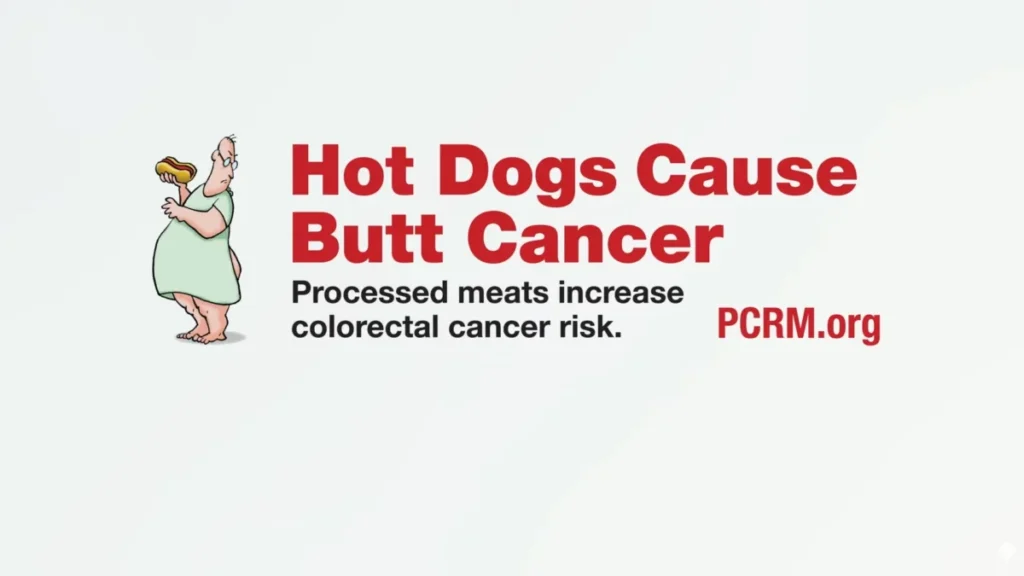
In the context of nutrition, public education campaigns are commonplace. We see "sugar pack" ads on public transit, vividly illustrating the excessive sugar content in soft drinks, aiming to inform consumers. Billboards boldly declare links between processed meats and colorectal cancer, seeking to educate the public about dietary risks. While these informational campaigns are crucial for raising awareness, their effectiveness in driving widespread behavioral change has often been limited, particularly when pitted against deeply ingrained habits and aggressive marketing. The question then becomes, is there a more fundamental way to safeguard public health—by making products inherently safer from the outset? The saga of trans fats provides a compelling answer.
A Decade of Delay: The Global and National Chronology of Trans Fat Regulation
The journey to ban trans fats was neither swift nor universally adopted. It began with compelling scientific evidence, yet its implementation varied dramatically across nations, highlighting the complex interplay of science, policy, and industry influence.
Early Warnings and Danish Decisiveness
The alarm bells first rang prominently in 1993. The seminal Harvard Nurses’ Study delivered a stark warning, revealing that a high intake of trans fat could elevate the risk of heart disease by as much as 50%. This groundbreaking research provided the scientific impetus needed to initiate regulatory discussions.
Denmark, a nation often at the forefront of progressive public health policies, heeded this warning with remarkable alacrity. Within a decade of the Harvard study’s publication, in 2003, Denmark implemented a comprehensive ban on added trans fats. Their approach was direct and unequivocal: rather than merely educating consumers about the dangers, they chose to eliminate the primary source of the problem from the food supply. As a leading Danish cardiologist succinctly put it, "Instead of warning consumers about trans fats and telling them what they are, we’ve [the Danes] simply removed them." This decisive action not only protected public health but also established Denmark as a global benchmark for proactive food safety regulation.
The American Struggle Begins: From Consideration to Crisis
In stark contrast to Denmark’s rapid response, the United States embarked on a painfully slow path toward addressing the trans fat crisis. It took another ten years—a full two decades after the initial scientific findings—before the U.S. even began to seriously consider a national ban. This prolonged inaction came at a devastating cost. During these intervening years, trans fats were estimated to be responsible for the deaths of tens of thousands of Americans annually, leading to a profound loss of healthy life years, comparable to the burden imposed by diseases like meningitis, cervical cancer, and multiple sclerosis.
The sheer scale of suffering and mortality begs a critical question: why did it take so long for the United States, a global leader in scientific research and public health, to even suggest taking action against such a clear and present danger? The answer lies in the formidable power of vested corporate interests and the fierce political battles that inevitably ensue when regulation threatens industry profits.
The Battleground: Industry Resistance and the "Nanny State" Narrative
The fight over trans fats was not merely a scientific debate; it was a socio-political struggle, often characterized by impassioned rhetoric and well-funded lobbying efforts from the food industry.
New York City: A Microcosm of the National Fight
The battle for public health in New York City often serves as a microcosm for national debates, and the trans fat ban was no exception. When the city proposed its ban, opposition from the food industry was immediate and vehement. Industry spokespeople decried the move as "government intrusion," casting the city’s efforts as an overreach by a "nanny state" attempting to dictate personal choices.
The arguments against the ban were multifaceted. Since some trans fats naturally occur in meat and dairy products, the livestock industry quickly aligned itself with other food manufacturers, echoing the Institute of Shortening and Edible Oils’ long-standing argument that "everything should be eaten in moderation." This narrative, which places the onus of responsibility squarely on the consumer, often serves to deflect attention from the inherent dangers of certain food ingredients. Critics went further, branding such proposals as the "rise of food fascism," conjuring images of an authoritarian state controlling every aspect of citizens’ diets.
However, public health advocates countered these claims by highlighting a crucial irony: it was the restaurant and food industry, by widely incorporating dangerous artificial trans fats into the food supply, that had effectively limited consumer choice. Consumers were often unaware of the hidden dangers in their favorite foods, making true informed choice impossible. The industry’s actions, not government regulation, were the true constraint on freedom of choice.
The "Slippery Slope" Fallacy: From Trans Fats to Broccoli
A common tactic employed by vested corporate interests to derail public health initiatives is the "slippery slope" argument. The fear-mongering narrative typically suggests that if regulators "get their wish" in banning one problematic ingredient, what’s next? "Food zealots," it was argued, would then come for other beloved, albeit unhealthy, foods. This rhetorical strategy aims to distract from the immediate and very real public health crisis at hand by conjuring absurd or extreme future scenarios.
The "slippery slope" argument found its way into even the highest echelons of American legal discourse. During a Supreme Court case concerning Obamacare, Chief Justice John Roberts mused about Congress potentially "ordering everyone to buy vegetables." This hypothetical, which Justice Ruth Bader Ginsburg famously dubbed "the broccoli horror," was swiftly dismissed. As Justice Ginsburg articulated, while Congress technically possesses the power to compel the American public to consume more plant-based foods, one cannot "offer the ‘hypothetical and unreal possibility’…of a vegetarian state as a credible reason" to invalidate a legitimate law. A legal scholar aptly summarized this judicial principle: "Judges and lawyers live on the slippery slope of analogies; they are not supposed to ski it to the bottom." This legal precedent underscored that such hyperbolic arguments, while potent in political rhetoric, lacked merit in serious policy discussions.

The Strategic Triumph: How Labeling Paved the Way for a Ban
New York City ultimately won its trans-fat fight, cementing its status as a pioneering leader in public health. This was not the city’s first rodeo; New York had, for example, banned lead paint 18 years before federal action was taken, despite decades of unequivocal evidence of its harm. The impact of the trans fat ban was profound: researchers comparing stroke and heart attack rates in different New York counties before and after the ban’s implementation estimated a significant 5% reduction in cardiovascular death rates. This success subsequently became the blueprint for the nationwide ban years later. The question remains: how was this seemingly insurmountable victory achieved?
The Inadequacy of Information Alone
The Danish approach—simply removing trans fats—stands in stark contrast to the traditional American inclination towards "inform and let choose." In North America, the prevailing sentiment often dictates: "You can put poison in food if you label it properly." The argument is that if people are aware of the risks, they should be free to make their own choices. However, this premise hinges on a critical assumption: that consumers are given all the facts, presented honestly and transparently. This is often not the case, given what one health ethics professor described as the food industry’s "model of systemic dishonesty"—a predilection for predatory deception and manipulation that undermines genuine informed consent.
Furthermore, empirical evidence often demonstrates the limitations of information-only strategies. For instance, studies have shown that merely listing calories on menus does not consistently lead people to choose healthier options. This highlights that simply providing data, even when accurate, is often insufficient to counteract powerful marketing, convenience, and ingrained dietary preferences. Given these realities, direct government intervention was deemed necessary, but the path to achieving it required strategic brilliance.
Mandatory Labeling: A Trojan Horse for Reformulation
The true "secret" to passing the trans fat ban lay in an earlier, seemingly less radical intervention: the mandatory labeling requirement. Manufacturers were compelled to begin adding trans fat content to their products’ nutrition facts labels. Ostensibly, this was intended to empower consumers with information, allowing them to make healthier choices. However, its most profound impact was not on consumers, but on producers.
Once companies were forced to divulge the truth about trans fat content, a powerful competitive dynamic emerged. No longer could they hide behind vague ingredient lists. Brands suddenly found themselves in a race to gain a "no trans fat" competitive edge. The market rewarded transparency and health-consciousness, compelling companies to scramble to reformulate their products to remove or drastically reduce artificial trans fats.
Within just a few years of this mandatory disclosure, over 5,000 new products were introduced, prominently touting their low or zero trans fat content on their labels. Even major fast-food chains, once notorious for high trans fat levels, underwent dramatic transformations. Kentucky Fried Chicken, which had previously faced lawsuits over its unhealthy fat content, famously launched an ad campaign where a mother enthusiastically tells her husband that KFC now boasts "zero grams of trans fat," prompting him to joyfully exclaim, "Yeah baby! Whoooo!!" as he indulges in fried chicken by the bucketful. This remarkable shift illustrated the power of market forces once transparency was mandated.
Weakening Opposition: The Economic Shift
This widespread industry reformulation was the crucial turning point. Once major food industry players had already invested in reformulating their products and were actively using "no trans fat" claims as a marketing advantage, the economic landscape shifted dramatically. There was simply no longer as much money at stake in fighting a ban. The significant financial incentive to oppose regulation, which had previously fueled intense lobbying and PR campaigns, diminished considerably.
With the primary economic drivers for opposition largely neutralized, the political will to block a nationwide ban waned. The arguments about "government intrusion" and "nanny states" rang hollow when many of the industry’s biggest players had already, by choice or competitive pressure, moved away from using artificial trans fats. The path was cleared, and added trans fats were finally taken off the playing field, a testament to a brilliantly executed, multi-stage regulatory strategy.
The Ripple Effect: Implications and Lingering Challenges
The victory against artificial trans fats represents a monumental achievement in public health, offering critical lessons for future food policy and regulatory efforts.
A Public Health Victory and a Model for the Future
New York City’s pioneering efforts and the subsequent national ban demonstrated the effectiveness of direct intervention when less intrusive measures prove insufficient. The data speaks for itself: a 5% reduction in cardiovascular death rates in New York counties due to the ban is a tangible and significant improvement in public health outcomes. This success story became a powerful model, inspiring and informing similar legislative actions not just across the United States but potentially globally. The initial skepticism among public health advocates, encapsulated by the cynical quip, "Fat chance," ultimately gave way to a resounding victory, proving that even the most entrenched industry practices can be overturned with strategic and persistent advocacy.
The Unfinished Battle: Naturally Occurring Trans Fats
It is crucial to note, however, that the ban on artificial trans fats did not extend to the trans fats found naturally in meat and dairy products. This distinction highlights an ongoing debate within nutritional science and public health policy. While artificial trans fats have a clear and established link to adverse health outcomes, the health implications of naturally occurring trans fats, often present in smaller quantities, are still subject to ongoing research and discussion. This omission from the ban underscores the complexities of food regulation, where scientific consensus, economic interests, and public perception often intersect in challenging ways. The continued presence of these fats in animal products remains a point of consideration for comprehensive dietary guidelines.
Lessons for Future Food Policy
The trans fat saga offers invaluable lessons for addressing future public health challenges related to diet and food production. It underscores:
- The Effectiveness of Direct Intervention: When a food ingredient poses a clear and unequivocal threat to public health, direct intervention (a ban) can be more effective than relying solely on education or "nudges."
- The Power of Strategic Regulatory Steps: Mandatory labeling, initially seen as an informational tool, proved to be a powerful, indirect mechanism for forcing industry reformulation. This "Trojan horse" strategy effectively weakened industry opposition before the final, more direct intervention.
- Anticipating and Countering Industry Resistance: The predictable "nanny state" and "slippery slope" arguments must be anticipated and robustly countered with scientific evidence and ethical justifications for intervention.
- The Broader Challenge of Ultra-Processed Foods: The success with trans fats provides a blueprint for tackling other dietary threats. As society grapples with the pervasive issue of ultra-processed junk food, understanding how to strategically approach regulation, encourage industry reform, and ultimately protect public health will be paramount.
The trans fat ban stands as a testament to the power of persistent advocacy, sound science, and a shrewd understanding of economic and political dynamics. It reminds us that while informing and nudging consumers are important, sometimes, the most effective way to safeguard health is to simply remove the poison from the plate.