The Unseen Threat: How Ultra-Processed Foods Reshape Our Health and Society
Main Facts
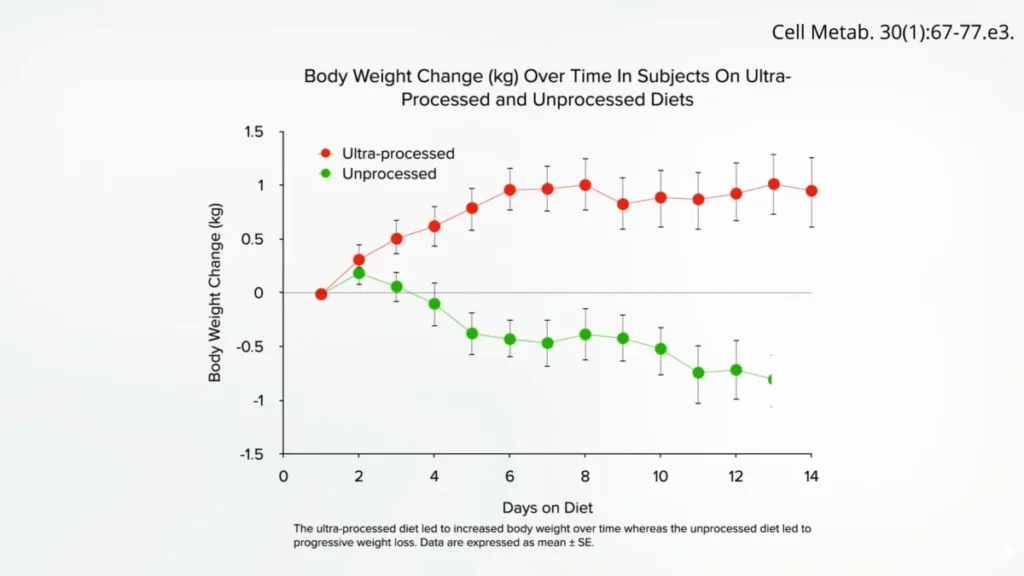
A groundbreaking randomized controlled trial (RCT) has shed critical new light on the insidious impact of ultra-processed foods (UPFs), revealing that these industrially formulated products drive overconsumption and weight gain, even when matched for calories, sugar, fat, and fiber content. This pivotal study challenges the prevailing notion that merely tweaking the nutrient profile of processed foods can mitigate their harm, underscoring instead that the very nature of ultra-processing itself is a significant determinant of health outcomes. Participants on an ultra-processed diet consumed approximately 500 additional calories per day and gained an average of two pounds over a two-week period, while those on an unprocessed diet lost a similar amount of weight. This stark finding confirms what many health experts have long suspected: ultra-processed foods are engineered to be hyper-palatable and difficult to resist, contributing significantly to the global obesity epidemic and a cascade of chronic diseases.
Chronology
The Evolution of a Dietary Concept: From "Junk Food" to Ultra-Processed
For decades, the term "junk food" served as a colloquial descriptor for less healthy fare like candy, chips, and ice cream in the United States. However, this informal definition lacked the scientific rigor necessary for consistent research and public health messaging. Recognizing this ambiguity, nutrition researchers introduced the concept of "ultra-processed food" (UPF), a more precise classification that has since become a cornerstone of dietary science. This distinction, often formalized by systems like the NOVA classification, moved beyond individual nutrients to focus on the nature of food processing itself.
Defining the Threat: The Essence of Ultra-Processing
The term "ultra-processed food" describes industrial formulations crafted from ingredients not typically found in a home kitchen. Beyond common staples like salt, sugar, and fat, these products boast extensive lists of additives—including various flavors, sweeteners, colors, emulsifiers, and other technological aids. Their primary purpose is often to imitate real foods, enhance palatability, or mask undesirable qualities of the final product. This category encompasses a vast array of common items: sodas, packaged snacks, most breads and breakfast cereals, ready-to-heat meals, chicken nuggets, fish sticks, sausages, burgers, and hot dogs. For many, this aligns with the concept of "red light foods" in a "traffic light" dietary system, signifying items to be minimized or avoided entirely.
A Dramatic Rise: The Era of Processed Dominance
The late 20th and early 21st centuries have witnessed a dramatic rise in the consumption and availability of ultra-processed foods. This surge is intrinsically linked to shifts in modern lifestyles, an increased demand for convenience, and aggressive marketing strategies by the food industry. In the United States, the food supply is now overwhelmingly dominated by UPFs. Assessments of over 200,000 food products have revealed that a staggering 71% are classified as ultra-processed. This pervasive presence extends beyond grocery store aisles, infiltrating gas stations, convenience stores, workplaces, and even non-food retailers, where they serve as ubiquitous cues to consume calorie-dense, nutrient-poor products. As one former Coca-Cola executive famously articulated, the goal is to keep such products within "an arm’s reach of desire," a strategy echoed by major candy brands that boast of placing their products "everywhere."
Global Reach and Escalating Consumption
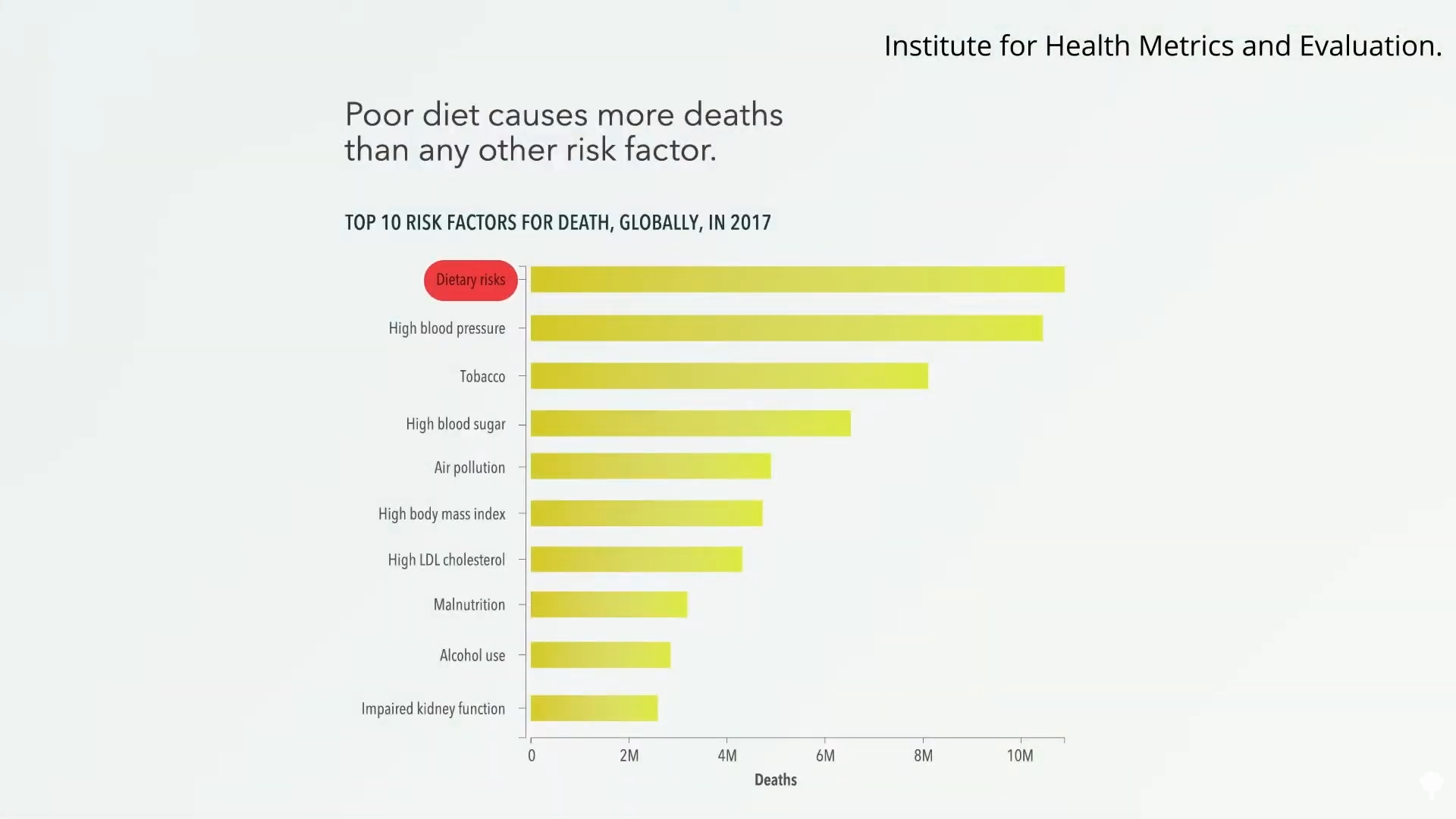
The phenomenon of ultra-processed food consumption is not confined to the United States. Across higher-income countries worldwide, UPFs consistently account for more than 50% of daily dietary caloric intake. This dietary shift has profound implications, especially for younger generations. In the U.S., an unbelievable 56% to 70% of the calories consumed by children and adolescents daily are classified as ultra-processed. This alarming trend underlies the grim reality that unhealthy diets have become humanity’s greatest killer, recognized as the leading risk factor for death globally.
Supporting Data
Unmasking the Health Toll: A Cascade of Adverse Outcomes
The biological effects of ultra-processed foods have been extensively studied, revealing a wide array of detrimental health consequences. Animal models, such as studies on rats, have demonstrated that diets rich in modern processed foods lead to dramatic weight gain, systemic inflammation, and significant cognitive and metabolic abnormalities. This preclinical evidence mirrors the human experience, where a robust body of observational research has consistently linked UPF consumption to adverse health outcomes.
The scope of these health issues is extensive, extending far beyond mere obesity. Studies have associated ultra-processed food intake with an increased risk of cancer, cardiovascular diseases, type 2 diabetes, irritable bowel syndrome, depression, frailty, and all-cause mortality, signifying a shortened lifespan. In younger populations, the concerns deepen, with studies adding asthma to the list and reporting higher levels of DNA damage. Crucially, not a single study to date has reported a link between ultra-processed foods and beneficial health outcomes. This overwhelming consensus from approximately nine out of ten studies underscores the consistent and pervasive harm associated with these products.
The Binge Eating Connection: Engineered for Overconsumption
The rise of ultra-processed foods has coincided with the recognition and dramatic increase of binge eating as a distinct eating disorder, now the most common form of eating disorder. Research has found that so-called "binge foods" are virtually 100% ultra-processed. This is no mere coincidence; these foods are meticulously engineered by food scientists to be hyper-palatable, highly rewarding, and to override natural satiety signals. Their carefully crafted textures, flavors, and combinations of sugar, fat, and salt create a powerful sensory experience designed to encourage continuous consumption, making it incredibly difficult for individuals to "have just one." As researchers frequently note, "People don’t tend to binge on broccoli."
The Counterpoint: The Power of Minimally Processed Diets
In stark contrast to the deleterious effects of UPFs, populations that adhere to diets rich in minimally processed foods, characterized by low meat consumption and high fiber intake, exhibit significantly fewer chronic diseases. These communities enjoy lower obesity rates and tend to live longer, disease-free lives. While many of these findings were initially based on observational studies, they laid the groundwork for the necessity of interventional research to definitively establish causation.
The Pivotal Randomized Controlled Trial: A Definitive Answer
The absence of robust interventional data created a critical gap in understanding whether ultra-processed foods themselves were to blame, or if their negative associations were simply due to their typically unbalanced nutrient profiles (high in sugar, fat, salt; low in fiber). This uncertainty was precisely what the first randomized controlled trial on ultra-processed foods aimed to address.
In this landmark study, 20 participants were carefully housed in a hospital ward, allowing for precise control over their dietary intake. They consumed an ultra-processed diet for 14 days and then switched to an unprocessed diet for another 14 days. The groundbreaking aspect of this trial was its meticulous design: both diets were engineered to provide the exact same amount of calories, sugar, fiber, fat, and macronutrients (carbohydrates and protein). This design was a direct response to the food industry’s argument that merely reformulating products—by adding fiber or reducing sugar, fat, or salt—could make ultra-processed foods healthier.
Participants on the ultra-processed diet might receive breakfasts like Cheerios and muffins, or egg and cheese muffins with turkey bacon and orange juice. Lunches could include turkey sandwiches with nonfat Greek yogurt, canned peaches, baked potato chips, and sugar-free Crystal Light Lemonade. In contrast, the less-processed weeks featured breakfasts such as oatmeal with blueberries and almonds, and lunches like a Southwest entrée salad with black beans, carrots, corn, avocados, and nuts, accompanied by grapes and apples. Despite the identical nutritional content offered, participants were instructed to eat as much or as little as they desired. The results were unequivocal: on the ultra-processed diet, individuals consumed approximately 500 more calories per day and gained about two pounds. Conversely, they actively lost two pounds on the less-processed diet. This study powerfully demonstrated that the processing itself, not just the nutrient composition, drives overconsumption and weight gain.
Official Responses
Industry’s Stance: Reformulation vs. Fundamental Change
The food industry has largely responded to growing concerns about ultra-processed foods by proposing reformulation strategies. This approach, often termed the "unobtrusive strategy," aims for "nutritional improvement without dietary change." Manufacturers suggest tweaking their products by, for instance, adding fiber or reducing sugar, fat, or salt, while keeping the core products ultra-processed. However, the randomized controlled trial decisively demonstrated the inadequacy of this strategy. The study proved that the problem extends beyond the unbalanced nutrient profile of UPFs; the inherent ultra-processing itself promotes overeating and weight gain. This suggests that simply reformulating these products would not magically render them healthy, advocating instead for a fundamental re-evaluation of their role in the diet.
Economic Imperatives: Profit Over Public Health
The pervasive presence of ultra-processed foods is deeply rooted in powerful economic incentives. These products are typically made with inexpensive, often taxpayer-subsidized, ingredients like corn syrup, allowing for enormous corporate profit margins. While the food industry generates over a trillion dollars annually, society bears the staggering cost of its products. A significant portion of healthcare expenditure is directed towards treating chronic diseases—such as diabetes and heart disease—that are exacerbated by the very foods that generate these profits. Some analysts argue that "we lose triple what the food industry makes" in terms of healthcare costs, illustrating a profound economic imbalance where private profit comes at immense public expense.
The "Unrealistic" Argument: A Campaign of Disinformation?
The food industry frequently argues that in contemporary society, it is "unrealistic" to expect people to avoid ultra-processed foods. This argument often cites societal time constraints, the perceived difficulties of food preparation, and the convenience offered by processed options. However, critics contend that this stance may be an acquiescence to, or even a continuation of, a decades-long propaganda and disinformation campaign designed to co-opt families and normalize the consumption of processed foods. The counter-argument is simple and powerful: the notion that healthy foods cannot be convenient ignores the inherent simplicity and accessibility of natural options. As one expert succinctly puts it, "Those who think healthy foods can’t be convenient have never met an apple."
Critiques and Prescriptions: A Call for Real Food
Experts like Dr. Robert Lustig have vocally criticized processed food as a "failed experiment," highlighting societal consequences such as the erosion of basic cooking knowledge. While his assertion that "one-third of American mothers today don’t even know what real food is or how to cook" has been criticized for its "mother-blaming" tone, his core prescription resonates with many health advocates: "There’s only one recourse—real food, which is low in sugar and high in fiber." This perspective underscores the urgent need to move beyond incremental adjustments and embrace a fundamental shift back to whole, unprocessed ingredients.
Implications
Redefining Dietary Guidance and Public Health Strategy
The findings from the randomized controlled trial on ultra-processed foods carry significant implications for dietary guidelines, public health policies, and individual food choices. They demonstrate unequivocally that focusing solely on nutrient content (calories, sugar, fat, fiber) within a processed food context is insufficient. Instead, the emphasis must shift towards the degree of processing as a crucial determinant of health. This necessitates a re-evaluation of how food products are categorized, marketed, and consumed.
Empowering Consumers Through Education
A critical implication is the need for enhanced public education regarding ultra-processed foods. Consumers must be empowered to understand what constitutes a UPF, why it poses a health risk beyond its nutrient profile, and how to identify and minimize its presence in their diets. This education should extend beyond simple nutritional labels, promoting a deeper understanding of food sourcing, preparation, and the benefits of whole, minimally processed options. Dr. Greger’s "traffic light system" – maximizing "green light foods" (minimally processed), minimizing "yellow light foods" (moderately processed), and avoiding "red light foods" (ultra-processed) – offers a practical framework for this.
Policy Interventions and Industry Accountability
The economic implications of ultra-processed foods are profound. The significant healthcare costs associated with diet-related chronic diseases demand a more proactive approach from policymakers. This could involve exploring regulatory measures that go beyond voluntary reformulation, such as taxation on UPFs, subsidies for whole foods, stricter marketing regulations, especially towards children, and initiatives to improve access to fresh, affordable produce in underserved communities. Holding the food industry accountable for the societal costs of their profit-driven strategies is an increasingly urgent imperative.
Cultivating Culinary Literacy and a Return to Real Food
The argument that avoiding UPFs is "unrealistic" due to modern time constraints often overlooks the simplicity and efficiency of preparing real food. It also highlights a decline in culinary literacy, particularly among younger generations. A societal shift towards valuing home cooking, basic food preparation skills, and prioritizing fresh ingredients is essential. This includes promoting school-based food education, community cooking programs, and media campaigns that celebrate and demystify the preparation of whole foods. The convenience of an apple, a banana, or a simple salad stands as a powerful counter-narrative to the manufactured convenience of ultra-processed products.
In conclusion, the scientific evidence, now bolstered by the first randomized controlled trial, presents an undeniable case against the widespread consumption of ultra-processed foods. These products are not merely unhealthy; they are designed to be overeaten, contributing significantly to obesity and a multitude of chronic diseases, even when seemingly "nutritionally balanced." The challenge before us is not just to reformulate, but to fundamentally rethink our relationship with food, moving away from industrial formulations and back towards the simplicity, purity, and inherent health benefits of real, unprocessed eating. The future of public health hinges on this critical paradigm shift.