The Urban Alchemist: How One Philadelphia Gardener is Redefining City Spaces
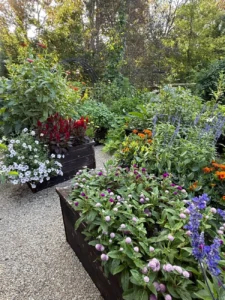
In the bustling neighborhoods of Northwest Philadelphia, where space is a premium and concrete often dominates the landscape, one urban gardener is proving that a "small lot" is merely a canvas for boundless imagination. Asha, a local gardener and visionary, has transformed the exterior of her urban twin house into a sanctuary that seamlessly blends agricultural productivity with whimsical, sculptural art. Her garden is more than a collection of flora; it is a laboratory of sustainability, a testament to the power of repurposing, and a blueprint for how urban dwellers can foster biodiversity in the heart of the city.
The Genesis of an Urban Oasis
The project began with a simple, practical goal: to provide fresh food for her family while creating an environment that would pique the curiosity of local children. What started as a modest attempt at urban farming has evolved into a PHS (Pennsylvania Horticultural Society) award-finalist garden.
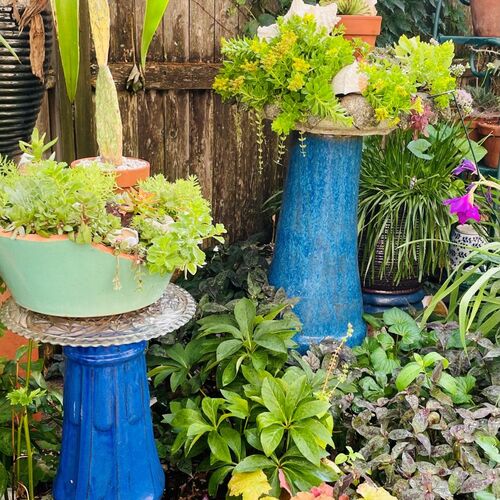
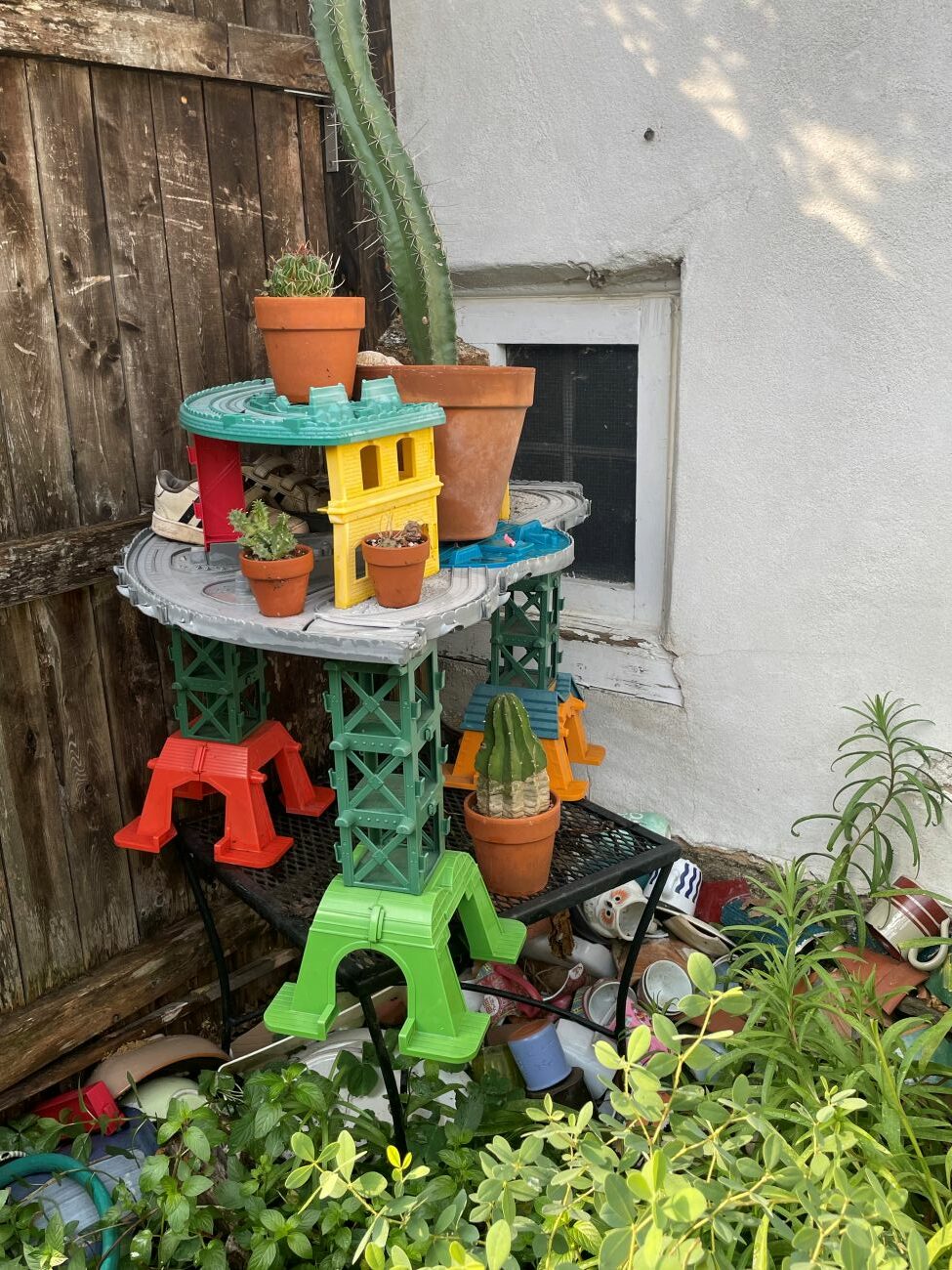
Asha’s approach is rooted in the philosophy that "toiling and toys" can coexist. By integrating children’s playthings directly into her succulent displays and container arrangements, she has created an interactive landscape that demystifies gardening for the younger generation. Her garden serves as a reminder that horticulture does not need to be a sterile, formal pursuit—it can be a vibrant, messy, and joyful extension of the home.
A Chronology of Creative Cultivation
The development of Asha’s garden did not happen overnight; it is the result of a multi-year, iterative process of experimentation.
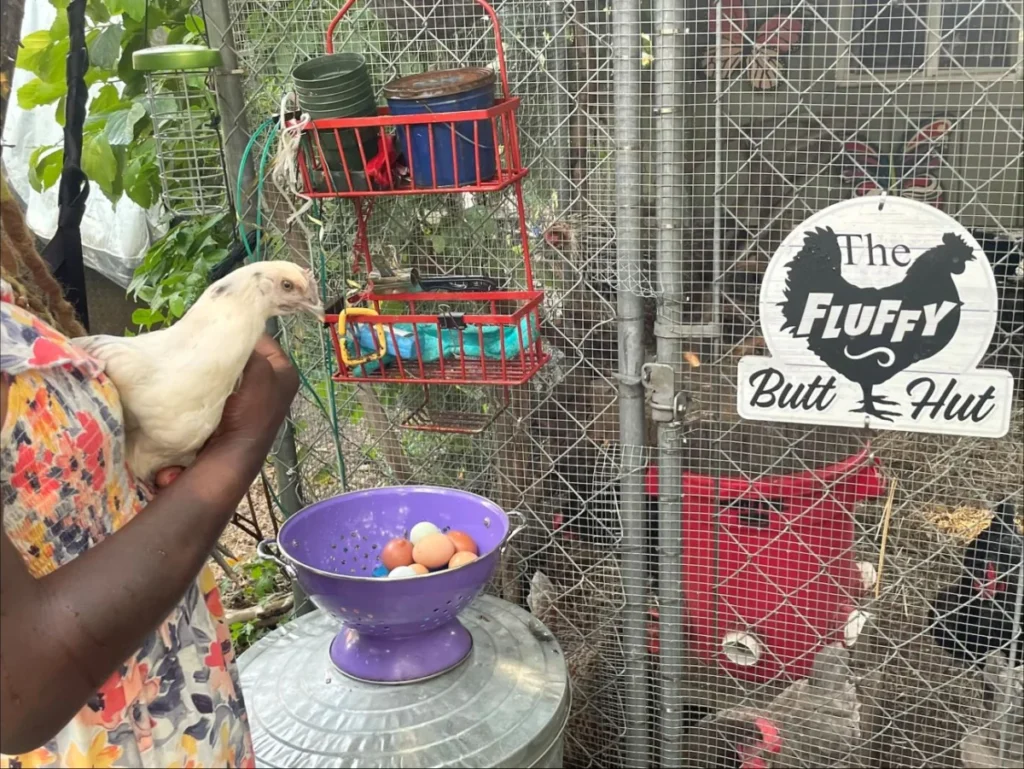
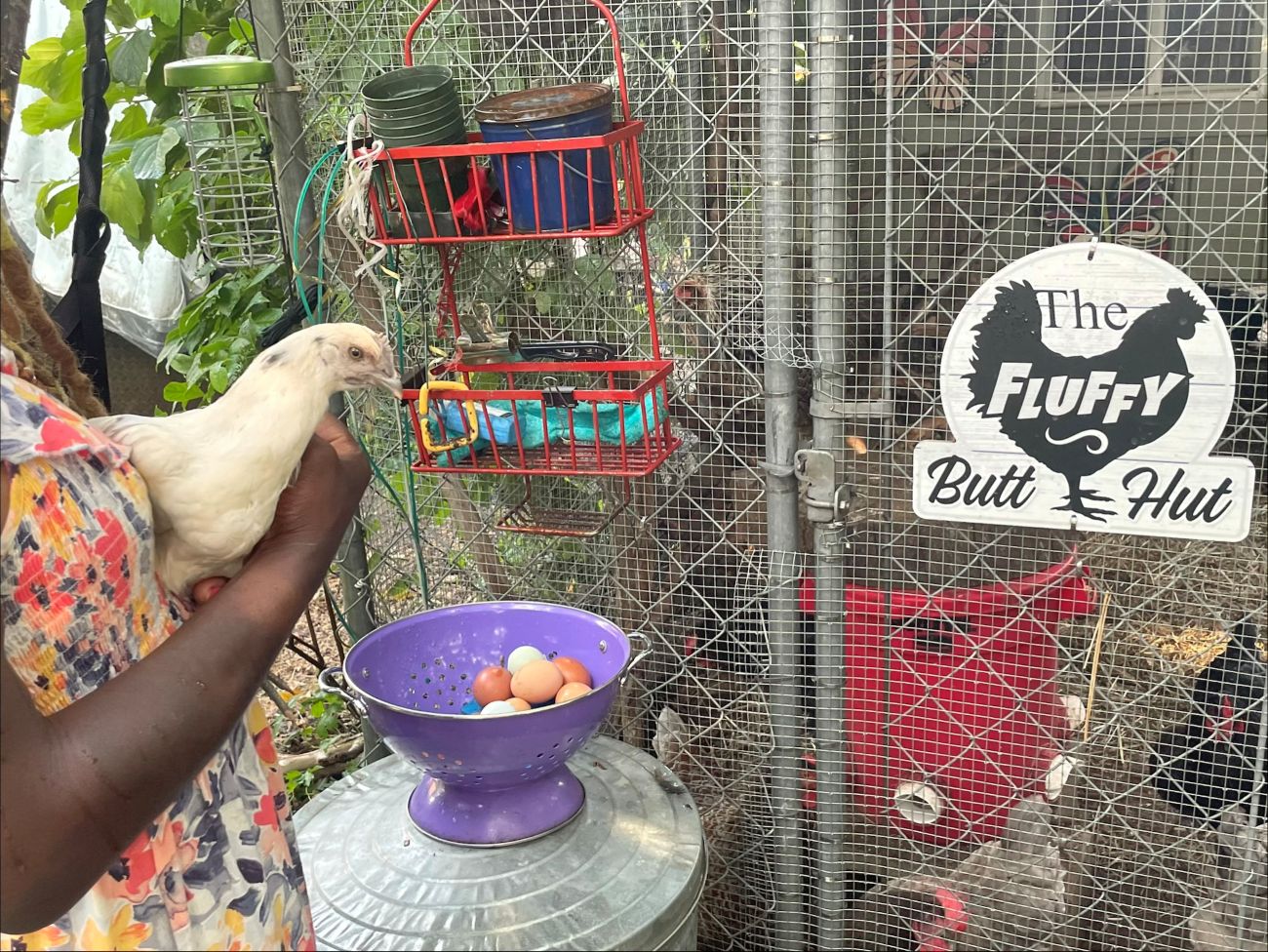
- Phase One: Foundation and Food Security. The early years focused on the essentials. Recognizing the limitations of her small lot, Asha introduced chickens to the backyard to provide a sustainable source of eggs, establishing the garden as a functional component of her household economy.
- Phase Two: The Pollinator Corridor. Understanding that a garden is only as healthy as its pollinators, she integrated a beehive into the landscape. This addition transformed the garden into a micro-ecosystem where honey production became a tangible, flavored reflection of the surrounding Philadelphia community flora.
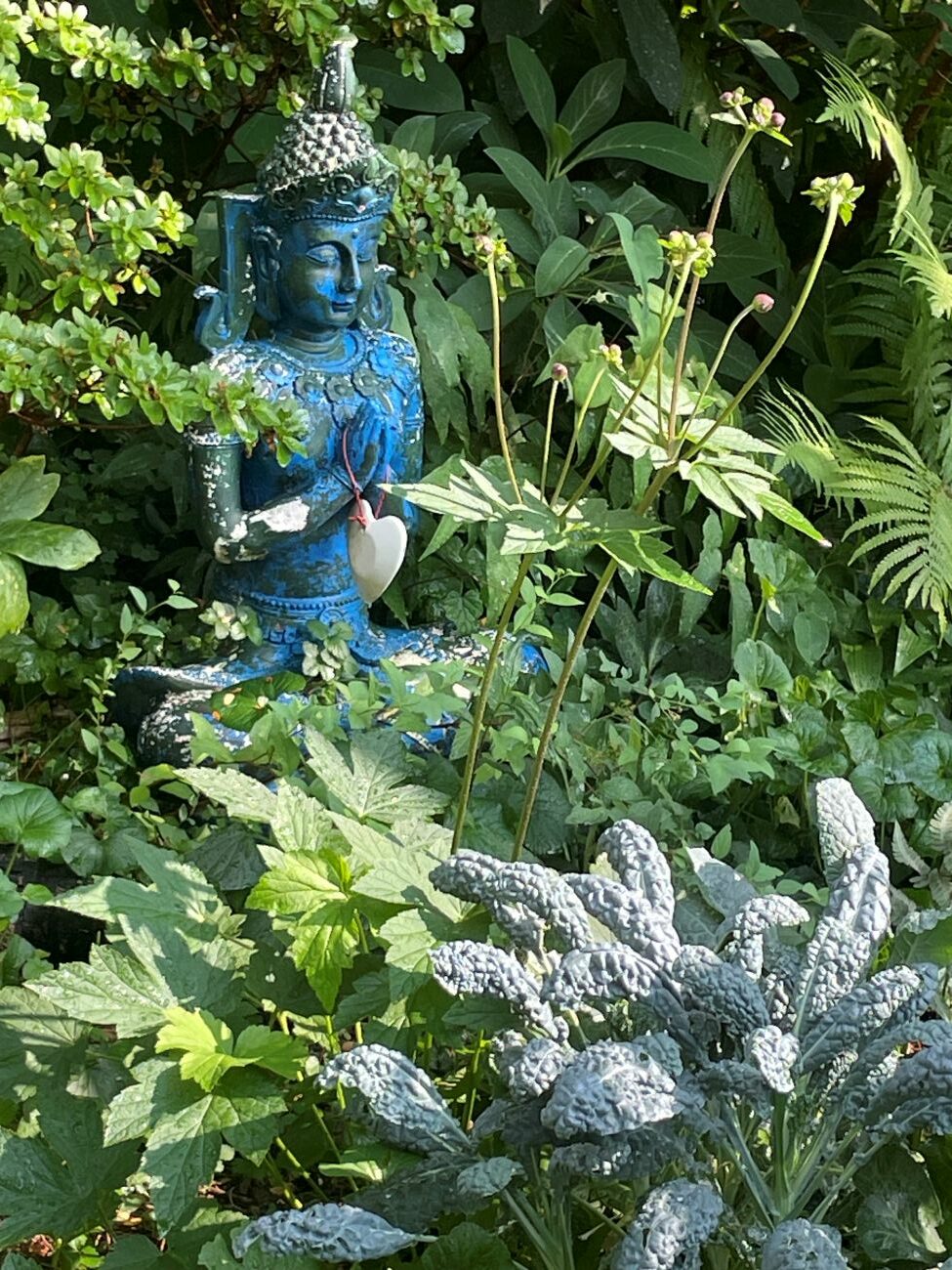
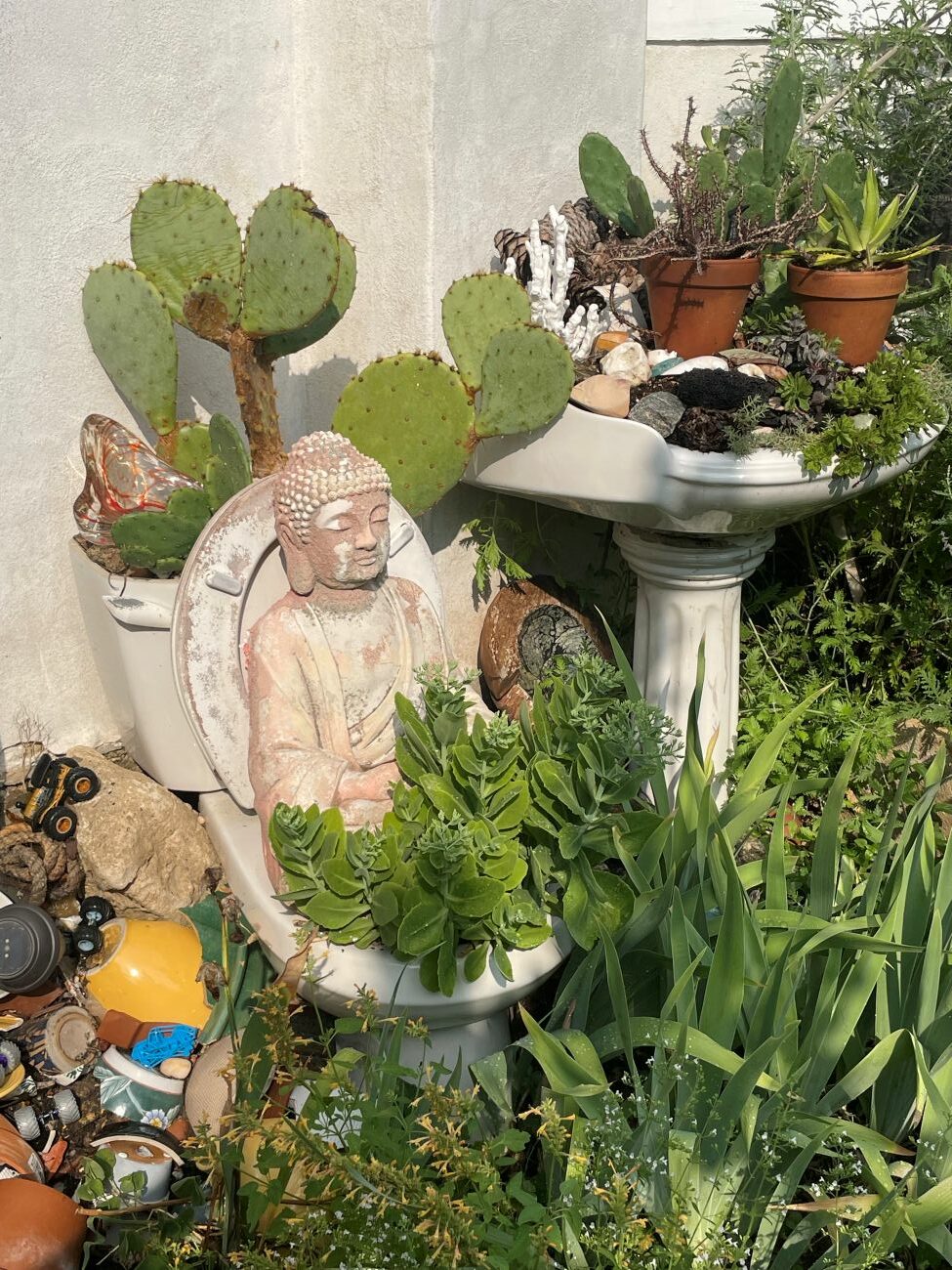
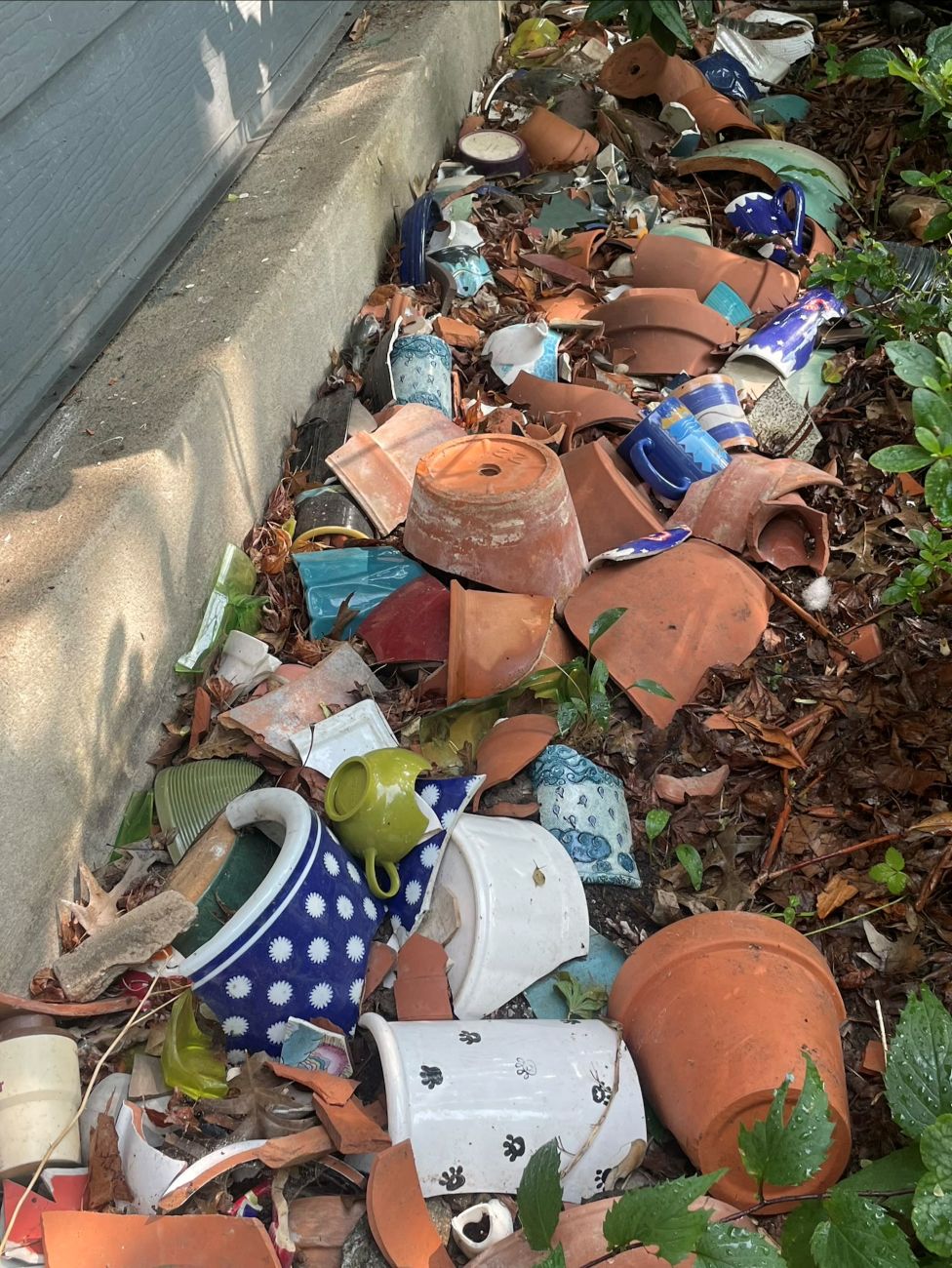
- Phase Three: Artistic Integration. Once the infrastructure for food was established, the artistic layer followed. Asha began sourcing "found objects"—broken pottery, discarded household items, and unexpected sculptures—to define the character of the space.
- Phase Four: Expansion and Community Engagement. The final, current phase involves expanding beyond her property lines. With the blessing and cooperation of her neighbors, she has extended her horticultural influence along the common driveway, introducing Peach Drift roses and Rose of Sharon hibiscus to create a cohesive green passage.
Supporting Data: The Science of the Small Lot
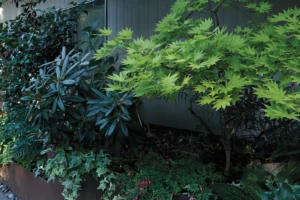
Asha’s garden relies on a sophisticated understanding of microclimates and plant selection. By working with the limitations of her urban architecture—such as the dry zones beneath her home’s eaves—she has developed creative, "playfully practical" solutions.
Plant Diversity and Ecological Impact
The garden features a rigorous selection of plants tailored to its specific zone, ensuring that the space remains vibrant throughout the seasons. Key species include:
- Ornamentals: Heuchera ‘Caramel’, Tinantia pringlei (spotted widow’s tears), and various Helleborus cultivars.
- Edibles/Structurals: Silvery kale (Brassica oleracea), Allium ‘Millenium’, and fuchsia gladiolas.
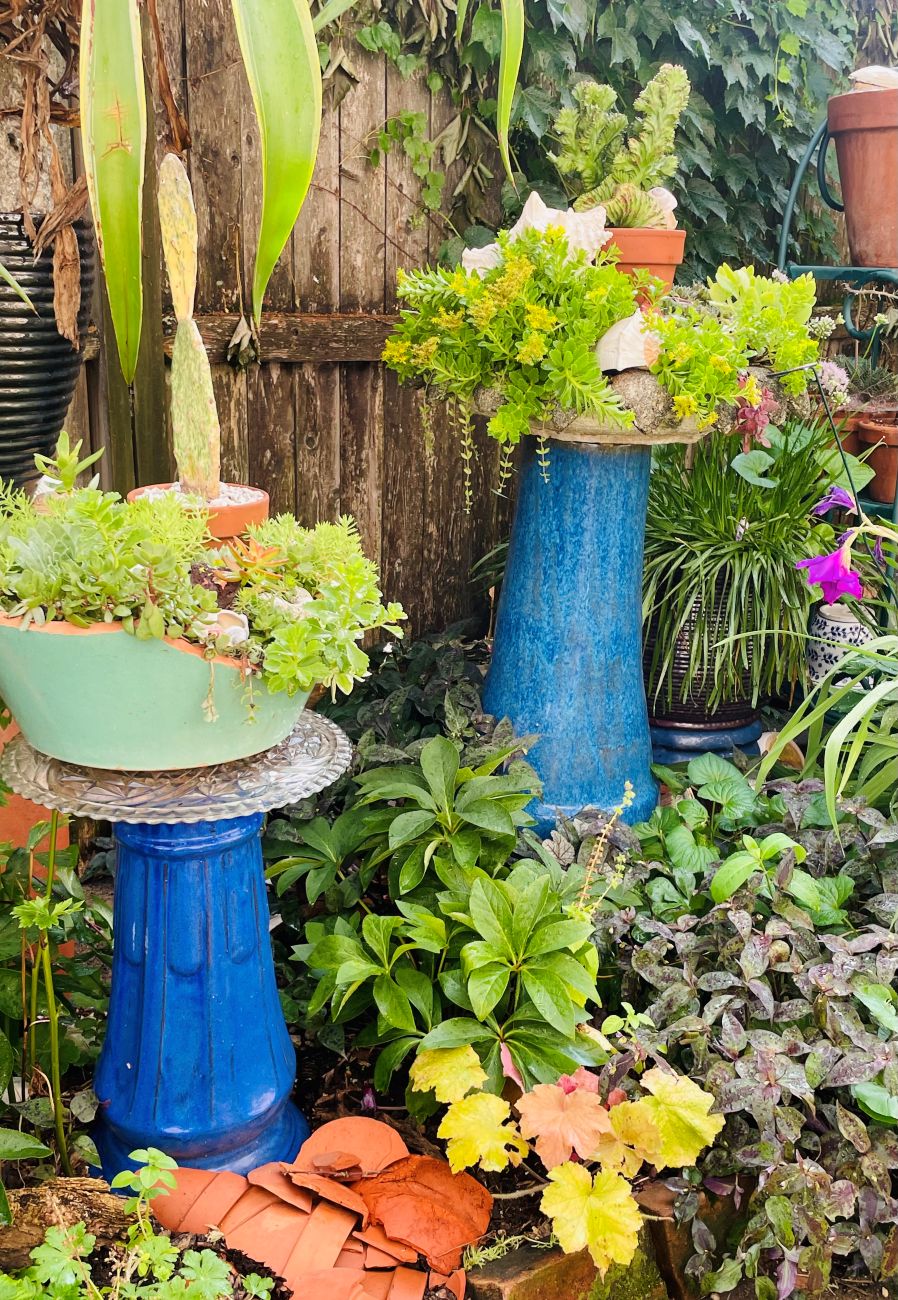
- Succulents: A diverse array of drought-tolerant species that thrive in her repurposed container setups.
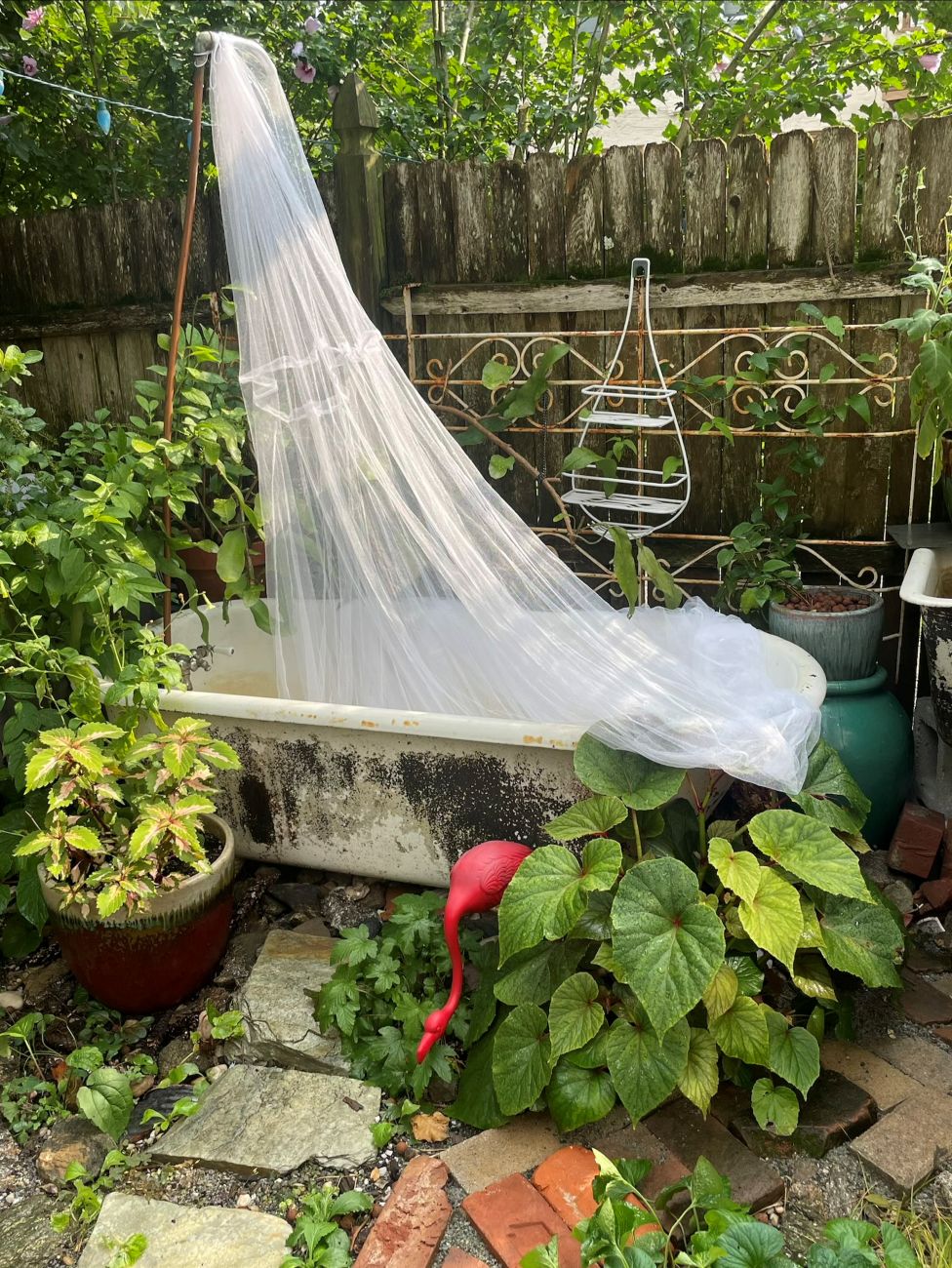
The decision to mix these species with functional elements—like the repurposed claw-foot tub that acts as a focal point—demonstrates an advanced level of garden design that maximizes aesthetic value without sacrificing utility.
Official Perspectives and Recognition
The Pennsylvania Horticultural Society’s recognition of Asha’s lot as a finalist for the best combination of edibles and ornamentals highlights a growing trend in urban planning. Horticultural experts have long advocated for the "edible landscape" movement, but Asha’s work adds a layer of "repurposed art" that sets her project apart.
According to botanical enthusiasts who have visited the site, the garden’s success lies in its accessibility. By avoiding the rigid structures often found in professional landscaping, Asha encourages visitors—and especially neighborhood children—to engage with the plants. The garden acts as a soft intervention in an otherwise hard urban environment, reducing the "heat island" effect of the neighborhood while providing a visual reprieve for passersby.
Implications for Urban Sustainability
The implications of Asha’s work extend far beyond the borders of her Northwest Philadelphia lot. In a time when urban densification is at an all-time high, her model offers several key takeaways for city planners and homeowners alike:
1. The Power of "Found" Materials
Asha’s use of broken pottery and discarded household objects challenges the consumer-driven nature of modern gardening. By repurposing items that would otherwise end up in landfills, she reduces the carbon footprint of her garden’s infrastructure. This "upcycling" methodology is highly replicable in other urban centers facing similar space and budget constraints.
2. Bridging the Gap Between Generations
One of the most significant implications of this project is the educational value. By integrating play, the garden removes the intimidation factor that often prevents people from starting their own horticultural projects. When children grow up seeing gardening as a playful, creative activity rather than a chore, they are more likely to carry that stewardship into adulthood.
3. Community-Centric Greening
The collaboration with neighbors to tend the shared driveway is a microcosm of what a "green city" could look like. It suggests that community gardening does not always require large, designated public plots. Instead, it can be achieved through small, individual acts of stewardship that are connected across property lines, creating a "corridor" of vegetation that benefits the entire neighborhood’s air quality and aesthetic appeal.
Conclusion: A Living Legacy
Asha’s garden is a testament to the idea that you do not need an acre of land to make a significant impact. Through a blend of humor, scientific curiosity, and a willingness to break traditional gardening rules, she has created a space that feeds the body, the mind, and the spirit.
For those looking to replicate her success, the lessons are clear: start with what you have, embrace the imperfections of the objects you find, and never underestimate the role of play in the garden. As she continues to evolve her space, one thing remains certain: the "urban alchemist" of Northwest Philadelphia has successfully turned a small, ordinary lot into something extraordinary.
For those inspired to document their own gardening journeys, submissions for the "Garden Photo of the Day" remain open. Sharing your successes—and even the failures you’ve learned from—is a vital part of growing the collective knowledge of the urban gardening community.
Essential Tools for the Urban Gardener
For those looking to follow in Asha’s footsteps, professional-grade maintenance is key to keeping a small space organized and healthy:
- The Nature of Oaks: A critical resource for understanding the ecology of native trees, helping gardeners choose species that offer the highest ecological return.
- ARS Telescoping Long Reach Pruner: A necessity for urbanites managing shrubs and trees in tight spaces, allowing for precision cuts without damaging nearby delicate plantings.
- Pruning Simplified: A foundational guide for managing the growth patterns of popular urban trees and shrubs, ensuring that your garden remains tidy and productive throughout the year.
Fine Gardening participates in various affiliate programs; purchases made through these links help support the continued celebration of gardens like Asha’s.