The Silent Killer and the "Win-Win" Solution: Can Potassium Chloride Revolutionize Public Health?
Main Facts
High dietary sodium intake, primarily from salt, stands as the leading dietary risk factor globally, responsible for millions of deaths annually. Its detrimental effects manifest primarily through elevated blood pressure (hypertension), significantly increasing the risk of strokes, heart attacks, and kidney damage. Hypertension, often dubbed the "silent and invisible killer" due to its lack of overt symptoms, remains a potent independent predictor of premature mortality. Compounding this crisis is the stark reality that modern diets have drastically inverted our evolutionary nutritional pattern: once rich in potassium and low in sodium, contemporary eating habits are now characterized by a severe deficiency in potassium, a nutrient of significant public health concern, with nearly 98% of the U.S. population failing to meet minimum daily recommendations. This nutritional imbalance not only fuels the hypertension epidemic but also contributes to cardiovascular disease independently.
However, a promising solution has emerged from the intersection of nutritional science and public health: the strategic substitution of sodium chloride with potassium chloride in daily diets. This "win-win" approach simultaneously reduces harmful sodium intake while boosting beneficial potassium levels. Groundbreaking randomized controlled trials (RCTs) have demonstrated that this simple swap can lead to substantial reductions in blood pressure, prevent the onset of hypertension, and, crucially, dramatically lower the risk of cardiovascular disease mortality and all-cause mortality, extending life expectancy by years. Despite compelling evidence, widespread adoption by both the food industry and the medical community remains surprisingly slow, raising questions about the barriers to implementing such a powerful, yet seemingly straightforward, public health intervention.
Chronology: A Dietary Evolution Reversed
Our physiological blueprint, honed over millennia, was shaped by a diet profoundly different from what most of us consume today. Early human diets, heavily reliant on unprocessed plant foods such as fruits, vegetables, roots, and tubers, were naturally abundant in potassium and remarkably low in sodium. This ancestral dietary pattern fostered a cardiovascular system optimized for these mineral ratios, where potassium played a crucial role in maintaining healthy blood pressure and vascular function.
The advent of agriculture and, more significantly, the industrial revolution and the subsequent rise of processed foods, marked a dramatic and detrimental reversal of this fundamental nutritional balance. Modern food processing techniques, designed for preservation, flavor enhancement, and convenience, typically involve adding copious amounts of sodium (as sodium chloride) while simultaneously stripping away the inherent potassium found in whole ingredients. This shift has created a dietary landscape where sodium is ubiquitous, even in seemingly benign items, and potassium has become a scarce commodity. The consequence is a global public health crisis, characterized by widespread hypertension and its cascade of life-threatening complications.
The scientific understanding of this imbalance and its health implications has evolved over decades. Early observations linked high salt intake to hypertension, but it was the increasing recognition of potassium’s protective role that solidified the concept of the sodium-to-potassium ratio as a critical determinant of cardiovascular health. This understanding paved the way for exploring practical interventions, moving beyond mere sodium restriction to the more holistic approach of simultaneously increasing potassium. The development of potassium chloride as a viable, taste-neutral salt substitute emerged as a logical next step in translating this scientific knowledge into a tangible public health strategy.
Supporting Data: The Irrefutable Evidence for Potassium Chloride
The scientific community has rigorously investigated the potential of potassium chloride as a dietary intervention, yielding a robust body of evidence that underscores its profound health benefits.
The Perils of Sodium and the Promise of Potassium:
Extensive research unequivocally establishes high dietary sodium as a primary driver of hypertension and related cardiovascular diseases. Meta-analyses and observational studies have linked higher sodium intake to a 20% increased risk of premature death. Conversely, higher potassium intake is associated with a 20% reduced risk of dying prematurely. While it’s tempting to attribute these associations solely to the fact that sodium is prevalent in unhealthy processed foods and potassium in healthy plant foods, randomized controlled trials (RCTs) confirm a direct cause-and-effect relationship. RCTs have consistently demonstrated that reducing sodium intake directly lowers blood pressure, and similarly, supplementing with extra potassium independently lowers blood pressure. This dual mechanism—reducing the harmful and increasing the beneficial—forms the core rationale for potassium chloride substitution.
Beyond its blood pressure-lowering effects, potassium offers a spectrum of independent cardiovascular protections. Studies indicate that adequate potassium intake can reduce clot formation, mitigate arterial stiffening (a key factor in age-related cardiovascular decline), and decrease the generation of harmful free radicals, all contributing to a reduced stroke risk even independent of blood pressure changes. This multi-faceted protective profile solidifies potassium’s status as a critical nutrient for heart health.
Potassium Chloride: A Direct Intervention with Significant Impact:
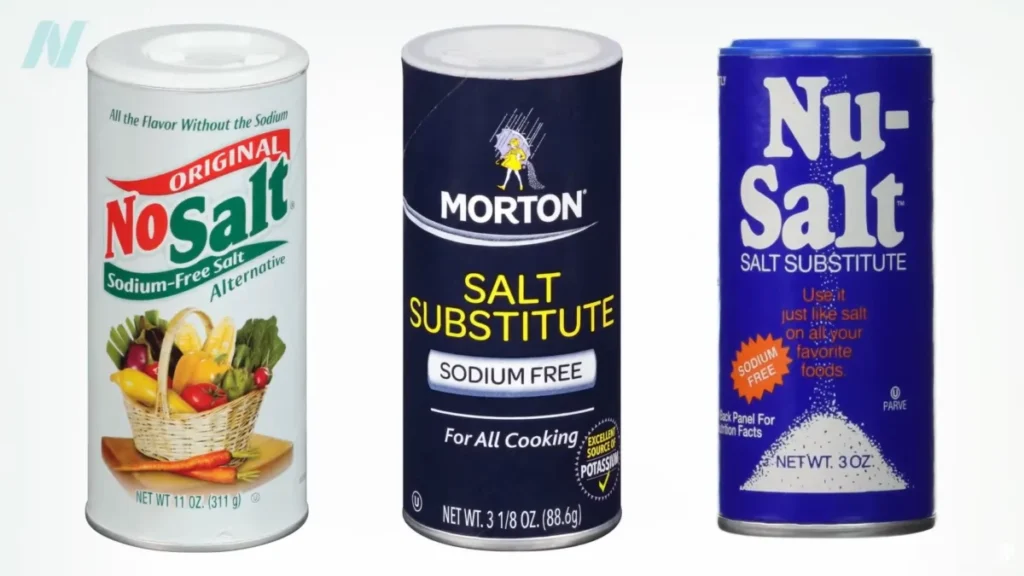
Potassium chloride, a naturally occurring mineral salt obtained much like regular sodium salt, offers a direct means to address the modern dietary imbalance. Its chemical properties allow it to mimic the taste and functional characteristics of sodium chloride, making it an ideal candidate for substitution. The "win-win" scenario it presents—simultaneously lowering sodium and raising potassium—has been put to the test in numerous clinical settings.
A comprehensive review of 10 studies, encompassing 11 randomized controlled trials, provides compelling evidence: swapping even a portion of regular salt for potassium chloride leads to significant reductions in blood pressure among individuals with hypertension. These findings strongly suggest that salt substitutes could also play a crucial role in preventing hypertension in the general population. But does this translate into concrete reductions in disease incidence and mortality? The answer, according to large-scale, long-term trials, is a resounding yes.
Preventing Hypertension: The Quarter-Salt Substitute Study:
One notable randomized controlled trial investigated the impact of a modest salt substitute. Households had their regular salt replaced with a mixture containing just one-quarter potassium chloride. Remarkably, participants either couldn’t discern a taste difference or, in some cases, even preferred the taste of the potassium-enhanced salt. More importantly, the intervention yielded dramatic health benefits: the use of this quarter-potassium salt substitute was associated with a halving of the risk of developing hypertension. This study underscores the potential for even minor, easily implementable changes to yield substantial public health gains.
Extending Life and Preventing Cardiovascular Death: The Veterans’ Home Trial:
To assess the impact on hard endpoints like cardiovascular mortality, a groundbreaking study was conducted in a veterans’ retirement home. Over two and a half years, five kitchens were randomized: some continued using regular salt, while others, unbeknownst to the cooks and diners, used a 50/50 blend of sodium chloride and potassium chloride. The results were astonishing. Residents in the half-potassium group experienced an approximately 40% reduction in their risk of dying from cardiovascular disease and lived up to nearly a year longer. The life expectancy difference at age 70 was calculated to be "equivalent to that which would have naturally occurred in 14 [years]," implying that this simple dietary modification effectively made participants more than a decade "younger" in terms of their risk of death.
The Salt Substitute Study (China): A Landmark Global Health Intervention:
Perhaps the most definitive evidence comes from a massive randomized controlled trial conducted in China, involving 600 villages and over 20,000 participants over five years. This landmark study is particularly significant because up to 75% of the Chinese population’s sodium intake comes from salt added in home kitchens or dining rooms, making it an ideal setting to test the real-world efficacy of salt substitutes. Participants were assigned to either receive a salt substitute made of one-quarter potassium chloride or regular salt. The findings were unequivocal: the salt substitute not only reduced strokes and cardiovascular events in general but also significantly reduced the risk of death from all causes combined. This unprecedented outcome highlights the potential for potassium chloride substitution to be a game-changer in global public health, particularly in regions where home-added salt is a primary sodium source.
Official Responses and Barriers to Adoption
Despite the overwhelming and increasingly robust scientific evidence, the widespread adoption of potassium chloride salt substitutes as a mainstream public health strategy has been remarkably slow. This raises critical questions about official responses from public health bodies, the food industry, and the medical community.
Public Health Recommendations:
While major health organizations globally acknowledge the detrimental effects of high sodium and the benefits of adequate potassium, specific, actionable recommendations for salt substitution often lag behind the scientific consensus. There’s a general call for reduced sodium intake and increased consumption of potassium-rich whole foods, but the direct endorsement and promotion of potassium chloride substitutes as a primary intervention remain less pronounced than perhaps warranted by the evidence. The "Doctor’s Note" in the original article hints at a broader discussion on safety and efficacy, suggesting that caution, even if potentially overblown, might still be a factor in official guidance.
The Food Industry’s Hesitation:
One of the most significant barriers lies within the food industry. In countries like the U.S., where the majority of sodium intake comes from pre-packaged, processed foods and restaurant meals, a shift by food companies is crucial. While some companies have explored sodium reduction strategies, a widespread transition to potassium chloride-based salt blends has not materialized. The reasons are multifaceted:
- Cost: Potassium chloride may be perceived as a more expensive ingredient than readily available sodium chloride.
- Consumer Perception: Companies fear consumer backlash related to taste changes, even though studies show preference for or no difference in taste with substitutes. There’s also a potential for negative perception if consumers view "salt substitute" as artificial or less desirable.
- Regulatory Inertia: Lack of strong regulatory mandates or incentives to switch can lead to complacency.
- Technical Challenges: Reformulating complex food products while maintaining taste, texture, and shelf-life can be challenging, though certainly not insurmountable given the potential health rewards.
The question "Why haven’t they?" (food companies) is critical, as their adoption would have the most far-reaching impact in Western diets.
The Medical Community’s Missed Opportunity:
The original article points out that "few physicians actually consider telling their patients to eat more potassium-rich foods, like fruits and vegetables, to better control blood pressure." This highlights a significant gap in clinical practice. Despite meta-analyses confirming that high potassium intake reduces stroke risk, and now, compelling evidence for salt substitutes, the emphasis in medical education and patient counseling often remains narrowly focused on sodium restriction rather than a holistic sodium-potassium balance, or the direct recommendation of substitutes. This could be due to a lack of awareness of the latest research, time constraints in consultations, or a preference for pharmaceutical interventions over dietary advice.
"Is Salt Substitution Ready for Prime Time?":
This commentary title encapsulates the ongoing debate. On one hand, the benefits—achieving the advantages of a high-potassium, paleolithic-like diet without the associated issues of a true paleolithic diet—are clear and compelling. On the other hand, concerns, particularly regarding safety, are often raised. The phrase "inclusion of potentially fatal salt substitutes in the food supply" from the original text hints at the gravity of these concerns, suggesting that while the benefits are strong, potential downsides, however rare or specific, need to be thoroughly addressed and communicated before full-scale public health implementation. This cautious approach, while understandable, can slow down the adoption of potentially life-saving interventions.
Implications and The Road Ahead
The implications of widespread potassium chloride substitution are nothing short of transformative for global public health. Given the massive burden of hypertension and cardiovascular disease worldwide, an intervention that can demonstrably reduce these risks, prevent disease, and extend life expectancy with such simplicity has immense potential.
Global Health Impact:
The China study, in particular, showcases the potential for a salt substitute to be a powerful, low-cost intervention on a population scale. In regions where traditional diets are giving way to processed foods, or where home-added salt is a major contributor to sodium intake, such a strategy could avert millions of strokes, heart attacks, and premature deaths. It represents a pragmatic bridge between ideal dietary advice (eating only whole, unprocessed foods) and the reality of modern food systems.
Bridging the Dietary Gap:
While consuming whole, healthy plant foods remains the gold standard for increasing potassium intake and overall nutrient density, salt substitutes offer a practical and accessible solution for many. They provide a means to improve the sodium-to-potassium ratio in the diet without requiring a complete overhaul of eating habits, which can be a significant barrier for many individuals. This pragmatic approach acknowledges that dietary change is complex and incremental.
The Unanswered Question: Safety and Efficacy Revisited:
The concluding thought of the original article—"We’ll talk about the potential downsides next"—is crucial. While the benefits are compelling, a responsible public health approach demands a thorough examination of safety. Potential concerns, particularly for individuals with specific medical conditions (e.g., kidney disease, certain medications that affect potassium levels), must be carefully considered and communicated. Understanding these nuances is vital for targeted advice and ensuring that a broad public health intervention does not inadvertently harm vulnerable populations.
The journey from compelling scientific evidence to widespread public health implementation is often long and complex. For potassium chloride salt substitutes, the data strongly advocates for their utility. The challenge now lies in overcoming the inertia of the food industry, educating the medical community, and developing clear, nuanced public health guidelines that maximize the benefits while prudently managing any potential risks. The promise of a simple "win-win" solution to one of humanity’s leading health crises is too significant to ignore. The next crucial step is to fully understand and address the safety profile to truly deem potassium chloride "ready for prime time."
Doctor’s Note:
This article is the second in a three-part series on salt and potassium. If you missed the first video, see The Mineral Intake Recommendations Only 1 in 6,000 U.S. Adults Meet. We finish the series with Are Potassium Chloride Salt Substitutes Safe and Effective?.
I talk about the randomized controlled trials for sodium in The Evidence That Salt Raises Blood Pressure.