Turning Shadows into Sanctuaries: Expert-Selected Plants for Challenging Garden Conditions
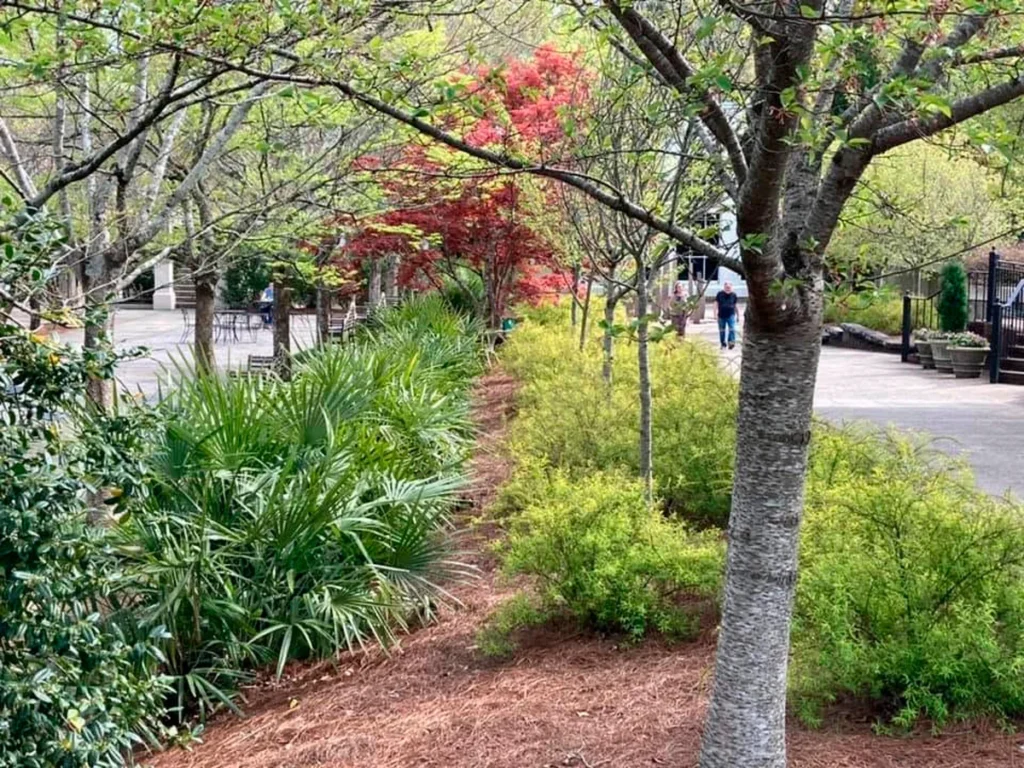
For many gardeners, the most frustrating feature of a landscape is the "dead zone"—that corner of the yard where sunlight barely reaches, the soil feels perpetually dry or saturated, and most ornamental plants simply fail to thrive. Whether you are dealing with the deep shade cast by mature tree canopies, the claustrophobic light of a north-facing wall, or the persistent dampness of a low-lying area, the struggle to find the right plant is universal.
In the latest installment of the Super Cool Plants podcast, our experts delve deep into the world of shade-tolerant flora, moving beyond the standard hosta-and-fern rotation to highlight resilient, high-performing specimens that can transform dark, difficult corners into lush, vibrant garden vignettes.

Main Facts: The Challenge of the Low-Light Landscape
The difficulty of gardening in shade is often misunderstood as merely a lack of sunlight. However, as our guests highlight, "shade" is not a monolithic condition. It exists on a spectrum ranging from "bright, dappled light" to "deep, permanent shadow." When low light is compounded by other environmental stressors—such as competitive tree roots, poor drainage, or arid pockets caused by rain shadows—the selection pool shrinks drastically.
The core premise of this episode is that resilience is the primary trait for shade gardening. The featured experts, Hayes Jackson and Irvin Etienne, advocate for a departure from traditional, high-maintenance shade plants in favor of species that "shrug off" deep shade. These plants are chosen not just for their aesthetic appeal, but for their structural integrity and ability to survive in what many would consider inhospitable environments.

Chronology: A Curated Selection of Problem-Solvers
Throughout the podcast, our experts walk listeners through a specific chronology of plant recommendations, categorized by their growth habits and the particular "tough" conditions they are designed to conquer.
The Recommendations of Hayes Jackson
Hayes Jackson focuses on plants that offer architectural interest and durability, particularly for gardeners in the Southeast or regions with similarly humid, temperate climates.
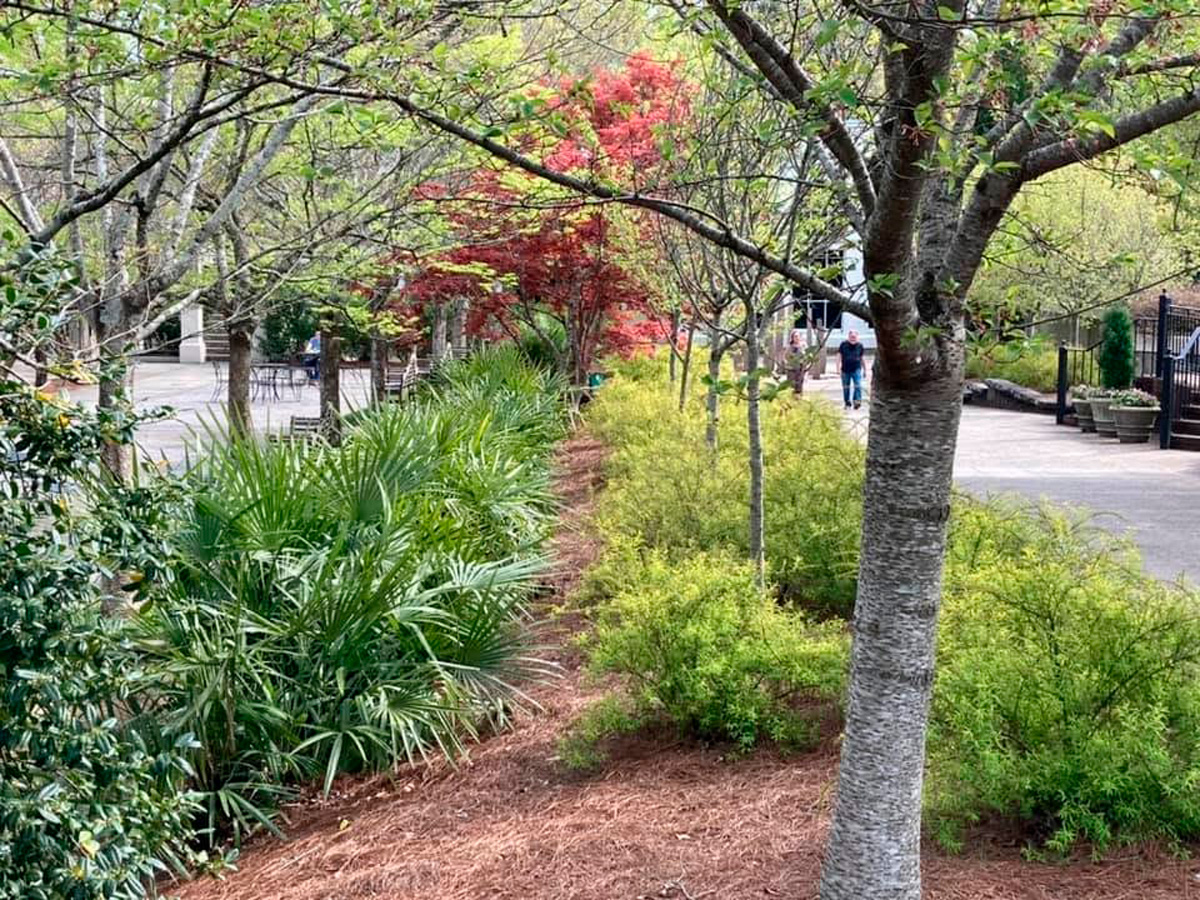
- Needle Palm (Rhapidophyllum hystrix): Often touted as one of the most cold-hardy palms in the world, the needle palm is a structural powerhouse in deep shade. It provides a tropical aesthetic that maintains its form regardless of the lack of direct sunlight.
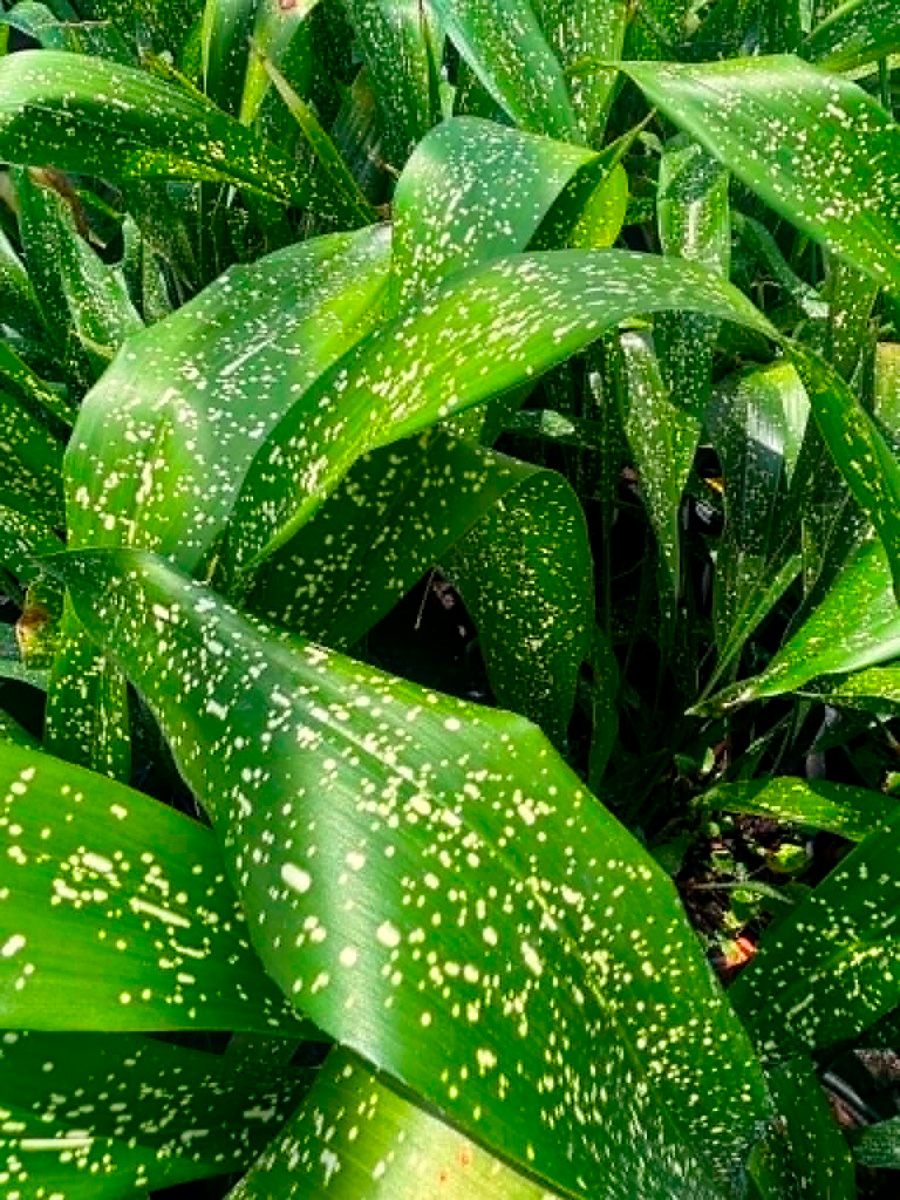
- ‘Spek-tacular’ Cast-Iron Plant (Aspidistra elatior): True to its name, the cast-iron plant is legendary for its indestructibility. The ‘Spek-tacular’ cultivar adds a touch of visual flair with its variegated foliage, providing brightness to the darkest recesses of a woodland garden.
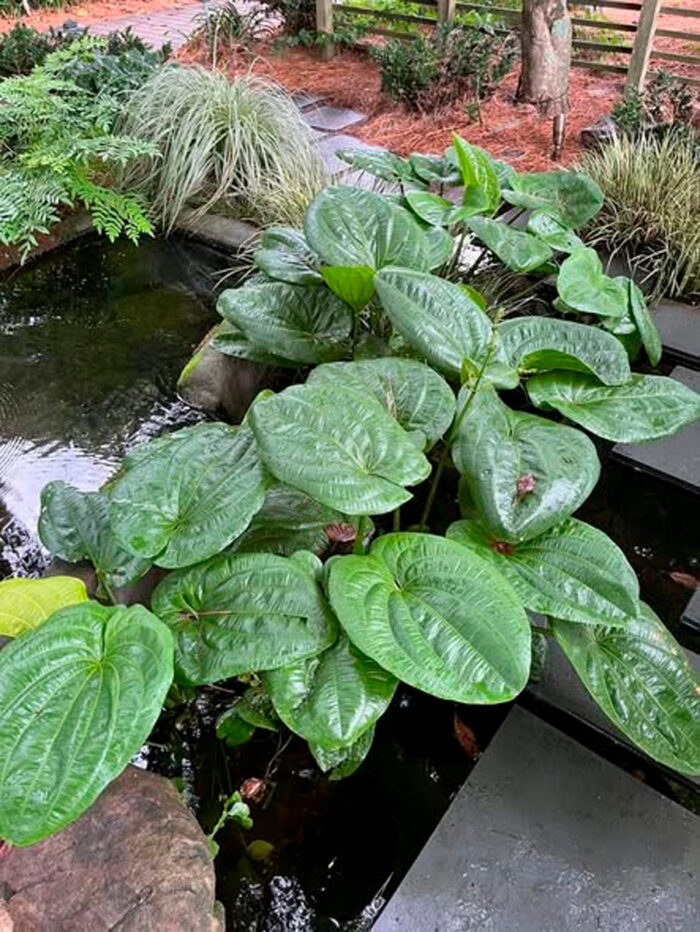
- ‘Lantau Lady’ Amazon Sword (Echinodorus cultivar): A fascinating inclusion, this plant challenges the traditional boundary between aquatic and terrestrial gardening. It thrives in moist, shaded conditions that would cause lesser plants to rot.
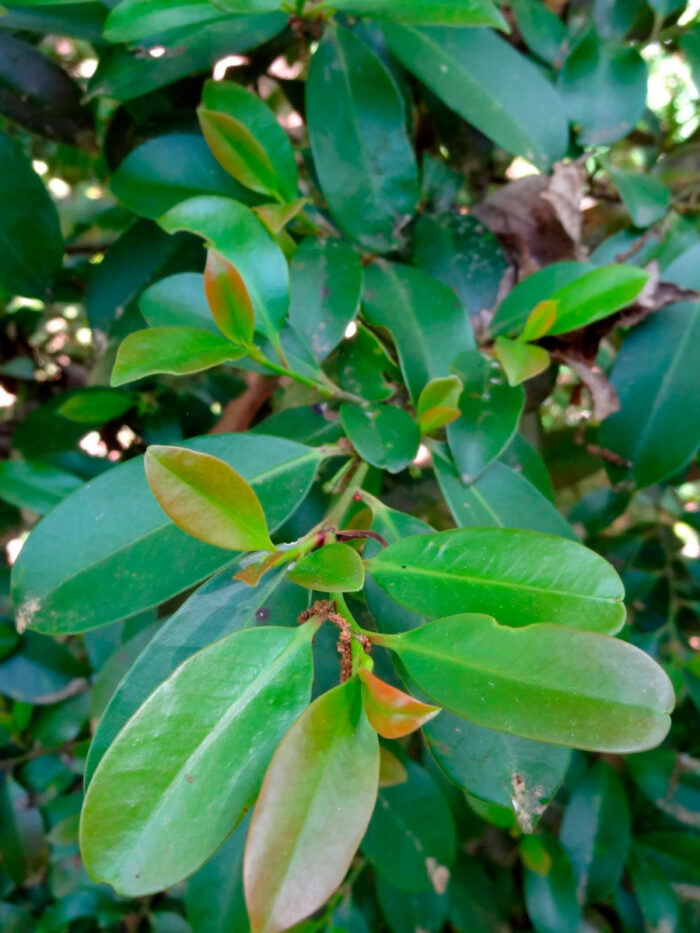
- Adinandra: A lesser-known genus that offers elegant foliage and a subtle, refined presence for the woodland floor.
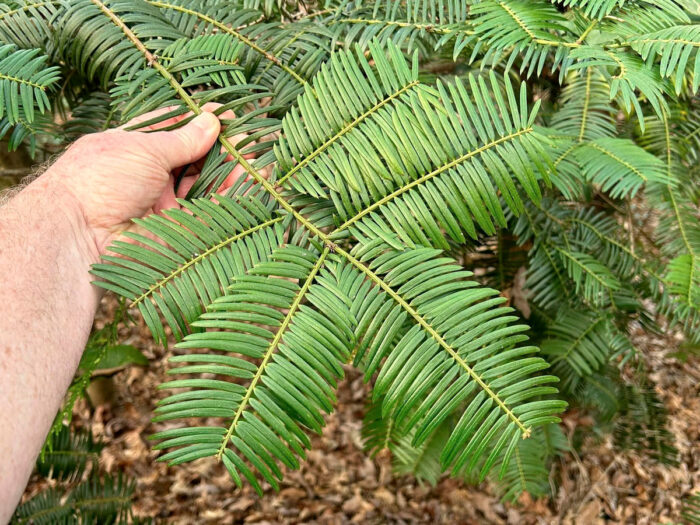
- Chinese Plum Yew (Cephalotaxus harringtonia): For those seeking evergreen structure in the shade, this conifer is an exceptional alternative to traditional yews, offering a softer, more graceful needle texture that does not succumb to deer browsing as easily as its counterparts.
- ‘Prairie Snow’ Downy Skullcap (Scutellaria incana): A pollinator favorite, this plant proves that shade-loving species can still provide significant floral value, brightening the garden with its unique, snapdragon-like blooms.
The Recommendations of Irvin Etienne
Irvin Etienne brings a horticultural perspective that favors textural contrast and the integration of native-adjacent species.
- ‘Haas’ Halo’ Smooth Hydrangea (Hydrangea arborescens): A masterclass in native breeding, this cultivar offers massive, lace-cap-style blooms that remain sturdy even after heavy rains, a common failure point for older hydrangea varieties.
- Broad-leaf Sedge (Carex platyphylla): Sedges are the unsung heroes of the shade garden. Their grass-like texture provides a vital "filler" that connects more flamboyant plants, creating a naturalistic, flowing aesthetic.
- Japanese Yellow Sage (Salvia koyamae): A standout for its late-season interest, this sage is one of the few members of its family that genuinely prefers—and thrives in—deep shade. Its bright yellow flowers offer a surprising burst of color when the rest of the garden is beginning to fade.
- Appalachian Bugbane (Actaea rubifolia): This plant is a lesson in patience and grace. Its foliage is deeply cut, providing interest from spring through autumn, culminating in dramatic, spiky white flowers that light up a dim garden.
- Balfour’s Touch-Me-Not (Impatiens balfourii): For a touch of whimsy, this impatiens species offers a distinct, orchid-like flower and a vigorous growth habit that can quickly fill in bare spots.
- Japanese Painted Fern (Athyrium niponicum var. pictum): A classic for a reason, its silver-hued fronds remain a staple for gardeners looking to introduce a "metallic" glow to the shadows.
Supporting Data: Why These Plants Succeed
The success of these selections is rooted in their biological adaptation. Many of these plants are "understory specialists" in their native habitats. Plants like Carex platyphylla have evolved to maximize photosynthesis in low-light environments by increasing their leaf surface area and optimizing chlorophyll distribution.
Furthermore, the emphasis on sedges and sages highlights a shift in horticultural trends. Sedges are increasingly recognized for their drought tolerance—a counterintuitive fact for shade plants, but one that is essential for gardeners dealing with "dry shade" caused by large trees that intercept most rainfall. By choosing these species, gardeners are not just planting for beauty; they are planting for long-term ecological stability.
Official Responses and Expert Insights
During the podcast discussion, a recurring theme emerged regarding the "philosophy of the shade." Irvin Etienne noted that gardeners often make the mistake of trying to force sun-loving plants into shady spots through excessive fertilization or watering, which often leads to "leggy," weak growth and increased susceptibility to pests and diseases.
"The goal," Etienne explained, "is to match the plant’s biological requirements to the reality of your garden. When you stop fighting the shade and start working with plants that have evolved to love it, the maintenance requirements drop significantly, and the aesthetic payoff increases."
Hayes Jackson reinforced this by discussing the importance of soil structure. In many deep shade scenarios, soil is compacted and nutrient-poor due to years of leaf litter and lack of ground cover. The recommended plants were selected specifically for their ability to establish root systems in these challenging, often tight soil conditions.
Implications for the Modern Garden
The implications for the home gardener are clear: the "tough" spots in your landscape are not failures—they are opportunities for specialized plantings. By adopting the recommendations from Super Cool Plants, gardeners can:
- Reduce Maintenance: By selecting plants that are naturally adapted to low light, gardeners avoid the constant battle of supplemental lighting, excessive pruning, or soil amending.
- Increase Biodiversity: Many of the recommended plants, such as the Japanese yellow sage and downy skullcap, provide critical resources for native pollinators, even in the shade.
- Enhance Garden Longevity: Investing in resilient perennials like the needle palm or Chinese plum yew creates a structural framework that will last for decades, rather than requiring the annual replanting of seasonal annuals.
Conclusion: Designing for the Future
As climate patterns become increasingly unpredictable, the ability to maintain a resilient landscape is more valuable than ever. Shade, once seen as a restrictive barrier, is now recognized as a unique environmental niche.
Whether you are a novice gardener looking to fill a single, gloomy corner or a seasoned horticulturalist seeking new, robust additions for a woodland garden, the experts on this episode of Super Cool Plants provide a blueprint for success. By looking to the Carex genus for texture, the Cephalotaxus for structure, and the Salvia for color, you can transform the forgotten, dark corners of your property into the most intriguing parts of your landscape.
To hear the full discussion and see the visual demonstrations of these plants in situ, listeners are encouraged to visit the official Super Cool Plants YouTube channel and subscribe for future episodes. Your garden’s darkest corner is waiting for its moment to shine.