Unveiling the Arterial Shield: Can Specific Foods Mitigate the Damage of Unhealthy Meals?
Introduction: The Quest for Dietary Damage Control
In an age where indulgent, less-than-healthy food choices are readily available, a critical question frequently surfaces: If one succumbs to an occasional unhealthy meal, are there specific foods that can be consumed alongside it to help mitigate the potential damage to our bodies? The intricate network of our arteries, vital for transporting oxygen and nutrients throughout the body, is particularly susceptible to dietary choices. Recent scientific inquiry, meticulously compiled and analyzed, suggests that while a consistently healthy diet remains paramount, certain plant-based foods possess remarkable properties that can indeed offer a degree of protection, even in the face of dietary challenges.
This exploration delves into a fascinating body of research, comparing the long-term arterial health of vegetarians versus meat-eaters, and then narrowing its focus to the immediate impact of specific foods – both detrimental and protective – on arterial function. From the foundational benefits of a plant-rich diet to the surprising protective power of walnuts and berries, this article dissects the evidence, offering insights into how we might strategically enhance our dietary choices for better cardiovascular health.
The Foundational Advantage: A Vegetarian Diet and Arterial Resilience
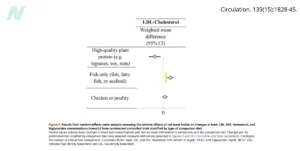
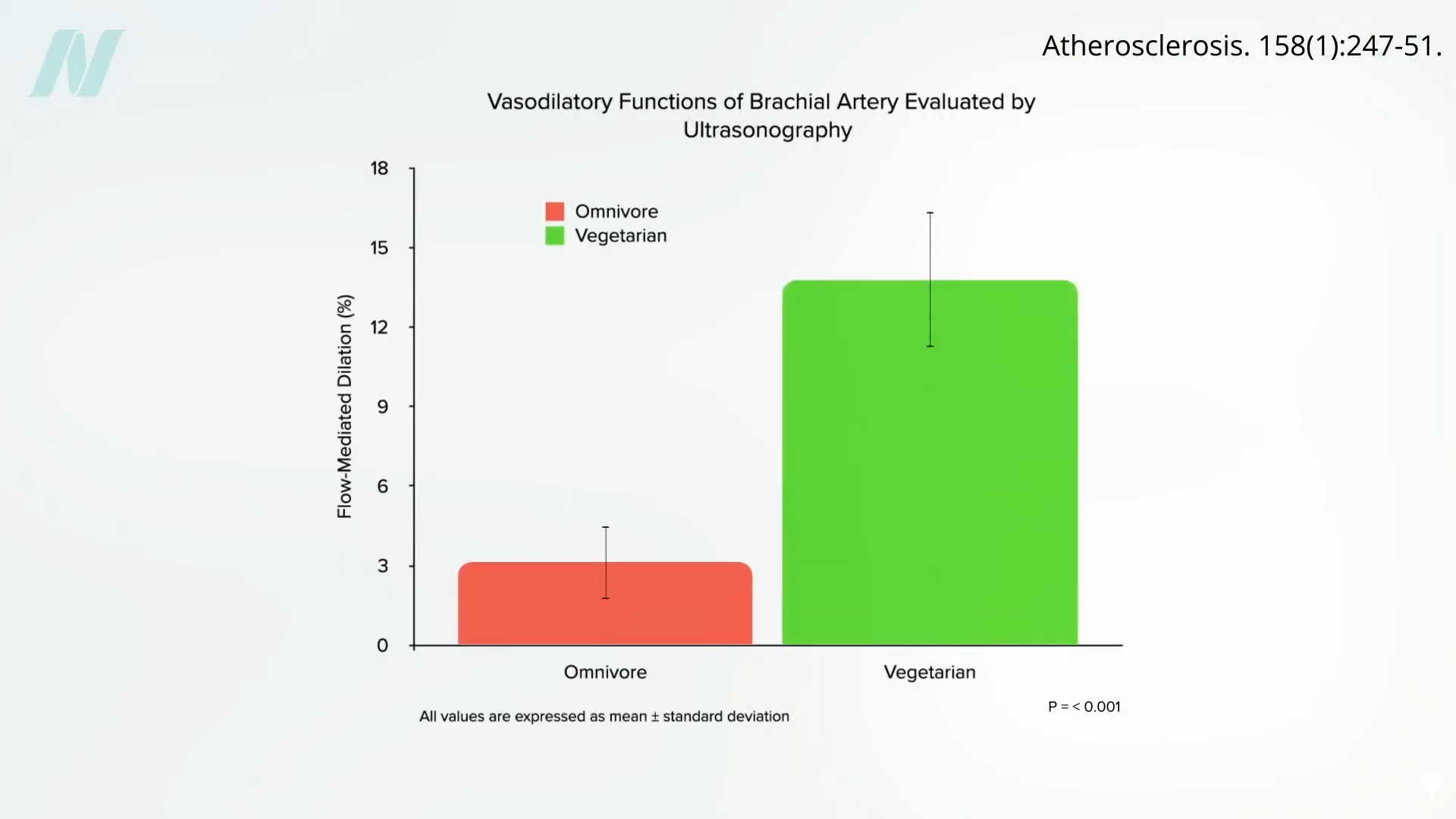
The journey into understanding dietary impact on arterial health often begins with broad comparative studies. A seminal study, whose findings are echoed and expanded upon, provides a compelling initial insight: when comparing the artery function of vegetarians and meat-eaters, a stark difference emerges. The healthy ability of arteries to dilate and allow increased blood flow – a crucial indicator of cardiovascular health known as endothelial function – is significantly superior among individuals adhering to a vegetarian diet. This isn’t a marginal difference; researchers observed this vital arterial flexibility to be approximately four times better in vegetarians, a striking disparity that underscores the profound impact of long-term dietary patterns.
Rigorous Controls and Unmistakable Findings
To ensure the robustness of these findings, the researchers meticulously controlled for a multitude of confounding factors. It is a common observation that vegetarians tend to be younger, smoke less, maintain slimmer physiques, and exhibit lower rates of chronic conditions such as diabetes, high cholesterol, high blood pressure, and heart disease. Acknowledging these potential biases, the study rigorously screened participants, including only healthy nonsmokers in both groups. Furthermore, the meat-eating cohort was carefully selected to match the vegetarians in terms of leanness, comparable blood pressure, and nearly identical cholesterol levels.
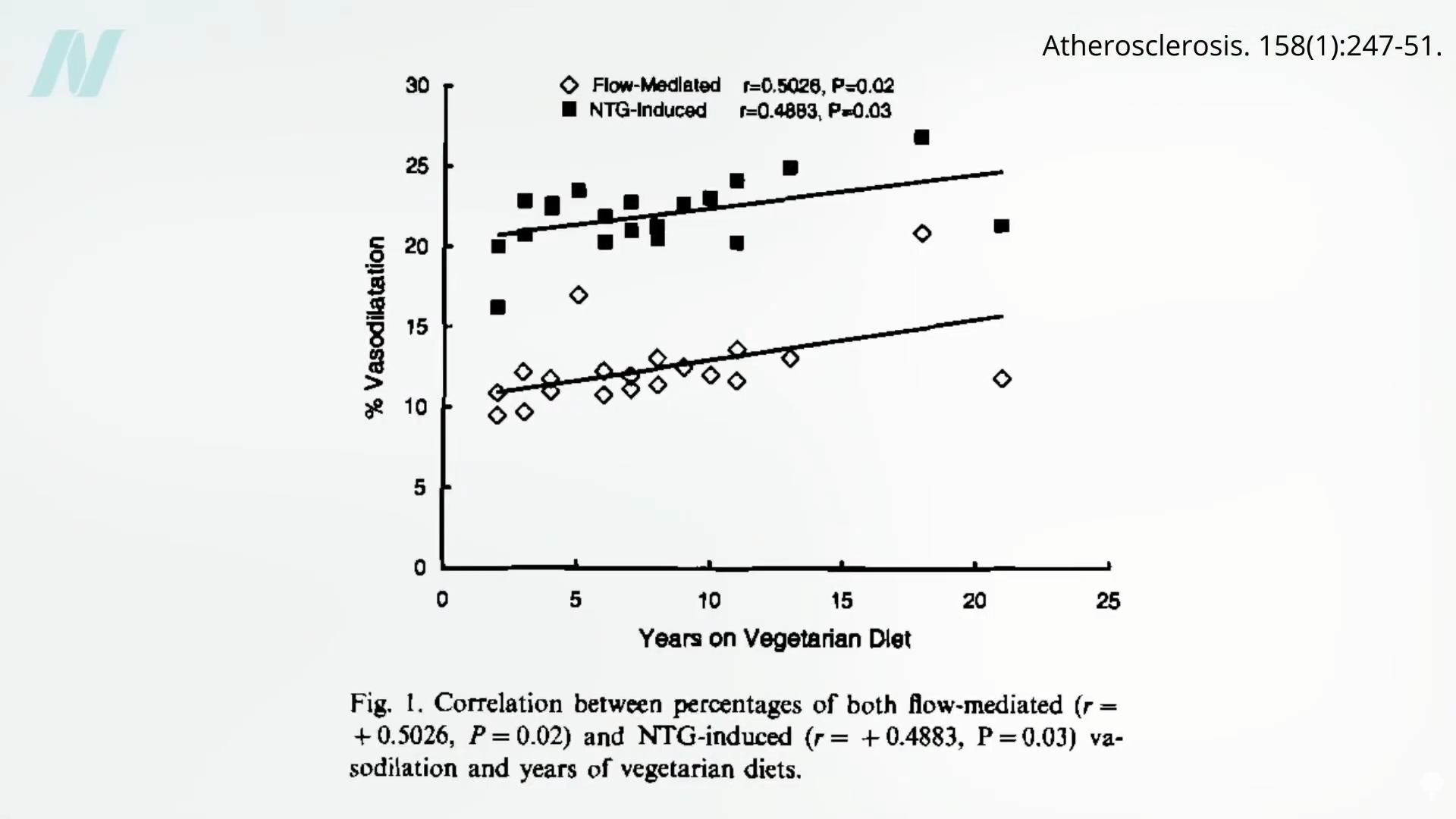
Despite these stringent controls, the results remained unequivocal. Even this carefully selected, seemingly healthy group of omnivores demonstrated significantly poorer arterial function compared to their vegetarian counterparts. The correlation was striking: the longer an individual had maintained a meat-free diet, the better their arterial function. Instead of the natural decline in artery function often associated with aging, those who had committed to a vegetarian lifestyle experienced an improvement in their arterial health over time, directly correlating with the duration of their plant-based eating. This suggests not merely a preventative effect, but potentially a restorative one, implying that dietary choices can actively enhance and maintain arterial integrity throughout life.
This direct beneficial effect of vegetarian diets on artery function offers a crucial explanation for the observed lower rates of atherosclerosis (hardening of the arteries) and cardiovascular mortality within vegetarian populations. The evidence strongly points towards diet as a primary, independent variable influencing the very structure and function of our vascular system.
Deconstructing the Mechanism: Absence of Harm vs. Presence of Benefit
With the profound link between vegetarianism and superior arterial health established, researchers then sought to pinpoint the exact dietary components responsible. Was it simply the absence of harmful elements typically found in meat-centric diets, or was it the presence of protective compounds abundant in whole plant foods? Or, more likely, a combination of both?
To investigate this, studies began to explore the immediate, acute effects of different types of meals on arterial function. One notable comparison involved two distinctly "junky" meals: a fast-food breakfast combo of an Egg McMuffin, Sausage McMuffin, and hash brown patties versus a bowl of Frosted Flakes cereal. The results were telling: the fatty fast-food meal significantly impaired artery function within mere hours of consumption, whereas the sugary cereal meal did not. Initially, this led researchers to blame the high fat content of the fast-food meal. However, further research refined this understanding, suggesting that it might not be all fat, but specifically animal fat, that poses the greater threat to arterial health.
This distinction is crucial. High-fat whole plant foods, such as nuts, do not exhibit the same detrimental effects. In fact, a comprehensive systematic review of numerous randomized controlled trials investigating the impact of nut consumption on artery function revealed the opposite: nuts actually lead to significant improvements in arterial health over time. This highlights the complex interplay of nutrients and compounds within foods and underscores the difference between processed animal fats and the healthy fats found in whole plant sources.
Specific Plant Powerhouses: Walnuts, Berries, and Their Protective Potential
Building on the understanding that certain plant foods can be beneficial, the research then delved into identifying specific champions capable of actively combating arterial damage.
Nuts: The Walnut Advantage
If nuts generally offer protective benefits, are some more potent than others? This question led to fascinating comparative studies. For instance, could consuming nuts help counter the artery-crippling effects of a high-fat, high-sodium food like a salami sandwich? The answer proved to be nuanced: yes for walnuts, but no for almonds. This finding suggests a hierarchy of benefit even within healthy food categories. Just as some fruits, like blueberries, are recognized for their superior nutritional density compared to others, such as bananas, some nuts appear to be more potent. Walnuts, with their unique profile of omega-3 fatty acids, antioxidants, and phytosterols, emerged as the "blueberries of nuts," demonstrating a remarkable capacity to mitigate acute arterial dysfunction.
Berries: Nature’s Potent Artery Protectors
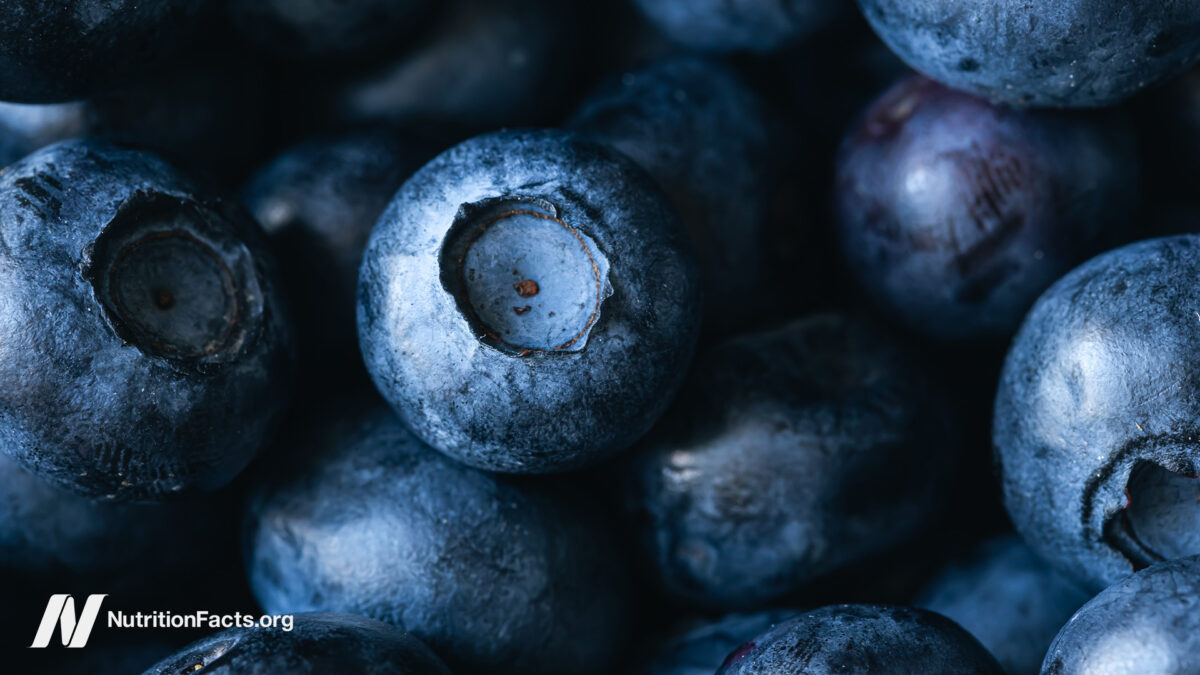
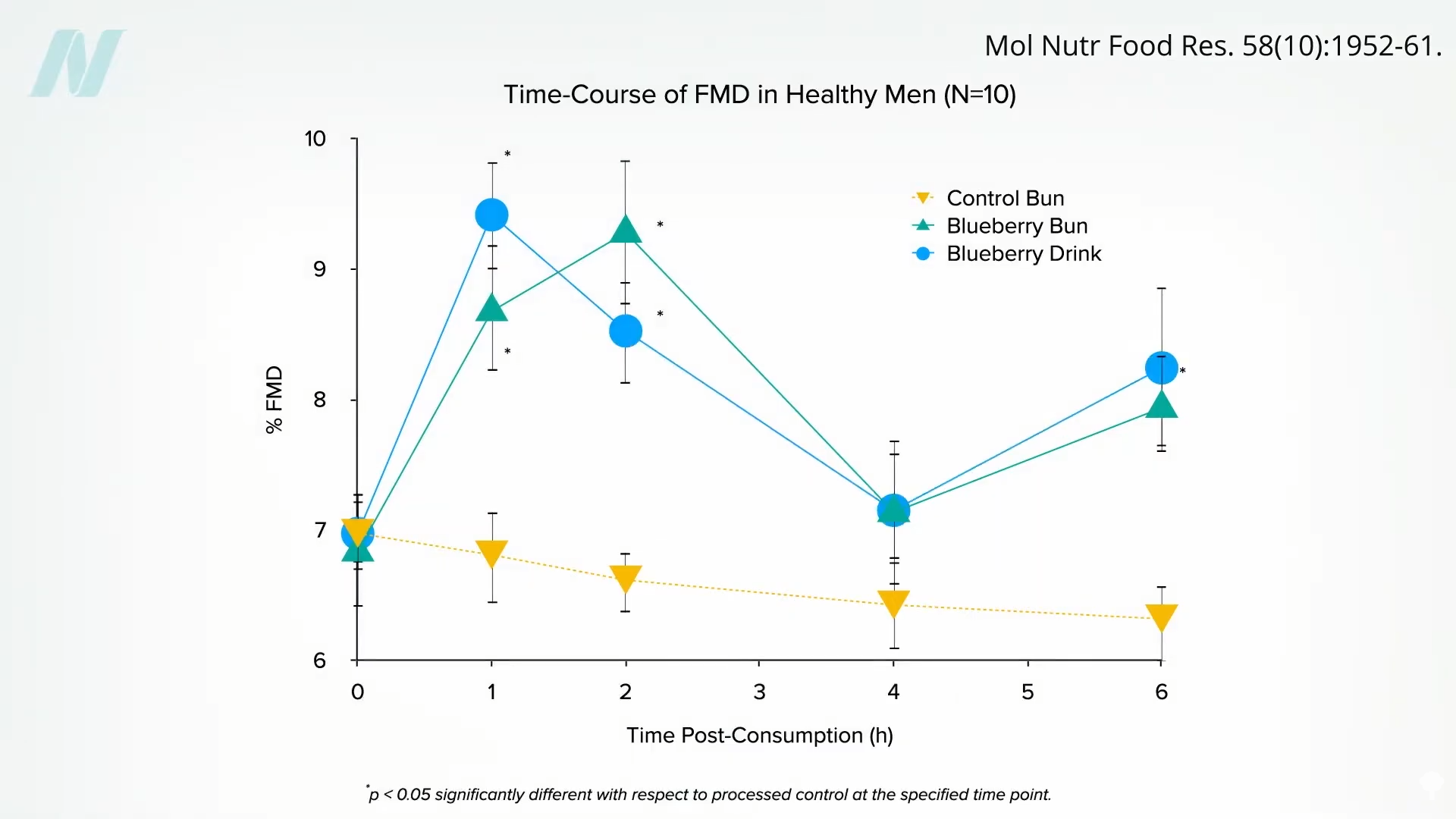
If walnuts are the "blueberries of nuts," then blueberries themselves hold the title for berries. Their protective power has been extensively documented. A randomized, controlled crossover trial meticulously examined the effects of blueberries on arterial function. Participants consumed buns made from white flour, eggs, butter, and salt – essentially a sugary, eggy pastry – which typically caused a gradual drop in artery function over the subsequent six hours. However, when the equivalent of a cup of wild blueberries was incorporated into that same bun, a significant boost in arterial function was observed. The blueberries appeared to counteract the detrimental effects of the unhealthy bun, almost as effectively as if they had been consumed with water, demonstrating their immediate and powerful vascular benefits. Interestingly, both raw and cooked blueberries showed this positive effect.
While blueberries stand out, other berries also demonstrate considerable promise. Strawberries, for example, were tested against an even more formidable dietary challenge: two cheese blintzes, whipped cream, sugary syrup, egg, and bacon. In this scenario, about the same amount of strawberries failed to rescue artery function. This highlights a critical point: while powerful, even the most beneficial plant foods have their limits when pitted against an overwhelmingly unhealthy meal. Mitigation is possible, but complete neutralization of severe dietary insults may be beyond reach.
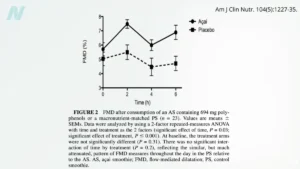
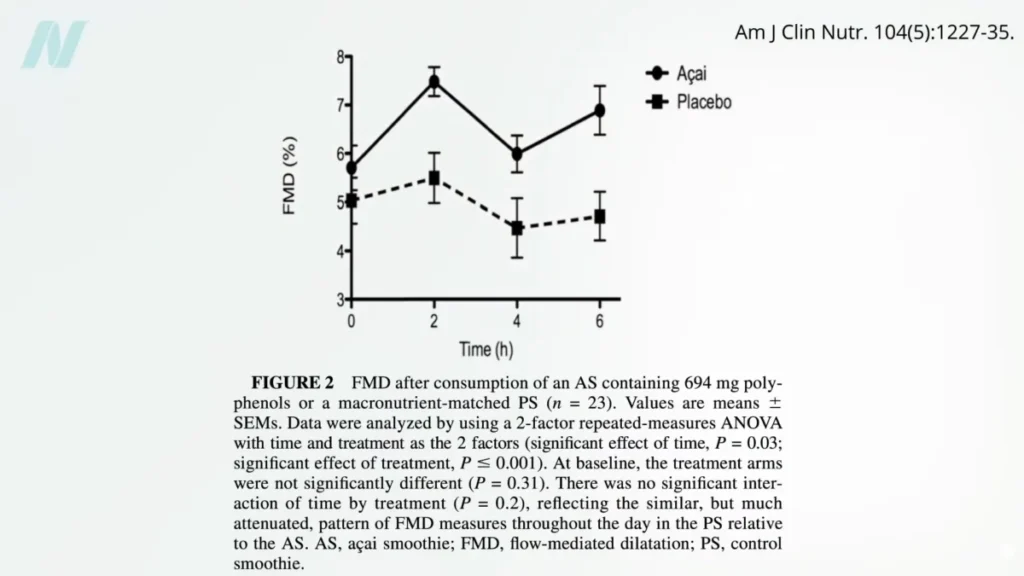
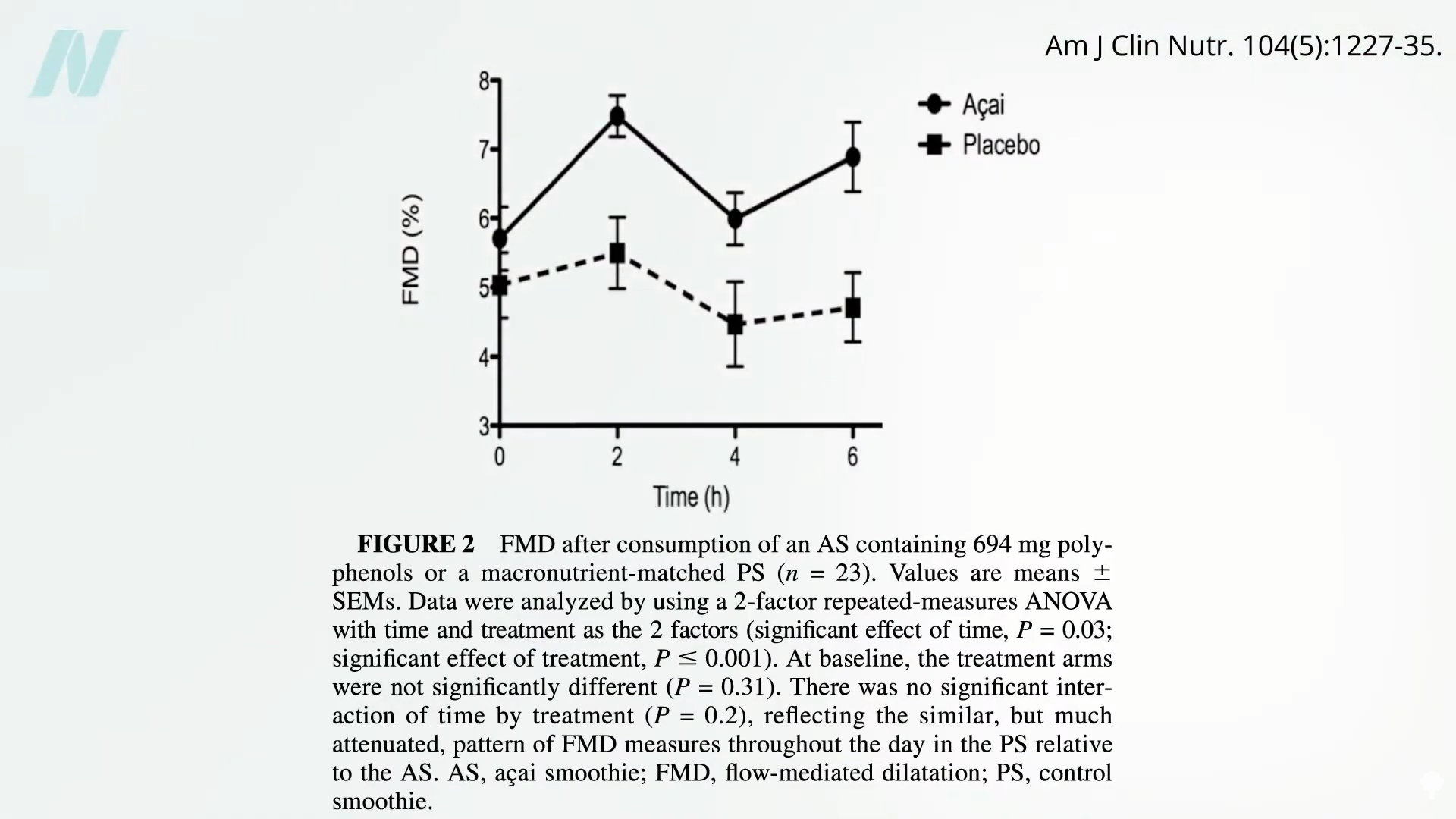
Acai berries also showed significant promise. In a study designed to test their effects against a meal with a comparable amount of fat, participants consumed one and a half frozen acai smoothie packs blended with half a small banana in water. This acai smoothie significantly rehabilitated arterial function compared to a control smoothie that contained only banana and water (colored to mimic acai for blinding purposes). This further supports the notion that specific berries, rich in antioxidants and other beneficial compounds, can acutely improve vascular health.
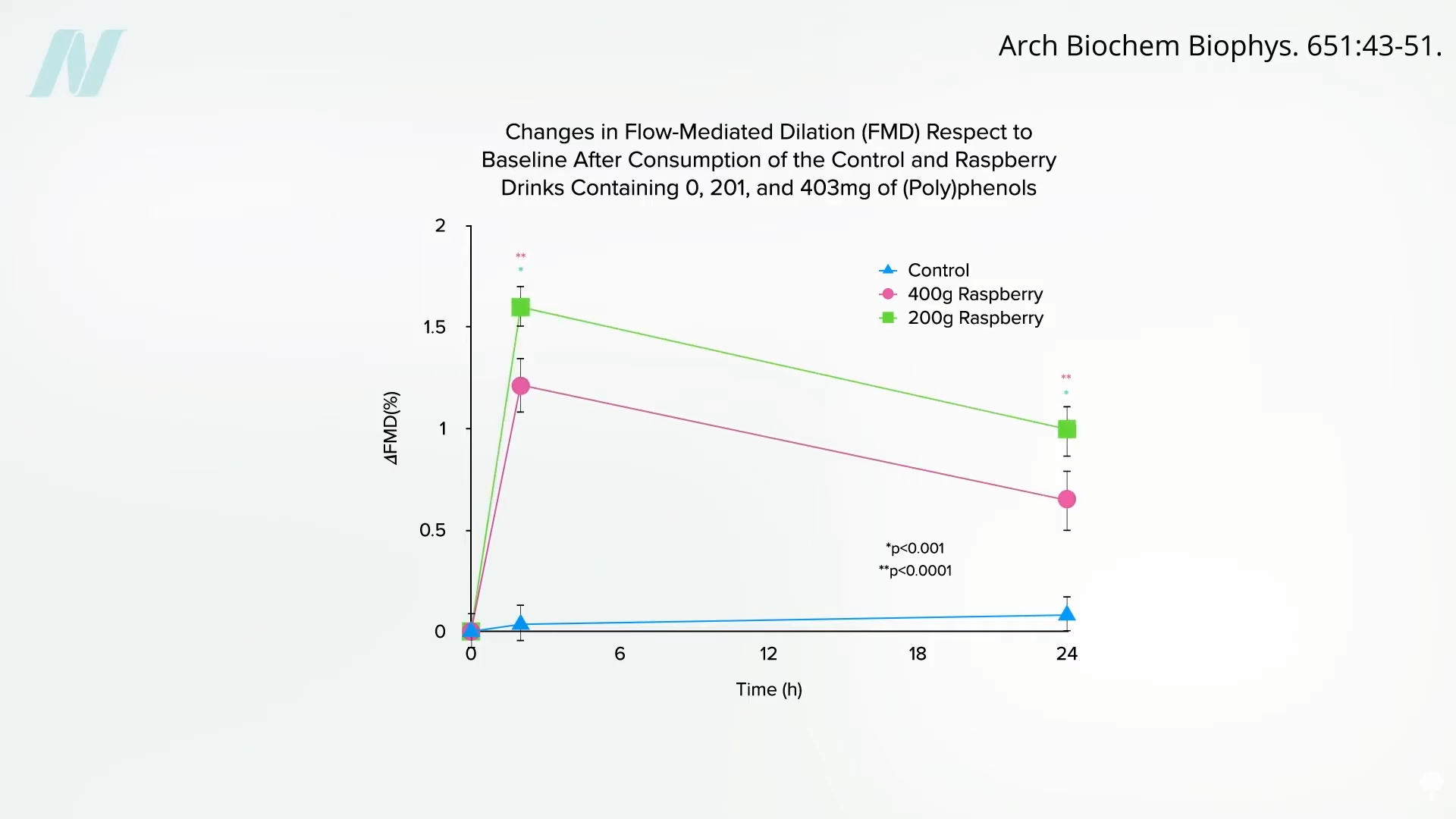
The protective prowess of berries extends to raspberries as well, as confirmed by a rigorous double-blind, randomized, controlled trial. Participants consumed smoothies made with frozen red raspberries (either approximately ¾ cup or 1½ cups blended with water) or a placebo drink designed to match the color and taste. The fake berry drink had no discernible effect on artery function. In contrast, both raspberry doses led to improved arterial function, measured at both 2 hours and 24 hours post-consumption. Notably, the ¾ cup dose appeared to be as effective as the larger 1½ cup dose, indicating a plateau effect similar to what is observed with blueberries, where benefits tend to level off after about a cup.
The bottom line from these raspberry studies is profound: consuming "dietarily achievable amounts of red raspberries acutely improves" artery function for up to 24 hours. While an individual’s arterial function might only see an approximate 1% increase by the end of the day from a single berry smoothie, this seemingly small improvement carries significant population-level implications. Research indicates that each 1% increase in arterial function is associated with a remarkable 12% reduction in the risk of a major cardiovascular event, such as a heart attack or stroke. This underscores the cumulative power of small, consistent dietary improvements.
Berry Juices: Concentrated Power, or Diluted Efficacy?
Given the benefits of whole berries, researchers also investigated the impact of berry juices. A study on cranberry juice tested five different concentrations, alongside a placebo control meticulously designed to be indistinguishable in color and taste. The results showed that even a 25% cranberry juice drink provided a modest bump to artery function within two hours. Higher concentrations, such as the 50% juice, maintained their beneficial effects for up to eight hours. The 75% juice, nearly pure juice, and ultraconcentrated juice all demonstrated improvements in artery function within hours of consumption.
However, it’s crucial to note that these cranberry juice studies, much like the raspberry study, involved consuming the juice in isolation, not alongside an artery-crushing meal. This distinction is vital when considering the real-world application of "mitigation."
Indeed, when researchers attempted to use a cocktail of various berry juices – grapes, blueberries, strawberries, lingonberries, and black aronia berries – to counteract the dysfunction caused by a high-fat meal, they found no significant change. While drinking these berries alone would likely improve artery function, the cocktail was insufficient to negate the immediate negative impact of a substantial fatty meal. This reinforces the idea that while plant foods can offer protection, they may not always completely override the effects of a truly unhealthy dietary choice.
The Limits of Mitigation: What Doesn’t Work (and What Makes it Worse)
The investigation into dietary mitigation also revealed important insights into what doesn’t work, and even what can exacerbate the problem.
Researchers explored the effects of common beverages when consumed with a high-fat meal. Participants were given ham and cheese croissants – a classic unhealthy choice – along with either water, orange juice, green tea, or red wine. The croissants, as expected, were detrimental to arterial health. Surprisingly, neither orange juice, green tea, nor red wine offered any significant protective effect. This suggests that simply adding a "healthy" drink to an unhealthy meal may not be enough to counteract its negative consequences. The most straightforward conclusion remains: it’s probably best to avoid such high-fat, processed meals in the first place.
Even more concerning was a study that revealed how consuming orange juice with a fatty meal could actually make things worse. When participants ate bacon and cheese muffins, with or without orange juice, researchers observed that the orange juice led to a longer period of elevated fat levels in the blood. The hypothesized mechanism for this counterintuitive effect is that the body preferentially burns the rapidly absorbed free sugars present in the juice for energy. These sugars, unlike those encased in the fiber-rich cell walls of whole fruit, are quickly available. This prioritization of sugar metabolism means that the fats from the unhealthy meal remain in the bloodstream for an extended duration, potentially prolonging their damaging effects on arterial health. This finding serves as a stark reminder that even seemingly healthy choices, when combined with specific unhealthy foods, can have unintended negative consequences.
Expert Insights and Public Health Implications
The cumulative evidence paints a clear picture: a predominantly whole-food, plant-based diet offers superior long-term arterial health and resilience. While the ideal scenario is to consistently choose healthy foods, the research also offers glimmers of hope regarding the acute mitigation of damage from occasional unhealthy indulgences.
As highlighted by expert notes within this field, this discussion on dietary mitigation is part of a broader understanding of how single meals can impact our cardiovascular and pulmonary systems, and the limitations of other interventions like exercise in counteracting high-fat meals. The overarching message remains that prevention through consistent healthy eating is far more effective than attempting to "cure" or mitigate damage after the fact.
However, for those instances where unhealthy choices are made, strategically incorporating specific whole plant foods can offer a degree of protection. Walnuts and a variety of berries (blueberries, acai, raspberries) have demonstrated an acute capacity to improve arterial function, even when consumed alongside or shortly after less healthy items. The mechanisms behind this protection are likely multi-faceted, involving the high content of antioxidants, polyphenols, fiber, and healthy fats found in these plant powerhouses, which can combat oxidative stress, reduce inflammation, and improve endothelial function.
Recommendations for a Healthier Heart:
- Prioritize Whole, Plant-Based Foods: The cornerstone of arterial health is a diet rich in fruits, vegetables, whole grains, legumes, nuts, and seeds. This approach offers comprehensive protection and long-term benefits.
- Embrace Berries Daily: Incorporating a cup of mixed berries (blueberries, raspberries, acai, cranberries) into your daily routine – whether in smoothies, oatmeal, or as a snack – can provide significant acute and potentially cumulative benefits for arterial function.
- Snack on Walnuts: Consider walnuts as a smart snack or addition to meals. Their unique nutritional profile offers potent cardiovascular advantages.
- Be Wary of "Healthy Additions" to Unhealthy Meals: Simply adding orange juice or green tea to a high-fat, processed meal may not be effective and, in some cases (like orange juice with fatty foods), could even be counterproductive by prolonging fat elevation in the blood.
- Focus on Prevention Over Mitigation: While certain plant foods can mitigate damage, they are not a "get out of jail free" card for consistently unhealthy eating. The best strategy is always to prevent damage by making healthy choices most of the time.
Conclusion: Empowering Dietary Choices for Arterial Health
The scientific journey into understanding the delicate balance between diet and arterial health continues to yield invaluable insights. The stark contrast in arterial function between vegetarians and meat-eaters, even when controlling for other health factors, serves as a powerful testament to the long-term benefits of a plant-rich diet. Furthermore, specific plant foods like walnuts and various berries have demonstrated an immediate, measurable capacity to enhance arterial flexibility and combat the acute detrimental effects of less healthy meals.
While the pursuit of dietary damage control offers intriguing possibilities, the overarching message remains clear: the most effective strategy for maintaining robust cardiovascular health lies in a consistent commitment to whole, unprocessed plant foods. Strategic incorporation of arterial-protective powerhouses like berries and walnuts can act as valuable allies, potentially buffering the occasional dietary misstep. Ultimately, empowering ourselves with this knowledge allows us to make more informed choices, fostering greater resilience within our vital vascular system and paving the way for a healthier, longer life.