The Silent Assault: What Happens to Your Body Within Hours of a High-Fat Meal?
Our biological clock is often measured not just by the years we accumulate, but by the health and vitality of our arteries. Often described as the lifelines of our cardiovascular system, arteries are crucial for delivering oxygen and nutrients throughout the body. Their optimal function is inextricably linked to our overall well-being and longevity. However, in an age dominated by convenience foods and sedentary lifestyles, these vital conduits are under constant siege. A growing body of scientific evidence reveals that the consequences of a poor diet, particularly one rich in unhealthy fats, are not just long-term concerns; they manifest within mere hours of consumption, initiating a cascade of adverse processes that accelerate aging and pave the way for chronic disease.
The internal landscape of our cells, specifically the mitochondria – often referred to as the "power plants" of our cells – can be significantly impacted by dietary choices. When impaired, these crucial organelles become less efficient, leading to an increase in free radical formation. This, in turn, triggers oxidative stress and systemic inflammation, insidious processes that collectively contribute to arterial dysfunction. This dysfunction is the precursor to a host of serious health issues, most notably cardiovascular disease, which remains the leading cause of mortality worldwide. Understanding the immediate, post-meal responses of our body is therefore not just an academic exercise, but a critical step towards proactive health management.
Main Facts: The Rapid Onset of Dietary Damage
The core revelation from recent and past research is the astonishing speed with which a single high-fat meal can initiate detrimental physiological changes. Far from being a gradual, decades-long process, the impact on arterial function and systemic inflammation can be observed within hours. This immediate response challenges the conventional perception that diet-related health issues are exclusively chronic and slow-developing. Instead, it underscores a continuous, meal-by-meal "hammering" effect on our internal systems.
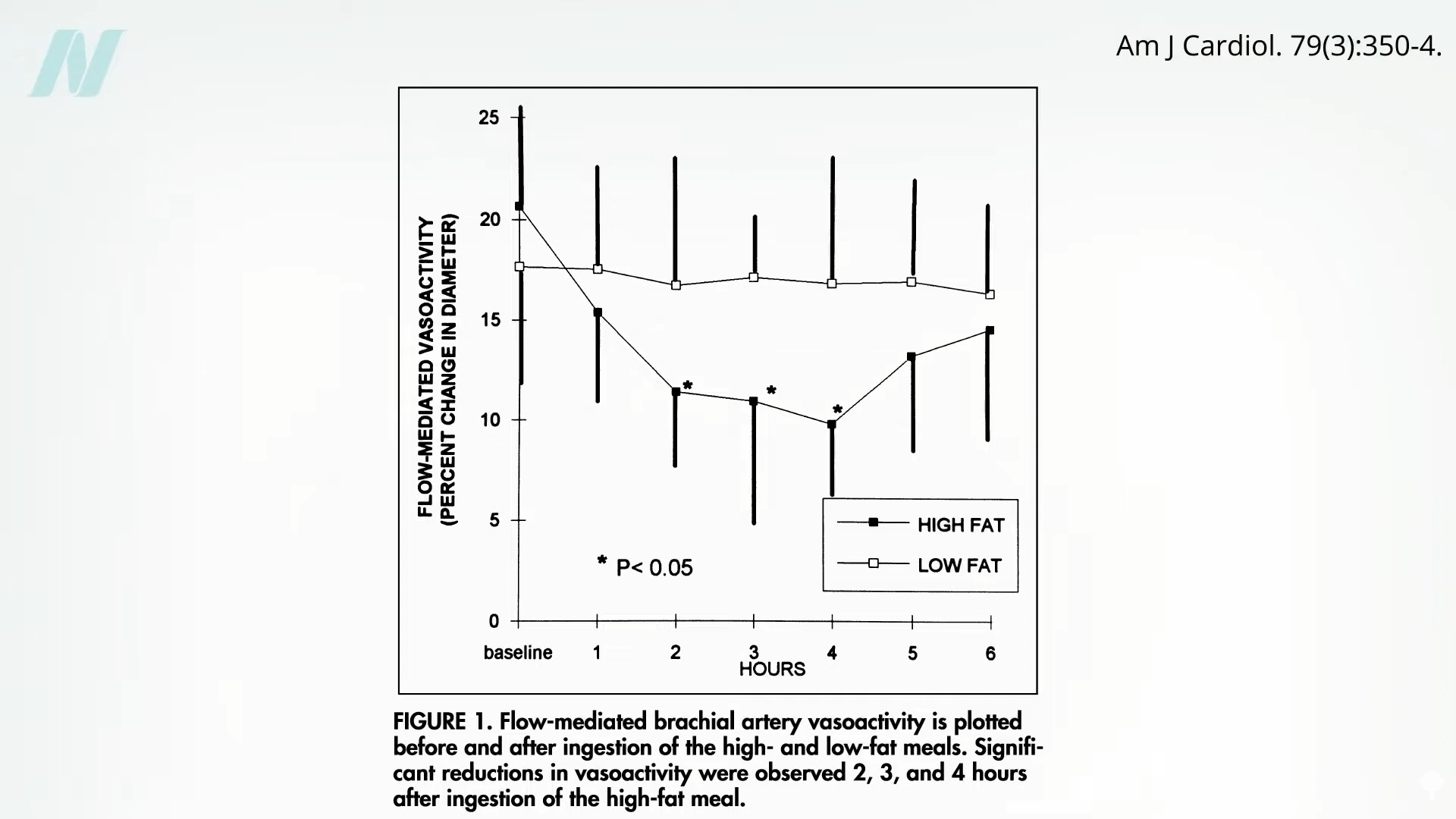
Specifically, studies have demonstrated a significant impairment in arterial function, marked by reduced vasodilation (the ability of blood vessels to widen and allow blood to flow more freely), following a high-fat intake. This acute dysfunction is not confined to the cardiovascular system; inflammatory markers also surge in the lungs, even in individuals without pre-existing respiratory conditions like asthma. Furthermore, the mechanisms driving this damage involve the increased uptake of oxidized LDL cholesterol by white blood cells, forming foam cells that contribute to arterial plaque, and elevated levels of endotoxins – bacterial components that trigger inflammation. While the exact interplay of these factors is still being elucidated, the overarching fact remains clear: what we eat, even in a single sitting, profoundly and immediately shapes our physiological state and future health trajectory.
Chronology of Impact: The Immediate Aftermath of a High-Fat Meal
The human body is a marvel of intricate systems, constantly striving for equilibrium. However, the modern high-fat diet can rapidly disrupt this balance, triggering a series of physiological responses that lay the groundwork for long-term health complications. The chronology of these effects, unfolding within hours of a meal, provides a stark reminder of the immediate consequences of our dietary choices.
Within Hours: Arterial Stiffening and Dysfunction
One of the most striking findings in nutritional science is the rapid impairment of arterial function following the consumption of a high-fat meal. Landmark research, some dating back over a decade, has consistently shown that the delicate inner lining of our arteries, known as the endothelium, becomes compromised almost immediately. The endothelium plays a critical role in vascular health, releasing nitric oxide, a molecule essential for vasodilation – the widening of blood vessels that allows for unrestricted blood flow. When endothelial function is impaired, arteries lose their elasticity, becoming stiffer and less responsive.

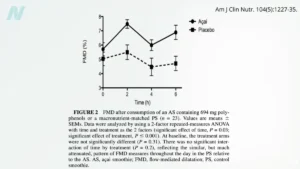
A notable study highlighted this phenomenon by comparing the effects of a high-fat meal to a low-fat alternative. Participants consumed either a breakfast comprising McDonald’s Sausage and Egg McMuffins – a meal notoriously high in saturated fat – or a low-fat, sugary meal of Frosted Flakes. The results were unequivocal: within hours, the high-fat meal group exhibited a significant crippling of arterial function, a stark contrast to the low-fat group, where no such impairment was observed. This particular comparison was crucial as it helped isolate the role of fat, rather than simply "crappy carbohydrates," as the primary culprit in the immediate arterial distress. The implication is profound: the very structure and function of our arteries, which dictate blood pressure and nutrient delivery, can be acutely degraded by a single meal. This transient dysfunction, if repeated consistently, evolves into chronic arterial damage, a hallmark of cardiovascular disease.
The Cumulative Burden: A Day-Long Assault
The challenge extends beyond a single meal. In contemporary society, many individuals consume three, or even more, meals and snacks daily, often interspersed with high-fat items. This means that for a significant portion of their waking hours – approximately 16 hours a day for many – their bodies are in a "post-meal state." If these meals are consistently high in unhealthy fats, the arteries are subjected to a continuous, relentless assault. Just as arterial function begins to recover from one high-fat meal, another is consumed, restarting the inflammatory and dysfunctional cycle.
This constant "hammering" of the arteries prevents the body from fully recovering and repairing the damage. Over time, these repeated acute insults accumulate, transforming transient dysfunction into persistent pathological changes. It’s no coincidence then that cardiovascular disease has solidified its position as the number one killer globally. The cumulative burden of postprandial inflammation and endothelial dysfunction, day after day, year after year, fundamentally compromises the integrity of the cardiovascular system, leading to atherosclerosis, hypertension, and ultimately, heart attacks and strokes. The immediate effects of a single meal are therefore not isolated incidents but rather critical components of a chronic, systemic degradation process.
Beyond the Heart: Inflammatory Responses in the Lungs
The inflammatory response triggered by high-fat meals is not confined to the cardiovascular system; it also extends to other vital organs, notably the lungs. Research indicates that high-fat challenges can significantly increase airway inflammation and impair lung function, particularly in susceptible individuals.
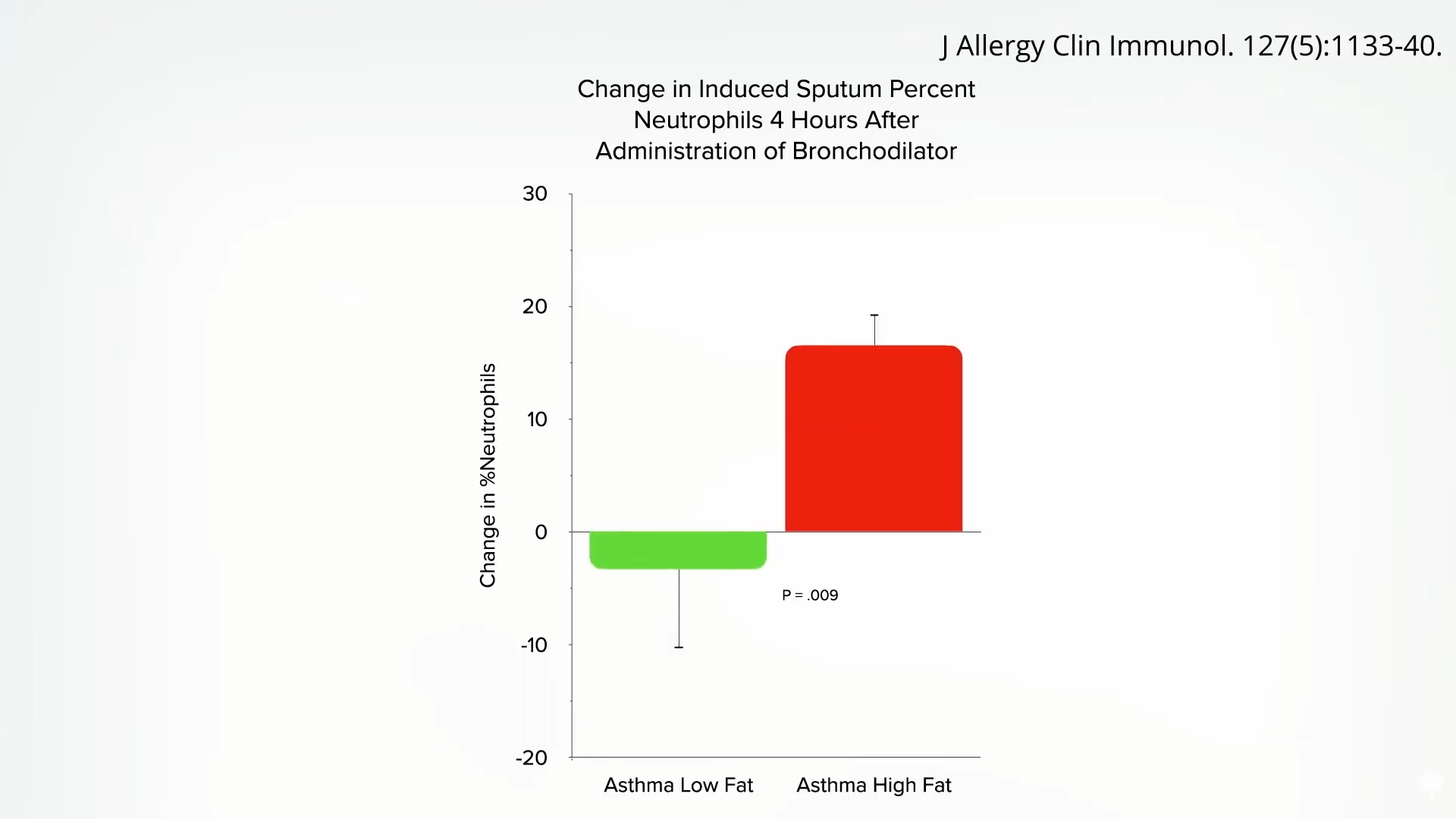
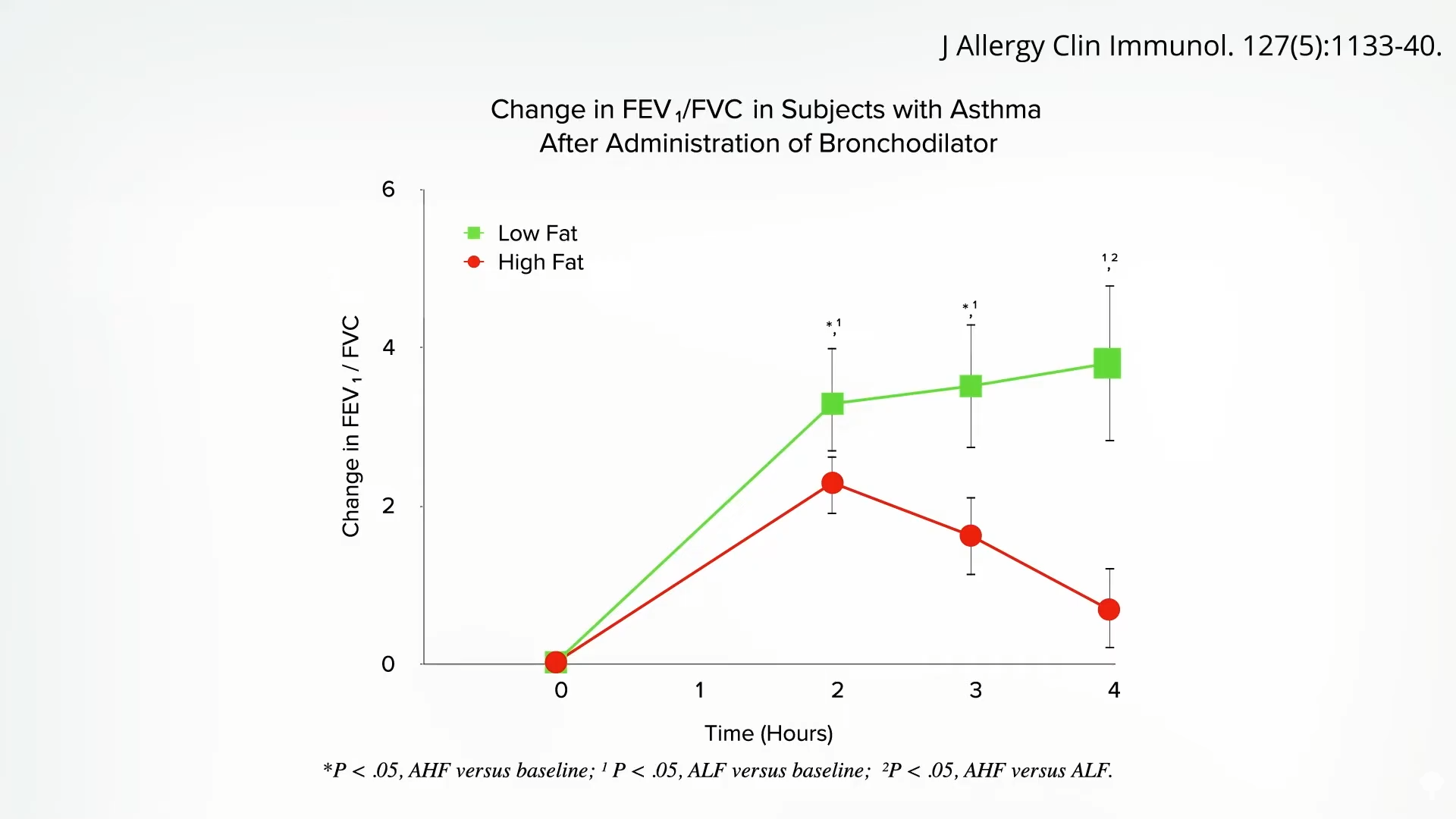
In a study involving individuals with asthma, a high-fat meal led to a marked increase in inflammatory cells within the sputum coughed up from their lungs just four hours post-consumption. More alarmingly, this inflammatory surge had a direct functional consequence: when these participants were given their standard bronchodilator inhalers (containing drugs like albuterol or Ventolin), the medication was significantly less effective after the high-fat meal compared to a low-fat meal. The additional inflammation in their lungs effectively blunted the therapeutic action of the inhalers, demonstrating that dietary choices can directly determine how well one breathes and responds to medication. This highlights a critical, often overlooked, link between diet and respiratory health.
Even individuals without pre-existing respiratory conditions like asthma are not immune to these effects. Further research has revealed that healthy individuals also experience a spike in inflammatory cells in their lung sputum after consuming a high-fat meal, such as a "Jimmy Dean’s Meat Lover’s breakfast bowl." This suggests that the pro-inflammatory effects of high-fat meals are a systemic response, impacting even seemingly healthy tissues and potentially increasing vulnerability to respiratory infections or exacerbating underlying conditions. The profound implication is that dietary fat intake can acutely compromise the delicate balance of the respiratory system, affecting both lung immunity and function.
Supporting Data and Mechanisms of Damage
Understanding the immediate physiological responses to a high-fat meal requires delving into the cellular and molecular mechanisms at play. The scientific community has identified several key pathways through which dietary fats contribute to inflammation and dysfunction, providing a comprehensive picture of the rapid damage incurred.
Oxidized LDL and Foam Cell Formation
One of the critical mechanisms through which high-fat meals contribute to arterial damage involves low-density lipoprotein (LDL) cholesterol, often dubbed "bad cholesterol." After a high-fat meal, the levels of circulating triglycerides and LDL particles can increase. More significantly, these LDL particles are prone to oxidation, transforming into "oxidized LDL" – a highly pro-inflammatory form.
Research has shown that within hours of consuming a high-fat meal, such as pizza, there is a doubling in the amount of pro-inflammatory oxidized LDL cholesterol that is absorbed by specific white blood cells called macrophages. These macrophages, part of the immune system, attempt to clear the oxidized LDL from the bloodstream. However, when overwhelmed, they gorge on the oxidized LDL, transforming into "foam cells." Foam cells are a hallmark of early atherosclerotic plaque formation. They accumulate in the artery walls, contributing to the inflamed, fatty streaks that eventually develop into hardened plaques, narrowing arteries and increasing the risk of heart attacks and strokes. This rapid cellular uptake and transformation underscore how quickly the atherosclerotic process can be initiated or accelerated by dietary choices.
The Endotoxin Hypothesis
Another intriguing mechanism linked to the inflammatory response after high-fat meals is the role of endotoxins. Endotoxins, specifically lipopolysaccharides (LPS), are components of the outer membrane of Gram-negative bacteria. When these bacteria die, their cell walls break down, releasing endotoxins into the environment.
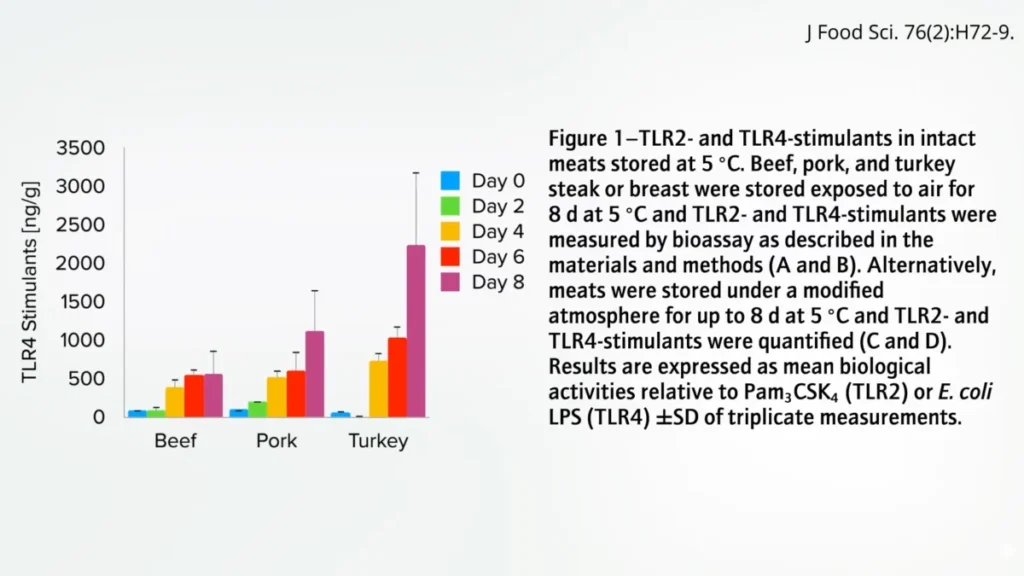
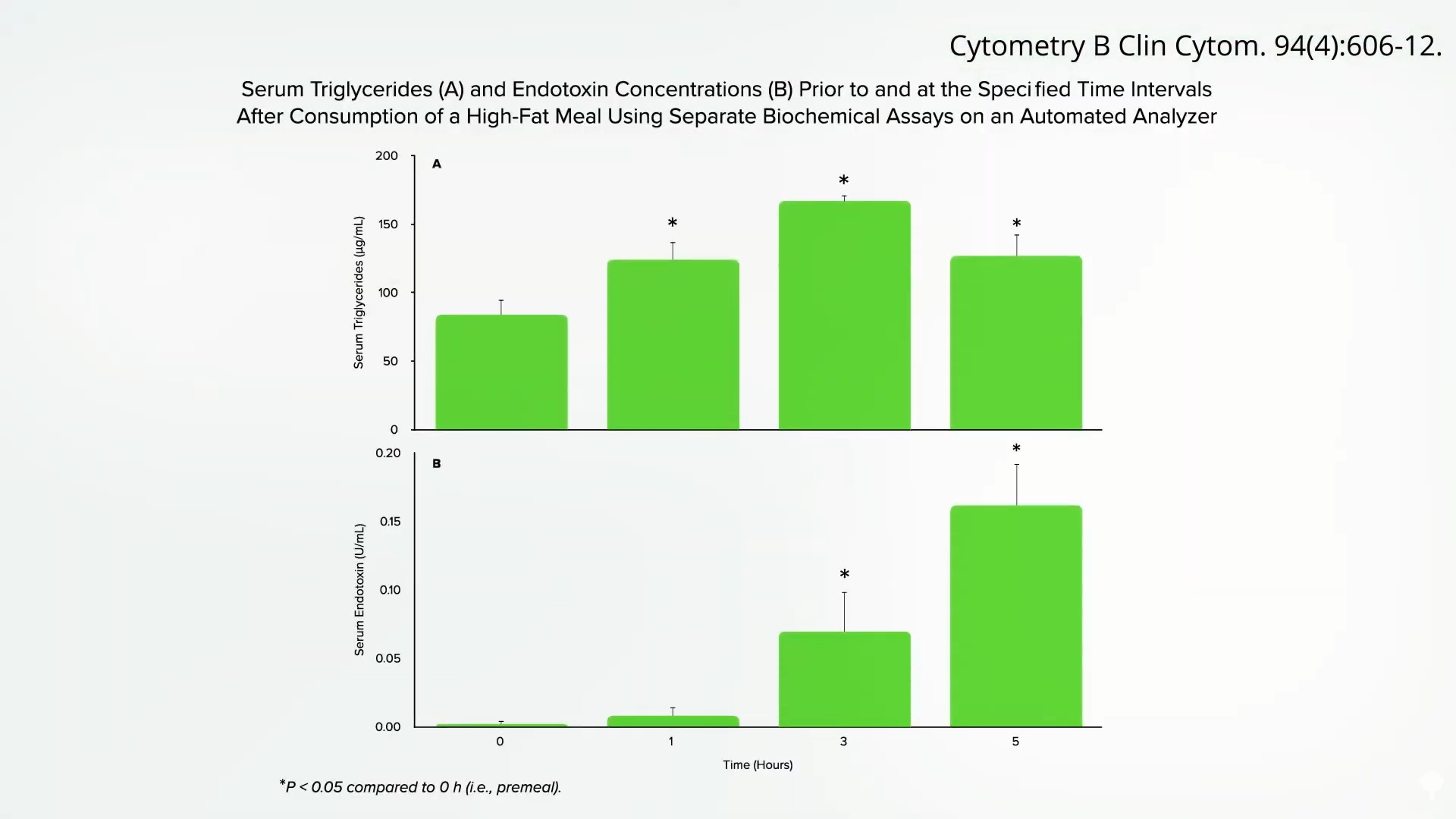
Studies have demonstrated that after a high-fat meal, not only do blood fat levels rise, but so do endotoxin levels in the bloodstream. The hypothesis suggests several pathways for this increase. One major route is through the consumption of foods, particularly meat (both red and white), which can be contaminated with bacteria – both alive and dead – and thus accumulate endotoxins. When these contaminated foods are consumed, the endotoxins can potentially pass through the gut lining and enter the bloodstream, triggering a systemic inflammatory response. This phenomenon is often referred to as "metabolic endotoxemia." Another theory suggests that high-fat meals themselves can alter gut permeability, allowing naturally occurring endotoxins from the gut microbiota to "leak" into the circulation. Regardless of the precise entry mechanism, the presence of elevated endotoxins in the blood is a potent trigger for inflammation, further contributing to arterial and systemic damage.
Saturated Fat: A Direct Inflammatory Trigger
While the endotoxin hypothesis provides a compelling explanation, more recent research, published around 2020, has begun to shift focus towards the direct inflammatory potential of the fat itself, particularly saturated fat. This perspective suggests that the saturated fatty acids floating in the bloodstream after an unhealthy meal may directly induce inflammation, independent of or in addition to endotoxins.
The mechanisms proposed for this direct action include the activation of innate immune receptors, such as Toll-like receptors (TLRs), on various cell types, including immune cells and endothelial cells. Saturated fatty acids can bind to and activate these receptors, initiating intracellular signaling pathways that lead to the production and release of pro-inflammatory cytokines. Furthermore, saturated fats can induce endoplasmic reticulum stress within cells, another pathway that triggers inflammatory responses. This evolving understanding suggests that saturated fat is not merely a passive energy source but an active signaling molecule that can directly modulate immune and inflammatory pathways, thereby contributing to the immediate postprandial inflammatory state. This dual understanding – involving both endotoxins and the direct action of saturated fat – highlights the multifaceted nature of dietary fat’s impact on systemic inflammation.
Cellular Dysfunction: Mitochondria and Oxidative Stress
At the very foundation of cellular health are mitochondria, often called the "powerhouses" of the cell. These organelles are responsible for generating adenosine triphosphate (ATP), the primary energy currency of the cell, through oxidative phosphorylation. However, a diet consistently high in fat can impair mitochondrial function. When mitochondria become dysfunctional, their efficiency in producing ATP decreases, and they tend to produce an excess of reactive oxygen species (ROS).
These ROS are highly reactive molecules that can damage cellular components, including DNA, proteins, and lipids – a process known as oxidative stress. Oxidative stress is a critical contributor to endothelial dysfunction and systemic inflammation. It directly damages the endothelial cells lining the arteries, reducing their ability to produce nitric oxide and regulate vascular tone. This, in turn, contributes to arterial stiffness and impaired vasodilation. The cycle is vicious: high-fat meals lead to mitochondrial dysfunction and oxidative stress, which then exacerbate inflammation and arterial damage, creating a perpetual state of cellular distress that underpins chronic metabolic diseases.
Official Responses and Broader Dietary Guidance
The scientific findings regarding the immediate and cumulative impact of high-fat meals on arterial and systemic health resonate deeply with long-standing dietary recommendations from major health organizations worldwide. While specific "official responses" to these immediate post-meal effects are not typically issued in isolation, the principles derived from this research are implicitly embedded within broader public health guidance.
Alignment with Public Health Recommendations
Leading health bodies such as the American Heart Association (AHA), the World Health Organization (WHO), and national dietary guidelines consistently advise individuals to limit their intake of saturated and trans fats. These recommendations are based on decades of research demonstrating the link between these fats and increased risk of cardiovascular disease, elevated LDL cholesterol levels, and inflammation. The revelation that even a single high-fat meal can induce acute arterial dysfunction and systemic inflammation provides a compelling, real-time physiological basis for these long-term dietary mandates.
These organizations advocate for dietary patterns rich in whole, unprocessed foods, including fruits, vegetables, whole grains, lean proteins, and healthy fats (monounsaturated and polyunsaturated). They emphasize the importance of reducing consumption of processed meats, high-fat dairy, and fried foods. The evidence on immediate postprandial inflammation strengthens the call for a shift towards plant-based diets or Mediterranean-style diets, which are inherently lower in saturated fat and higher in anti-inflammatory compounds and antioxidants. This alignment underscores the scientific consensus that informed dietary choices are paramount for maintaining cardiovascular and overall health.
The Industry Perspective and Counter-Arguments
Despite the overwhelming scientific evidence, public discourse around dietary fats can often be confusing, partly due to industry-sponsored campaigns or selective interpretations of research. The "butter is back" narrative, often championed by certain media outlets or industry groups, is a prime example. This narrative suggests that natural fats, including butter, have been unfairly demonized and are not as detrimental as once thought. Such claims often cite studies that may look at different endpoints or populations, or that fail to adequately control for all dietary variables.
However, the detailed mechanisms uncovered by studies on acute postprandial effects – involving oxidized LDL, endotoxins, and direct saturated fat-induced inflammation – provide a robust counter-argument to such narratives. While some dietary fats are essential and beneficial, the scientific consensus, supported by these immediate physiological responses, clearly distinguishes between healthy fats (e.g., those found in avocados, nuts, seeds, olive oil) and unhealthy fats (e.g., saturated fats predominantly found in animal products and many processed foods). The immediate damage observed after high-fat meals, particularly those rich in saturated fats, highlights the importance of not being swayed by simplistic or misleading dietary advice that contradicts the broader scientific understanding of cardiovascular health.
Implications for Health and Lifestyle
The profound insights into the immediate effects of high-fat meals carry significant implications, extending beyond mere dietary advice to encompass a holistic approach to health and lifestyle. Understanding these rapid responses empowers individuals to make more informed choices and take proactive steps towards better health.
Empowering Dietary Choices
The knowledge that a single meal can trigger a cascade of inflammatory and dysfunctional responses within hours is a powerful tool for empowerment. It transforms dietary choices from a long-term, abstract concept into an immediate, tangible determinant of one’s physiological state. This understanding fosters a sense of direct responsibility, encouraging individuals to view each meal as an opportunity to either nourish or harm their body.
By choosing whole, plant-based foods rich in fiber, antioxidants, and unsaturated fats, individuals can actively mitigate postprandial inflammation and support optimal arterial and cellular function. Conversely, opting for meals high in saturated and unhealthy fats means consciously choosing to expose the body to immediate stress and damage. This shift in perspective from passive consumption to active, informed decision-making is crucial for preventing chronic metabolic diseases and promoting longevity. It emphasizes that health is not merely the absence of disease, but a continuous state of cellular well-being cultivated through daily choices.
Beyond Diet: The Role of Lifestyle
While diet is a cornerstone of health, it is rarely a standalone factor. The original article subtly hints at the role of sedentary behavior alongside a poor diet in leading to adverse aging processes. This underscores the broader importance of lifestyle in mediating the effects of dietary intake. Physical activity, for instance, has been shown to improve endothelial function, reduce inflammation, and enhance metabolic health. Engaging in regular exercise can help buffer some of the detrimental effects of less-than-ideal dietary choices, though it cannot fully counteract a consistently unhealthy diet.
Furthermore, other lifestyle factors such as adequate sleep, stress management, and avoiding smoking and excessive alcohol consumption all play critical roles in supporting cardiovascular and respiratory health. When combined with a diet that minimizes immediate inflammatory triggers, these lifestyle elements create a synergistic effect, building resilience against disease and promoting overall vitality. The acute inflammatory response to high-fat meals serves as a potent reminder that a holistic approach, where diet, exercise, and mental well-being are integrated, is the most effective strategy for health.
A Call for Proactive Health Management
The insights into the immediate impact of high-fat meals represent a call for proactive health management. Rather than waiting for symptoms of chronic disease to manifest, individuals are encouraged to understand and respond to the subtle, hourly changes occurring within their bodies. This proactive stance involves not only being mindful of food choices but also recognizing the interconnectedness of bodily systems – how a meal affecting arteries can also impact lung function, gut health, and overall inflammatory load.
Ultimately, our daily food choices are not isolated events; they are continuous investments in our future health. By making conscious decisions to reduce the intake of unhealthy fats and embrace a diet that supports cellular function and minimizes inflammation, we can significantly alter our trajectory towards chronic disease. This paradigm shift, from reactive treatment to proactive prevention, empowers individuals to take control of their health, promoting a longer, more vibrant life free from the pervasive burden of cardiovascular and metabolic diseases. The message is clear: what you eat today, literally within hours, determines the health of your arteries, lungs, and indeed, your entire body.