Rethinking the Northeast Landscape: 4 Native Shrub Alternatives for Ecological Resilience
In the modern Northeast garden, the aesthetic standard has long been dictated by convenience and mass-market availability. However, as environmental awareness grows, homeowners are increasingly questioning the ecological cost of standard ornamental choices. Landscape designer Chloë Bowers, based in Newtown, Connecticut, argues that the shift toward native planting is not just an aesthetic preference—it is a functional necessity for a resilient, biodiversity-rich ecosystem.
By choosing native shrubs over common nonnative varieties, gardeners can effectively transform their backyards into vital corridors for local pollinators, birds, and beneficial insects. Research consistently shows that native plants foster significantly higher abundances and diversity levels of wildlife compared to their exotic counterparts. This article explores four expert-recommended native shrub alternatives, providing a roadmap for gardeners looking to replace invasive or low-impact staples with high-performance, ecologically conscious options.
The Ecological Imperative: Why Natives Matter
The Northeast climate, defined by its distinct seasons and varied topography, is perfectly suited to a wealth of native flora that has co-evolved with local fauna over millennia. When we introduce nonnative species, we often create "biological deserts"—landscapes that look lush but offer little to no nutritional value to the insects that underpin our entire food web.
The movement to "re-wild" the American landscape is gaining momentum, not merely as a trend, but as a critical response to habitat fragmentation. As development continues to press into natural areas, residential gardens have the potential to act as essential "stepping stones" for migratory birds and declining pollinator populations. By prioritizing native shrubs, gardeners provide shelter, nesting sites, and essential foraging resources that nonnative plants simply cannot replicate.
1. Cinnamon Clethra (Clethra acuminata): The Butterfly Bush Alternative
The butterfly bush (Buddleia davidii) has long been a staple of the nursery trade, favored for its prolific, nectar-rich spikes. Yet, in many parts of the Northeast, it is classified as an invasive species, capable of outcompeting native vegetation and disrupting delicate local plant communities.
A Superior Structural Choice
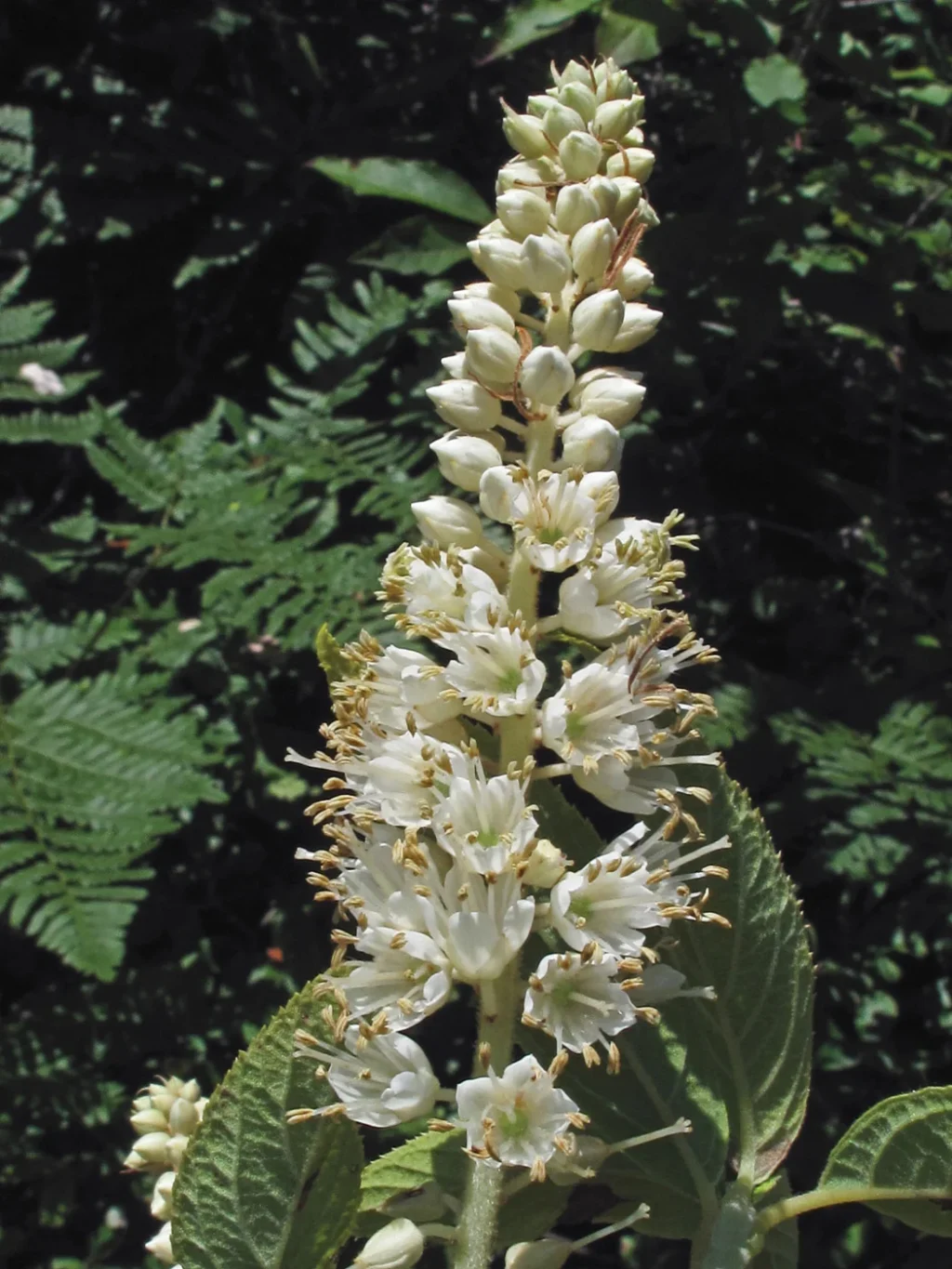
Cinnamon clethra offers a superior alternative that provides similar pollinator-attracting benefits without the ecological downside. Beyond its "buzzy" appeal to bees and butterflies, this shrub serves as a masterclass in multi-season interest:
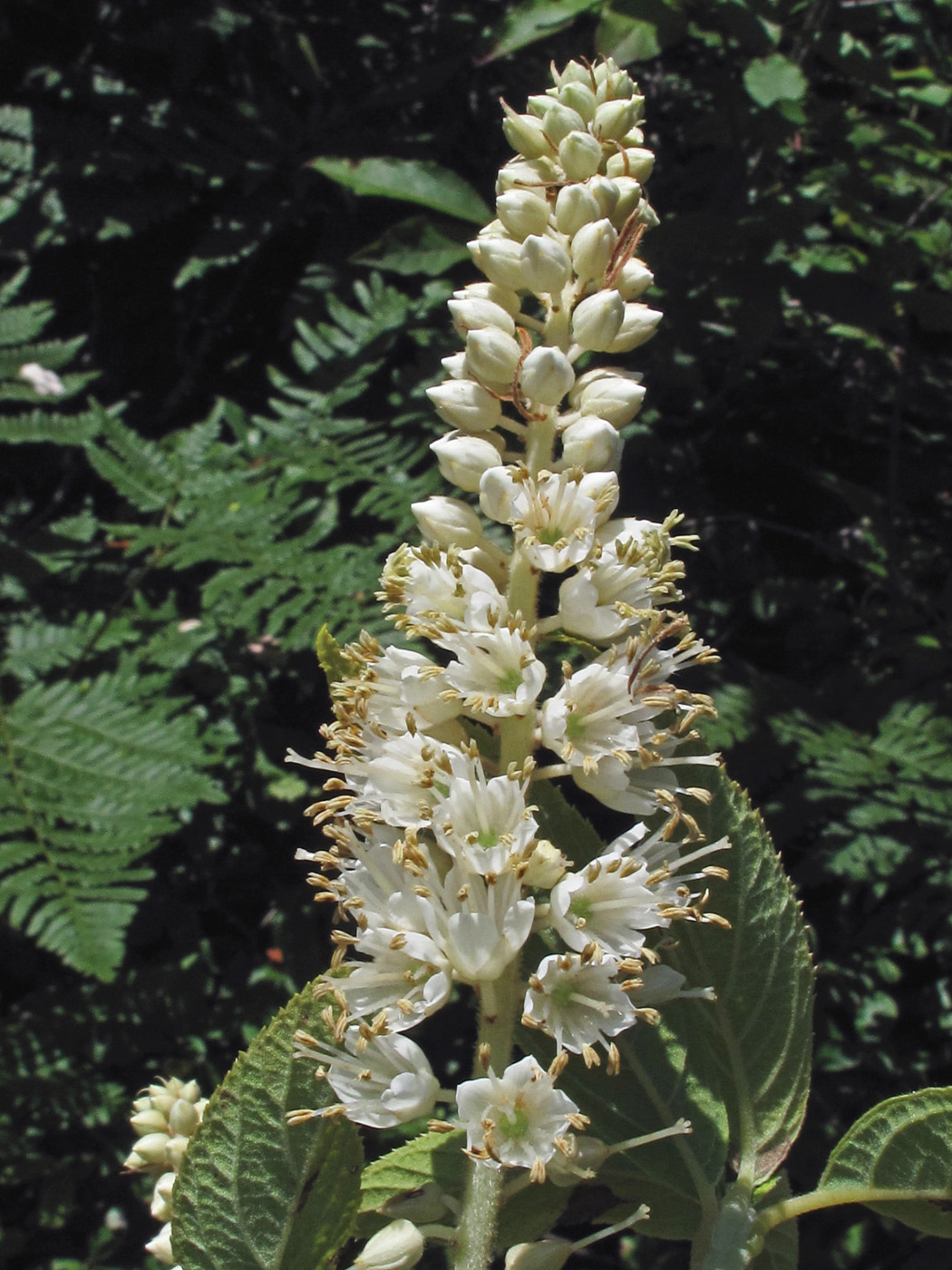
- Fragrant Blooms: It produces delicate, arching flowers in the heat of summer, even thriving in shadier spots where many other flowering shrubs struggle.
- Autumnal Brilliance: As temperatures drop, its foliage turns a rich, golden yellow.
- Architectural Bark: The most striking feature is its exfoliating, cinnamon-colored bark, which provides winter interest long after the leaves have fallen.
Unlike the Buddleia, which often grows into a tangled, woody mess requiring constant pruning, cinnamon clethra possesses a naturally elegant, layered habit. In cooler zones of the Northeast, it handles full sun with ease, while its shade tolerance provides unmatched versatility for the woodland-edge garden.
2. ‘Marie Hoffman’ Roseshell Azalea: The Native Rival to Asian Imports
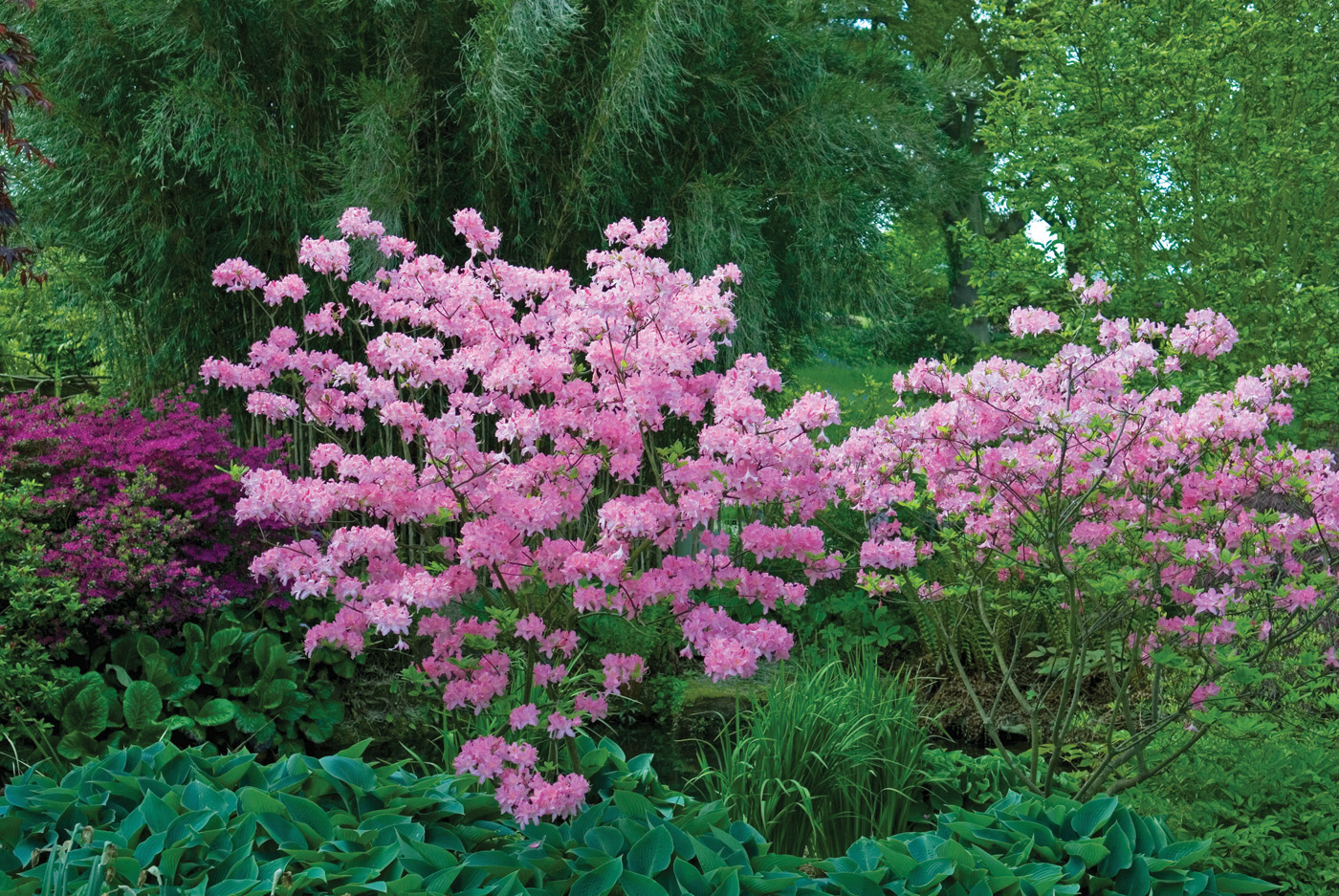
Each spring, garden centers are flooded with Asian azalea varieties. While they offer a quick splash of color, they are often sterile in terms of their contribution to the local ecosystem. The ‘Marie Hoffman’ roseshell azalea (Rhododendron prinophyllum) stands as a vibrant, native alternative that refuses to sacrifice beauty for ecological integrity.
Balancing Beauty and Utility
This native cultivar boasts large, fragrant trusses of bright pink flowers that appear early in the spring, often before the foliage emerges. These blooms serve as a critical early-season pollen source for emerging insects, a time when food supplies are notoriously scarce.
Key Considerations for the Home Gardener:
- Foundation Potential: With its vivid green foliage that transitions to deep red in the fall, ‘Marie Hoffman’ serves as a perfect foundation plant.
- Adaptability: It is remarkably hardy, capable of thriving in drier soils and tolerating the slightly higher pH levels often found in suburban settings.
- The Deer Factor: While this plant is a win for pollinators, it is important to note that deer find it equally delicious. Gardeners should consider protective measures or strategic placement to ensure the plant can establish itself without becoming a woodland buffet.
3. Spicebush (Lindera benzoin): A Sculptural Powerhouse
Forsythia is the quintessential herald of spring, yet its contribution to the garden is fleeting and singular. Once the yellow flowers fade, the plant becomes largely invisible for the remainder of the year. Spicebush, by contrast, offers a more dynamic and ecologically significant presence.
Supporting the Lifecycle of Butterflies
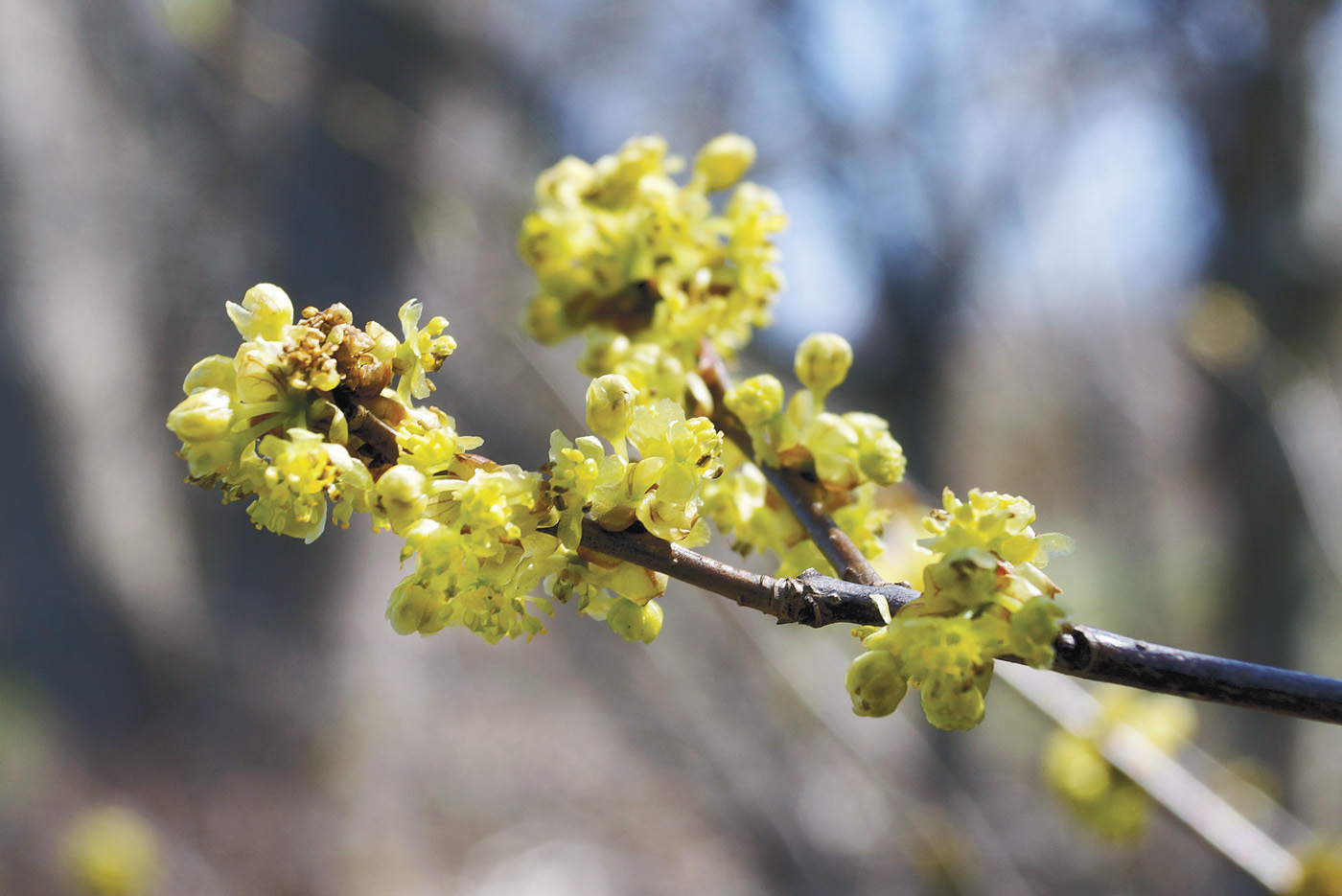
Spicebush provides a subtle, soft yellow haze of flowers early in the season, serving as an essential food source for early-season pollinators. However, its true value lies in its role as a host plant for the spicebush swallowtail caterpillar.
Beyond its biological utility, it is a plant of immense character:
- Visual Impact: It can be trained into a sculptural, focal-point specimen or massed in larger areas for high-impact woodland displays.
- Autumnal Splendor: The plant produces shiny, crimson-red berries that contrast beautifully against its golden-yellow fall leaves—a visual treat that persists until local bird populations arrive to feast.
- Site Requirements: Spicebush is an ideal choice for the damp, shadier corners of a property, though it can adapt to full sun provided the soil remains consistently moist.
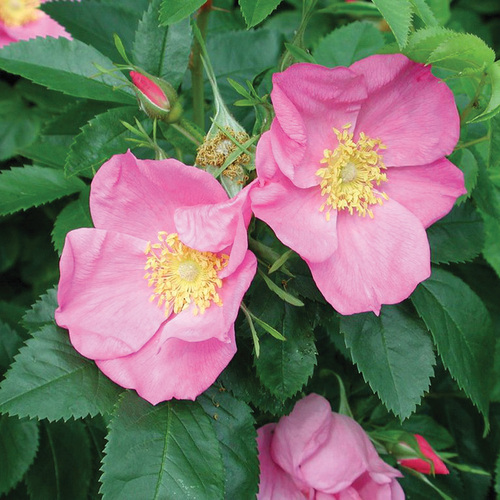
4. Virginia Rose (Rosa virginiana): Character Over Uniformity
The "big-box store" rose is often a victim of its own breeding—uniform, repetitive, and frequently requiring chemical intervention to maintain its appearance. The native Virginia rose is the antithesis of this: it is a plant of character, subtlety, and rugged resilience.
Managing the Wild Side
Virginia rose is a vigorous grower, perfect for filling large, sunny spaces. It is naturally disease-resistant and thrives in a wide range of soil conditions.
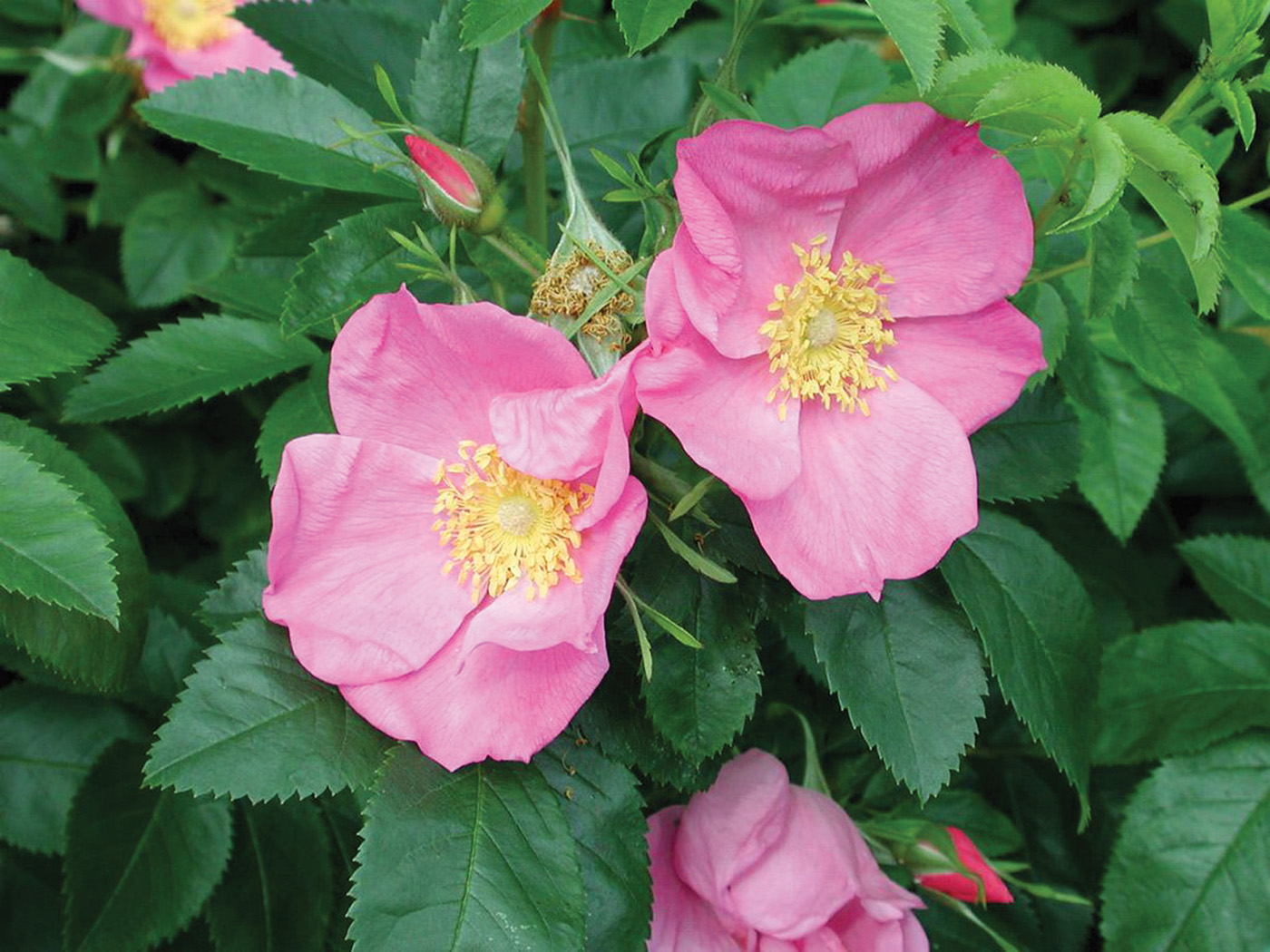
Maintenance Tips:
- Growth Habit: Because it spreads via underground runners, it is best suited for spaces where it has room to wander.
- Strategic Pruning: To keep the plant tidy, cut back older canes to about a foot in height in early spring. This promotes fresh, vigorous growth that will produce a spectacular flush of flowers.
- Winter Beauty: The real show begins in late autumn and winter, as the bright red rose hips (fruit) provide a stunning, persistent display, especially when paired with evergreens or the architectural silhouettes of ornamental grasses.
Implications for Future Landscapes
The transition to native-dominant gardening is not merely a hobbyist’s pursuit; it is a fundamental shift in how we manage the human footprint. By replacing invasive or "functionally extinct" ornamental plants with these four native shrubs, gardeners in the Northeast are actively participating in a regional effort to restore biodiversity.
A Data-Driven Approach to Resilience
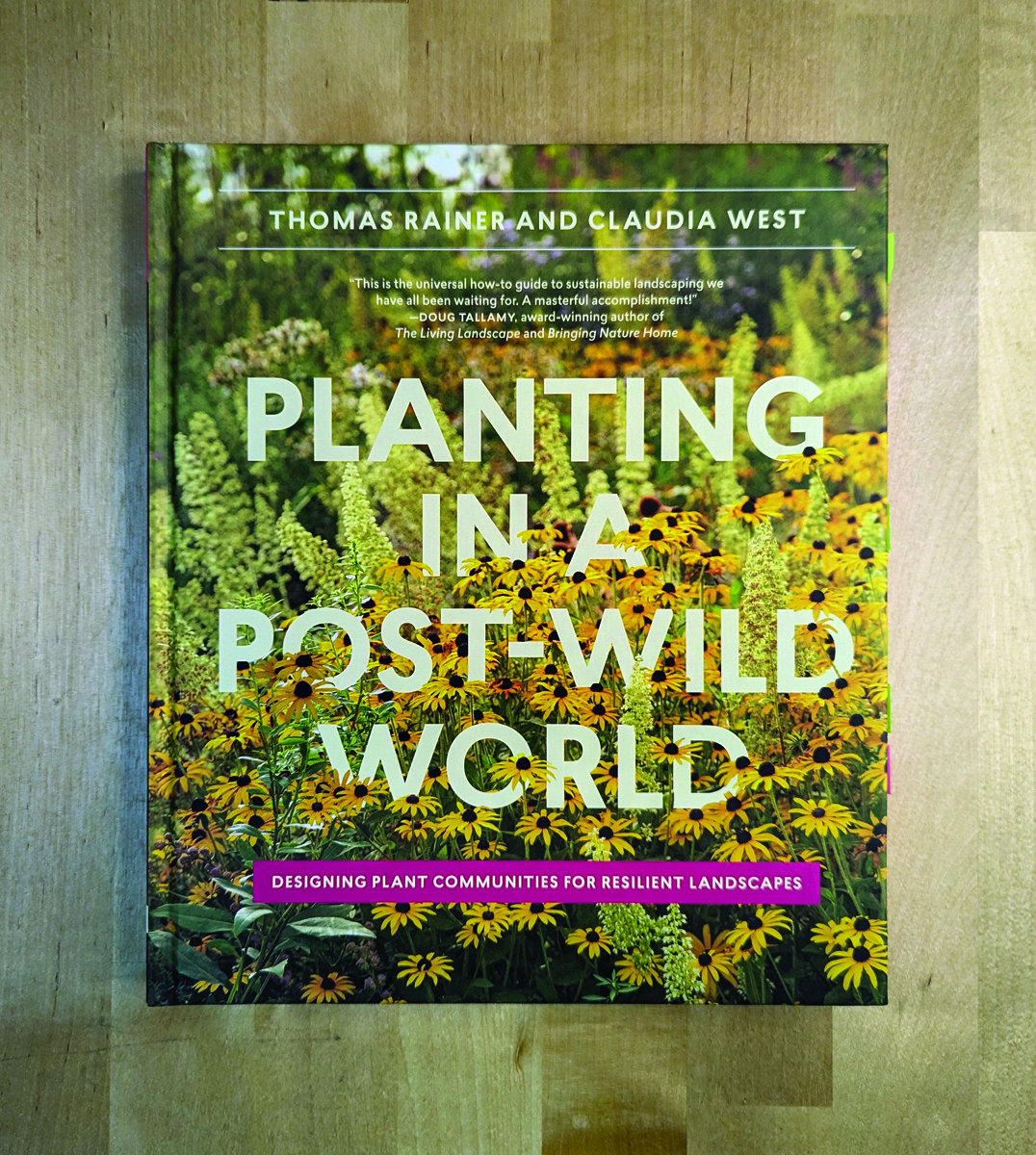
Research into "post-wild" landscapes suggests that the most successful gardens are those that mimic the complexity of natural communities. As noted in resources like Planting in a Post-Wild World by Thomas Rainer and Claudia West, the goal is to create a hybrid of the wild and the cultivated. This approach doesn’t just benefit the environment; it lowers the long-term maintenance burden by choosing plants that are already adapted to local moisture levels, soil pH, and pest pressures.
Official Guidelines and Best Practices
When planning your native installation, consider the following:
- Assess Your Site: Before planting, evaluate your sunlight, soil drainage, and moisture retention. Even native plants need the "right plant, right place" logic to thrive.
- Start Small: You do not need to clear-cut your existing garden. Begin by removing one invasive plant and replacing it with a native alternative, such as cinnamon clethra or spicebush.
- Monitor Wildlife: The true measure of your success will be the return of local fauna. Keep a journal of the birds and butterflies you see. The increase in activity is often immediate and deeply rewarding.
As we look toward the future of the Northeast landscape, the message from experts like Chloë Bowers is clear: our gardens are not isolated spaces. They are integral pieces of a larger puzzle. By making intentional, informed choices today, we ensure a more vibrant, resilient, and beautiful environment for tomorrow. Whether you are seeking the fragrant blooms of a roseshell azalea or the sculptural grace of a spicebush, the path toward a more ecological garden begins with a single, native choice.