Behind the Lens: A Recap of the Inaugural Tasty Food Photography Workshop

The world of digital content creation has shifted dramatically over the last decade, with food blogging evolving from a casual hobby into a sophisticated industry. At the heart of this evolution lies the art of food photography—a discipline that balances technical precision with culinary storytelling. Recently, the popular food blog Pinch of Yum marked a significant milestone in its journey by hosting its first-ever in-person "Tasty Food Photography Workshop," a high-intensity event that aimed to bridge the gap between amateur hobbyists and professional-grade content creators.
Main Facts: A Sold-Out Success
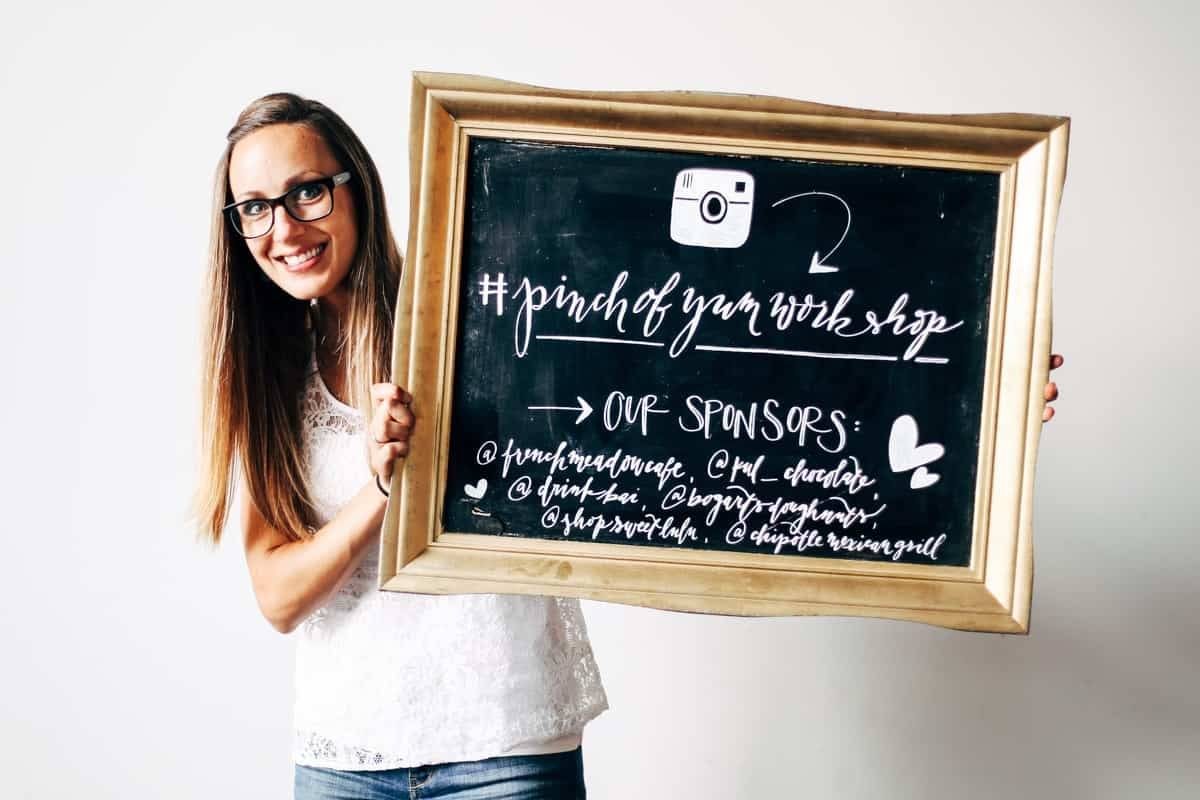
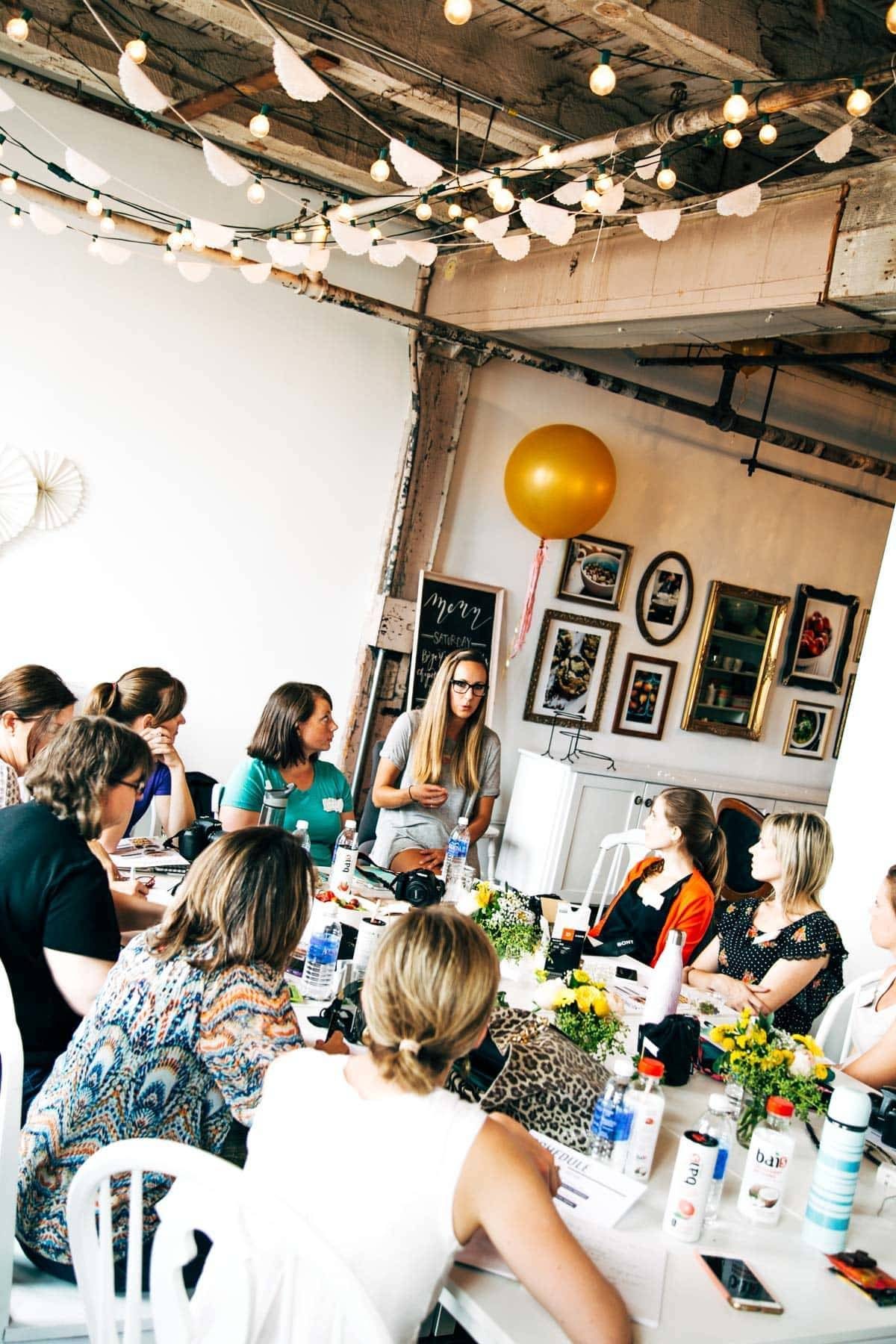
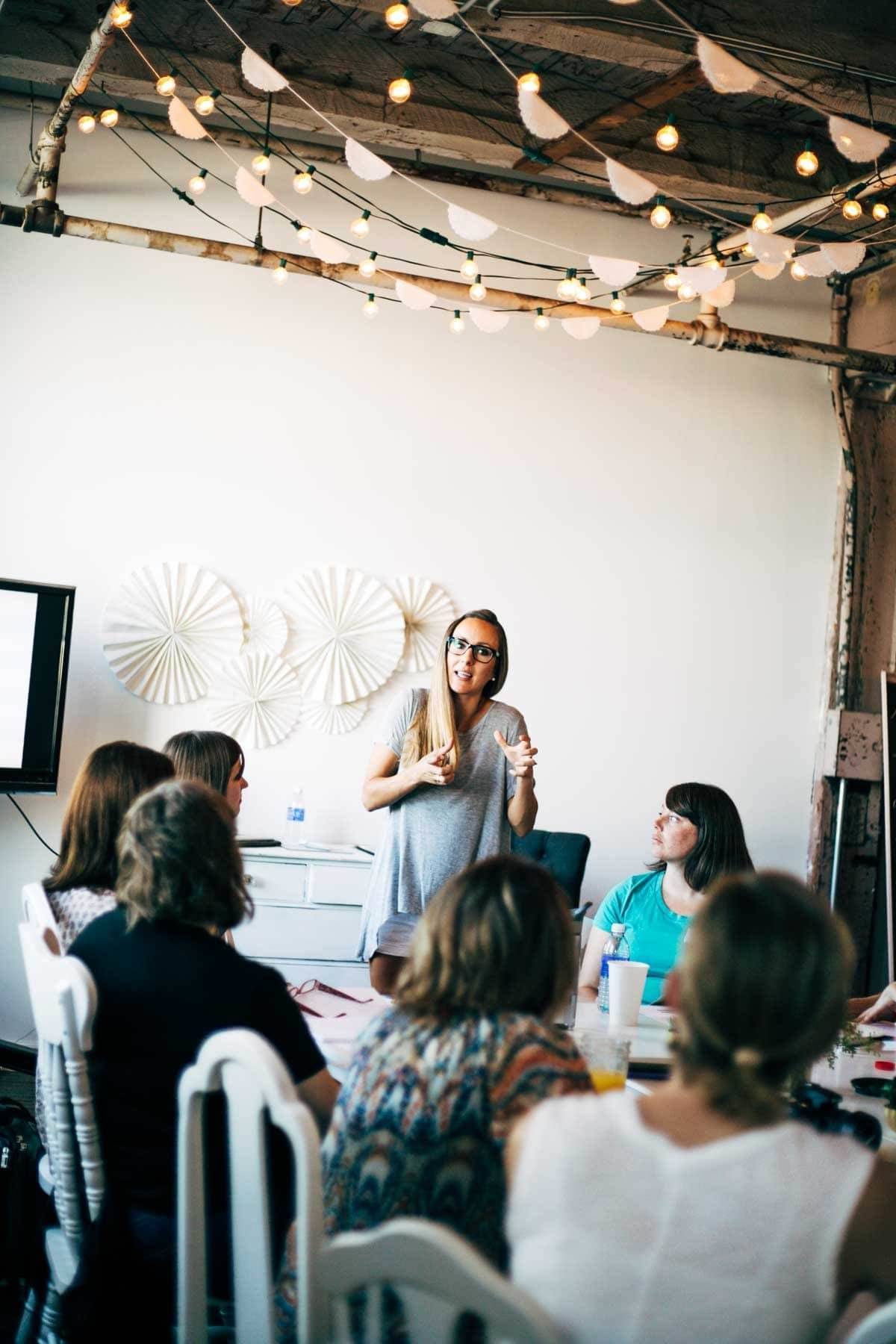
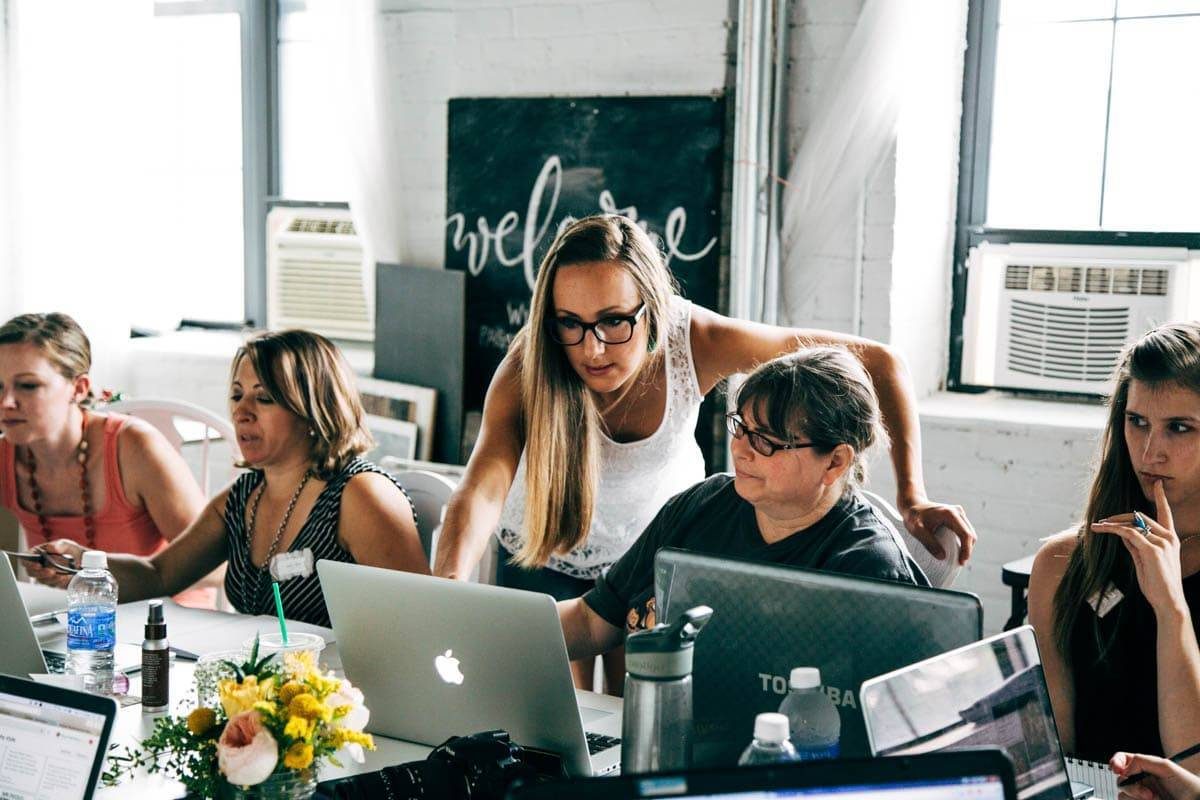
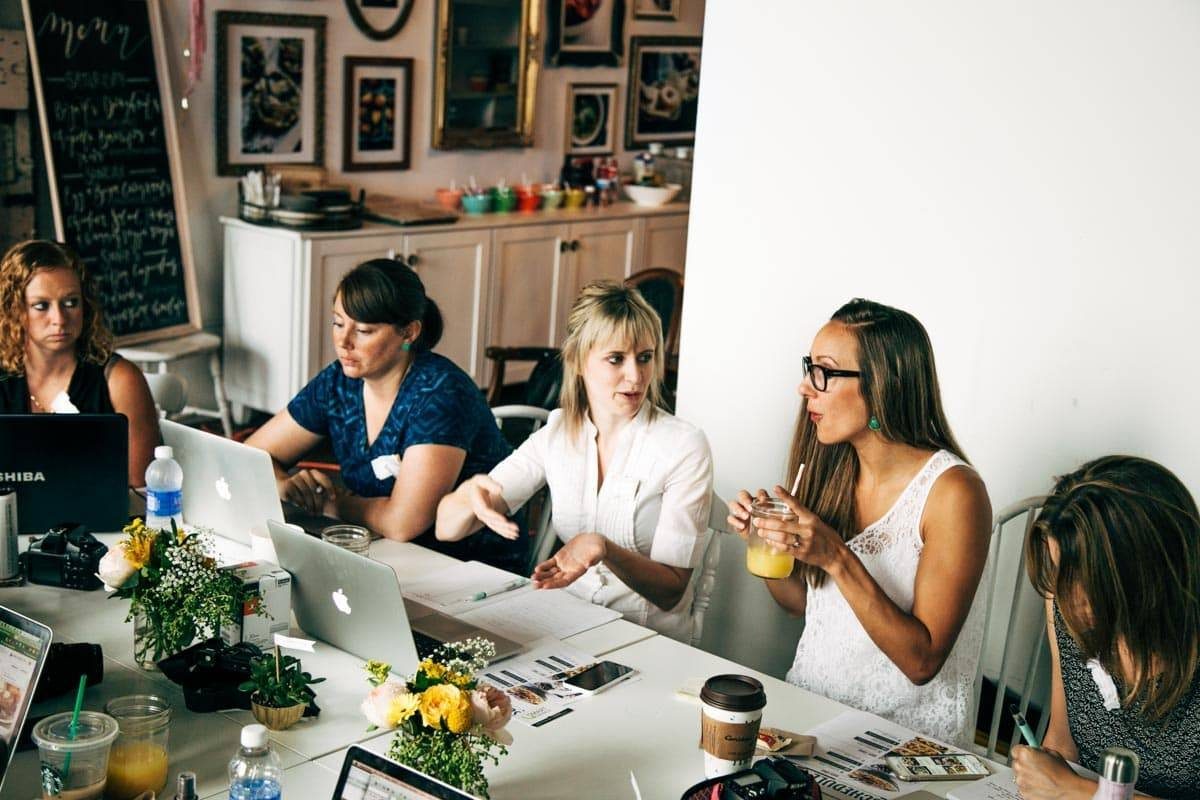
The inaugural workshop, held over a high-energy weekend, represented a departure from the digital-only tutorials typically offered by the brand. The event was characterized by its exclusivity and high demand, selling out completely in just over 24 hours. Attendees gathered for an immersive, hands-on experience designed to demystify the complexities of lighting, styling, and post-processing in food photography.

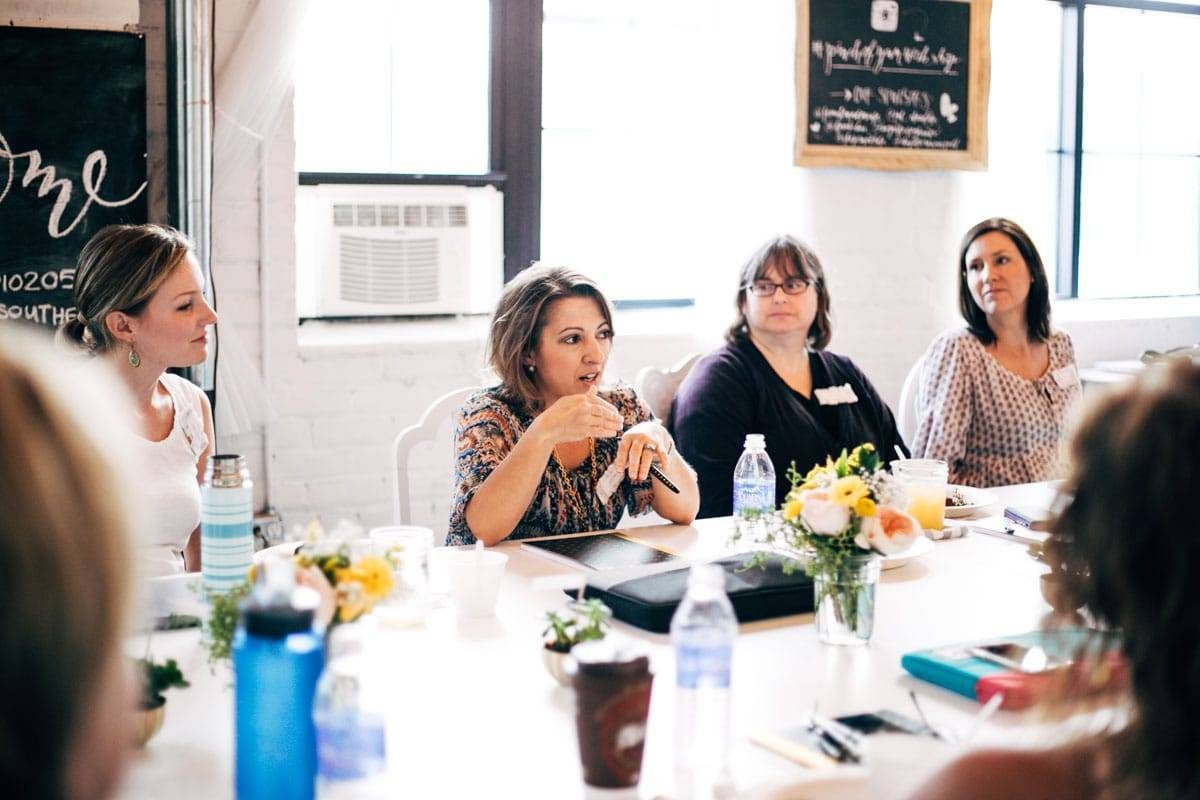
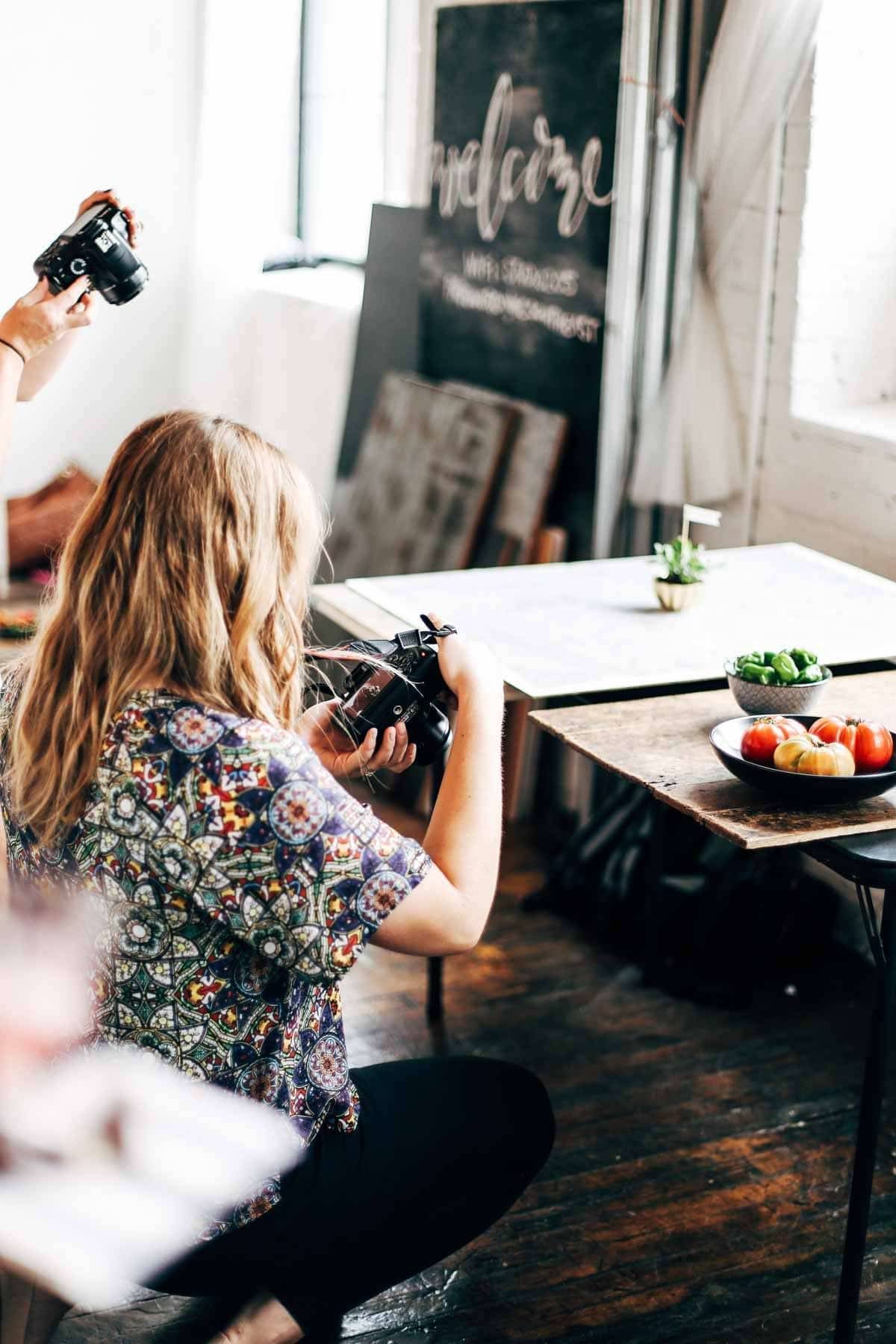
The primary objective of the workshop was to provide participants with actionable, real-world skills. Rather than relying on theoretical lectures, the event focused on the "in-the-trenches" reality of professional photography. By inviting participants into a studio environment, the organizers aimed to foster a collaborative atmosphere where the nuances of composition, color theory, and technical equipment could be explored in real-time.
The Chronology: A Weekend of Highs, Lows, and Pivot Points
The weekend was not without its dramatic flair, serving as a reminder that even the most well-planned events are susceptible to the unpredictability of live production.
Friday: The Anticipation
The period leading up to the Friday kickoff was marked by intense preparation. For the organizers, the hours preceding the event were a blur of logistics, final checklists, and the common, yet daunting, "pre-event jitters." The mental hurdle of preparing to lead a workshop of this magnitude was significant, with the organizers balancing the desire for perfection against the reality of potential logistical failures.

Saturday: The Technical Challenges
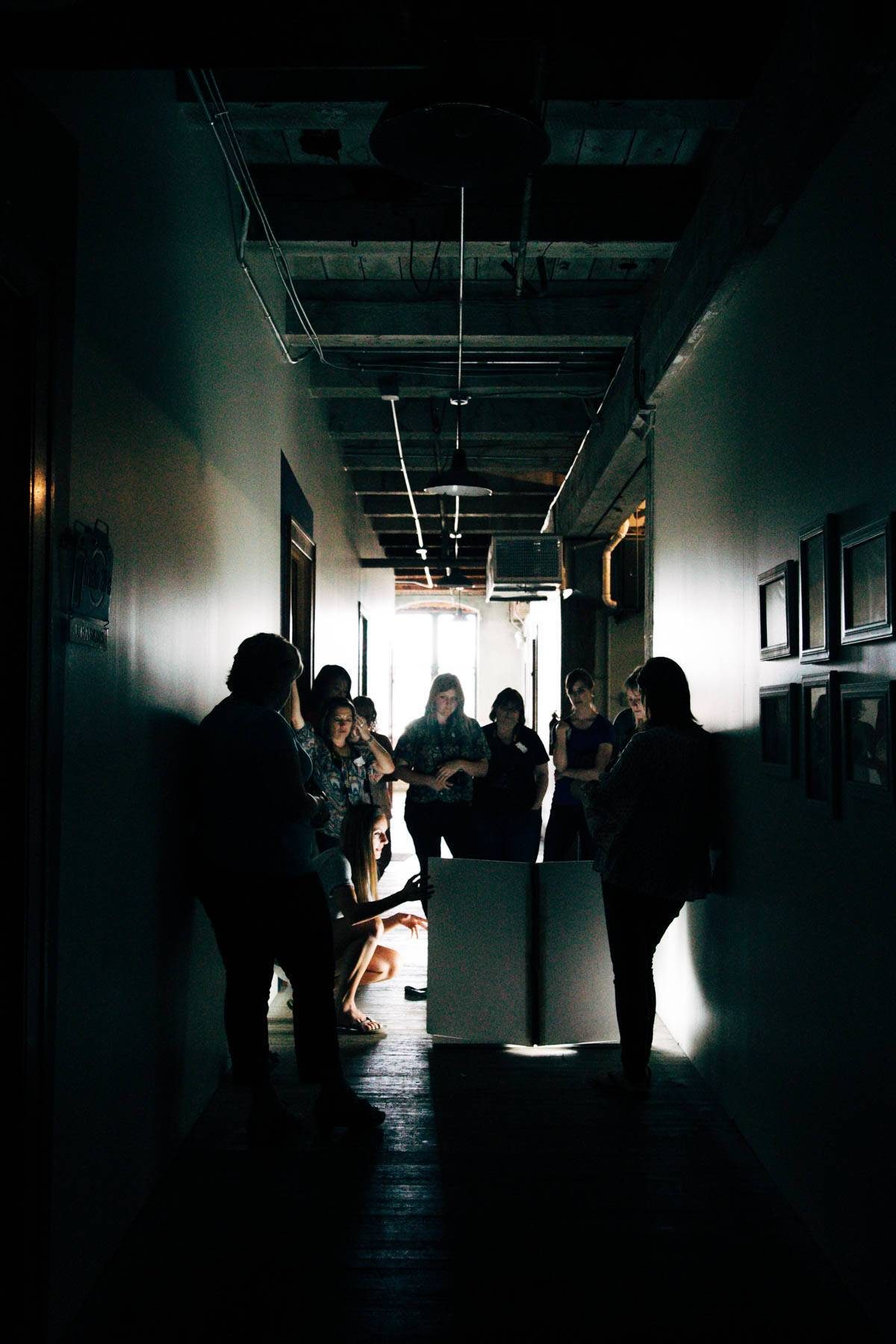
The event hit its first major hurdle on Saturday when a power failure disabled half of the studio’s electrical systems. Occurring in the middle of a high-humidity, 90-degree summer day, the outage threatened to derail the entire schedule. With no building staff on-site to assist, the team was forced to transition into a "crisis management" mode.
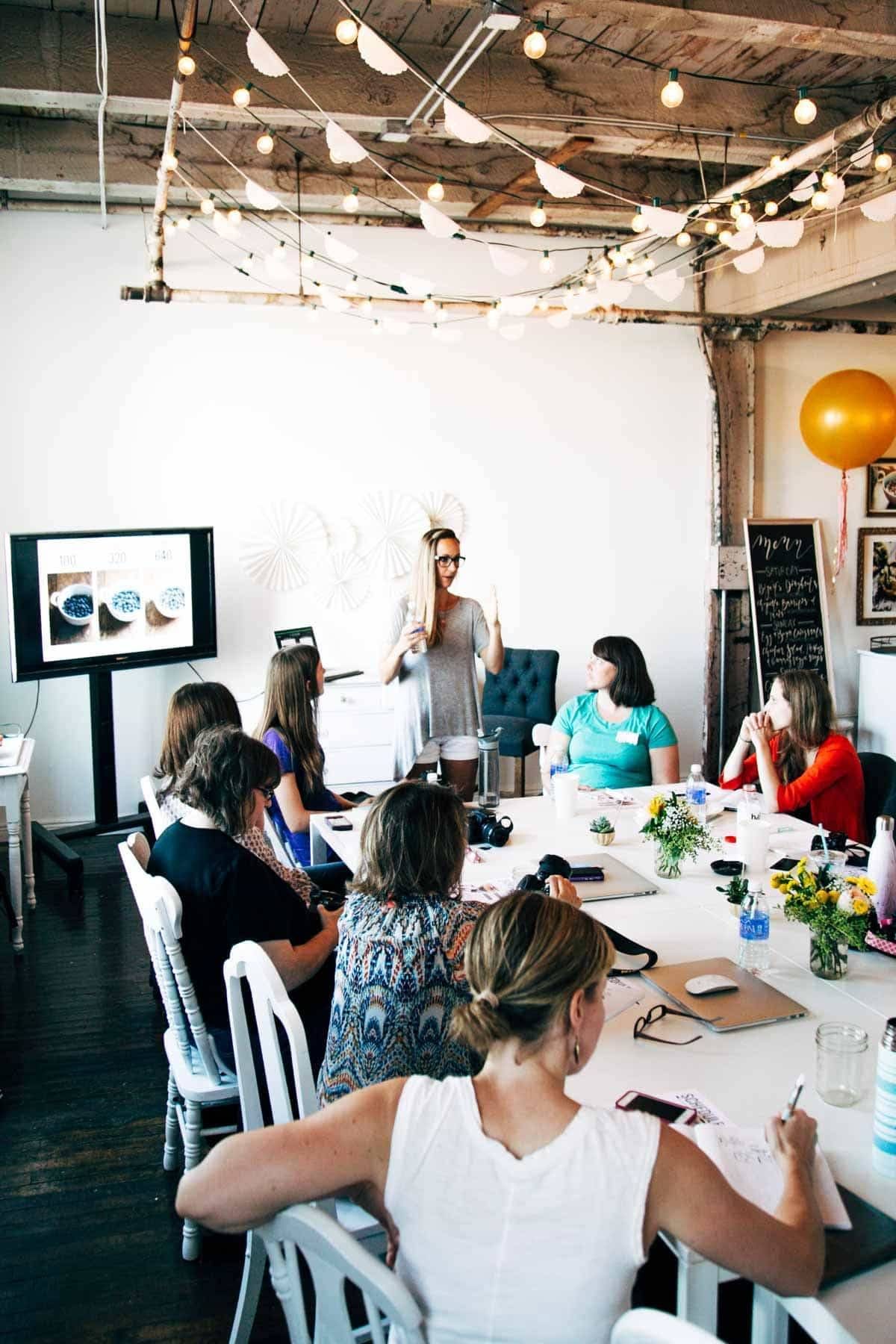
By rigging improvised power solutions, the team managed to keep the equipment running and the environment manageable for the attendees. This moment underscored a vital lesson in event management: the importance of a resilient team. The ability to pivot under pressure allowed the workshop to continue without the attendees feeling the full weight of the technical collapse.

Sunday: The Resolution
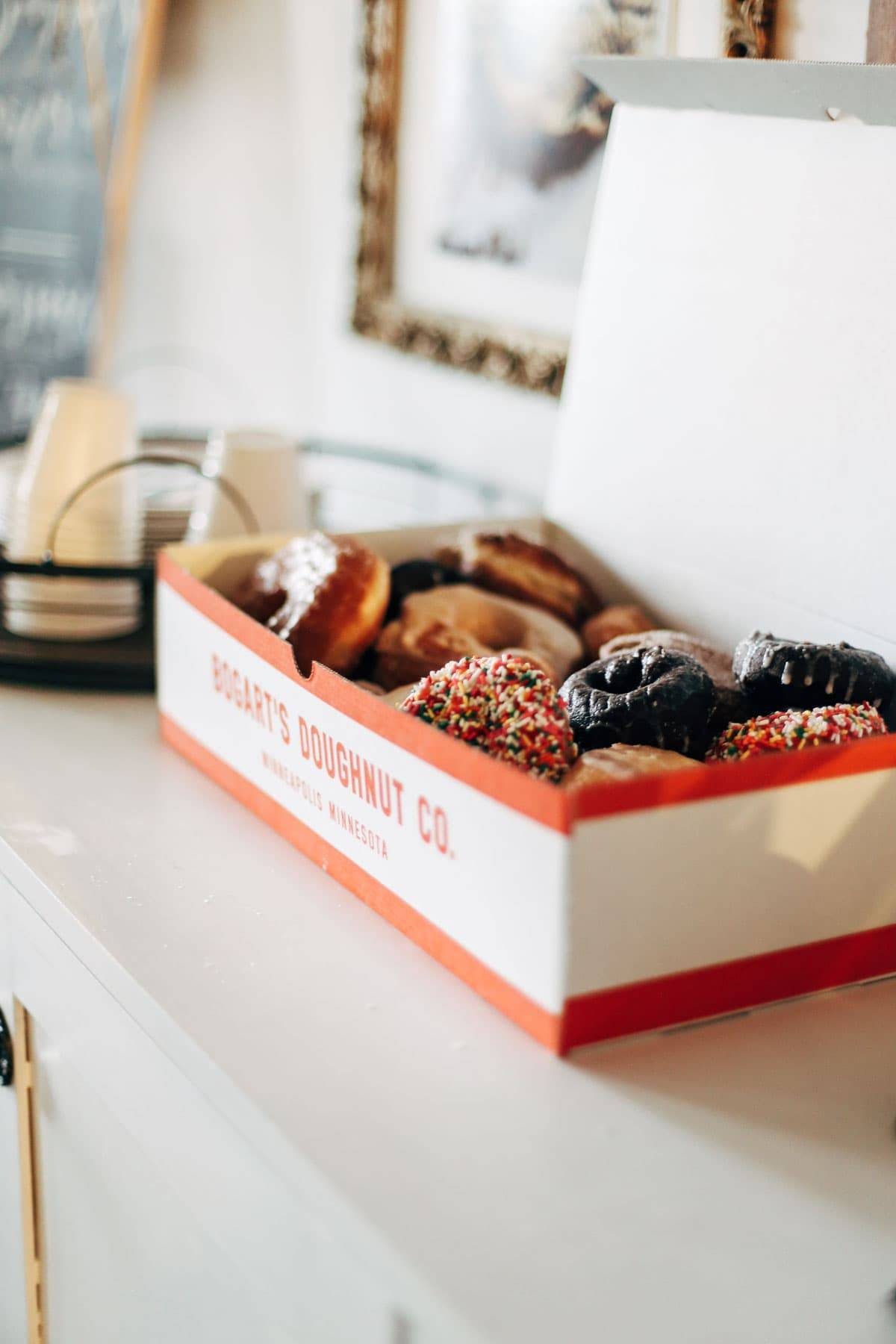
By Sunday morning, the atmosphere had shifted from high-anxiety to a shared sense of accomplishment. A minor setback occurred when it was discovered that a refrigerator had been left open overnight, compromising the food props intended for breakfast. A swift, high-speed trip to a local grocery store saved the morning. By the time the event concluded, the exhaustion of the organizers was eclipsed by the successful execution of the curriculum. The wrap-up—a casual meal of reubens and spinach-artichoke dip—served as a symbolic bookend to the weekend’s intensity.
Supporting Data and Industry Context
The rapid sell-out of the workshop is indicative of a broader trend in the creator economy: the growing demand for specialized, niche education. While free resources are abundant online, there is a clear market premium for in-person, mentor-led instruction.
- Registration Velocity: The workshop reached capacity in under 24 hours, suggesting a high level of brand loyalty and an untapped demand for advanced photography training.
- Engagement Metrics: The reliance on a "notification list" for future events has proven to be a highly effective strategy, ensuring that the organizers maintain a direct line of communication with their most dedicated audience members.
- Economic Factors: The transition from blogging as a creative outlet to a business venture requires a mastery of technical assets. For many attendees, the investment in this workshop was viewed as a career-advancing step in the competitive landscape of food media.
Official Perspectives: The Value of Community
Reflecting on the weekend, the organizers emphasized that the most valuable aspect of the workshop was not necessarily the technical instruction, but the collaborative environment.
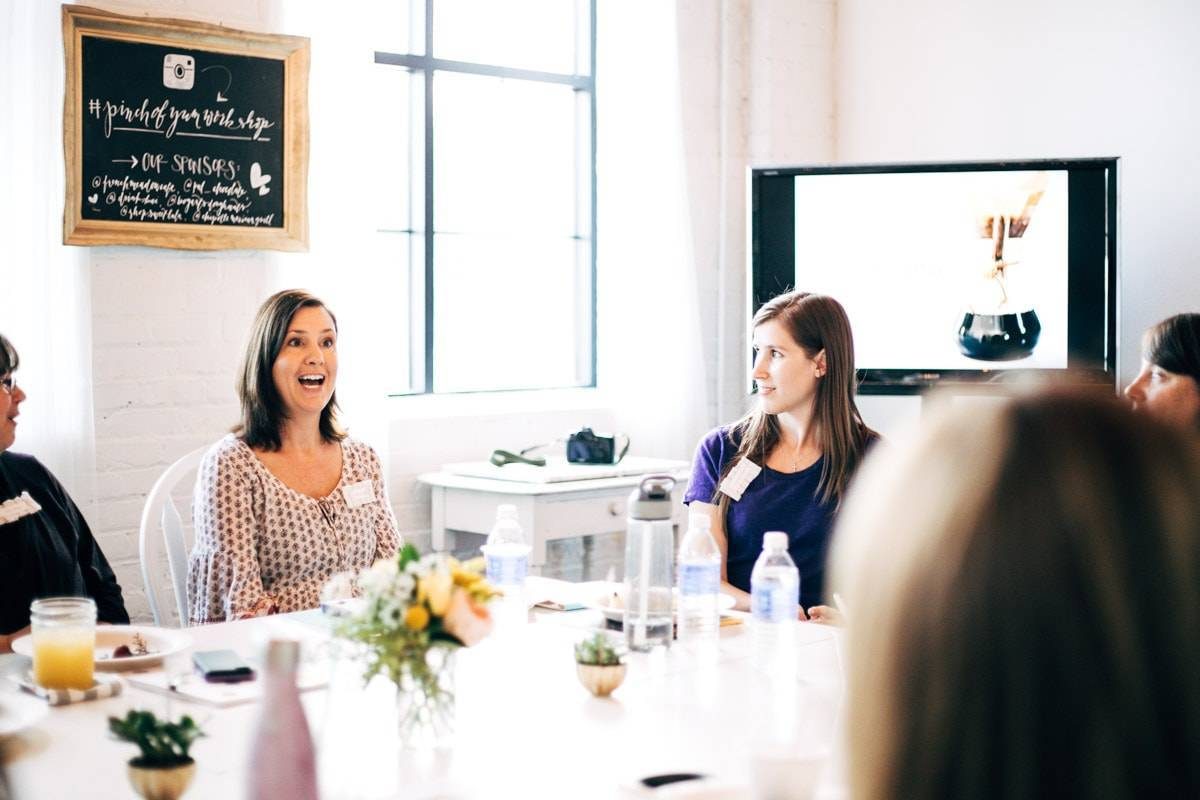
"Don’t go it alone," was the primary takeaway shared by the lead organizers. The success of the event was attributed entirely to the team working behind the scenes. This philosophy of community over isolation is a cornerstone of the Pinch of Yum brand, which has consistently advocated for transparent, shared learning in an industry that can often feel fragmented.
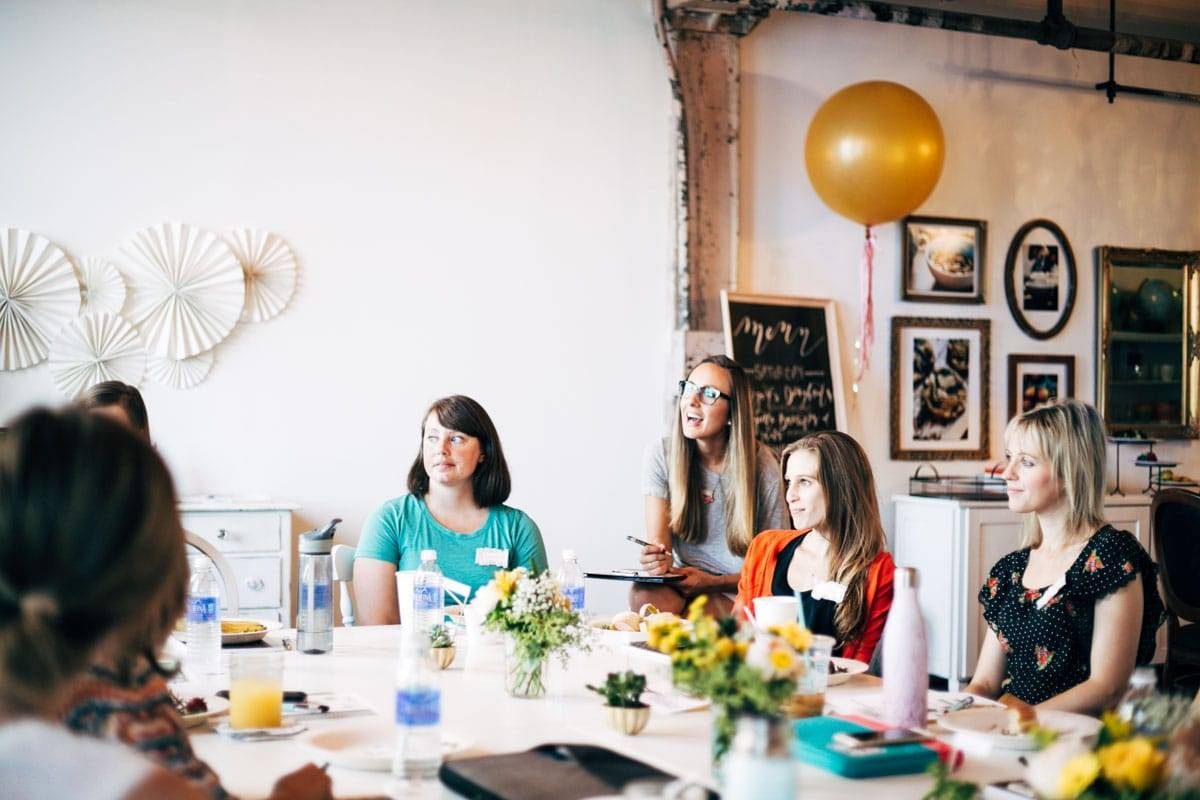
The organizers noted that the "teacher heart" driving the event was fueled by the participants’ enthusiasm. The shared goal of "back-to-school" energy—a metaphorical reset for many creators—provided a backdrop for a weekend of intense learning, creative experimentation, and networking.
Implications for Future Industry Events
The success of this pilot workshop has significant implications for the future of digital content education.
1. The Power of Exclusivity
The "sold-out in 24 hours" statistic highlights that scarcity is a powerful driver of engagement. By limiting the number of attendees, the organizers were able to provide a high-touch, intimate experience that larger conferences cannot replicate.
2. The Necessity of Flexibility
The "moments" of crisis—the power outage and the refrigerator mishap—actually served to humanize the organizers. In an era of curated, "perfect" Instagram feeds, showing the behind-the-scenes struggles created a deeper level of trust with the audience. Future events in this space should prioritize authenticity, as attendees value seeing how professionals navigate real-world problems.

3. A Shift Toward Hybrid Learning
While this event was purely in-person, the continued use of email notification lists and digital follow-ups suggests a hybrid model. The organizers are already looking toward the next round of workshops, indicating that this is no longer a one-off experiment but a sustainable part of their business model.
4. Professionalization of the Hobbyist
The attendees were not merely looking for "photography tips"; they were looking for a roadmap to professionalize their work. This signifies a maturation of the food blogging market. As the barriers to entry in content creation drop, the differentiator becomes the quality of the photography and the narrative depth of the storytelling.

Conclusion: Looking Ahead
As the summer concludes and the industry shifts into the busy fall season, the lessons learned from this workshop will undoubtedly influence the next phase of Pinch of Yum’s offerings. The organizers have already confirmed that they are actively planning future workshop dates, with an emphasis on creating a waiting list to manage the overwhelming demand.
For those interested in participating in future sessions, the recommendation remains clear: join the official notification list. As the inaugural workshop proved, the window to secure a spot is narrow, and the demand for this level of training shows no signs of waning.
Beyond the technical skills of aperture settings and lighting ratios, the weekend served as a reminder that the most important element of any creative endeavor is the people behind it. Whether in the studio or in the kitchen, the intersection of passion, technical skill, and community remains the key to "tasty" results. As the blog shifts its focus toward new content—including upcoming features on classic staples like garlic, butter, and basil—the foundation laid during this weekend of intense, sweaty, and ultimately successful learning will surely be reflected in the quality of the work to come.