The Hidden Threat on Your Plate: How Unhealthy Meals Cripple Arteries and How Exercise Can Offer a Timely Defense
FOR IMMEDIATE RELEASE
[City, State] – [Date] – A growing body of scientific evidence is shedding light on the immediate and profound impact of unhealthy meals on our cardiovascular system, revealing that a single high-fat or high-sodium meal can trigger a cascade of detrimental effects on artery function. However, new research also offers a glimmer of hope: a strategic window of physical activity can help mitigate some of this damage, emphasizing the critical interplay between diet, exercise, and arterial health.
Main Facts: Unmasking the Immediate Arterial Assault
The conventional wisdom often focuses on the long-term consequences of poor dietary habits, such as the gradual build-up of plaque leading to atherosclerosis. Yet, studies now demonstrate that the threat to our arteries is far more immediate, manifesting within hours of consuming certain foods. High-fat meals, particularly those rich in saturated fats and cholesterol, have been shown to acutely impair arterial function, reducing the vessels’ ability to expand and contract effectively. Similarly, excessive sodium intake, independent of its well-known effect on blood pressure, also contributes to this arterial distress.
Crucially, researchers have identified a specific window of opportunity during which physical activity can act as a potent countermeasure. Engaging in moderate-intensity exercise shortly before or after an unhealthy meal appears to offer a protective effect, helping to clear harmful fats from the bloodstream and preserve vascular integrity. This finding underscores the dynamic nature of our cardiovascular system and its susceptibility to both dietary challenges and lifestyle interventions.
Chronology of Impairment: From Plate to Plaque Potential
The journey from an unhealthy meal to compromised arterial function unfolds with remarkable speed. Previous research has already established that a single meal high in saturated fat can lead to impaired artery function, observable even in peripheral vessels like those in the arm. However, the more alarming revelations concern the heart’s own critical blood supply.
The High-Fat Meal Experiment:
In a pivotal study, researchers meticulously designed an experiment to observe these immediate effects. They randomized male participants to consume one of two distinct meals:
- High-Fat Meal: Comprising over 60% fat, with half of that being saturated fat, and containing cholesterol equivalent to more than one egg. This meal was designed to mimic the typical Western fast-food fare.
- Low-Fat Meal: Predominantly carbohydrate-based, with less than 10% fat and a drastically reduced cholesterol content (50 times less than the high-fat meal). Both meals were calorically matched to ensure a fair comparison.
Immediate Impact on Coronary Arteries:
The results were stark. Within hours of consuming the high-fat meal, the function of the left anterior descending coronary artery – ominously dubbed the "widow-maker" due to its critical role in supplying blood to the heart and the severe consequences of its blockage – showed significant impairment. Doppler recordings, which measure blood flow velocity, vividly illustrated this decline. Before the high-fat meal, a strong, consistent signal indicated healthy blood flow. However, just five hours post-consumption, the signal appeared constricted, visibly "squeezed down."
This visual evidence was corroborated by measurements of coronary flow reserve. This vital physiological metric represents the heart’s extra capacity to increase blood flow to compensate when a part of a coronary artery is blocked or narrowed. Essentially, it’s the artery’s ability to expand beyond its resting state to deliver more oxygenated blood when needed. The study found that after the high-fat meal, this critical reserve significantly decreased, while the low-fat meal, despite having the same calorie count, caused no such reduction. This clamping down of coronary flow reserve undermines the heart’s inherent ability to protect itself against existing or nascent blockages, potentially increasing vulnerability to cardiac events.

Visible Evidence Beyond the Heart:
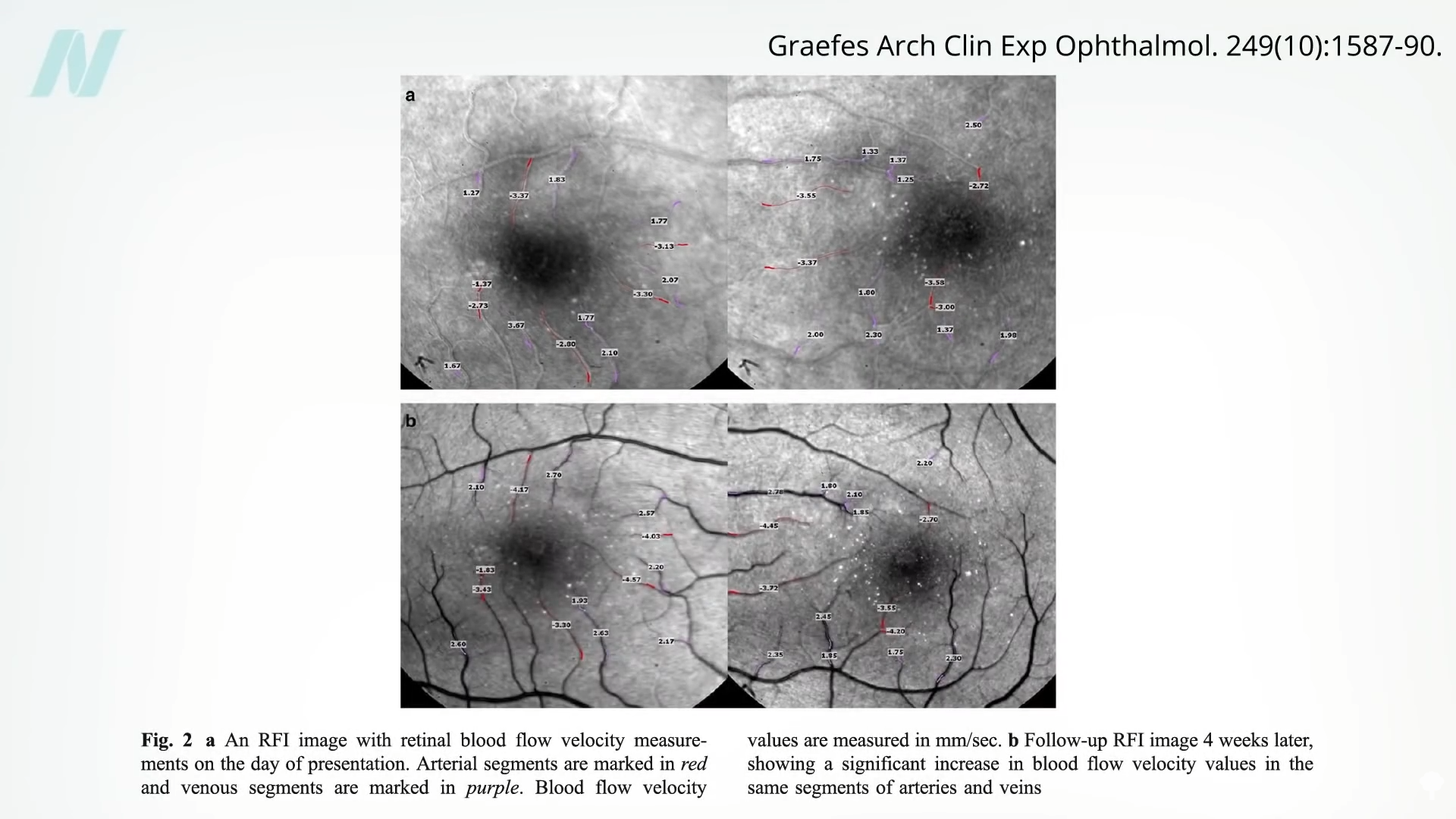
The systemic impact of such dietary choices can even be observed in the delicate vasculature of the retina. In extreme cases of postprandial lipemia – the presence of excess fat in the blood after a meal – images of the back of the eye can reveal dramatic changes. Initially, retinal blood vessels may appear milky-colored, indicative of a high concentration of lipids in the bloodstream. Following dietary interventions, such as a low-fat diet combined with lipid-clearing medications, these vessels revert to their normal, clear appearance, offering a striking visual testament to the body’s rapid response to dietary fat. The transformation from "milkshake blood" to clear blood underscores the immediate and widespread circulatory impact of dietary choices.
Supporting Data: Exercise as an Antidote
While the immediate arterial damage caused by unhealthy meals is concerning, scientific inquiry has also focused on potential remedies. Post-meal inflammation and the extended elevation of fats in the blood (postprandial lipemia) are recognized contributors to increased cardiovascular disease risk. However, substantial evidence now suggests that acute exercise can be a powerful tool to counteract these negative effects.
The Exercise Window of Opportunity:
Studies have demonstrated that physical activity helps clear excess fat from the bloodstream after a meal. This beneficial effect, however, is not a permanent fix but rather a relatively short-lived phenomenon. The crucial takeaway is the existence of a specific "time window" for exercise to be most effective: approximately 18 hours before the meal and extending to about 90 minutes after the meal. This suggests that both pre-meal and immediate post-meal activity can play a role in mitigating the arterial impact.
Regarding the intensity and duration, research indicates that about an hour of moderate-intensity exercise is generally sufficient to elicit these protective effects. This could include brisk walking, cycling, or other activities that elevate the heart rate without being overly strenuous.
Real-World Application: The McDonald’s Breakfast Study:
To illustrate this principle in a relatable context, another compelling study examined the effects of a typical fast-food breakfast combined with intermittent physical activity. Participants consumed a substantial McDonald’s breakfast, which included hash browns, eggs, pancakes, an English muffin, sausage, and a milkshake – a meal notorious for its high fat and calorie content.
Following this indulgent meal, one group of subjects remained sedentary, mimicking common post-meal behavior. Predictably, their artery function significantly decreased. However, a second group engaged in a structured exercise regimen: 20 minutes of stair climbing, broken into five-minute intervals every hour for four hours after eating. The results were remarkable. In the group that performed the hourly stair-climbing exercises, the significant decrease in artery function observed in the sedentary group was attenuated.
This finding suggests that even short, intermittent bursts of activity can combat the negative effects of both prolonged sitting and the consumption of a high-fat meal. The researchers concluded that "stair climbing should be incorporated as an easily accessible lifestyle strategy to protect vascular [artery] function." While this offers a practical solution for occasional dietary lapses, the overarching message remains clear: the most effective way to protect artery function is to avoid such unhealthy meals in the first place.
The Sodium Threat: Beyond Blood Pressure:
Beyond fat, the silent culprit of sodium also poses a significant threat to arterial health. The aforementioned McDonald’s breakfast, for instance, would contain more than 2,000 mg of sodium – well above the American Heart Association’s recommended daily limit of 1,500 mg for most adults.
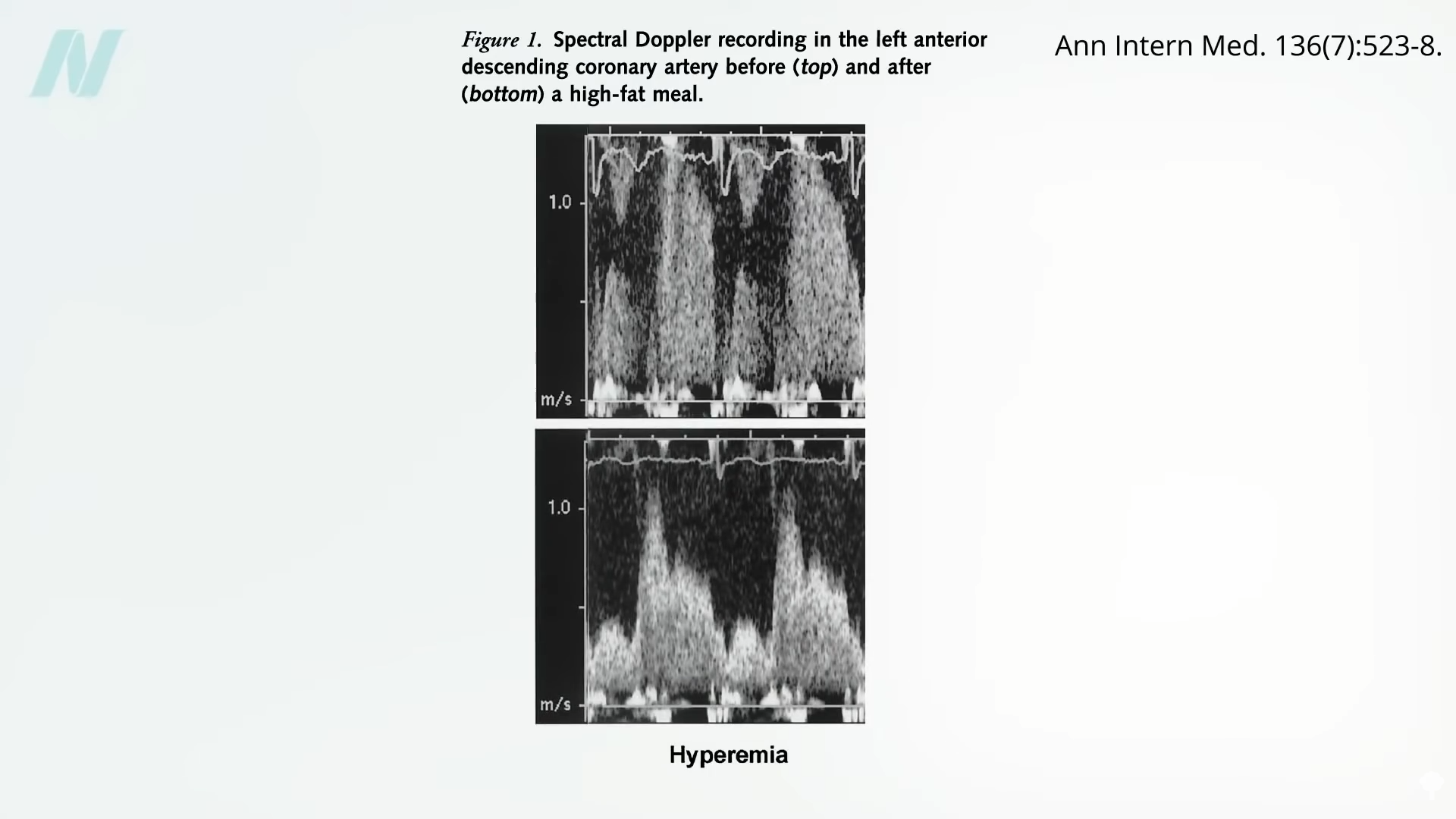
Studies have shown that even a meal with a moderately high salt content, significantly less than the McDonald’s example (e.g., one-third less), can impair artery function within an hour of consumption. Crucially, this impairment occurs independently of any increase in blood pressure. This challenges the common perception that salt’s harm is solely mediated by hypertension.
Salt Sensitivity vs. Arterial Health:
The discussion around salt intake often differentiates between "salt-sensitive" individuals, who experience a notable spike in blood pressure after consuming salt, and "salt-resistant" individuals, whose blood pressure remains relatively stable regardless of salt intake. For a long time, it was thought that salt-resistant individuals might be exempt from the negative consequences of high sodium. However, research emphatically refutes this.
High dietary sodium intake has been shown to reduce artery function regardless of whether an individual is salt-sensitive or salt-resistant. The transition from a low-salt to a high-salt diet consistently impairs artery function in both groups. This underscores that the influence of dietary salt extends beyond systemic blood pressure regulation, directly affecting the endothelium – the inner lining of blood vessels – and its ability to function optimally.
Despite some dissenting voices, often funded by industry interests, the scientific consensus is robust: sodium, not its reduction, is "the real villain" when it comes to arterial health. This aligns with the evidence regarding saturated fat from sources like meat, dairy, and ultra-processed junk foods.
Official Responses and Expert Consensus
The findings presented align with and reinforce the long-standing recommendations from leading health organizations worldwide. The American Heart Association (AHA), for example, has consistently advocated for a reduction in saturated fat and sodium intake to prevent cardiovascular disease. Their guidelines emphasize a diet rich in fruits, vegetables, whole grains, and lean proteins, while limiting processed foods, sugary drinks, and foods high in unhealthy fats and sodium.
The immediate impact observed in these studies highlights the urgency of adhering to these guidelines. It suggests that even occasional indulgence in high-fat, high-sodium meals can momentarily compromise arterial health, potentially contributing to cumulative damage over time, especially in individuals with pre-existing risk factors or underlying cardiovascular conditions.
The World Health Organization (WHO) similarly recommends limiting saturated fat intake to less than 10% of total energy intake and keeping sodium consumption below 2,000 mg per day, with an ideal target closer to 1,500 mg for many adults. The scientific evidence clearly supports these preventive measures as fundamental for maintaining optimal vascular function and overall heart health.
Implications: Beyond the Meal
The implications of this research are far-reaching, extending beyond individual dietary choices to public health policy and the food industry.
For Individuals:
- Mindful Eating: This research serves as a powerful reminder that every meal has an immediate impact on our bodies. Choosing whole, unprocessed foods low in saturated fat and sodium is paramount for arterial health.
- Strategic Movement: While dietary prevention remains the primary strategy, incorporating physical activity around meals can offer a valuable layer of protection. This doesn’t necessarily mean a gym session after every meal; even short walks or stair climbing can make a difference. The message is not to "exercise away" a bad diet, but rather to understand that movement is a continuous requirement for vascular health.
- Understanding Food Labels: Consumers must be empowered to read and understand nutrition labels, paying close attention to saturated fat, cholesterol, and sodium content, especially in processed and fast foods.
For Public Health:
- Education and Awareness: There is a need for continued public health campaigns to educate individuals about the immediate effects of diet on arterial health, not just the long-term risks.
- Policy Interventions: Policies aimed at reducing sodium and unhealthy fats in the food supply, such as stricter food labeling regulations, taxes on unhealthy foods, and limits on marketing to children, could have a significant impact on population-level arterial health.
- Promoting Active Lifestyles: Encouraging physical activity throughout the day, including short bursts of movement, can help counteract the pervasive sedentary lifestyles prevalent in modern society.
For the Food Industry:
- Reformulation: The food industry has a responsibility to reformulate products to reduce saturated fat, cholesterol, and sodium content, offering healthier options that do not compromise arterial health.
- Transparency: Clear and accurate nutritional information is vital for consumers to make informed choices.
In conclusion, the scientific evidence is unequivocal: our arteries react swiftly and negatively to meals high in saturated fat and sodium. This immediate impairment of coronary flow reserve and overall vascular function underscores the critical importance of a healthy diet. While strategic exercise offers a valuable, albeit temporary, defense against these acute assaults, the most robust protection for our cardiovascular system lies in making consistently healthy dietary choices and maintaining a regularly active lifestyle. Understanding this dynamic interplay empowers individuals to take proactive steps towards safeguarding their heart health, one meal and one movement at a time.
Further Reading
This article is the second in a three-part series on saturated fat and artery health.
- The first installment, How a Single Meal Can Cripple Your Arteries and Lungs, delves deeper into the initial physiological responses.
- The upcoming third part, Protect Your Arteries from Saturated Fat with These Foods, will explore dietary strategies for optimal arterial health.
For those still contemplating the pervasive dangers of salt, further insights can be found in The Evidence That Salt Raises Blood Pressure.