The Alchemist’s Steep: Unlocking the Science and Art of Wine Maceration
If you have ever found yourself mesmerized by the deep, violet-hued viscosity of a bold Cabernet Sauvignon, or conversely, if you have winced at the sandpaper-like astringency coating your palate after a particularly robust vintage, you have already encountered the profound consequences of a process known as maceration. In the lexicon of oenology, maceration is the essential bridge between raw fruit and finished wine, a transformative period where juice and solids exist in a symbiotic, often volatile, embrace.
To the uninitiated, winemaking might appear to be a straightforward affair of crushing grapes and waiting for yeast to work its magic. However, the nuance of the craft lies in the deliberate, calculated manipulation of the grape skin. Understanding maceration is not merely a technical exercise for sommeliers; it is the key to understanding why wine looks, feels, and tastes the way it does.
Main Facts: Defining the Steeping Process
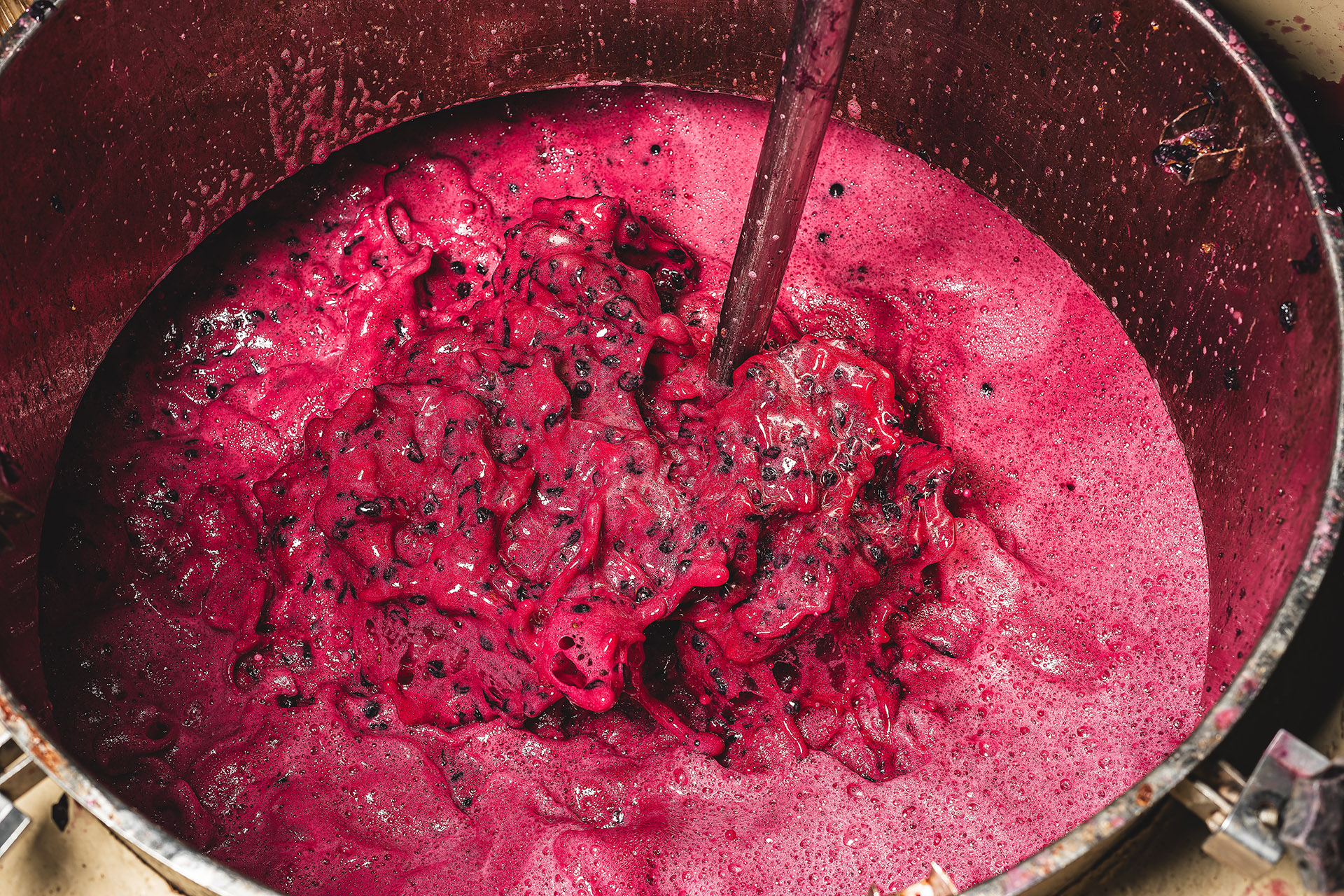
At its most fundamental level, maceration is the process of soaking crushed grape skins, seeds, and stems in the must (freshly pressed juice). Much like the steeping of loose-leaf tea, where hot water extracts tannins, caffeine, and aromatic oils from the leaves, maceration extracts the vital components of the grape—color, polyphenols, tannins, and complex flavor precursors—into the liquid.
While the juice of most wine grapes—even those with dark, pigment-rich skins—is essentially clear, the interaction with the skins provides the "character" of the wine. Without this contact, red wine would be indistinguishable from white. This is evidenced by Blanc de Noirs, a category of sparkling wine crafted from red grapes like Pinot Noir or Meunier that are pressed immediately, bypassing maceration to maintain a clear, white hue.
Chronology: A Step-by-Step Evolution of the Must
The journey of maceration is not a singular event but a timeline of chemical extraction.
1. The Pre-Fermentation Phase (Cold Soak)
Before the yeast begins the fermentation process, many winemakers perform a "cold soak." By keeping the must at low temperatures, they prevent the onset of alcoholic fermentation while allowing the juice to gently dissolve water-soluble pigments and delicate aromatic compounds from the skins. This stage is particularly favored for varieties like Pinot Noir, where the goal is to extract fruit-forward aromatics without the harsher, bitter tannins that emerge at higher temperatures.
2. The Fermentation Phase (Primary Maceration)
As yeast transforms sugar into alcohol, the chemistry of the "soak" changes. Alcohol is a powerful solvent; as it develops during fermentation, it becomes significantly more efficient at stripping compounds from the grape solids. This is when the heavy lifting occurs. The rising heat of fermentation and the presence of ethanol facilitate the extraction of complex tannins and structural polyphenols that define the longevity of a wine.
3. Post-Fermentation (Extended Maceration)
In the production of high-end, age-worthy reds, winemakers may opt for "extended maceration." Even after all the sugar has been converted to alcohol, the wine remains in contact with the skins for days or even weeks. This is a risky but rewarding maneuver: it allows for the "polymerization" of tannins, a process where small, harsh tannins bind together to form larger, smoother chains, resulting in a wine with greater depth, roundness, and a softer mouthfeel despite its intensity.
Supporting Data: Variables in the Extraction Equation
Maceration is governed by a set of variables that dictate the ultimate profile of the vintage. Winemakers treat these as control knobs, fine-tuning the intensity of the wine.
Skin-to-Juice Ratios and Thickness
The physical nature of the grape skin is the primary limiting factor.
- Thin-skinned varieties (e.g., Pinot Noir, Gamay) have a lower concentration of anthocyanins (color) and tannins. No matter how long they are macerated, they will never achieve the deep, opaque density of a thick-skinned variety.
- Thick-skinned varieties (e.g., Tempranillo, Syrah, Cabernet Sauvignon) are genetically predisposed to high tannin and pigment loads. These grapes are capable of becoming "ink-like" with only modest maceration, requiring the winemaker to exercise restraint to avoid over-extraction, which can lead to bitterness.
The Role of Temperature
Temperature acts as an accelerant. Higher fermentation temperatures increase the permeability of cell walls in the grape skins, allowing for faster and more aggressive extraction. Winemakers often choose cooler fermentations for aromatic, delicate wines and warmer fermentations for wines destined for long-term cellaring, where structure and tannin architecture are paramount.
Other Types of Maceration: Beyond the Traditional Soak
Innovation in the winery has led to specialized maceration techniques that deviate from the traditional "skin-in-the-bucket" approach.
Carbonic Maceration
Famous in the production of Beaujolais Nouveau, this technique involves sealing whole, uncrushed clusters of grapes in a tank saturated with carbon dioxide. Inside the berry, an intracellular fermentation occurs without the influence of yeast. This produces wines that are remarkably bright, low in tannin, and characterized by primary fruit notes like bubblegum, banana, and strawberry.
Orange Wine Production
Orange wine, or "skin-contact white wine," is the inverse of the standard white wine process. By allowing white grapes—such as Pinot Grigio or Ribolla Gialla—to undergo extended maceration, the wine takes on a deep, amber hue. More importantly, the juice absorbs the texture and tannins of the skins, resulting in a savory, structured wine that sits comfortably between a traditional white and a light red.
Implications: The Winemaker’s Vision
The decision-making process surrounding maceration is perhaps the most significant indicator of a winemaker’s "house style."
For a producer focused on elegance and approachability, maceration is a light touch. It is about capturing the freshness of the vineyard and the vibrancy of the fruit. In these instances, maceration is truncated, and mechanical handling of the "cap" (the floating layer of skins) is kept to a minimum to avoid bruising the seeds, which can release undesirable, bitter oils.
Conversely, for a producer crafting a wine for the decades, maceration is a process of building a framework. It is an intentional, often rigorous, effort to extract the maximum amount of polyphenolic material. The implication here is a wine that may be "closed" or "tight" in its youth, requiring years of bottle aging for the tannins to resolve and the true complexity to emerge.
Conclusion: The Balance of Power
Maceration is, at its heart, a balancing act between the physical potential of the fruit and the aesthetic vision of the winemaker. It is a process that proves that wine is not merely a product of the vineyard, but a product of time—the time spent in the dark, quiet intimacy of the fermentation vessel.
The next time you uncork a bottle, observe the wine with a renewed perspective. Look at the color, which tells you how much the skins gave to the juice. Feel the texture on your tongue, which tells you how long the wine was allowed to "party" with the solids. You are not just drinking fermented grape juice; you are tasting a carefully orchestrated performance of chemistry and patience. Whether it is a light, playful rosé or a brooding, tannic giant, the story of the wine was written in the days it spent macerating, long before it ever saw the inside of a glass.