Cultivating Community: The Green Transformation of Houston Elementary School
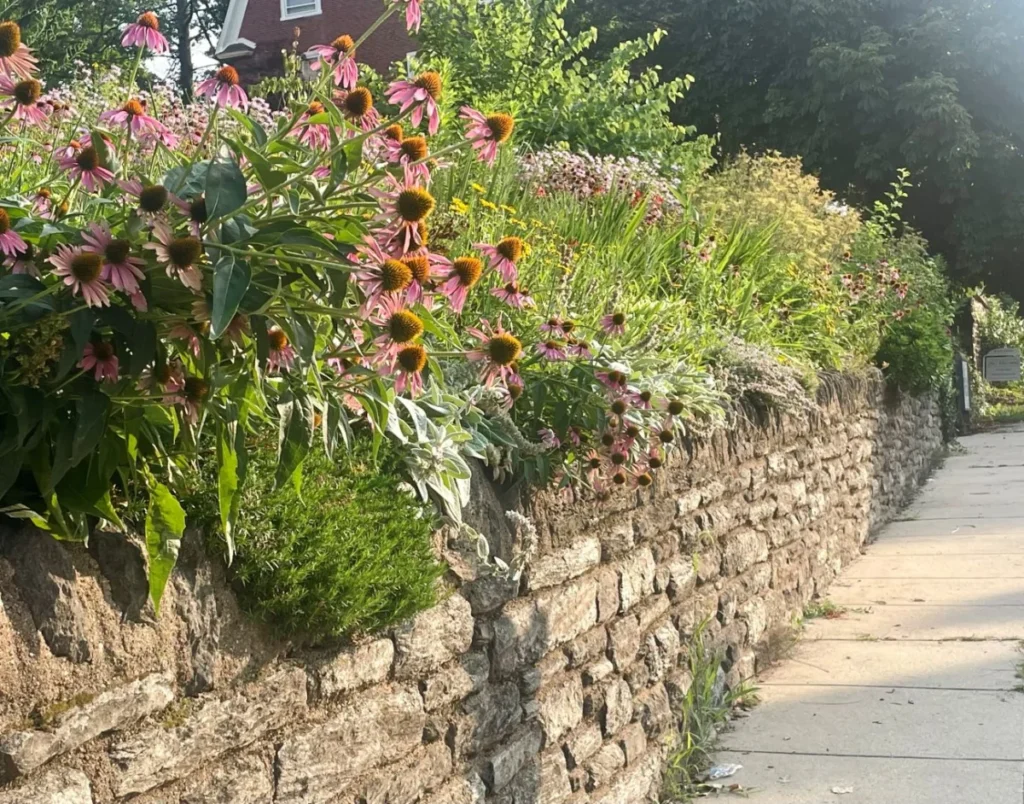
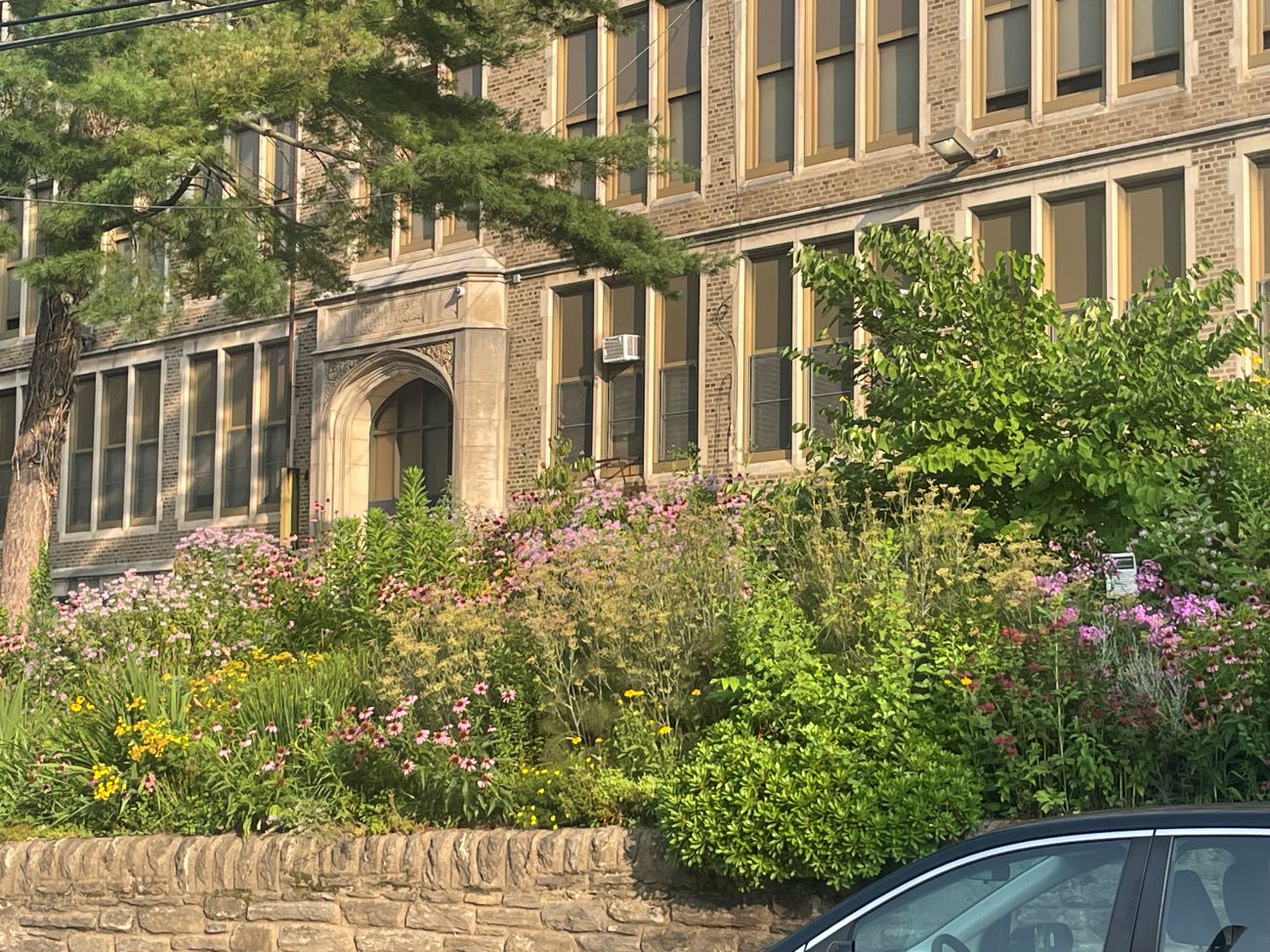
In the heart of Northwest Philadelphia’s West Mount Airy neighborhood, a remarkable ecological and social transformation has taken root. Houston Elementary School, a K–8 institution, has evolved from a conventional academic facility into a living, breathing laboratory for native flora and community engagement. Through the persistent efforts of dedicated neighbors like Patrick—a resident living directly across from the school—the campus has been reclaimed as a vibrant, sustainable habitat that supports local biodiversity while offering students and staff an invaluable outdoor educational resource.
Main Facts: A Reservoir of Biodiversity
The gardens at Houston Elementary are not merely decorative; they represent a deliberate strategy to reintroduce native plant species into an urban environment. The site itself carries a unique history, having been constructed over a long-abandoned reservoir. This geological footprint provided a blank slate that residents were eager to fill with life.
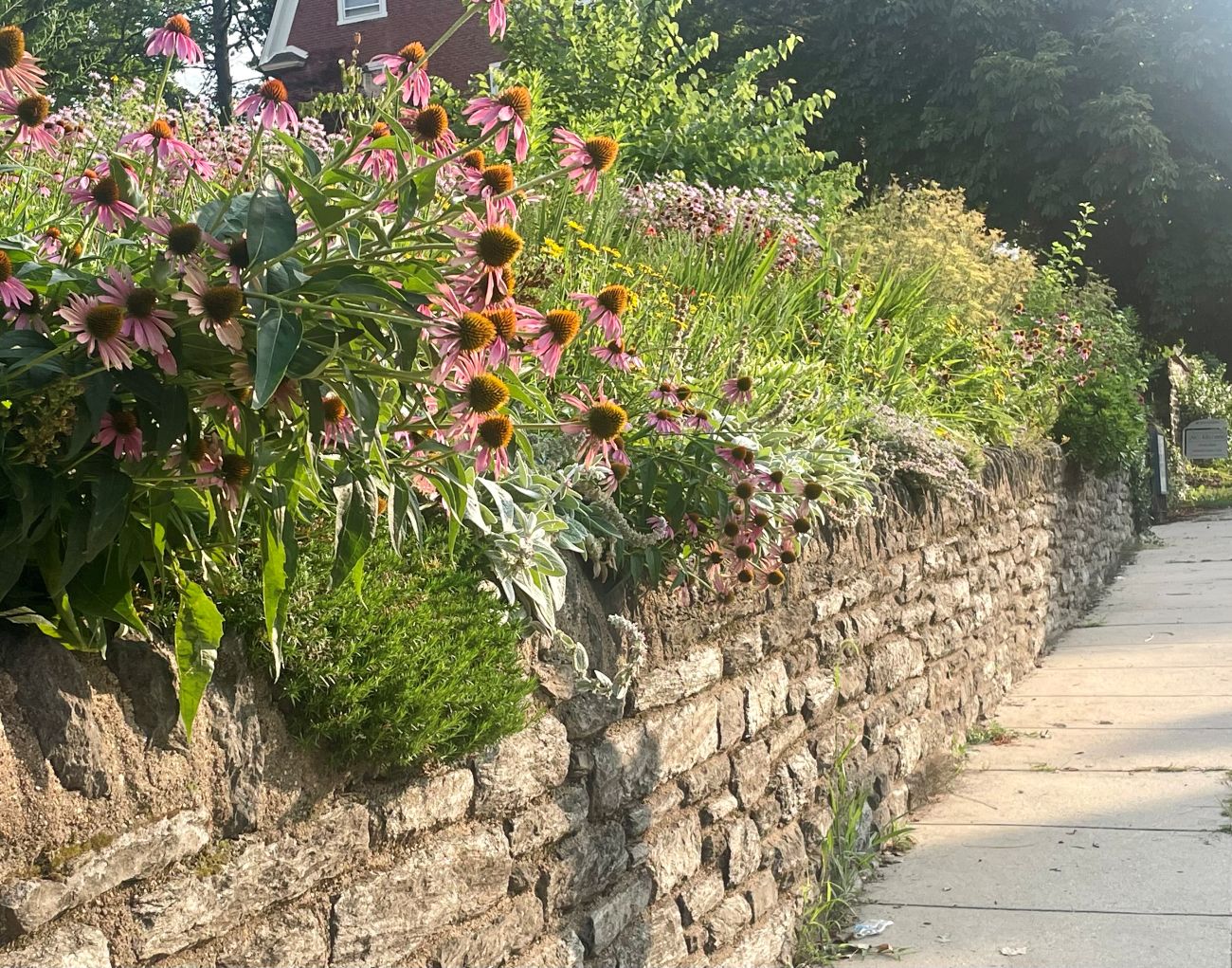
Supported by neighborhood donations and strategic environmental grants, the garden project focuses on selecting species that offer maximum ecological benefit. The plantings are designed to provide consistent nectar sources for bees, butterflies, and native birds throughout the Mid-Atlantic growing season. The project’s backbone is a four-foot retaining wall built from local Wissahickon schist, a nod to the regional landscape that provides both structural integrity and a natural aesthetic to the school’s perimeter.
Chronology: From Abandoned Reservoir to Flourishing Sanctuary
The metamorphosis of the Houston Elementary grounds did not happen overnight. It was the result of a multi-year effort that required significant community coordination and horticultural expertise.
- Pre-development: The school grounds, characterized by remnants of the site’s past life as a reservoir, lacked the ecological complexity necessary to support local wildlife.
- The Inception Phase: Recognizing the potential of the space, local residents initiated a grassroots movement to beautify the school’s exterior, prioritizing the needs of students who walk or are bused to the site daily.
- Expansion and Funding: Through the securing of specific grants dedicated to native plant restoration, the project moved beyond simple landscaping. Volunteers began removing non-native species and replacing them with drought-tolerant, pollinator-friendly perennials.
- Ongoing Maintenance: The project has reached a level of maturity where daily care—weeding, labeling, and seasonal planting—has become a fixture of the neighborhood’s rhythm. Patrick, whose own Victorian-era home overlooks the school, has become a steward of these borders, ensuring the gardens remain a point of pride for the local community.
Supporting Data: The Science of the Selection
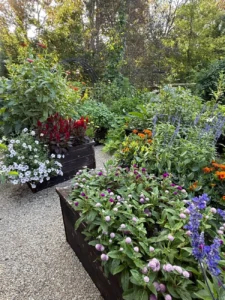
The success of the Houston Elementary gardens lies in the careful selection of perennial species known for their resilience and ecological value. The plant palette is meticulously curated to thrive in the Mid-Atlantic climate while providing a sequence of blooms that sustains pollinators from late spring through early autumn.
Key Species in the Landscape
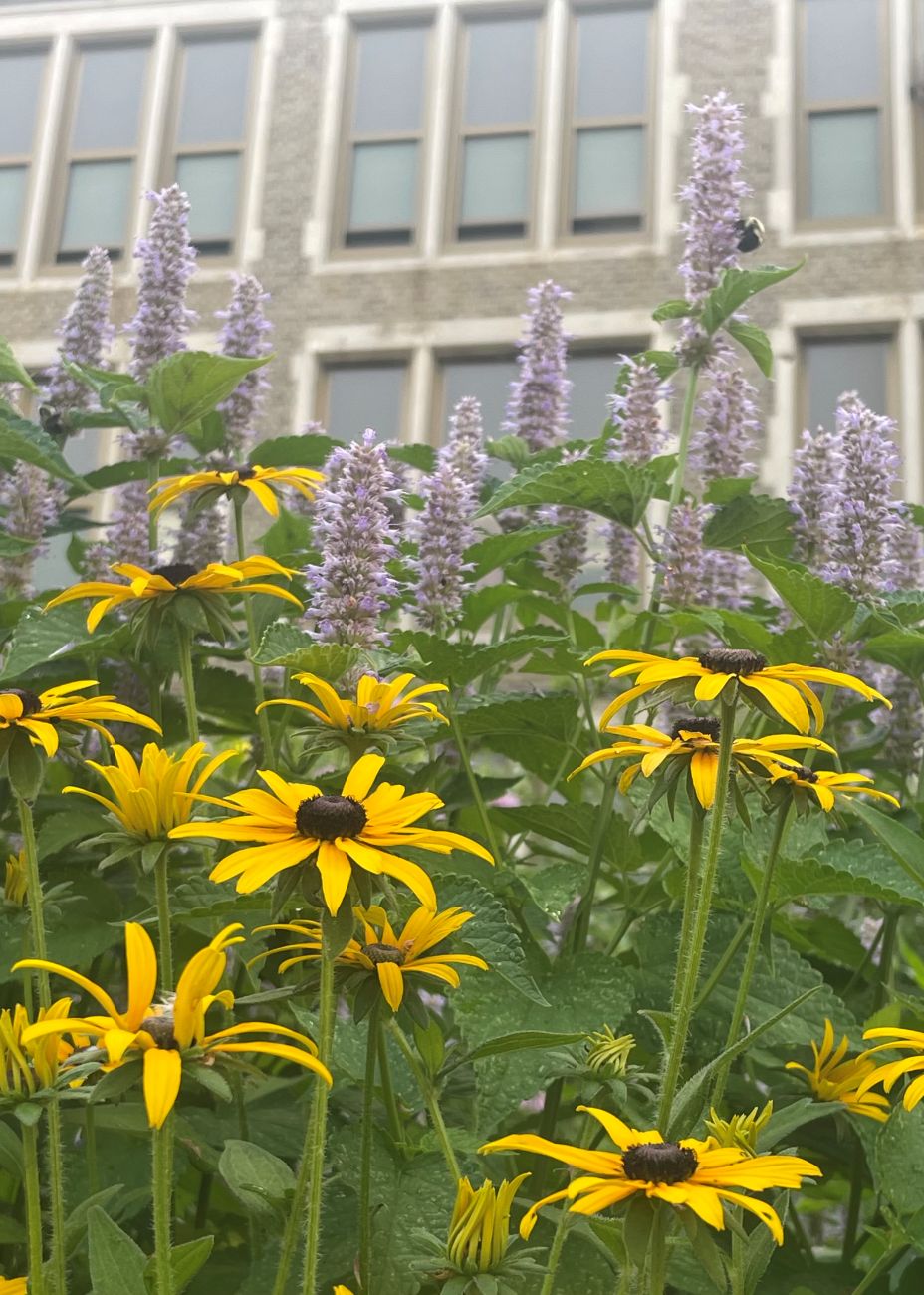
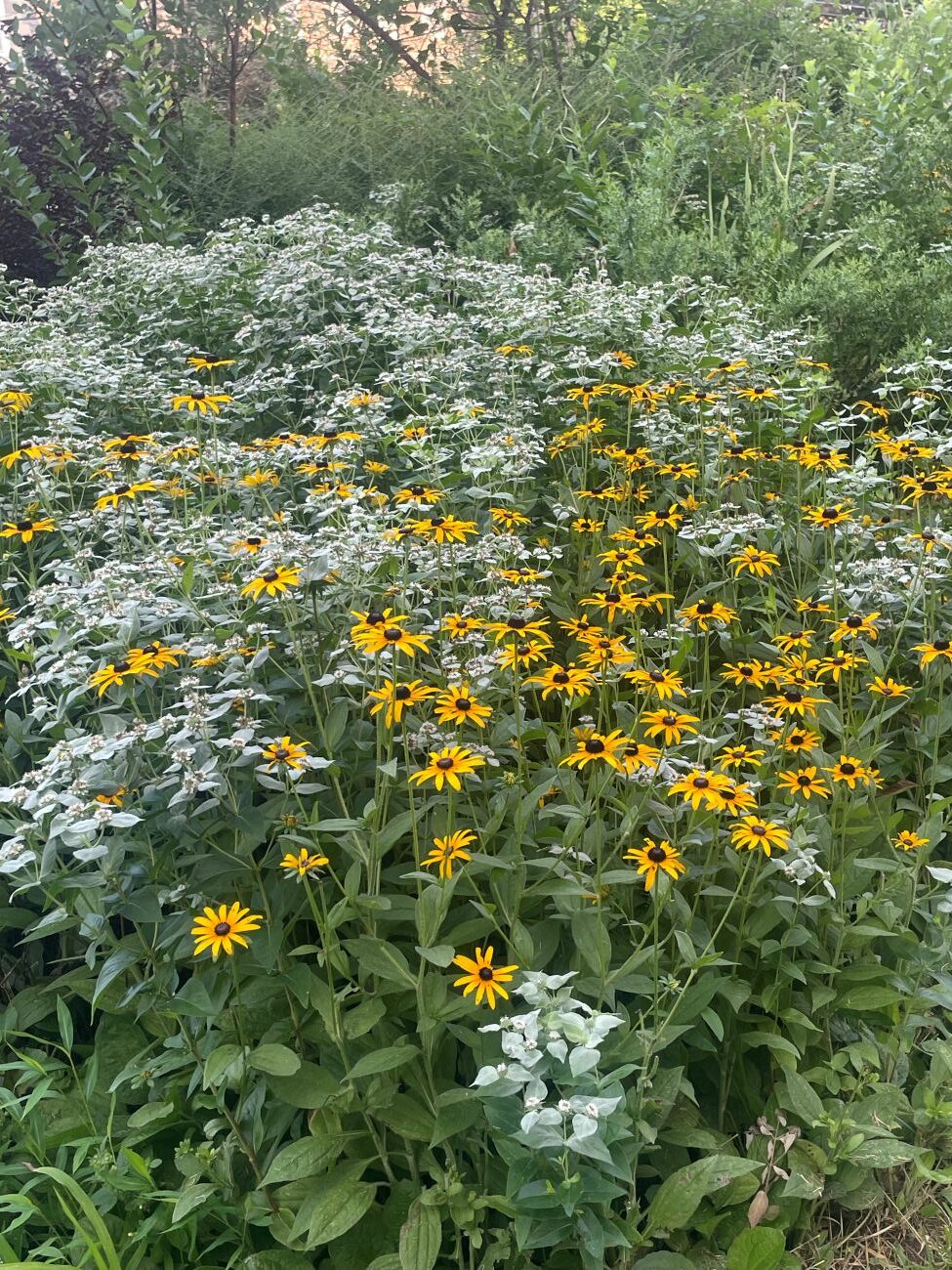
- Pollinator Anchors: Black-eyed Susan (Rudbeckia hirta) and blue giant hyssop (Agastache foeniculum) serve as the primary nectar hubs. These plants, hardy in Zones 3–9 and 3–8 respectively, are critical for attracting a diverse array of bees.
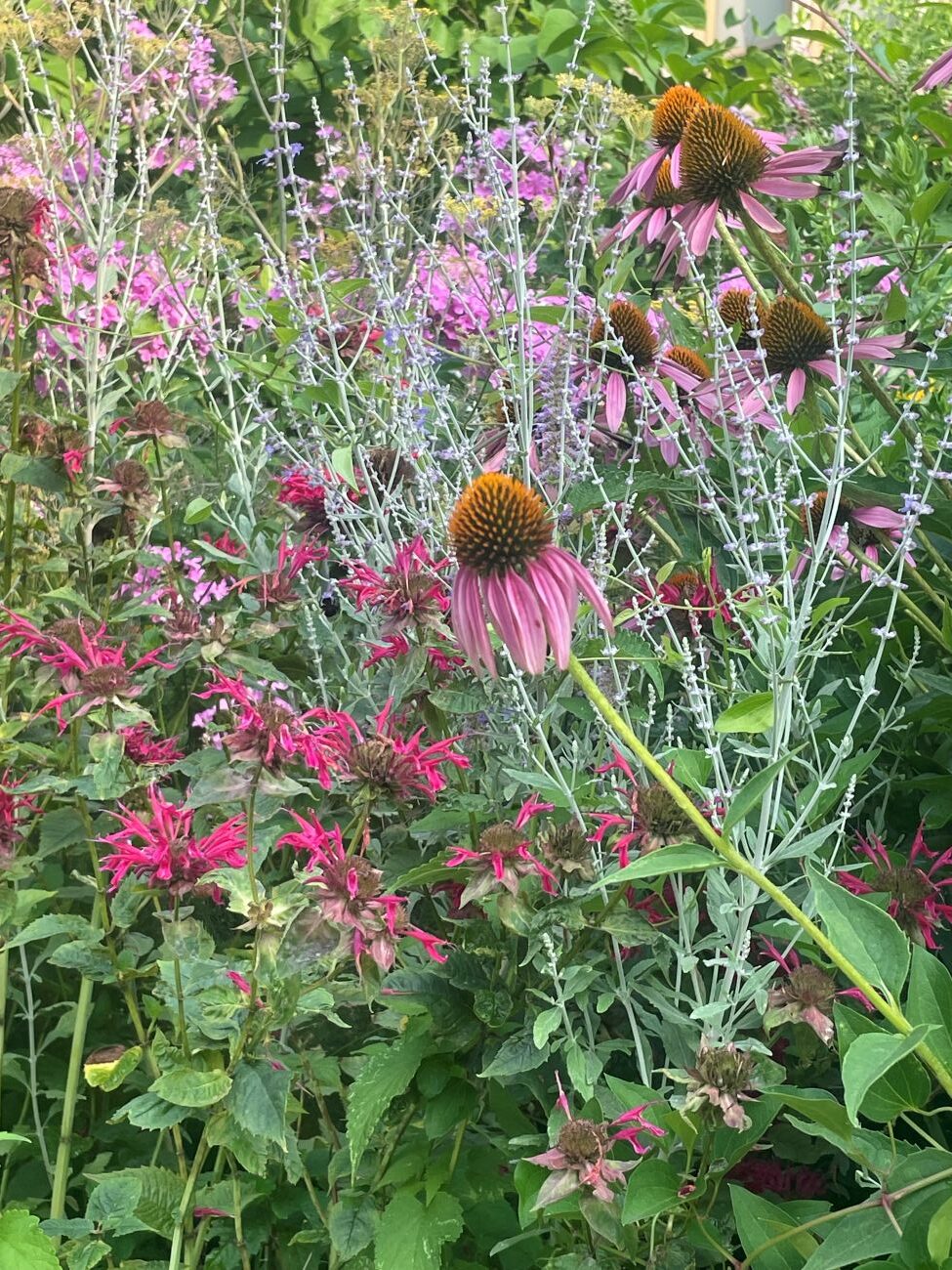
- Structural and Aesthetic Interest: Purple coneflower (Echinacea purpurea) and Russian sage (Salvia yangii) provide both vertical interest and color. These are frequently interspersed with Mountain Mint (Pycnanthemum muticum), which acts as a powerful attractant for beneficial insects.
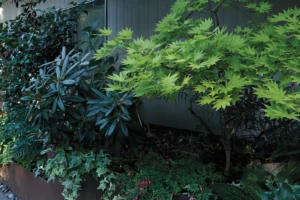
- Edge and Border Plants: To manage the transition between the stone wall and the walking paths, gardeners have utilized creeping phlox (Phlox subulata), lamb’s ears (Stachys byzantina), and variegated Solomon’s seal (Polygonatum odoratum). These choices demonstrate an understanding of layered gardening, where texture and foliage are as important as floral display.
Official and Community Perspectives
The project is a testament to the power of "citizen science" and local stewardship. By integrating these gardens into the daily commute of students and the aesthetic landscape of the neighborhood, the project serves as a model for urban school districts.
"The gardens have become an integral part of the school landscape," notes Patrick, who continues to dedicate his spare moments to the maintenance of the beds. The project highlights the necessity of human intervention in urban spaces where native ecosystems have been fragmented by concrete and high-density row houses. By creating "billowing beds" that spill over the historical schist walls, the project bridges the gap between the rigid, 100-year-old architecture of the neighborhood and the fluid, evolving nature of the botanical displays.
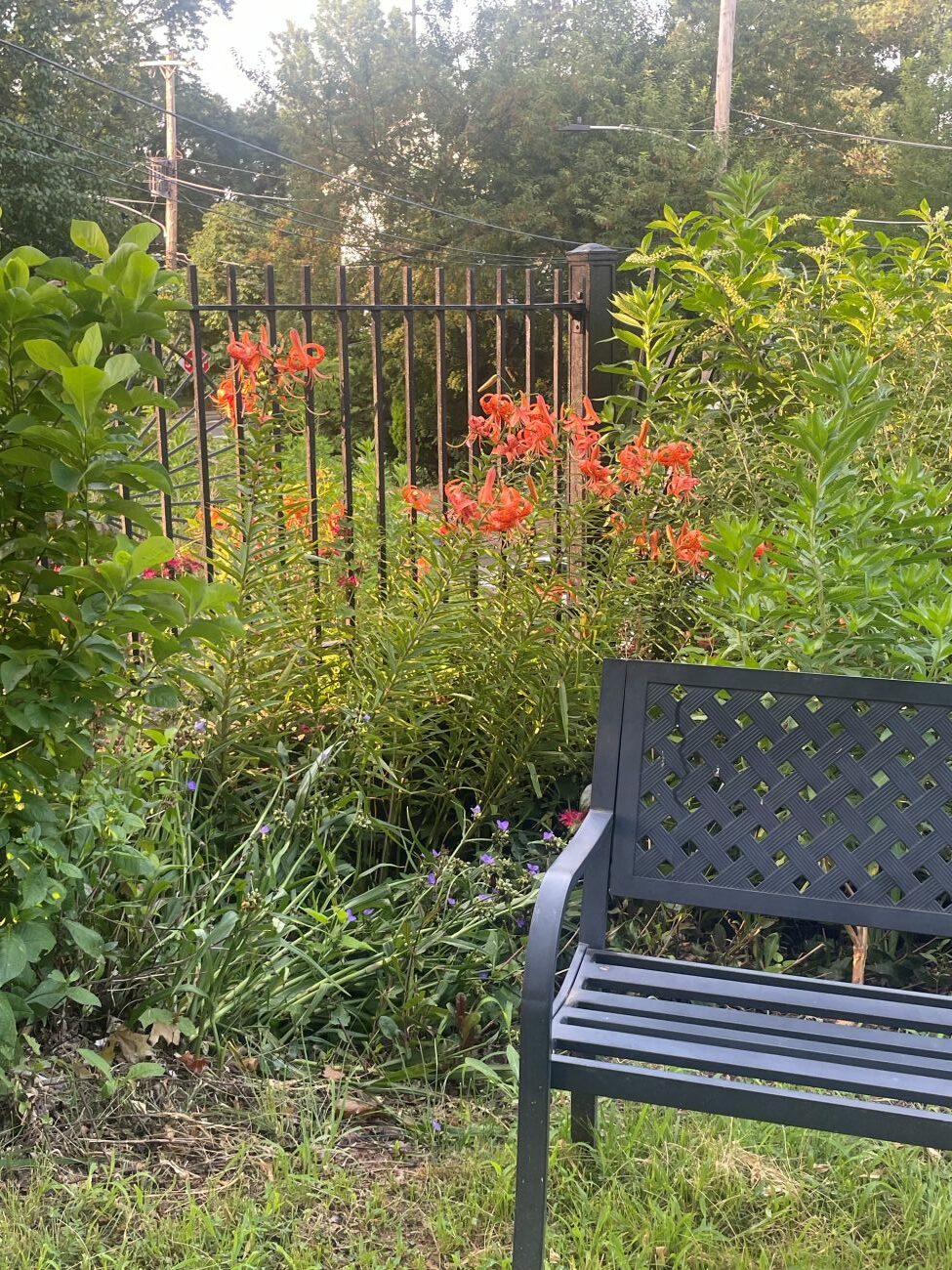
Furthermore, the proximity of the garden to the students’ seating and lunch areas fosters a sense of stewardship among the youth. Observing the buzz of pollinator activity is no longer an abstract concept found in a textbook; it is a daily, lived experience for the students of Houston Elementary.
Implications: The Future of Urban School Greening
The Houston Elementary School project carries significant implications for urban planning and educational infrastructure. As school districts across the country look to reduce their carbon footprints and increase the biodiversity of their campuses, the Houston model provides a scalable blueprint.
1. The Educational Benefit
Integrating native habitats directly into school zones provides a "living laboratory." Students learn about life cycles, the importance of biodiversity, and the role of pollinators in the food chain. The presence of gardens has been shown to improve mental well-being for both students and staff, offering a respite from the high-stress environment of academic testing and classroom rigor.
2. Environmental Impact
By replacing high-maintenance lawns or barren concrete with deep-rooted native perennials, the school has improved its site drainage and reduced the need for synthetic pesticides and fertilizers. The selection of drought-tolerant plants—many of which thrive in the challenging conditions of an urban school yard—demonstrates a sustainable approach to landscape management.
3. Community Cohesion
The partnership between the school and local residents is perhaps the most significant outcome. In an era where many public institutions feel isolated from their neighborhoods, the gardens act as a communal "third space." The gardens invite conversation, neighborly pride, and a shared responsibility for the environment.
Conclusion: A Call to Action
The work at Houston Elementary serves as a powerful reminder that gardening is not just a hobby; it is an act of civic engagement. By transforming a small patch of earth in front of a school, volunteers have created a lasting legacy that supports the environment and enriches the daily lives of hundreds of children.
For those inspired by this transformation, the journey starts with a single bed. Whether it is a school, a community center, or a residential sidewalk, the introduction of native species is the most effective way to reconnect urban environments with the natural world. As we look toward a future where green spaces are increasingly critical to urban health, the gardens of Houston Elementary stand as a beacon of what is possible when a community decides to plant, nurture, and grow together.
Recommended Resources for Your Own Green Transformation
To aid in your own journey toward creating a pollinator-friendly, sustainable garden, consider these essential tools and references:
- Attracting Beneficial Bugs to Your Garden: This revised second edition by Jessica Walliser is an essential guide for anyone looking to move beyond chemical pest control and toward a balanced, healthy ecosystem. It provides the science-backed insights necessary to understand which insects to encourage and how to provide the habitat they need to thrive.
- Strategic Plant Protection: Using high-quality fabric plant covers, such as those provided by the Gardener’s Supply Company, can protect your delicate native seedlings from common pests like Japanese beetles and vine borers without the need for harmful sprays.
- Creating Community Spaces: If you are planning a garden with a social component, consider the inclusion of durable, low-maintenance outdoor furniture. Sets like the SERWALL 7-piece dining configuration allow for gathering spaces that encourage the same kind of community interaction seen at the Houston Elementary lunch tables.
The gardens of Houston Elementary School remind us that while the challenges of urban environments are many, the solutions—native, persistent, and beautiful—are already within our reach. Whether you are a student, a teacher, or a neighbor, there is a place for you in the garden.