The Silent Revolution: Could Potassium Chloride Be Our Dual-Action Defense Against Modern Diet Ills?
Main Facts
In an era grappling with the pervasive health crises stemming from modern dietary habits, one often-overlooked culprit stands out: high dietary sodium intake. Dubbed the "silent and invisible killer," hypertension, or high blood pressure, stealthily contributes to millions of deaths annually, primarily through its devastating links to stroke, heart attack, and kidney damage. This insidious threat is further exacerbated by a concurrent and equally critical deficiency in potassium, a vital mineral whose intake has plummeted in contemporary diets. However, a remarkably simple yet profoundly impactful solution is emerging from the scientific community: the strategic use of potassium chloride as a salt substitute. This innovative approach promises a dual benefit, simultaneously reducing harmful sodium while boosting essential potassium, potentially offering a "win-win" strategy in the battle against cardiovascular disease and premature mortality.
The concept is elegantly straightforward: replace common table salt (sodium chloride) with potassium chloride, a naturally occurring mineral salt. This seemingly minor dietary adjustment, supported by a growing body of robust scientific evidence, could represent a pivotal shift in public health. From reducing blood pressure in hypertensive individuals to dramatically cutting the risk of developing hypertension, stroke, and even all-cause mortality, the implications of this dietary swap are far-reaching. As we delve into the chronology of our dietary evolution, the compelling data, and the societal implications, we explore whether potassium chloride is truly ready to usher in a new era of proactive health management.
The Unseen Burden: How Our Diets Diverged from Our Biology
Chronology
Humanity’s dietary journey has taken a dramatic turn over millennia, particularly in recent centuries. Our ancestors, shaped by evolutionary pressures, thrived on diets inherently rich in potassium and strikingly low in sodium. This pattern, predominantly plant-based, emphasized fruits, leafy greens, roots, and tubers – foods teeming with potassium and naturally low in sodium. This ancestral blueprint optimized our physiology for a specific mineral balance.
However, the advent of industrialization, modern agriculture, and large-scale food processing has engineered a complete reversal of this delicate equilibrium. Today, the typical Western diet, heavily reliant on processed, packaged, and restaurant foods, is characterized by exorbitant sodium levels and woefully inadequate potassium intake. This dramatic flip reflects a profound shift away from nutrient-dense, whole plant foods towards convenience foods stripped of their natural potassium content and laden with added salt. This contemporary dietary landscape has made potassium a "nutrient of public health concern," with an alarming 98% of the U.S. population failing to meet the recommended minimum daily intake.
This historical dietary divergence is not without severe consequences. High sodium intake, a hallmark of modern diets, has been identified as the leading dietary risk factor globally, implicated in millions of deaths each year. Conversely, the chronic deficit of potassium has also been directly linked to high blood pressure and cardiovascular disease, illustrating a double-edged sword where both excess and deficiency contribute to a cascade of adverse health outcomes. While the medical community readily acknowledges the dangers of sodium, the equally critical role of potassium often goes unaddressed, with few physicians actively counseling patients on increasing potassium-rich food consumption, despite compelling evidence linking higher potassium intake to reduced stroke risk.
Unpacking the Science: The Dual Impact of Sodium and Potassium
Supporting Data
The scientific understanding of sodium and potassium’s roles in human health has solidified over decades, revealing intricate mechanisms that underscore their profound impact.
The Insidious Reach of Excess Sodium
High dietary sodium intake contributes to hypertension through several interconnected pathways. Firstly, sodium plays a critical role in fluid balance. Excess sodium leads to increased fluid retention, which in turn elevates blood volume and places greater pressure on arterial walls. Over time, this sustained pressure can lead to arterial stiffening, making blood vessels less elastic and more prone to damage. Beyond its direct impact on blood pressure, high sodium intake is also associated with a 20% increased risk of premature death, exacerbating the likelihood of fatal cardiovascular events.
The causal link between sodium reduction and blood pressure reduction is unequivocally established by numerous randomized controlled trials (RCTs). These trials demonstrate that dietary interventions aimed at lowering sodium intake consistently lead to measurable decreases in blood pressure, confirming sodium as a direct cause-and-effect "bad" actor in cardiovascular health. The global burden of hypertension, affecting billions, translates into staggering healthcare costs and diminished quality of life for millions, making effective sodium reduction a paramount public health goal.
The Protective Shield of Potassium
In stark contrast to sodium, potassium acts as a crucial counter-regulatory mineral. It helps balance sodium levels, promoting its excretion through the kidneys and thereby reducing fluid retention and blood volume. Furthermore, potassium directly contributes to vasodilation – the widening of blood vessels – which reduces peripheral resistance and lowers blood pressure. Its protective effects extend beyond mere blood pressure regulation, encompassing a broader spectrum of cardiovascular benefits. Higher potassium intake has been shown to reduce clot formation, mitigate arterial stiffening, and decrease the generation of harmful free radicals, offering independent protection against stroke and other cardiovascular diseases.
Remarkably, studies indicate that higher potassium intake is associated with a 20% reduced risk of dying prematurely, mirroring the inverse relationship observed with sodium. This strong association begs the question: is low sodium and high potassium merely a marker of a generally healthier, plant-rich diet? While healthy diets naturally provide this beneficial balance, RCTs have isolated potassium’s effect, demonstrating that direct potassium supplementation can independently lower blood pressure. This robust evidence underscores potassium’s status not just as a dietary marker, but as an active therapeutic agent for cardiovascular health.
The "Win-Win" Solution: Potassium Chloride
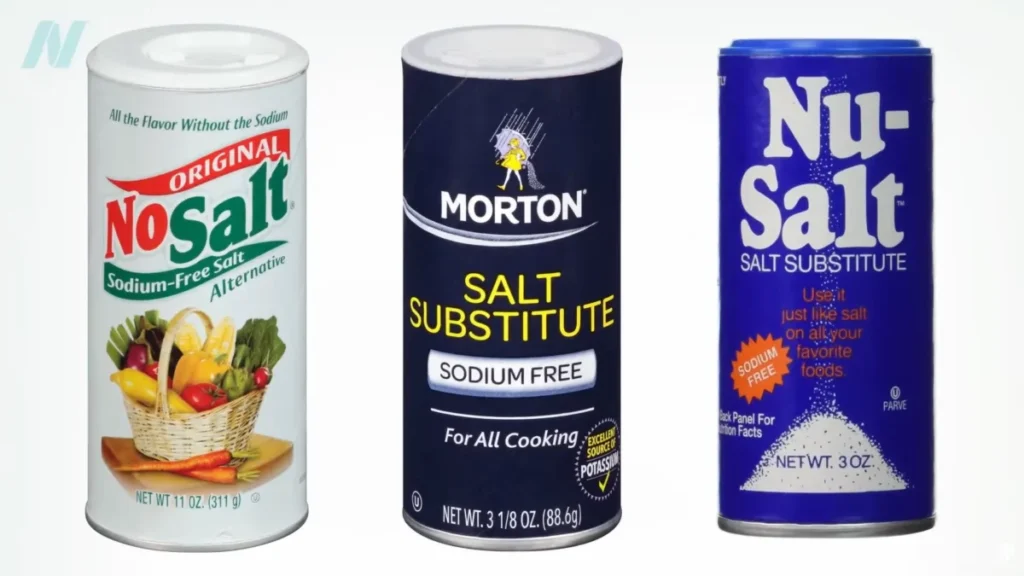
Given the contrasting roles of these two minerals, the concept of using potassium chloride as a salt substitute emerges as an elegant "win-win" strategy. Potassium chloride is chemically similar enough to sodium chloride to function as a seasoning, yet it delivers the dual benefit of decreasing sodium exposure while simultaneously increasing potassium intake. It is a naturally occurring mineral salt, harvested in a manner similar to regular table salt, making its production straightforward and sustainable.
The appeal of such a substitute is multifaceted. It offers a practical way to modify dietary habits without demanding radical changes in food preferences or preparation methods. For individuals accustomed to salting their food, it provides a familiar taste experience with a significantly healthier mineral profile. This simple swap directly addresses the core imbalance of modern diets, offering a powerful tool for disease prevention and health promotion.
Compelling Clinical Evidence
The efficacy of potassium chloride salt substitutes has been rigorously tested in a series of randomized controlled trials, yielding increasingly compelling results:
-
Blood Pressure Reduction: A comprehensive review of 10 studies, comprising 11 randomized controlled trials, consistently demonstrated that swapping a portion of regular salt for potassium chloride led to significant reductions in blood pressure among individuals with hypertension. This suggests not only a therapeutic benefit for existing conditions but also a potential preventive effect against the development of hypertension itself.
-
Preventing Hypertension: One pivotal randomized controlled trial investigated the impact of a modest substitution. Households had their regular salt replaced with a blend containing just one-quarter potassium chloride. The findings were striking: this seemingly small adjustment was associated with cutting the risk of developing hypertension in half. Importantly, participants often couldn’t discern a taste difference, with some even preferring the potassium-enriched blend, highlighting its practical acceptability.

-
Extending Lifespan in Veterans: A groundbreaking study conducted in a veterans’ retirement home provided compelling evidence of the substitute’s impact on hard endpoints like mortality. For two and a half years, five kitchen groups were randomized to either use regular salt or a 50/50 blend of potassium chloride, unbeknownst to cooks and diners. The group using the half-potassium blend experienced an approximate 40% reduction in their risk of dying from cardiovascular disease and lived nearly a year longer. The researchers noted that this life expectancy difference at age 70 was "equivalent to that which would have naturally occurred in 14 [years]," effectively making individuals more than a decade "younger" in terms of their mortality risk.
-
The Landmark China Study (SSaSS): Perhaps the most definitive evidence comes from a massive randomized controlled trial conducted across 600 villages in China, involving over 20,000 participants over five years. This large-scale study randomized participants to receive either a salt substitute containing one-quarter potassium chloride or regular salt. The results were unequivocal: the salt substitute not only significantly reduced strokes and cardiovascular events in general, but it also remarkably reduced the risk of death from all causes combined. This study provided robust, real-world evidence of the profound public health benefits achievable through this simple intervention. China presented an ideal setting for this research, as up to 75% of the population’s sodium intake originates from salt added in home kitchens and dining rooms, making household salt substitution a highly effective strategy.
These studies collectively paint a powerful picture: potassium chloride salt substitutes are not merely theoretical solutions but clinically proven interventions capable of significantly improving public health outcomes.
The Road Ahead: Barriers, Debates, and Future Directions
Official Responses
Despite the compelling and consistent evidence supporting the benefits of potassium chloride salt substitutes, their widespread adoption remains surprisingly limited. This paradox highlights several complex challenges that span policy, industry, and public perception.
The Slow Pace of Adoption
If potassium chloride is such a powerful tool for health, why isn’t it ubiquitous in our food supply and household kitchens?
- Food Industry Inertia: A significant portion of dietary sodium in Western countries, particularly the U.S., comes from pre-packaged and processed foods. While food companies could readily switch to potassium chloride blends, concerns over perceived taste changes, production costs, and consumer acceptance have historically created a barrier. Reformulating thousands of products is a massive undertaking, and many companies prioritize market share and profit margins over public health initiatives, unless mandated by regulation or driven by strong consumer demand.
- Medical Community Engagement: While the evidence is robust, there remains a gap in consistent medical advice. Physicians, often focused on pharmacological interventions for hypertension, may not routinely counsel patients on the benefits of dietary potassium enrichment or the use of salt substitutes. This highlights a need for greater integration of nutritional science into medical education and practice.
- Consumer Awareness and Habits: Many consumers are simply unaware of the benefits of potassium chloride or the severity of the sodium-potassium imbalance. Deep-seated culinary habits and a lack of understanding about food labels also contribute to the slow uptake. The convenience and omnipresence of high-sodium processed foods further entrenches unhealthy patterns.
Echoes from the Past: The "Paleolithic Diet" Revisited
A Mayo Clinic review titled "Achieving the Benefits of a High-Potassium, Paleolithic Diet, Without the Toxicity," encapsulates the promise of salt substitution. It suggests that modern science can deliver the physiological advantages of an ancestral diet—high potassium, low sodium—without the practical challenges or potential drawbacks sometimes associated with strict adherence to historical eating patterns. This perspective frames potassium chloride not as a radical departure, but as a technologically informed way to restore a healthier metabolic balance.
"Ready for Prime Time?" A Question of Implementation
Commentaries in leading medical journals, such as "Is Salt Substitution Ready for Prime Time?", reflect the growing scientific consensus on its efficacy. The evidence from numerous RCTs, particularly the large-scale China study, has moved the discussion beyond mere speculation to a call for broader implementation.
Addressing the Elephant in the Room: Safety Concerns
However, no public health intervention, no matter how promising, is without scrutiny. The article alludes to a critical question: "What about safety? There are convincing arguments about the benefits, but what about the risks, like the ‘inclusion of potentially fatal salt substitutes in the food supply’?" This dramatic phrasing highlights a legitimate concern that needs to be thoroughly addressed.
While potassium chloride is generally recognized as safe for most healthy individuals, it is crucial to acknowledge that for certain populations, particularly those with pre-existing kidney disease or those taking specific medications (e.g., ACE inhibitors, ARBs, potassium-sparing diuretics), excessive potassium intake can lead to hyperkalemia (dangerously high potassium levels), which can indeed be fatal. This necessitates careful consideration, patient education, and potentially medical supervision, especially when recommending significant dietary changes or the use of potent salt substitutes. The balance between widespread public health benefit and individual patient safety is a critical dialogue that must inform policy and practice. This intricate discussion on potential downsides and safety guidelines forms the basis for a deeper exploration in subsequent analyses.
A Call to Action: Implications for Public Health and Beyond
Implications
The evidence for potassium chloride salt substitutes presents a profound opportunity for global public health. The implications extend across individual health, healthcare systems, and the food industry, signaling a potential paradigm shift in how we approach dietary disease prevention.
A Simple Solution with Monumental Impact
For individuals, the adoption of potassium chloride offers an accessible and relatively easy way to take control of their cardiovascular health. It doesn’t require complex dietary overhauls or expensive medications, but rather a simple swap of a staple ingredient. For millions suffering from or at risk of hypertension, stroke, heart attack, and kidney disease, this could translate into tangible improvements in quality of life and extended healthy years. The potential to cut the risk of developing hypertension in half, or to reduce the risk of cardiovascular death by 40%, is a public health triumph waiting to be fully realized.
Reshaping Healthcare and Policy
From a healthcare perspective, widespread adoption could significantly alleviate the burden on healthcare systems by reducing the incidence and severity of chronic diseases. Governments and public health organizations have a clear mandate to educate the public, endorse, and potentially incentivize the use of these substitutes. Policy interventions, such as those that encourage food manufacturers to reformulate products with potassium chloride, could have a population-wide impact, subtly shifting the dietary landscape towards a healthier equilibrium. The success observed in the China study, where home kitchen substitutions had a dramatic effect, offers a blueprint for regions where home cooking remains a primary source of sodium intake.
A New Frontier for the Food Industry
For the food industry, this represents both a challenge and an opportunity. While there are initial hurdles related to reformulation and consumer acceptance, leading the charge in healthier product development could yield significant market advantages. Investing in research and development to create palatable and safe potassium-enriched products could position companies at the forefront of a health-conscious market.
The Path Forward: Education, Research, and Dialogue
Ultimately, realizing the full potential of potassium chloride salt substitutes hinges on a multi-pronged approach:
- Enhanced Education: Public health campaigns are crucial to raise awareness about the dangers of high sodium and low potassium, and the benefits of substitutes.
- Medical Integration: Healthcare professionals need better training and resources to effectively counsel patients on dietary mineral balance and salt substitute use, with clear guidelines for at-risk groups.
- Continued Research: While the benefits are clear, ongoing research into long-term safety profiles across diverse populations and optimal implementation strategies will further strengthen the evidence base.
- Policy Support: Government policies can drive change through dietary guidelines, food labeling regulations, and incentives for healthier food production.
The journey from a scientific discovery to widespread public health impact is often long and complex. However, with potassium chloride, we have a scientifically validated, practical tool that holds immense promise. By embracing this "silent revolution" in our spice racks and food production, we could collectively make a significant stride towards a future where diet-related chronic diseases are less prevalent, and healthier, longer lives are the norm. The full scope of its safety and application, particularly for vulnerable populations, remains a crucial part of this ongoing dialogue, ensuring that this powerful tool is wielded with wisdom and care.