Beyond the Green: Uncorking the Vibrant World of Vinho Verde
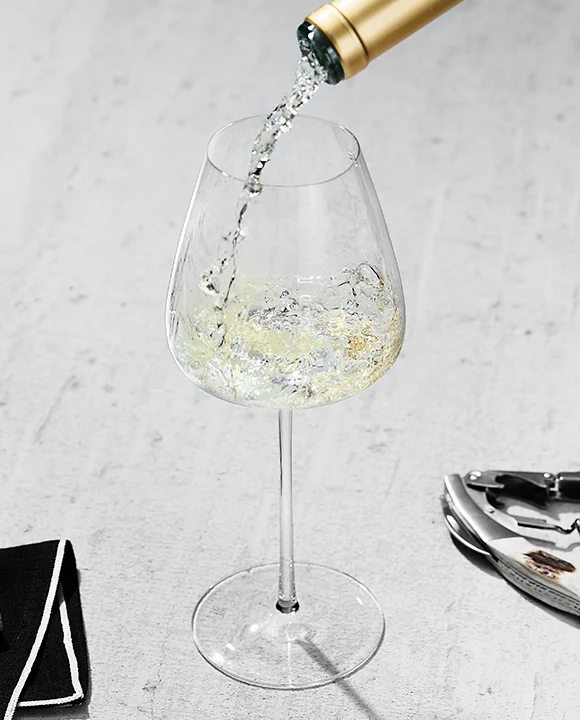
When you pull a bottle of Vinho Verde from the shelf, you are holding a piece of Portuguese heritage that is frequently misunderstood. Despite the literal translation—"green wine"—the liquid inside the glass is rarely, if ever, green. Instead, it is a vibrant, high-acid, and often slightly effervescent wine that serves as one of the world’s most refreshing expressions of terroir. As summer temperatures rise and the demand for crisp, low-alcohol, and food-friendly wines grows, Vinho Verde has emerged as the definitive "go-to" for enthusiasts and casual drinkers alike.
However, beneath its lighthearted and spritzy exterior lies a complex history, a diverse range of styles, and a region undergoing a sophisticated evolution.
The Essentials: What Defines Vinho Verde?
Located in the verdant, rain-kissed northwest corner of Portugal, the Vinho Verde region is defined by its proximity to the Atlantic Ocean. Bordered by the Minho River to the north, which separates it from Spain’s Rías Baixas, the region benefits from a maritime climate that keeps vineyards lush and cool.
While the common perception of Vinho Verde is that of a light, white, slightly sparkling wine, this is a significant oversimplification. The region’s regulations allow for a diverse spectrum of production, including still and sparkling white, red, rosé, and even brandy. Tiago Soares, a winemaker at the acclaimed Sapateiro winery, emphasizes that the true identity of the region is rooted in its autochthonous (indigenous) grape varieties.
"You can make white, red, rosé, vinegar, brandy, or sparkling wine as long as it’s made with native varieties," says Soares. "If they are grown inside the region and possess the expected flavor spectrum, that is the essence of Vinho Verde."
A Chronological Evolution: From Peasant Wine to Global Darling
To understand why Vinho Verde is what it is today, one must look at the historical trajectory of the region.
The Era of Red Dominance (Pre-1980s)
For centuries, the Vinho Verde region was defined by local preference. Up until the 1980s, the vast majority of the production was actually red wine. These wines were deep in color, high in tannin, and traditionally consumed by the local population. They were the "everyday" wines of the Minho province, rarely seen outside of Northern Portugal.
The Export Pivot (1980s–2000s)
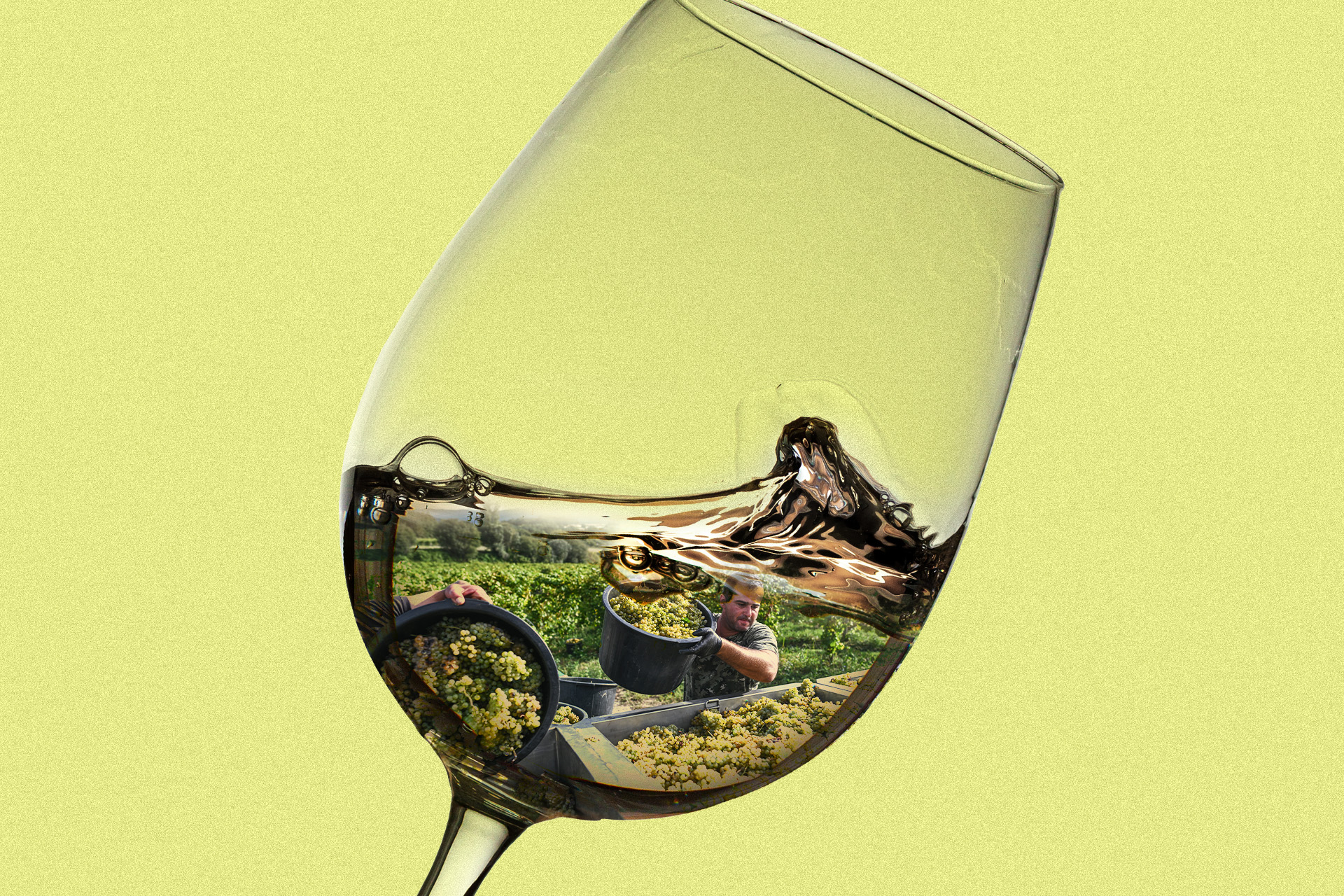
As Portugal began to modernize its wine industry and seek international markets, producers realized that the region’s unique climate was perfectly suited for white grapes. The high humidity and cool nights preserved the acidity and aromatic intensity of varieties like Alvarinho, Loureiro, and Trajadura. The shift toward white wine production was a strategic response to global demand for fresh, crisp, and lower-alcohol wines. During this time, the "spritz" became a signature stylistic choice—often achieved via carbonation at bottling to mimic the traditional, secondary fermentation that occurred naturally in the bottle.
The Modern Renaissance (2010–Present)
Today, the region is in a period of refinement. While the "classic" styles—light, inexpensive, and fizzy—remain popular, a new generation of winemakers is focusing on single-varietal expressions, longer lees aging, and more precise viticulture. This movement aims to highlight the geological diversity of the region, from granitic soils to schist, proving that Vinho Verde can be as serious and complex as any world-class white wine region.
Supporting Data: Why the "Green" Label Persists
The name "Vinho Verde" is a perennial point of confusion. Despite myths suggesting the grapes are picked under-ripe (green), the reality is tied to the wine’s youth.
- Release Timing: Historically, wines from this region were bottled and released within three to six months of harvest. This rapid turnaround meant the wines retained an "infant" freshness.
- The "Green" Landscape: The Minho region is incredibly lush and fertile, with a landscape that remains strikingly green throughout the year. While the name refers to the wine’s age, the visual reality of the region reinforces the moniker.
- Acidity and Alcohol: The typical Vinho Verde sits at a lower alcohol by volume (ABV), usually between 9% and 12.5%. This lightness, paired with bracing acidity, makes the wine feel "young" on the palate, even if it has been aged for a short period.
Expert Perspectives: The Winemaker’s Voice
The shift in how these wines are perceived is driven largely by the producers on the ground. João Miguel Maia, a producer at the Portugal-based Casa de Vilacetinho winery, notes that the tasting notes of Vinho Verde are far more diverse than consumers might expect.
"Most people associate Vinho Verde with a style of white wine which may be described as light, fresh, aromatic, and slightly effervescent," Maia explains. "But these tasting notes can vary depending on the sub-region and the winemaker."
While lime and grapefruit are the quintessential markers, Maia points out that higher-end bottlings often exhibit complex layers of stone fruit—apricot and peach—and even tropical nuances like pineapple or passionfruit, depending on the varietal composition.
Anna-Christina Cabrales, Wine Enthusiast’s tasting director, offers a practical warning regarding the longevity of these wines. "Vinho Verde are wines that should be consumed immediately due to their light flavor profile and delicate effervescence," she says. "You don’t want the bottles to be too old, as they may fall flat or not feel as energetic."
Culinary Implications: Pairing and Service
The high-acid profile of Vinho Verde makes it a "secret weapon" for food pairings. Because the acidity acts as a palate cleanser, it is remarkably effective at cutting through rich or spicy foods.
- Spicy Cuisine: The slight sweetness (often found in entry-level bottles) and the prickle of carbonation make it an ideal companion for Thai or Indian curries.
- Seafood: The classic pairing remains shellfish. Whether it is oysters, clams on the half-shell, or a fresh ceviche, the wine’s mineral-forward backbone complements the salinity of the sea.
- Summer Salads: A goat cheese salad with citrus dressing finds its match in the zesty, lime-forward notes of a Loureiro-based Vinho Verde.
Pro-Tip for Service: Always serve Vinho Verde with a significant chill. A temperature of 45°F–50°F (7°C–10°C) is ideal to ensure the "spritz" remains refreshing and the aromatic compounds are expressed clearly.
A Selection to Watch: The Constantino Ramos 2024 Juca Loureiro
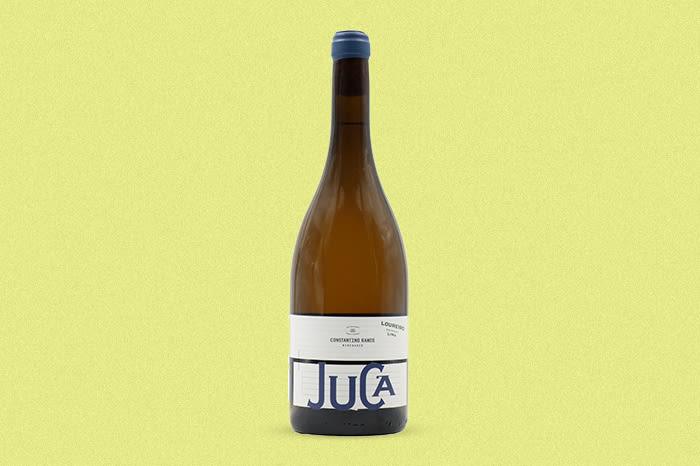
To experience the potential of the region, look for bottlings that showcase the dedication of smaller, high-quality producers. A prime example is the Constantino Ramos 2024 Juca Loureiro, which has earned a 90-point rating from Wine Enthusiast.
This wine perfectly captures the modern trajectory of the region. On the palate, it delivers a beam of tart citrus, balanced by sophisticated aromatics of nectarine, coriander seed, and river stone. It is a far cry from the mass-produced, sugary iterations found in supermarkets, proving that Vinho Verde is capable of elegance and depth. It is a wine meant for the table, specifically paired with high-quality seafood, and it serves as a masterclass in how to elevate a regional staple.
Conclusion: The Future of the "Green" Wine
Vinho Verde is currently in the midst of a global rebranding. It is shaking off its reputation as a "cheap, fizzy summer wine" and moving toward a status as a versatile, terroir-driven powerhouse. As climate change continues to impact traditional wine regions, the cool, Atlantic-influenced vineyards of Northern Portugal may find themselves in an increasingly enviable position.
For the consumer, the takeaway is simple: seek out the freshest releases, explore the different sub-regions, and look beyond the basic, entry-level bottles. Whether you are seeking a simple porch-sipper for a warm afternoon or a sophisticated white to pair with a complex meal, the region of Vinho Verde offers a depth of character that proves it is anything but "green."