The Art of the Reveal: How Wine Enthusiast’s VinoView Redefined the Modern Cellar
For the dedicated oenophile, a wine collection is far more than an inventory of fermented grapes. It is a living, breathing archive of personal milestones, regional explorations, and evolving tastes. Yet, for decades, the physical act of storing this collection remained largely stagnant. Collectors were forced to choose between high-density storage that rendered labels invisible or decorative displays that compromised the integrity of the wine.
In 2018, Wine Enthusiast shifted the paradigm of home storage with the introduction of the VinoView series. Built around the patented Matrix Shelving System, this technology solved a problem that had plagued cellar design for years: the conflict between accessibility, protection, and aesthetics. By rethinking the mechanics of the wine rack, Wine Enthusiast created a system that allows collectors to see, curate, and cherish their bottles as works of art rather than hidden assets.
The Evolution of Storage: A Chronology of Innovation
The journey to the VinoView system was not a swift transition but a two-year intensive development cycle driven by direct feedback from the collecting community.
Prior to the 2018 launch, the industry standard for home wine storage relied heavily on "cram-and-store" methodologies. Racks were designed for maximum density, often resulting in labels being scraped off by adjacent bottles or buried behind layers of glass.
In 2016, the engineering team at Wine Enthusiast began documenting the primary frustrations of their most dedicated customers. The research identified three critical pain points:
- The "Mystery Bottle" Syndrome: An inability to identify a specific vintage without pulling bottles out of the rack.
- Mechanical Friction: The damage caused to paper labels during the retrieval process.
- Format Incompatibility: The difficulty of fitting modern, wider-bottomed bottles—such as prestige Champagnes—into standard-spaced shelving.
By 2017, the team had moved from conceptual prototypes to the Matrix Shelving design. The final product, launched in 2018, introduced a three-stage glide mechanism and independent row spacing, marking a significant departure from the static wire or wood shelving of the past.
The Matrix Shelving System: Engineering for the Collector
At the heart of the VinoView’s success is the patented Matrix Shelving System. To understand why this represents a breakthrough in cellar technology, one must look at the mechanical differences between traditional racks and the Matrix design.
Label-Forward Visibility
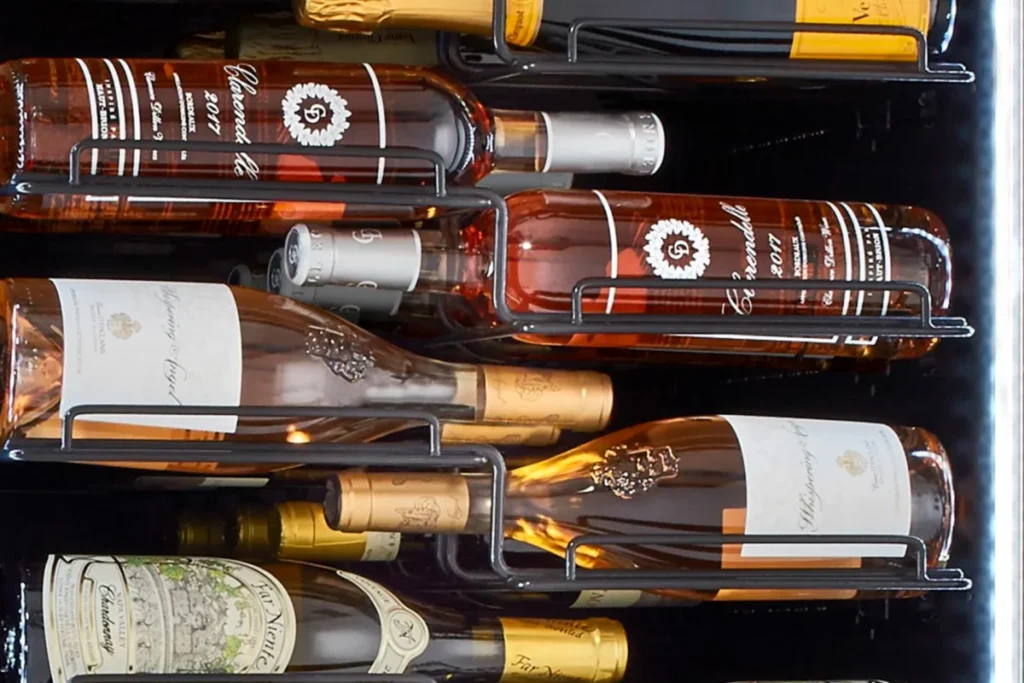
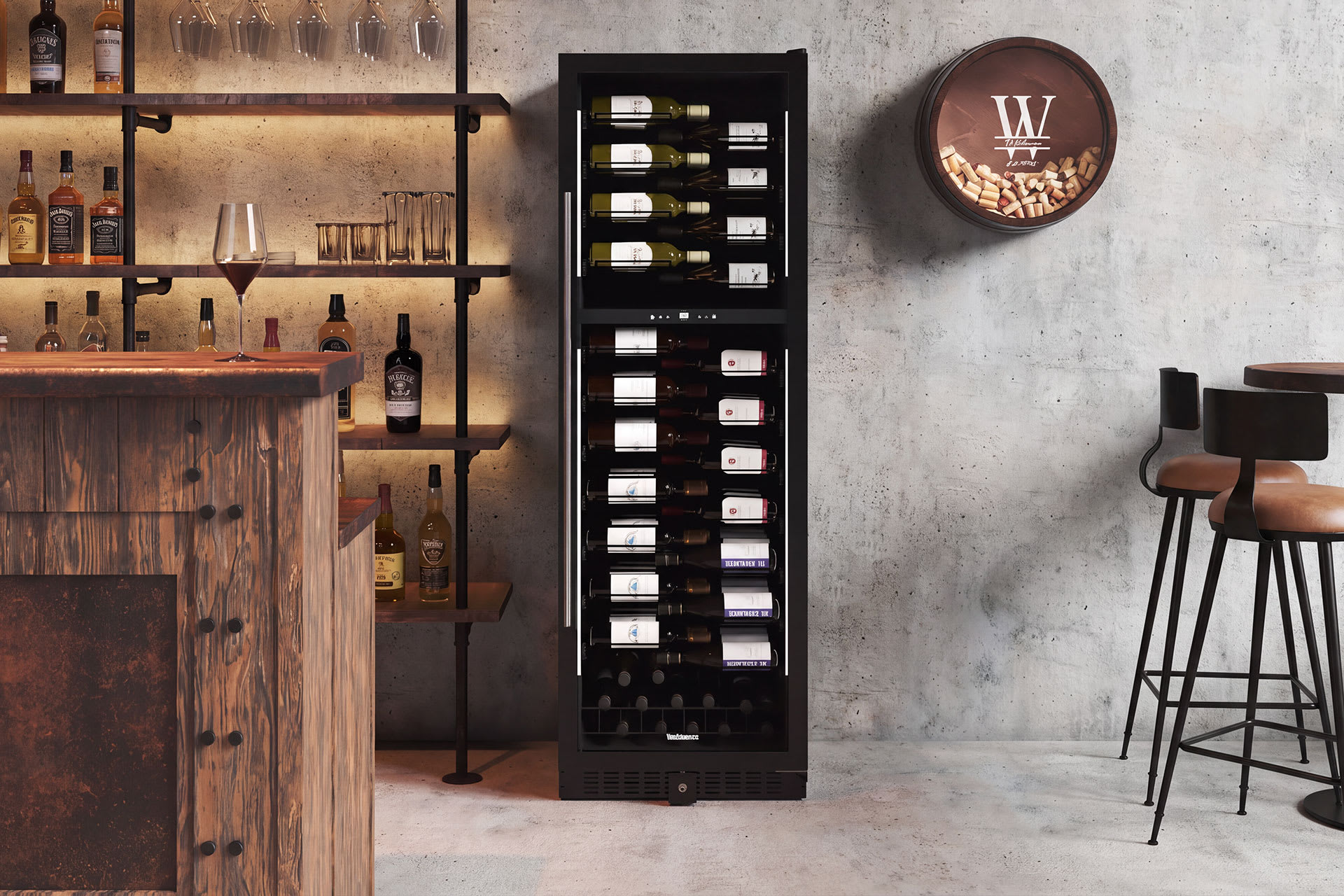
In traditional cellars, bottles are typically stored neck-to-punt. While efficient for space, this hides the producer, the vineyard, and the vintage. The VinoView system reorients the bottle, allowing for a label-forward display that transforms the cellar into a visual gallery. This is not merely an aesthetic choice; it encourages the collector to engage more frequently with their inventory, ensuring that bottles are consumed at their peak maturity rather than forgotten in the back of a dark shelf.
Eliminating Mechanical Damage
One of the most persistent issues in wine storage is label degradation. In traditional shelving, the friction of sliding a bottle past its neighbor inevitably leads to torn or scratched labels. The Matrix system utilizes independent row configurations that ensure each bottle has a dedicated "pocket." This prevents bottles from interlocking, which is a common cause of breakage and label damage during retrieval.
Three-Stage Glide Mechanics
Perhaps the most significant mechanical upgrade is the three-stage glide shelf. Most wine refrigerators feature simple pull-out racks that offer limited access to the rear of the unit. VinoView shelves extend up to 95%, allowing the user to reach the back of the cabinet without having to rearrange or lift bottles from the front. This ergonomic leap makes the management of a 500-bottle collection as intuitive as managing a 20-bottle unit.
Comparative Performance Metrics
The shift in design philosophy is best illustrated by comparing the functional performance of traditional storage against the Matrix Shelving System.
| Wine Cellar Feature | Traditional Storage | VinoView® Matrix Shelving |
|---|---|---|
| Label Visibility | Hidden labels | Label-forward display |
| Bottle Contact | Bottles touch & rub | Independent rows protect labels |
| Shelf Extension | Limited reach & visibility | 95% shelf extension |
| Bottle Fit | Tight/Standard spacing | Wider multi-format compatibility |
| Design Philosophy | Capacity-first | Maximum capacity & instant visibility |
Official Perspective: Design with Intention
"Wine collections are built with intention, and the way they’re stored should reflect the thought behind every bottle," says Stuart Diamond, Senior Director of Wine Storage at Wine Enthusiast.

For Diamond and his team, the goal was to bridge the gap between commercial-grade performance and home-friendly aesthetics. "We wanted to rethink the wine cellar around the way people actually interact with their collections," he notes. "It’s not just about keeping the temperature at 55 degrees; it’s about creating a system that makes it easier to organize, access, and protect those bottles, whether you are a casual enthusiast or a serious investor."
This philosophy extends to the environmental controls within the units. Recognizing the "five enemies of wine"—temperature fluctuation, humidity, light, vibration, and UV exposure—the VinoView line integrates advanced precision cooling. This ensures that while the bottle is displayed prominently, it remains shielded from the elements that would otherwise accelerate premature aging.
Beyond the Shelf: The Holistic Storage Experience
The impact of the VinoView system is not limited to the shelving itself. The entire architecture of the cabinet is designed for the long-term health of the wine.
Versatility in Format
One of the most common complaints in modern collecting is the "Champagne problem." Many high-end, wide-bodied bottles do not fit into standard cooling racks, forcing collectors to store them horizontally on the floor of the fridge or outside the cellar entirely. The VinoView system’s optimized spacing is intentionally flexible, accommodating virtually all 750 mL formats, including the wider, heavier glass bottles used for luxury Champagnes and Burgundies.

Scalability for Every Collector
The series has grown significantly since its 2018 debut, moving from limited models to a comprehensive lineup. Today, the VinoView collection includes:
- Undercounter Units: Perfect for kitchen islands or home bars, designed for those just beginning their collecting journey.
- Professional-Grade Cabinets: High-capacity units that mimic the environmental consistency of a professional restaurant cellar.
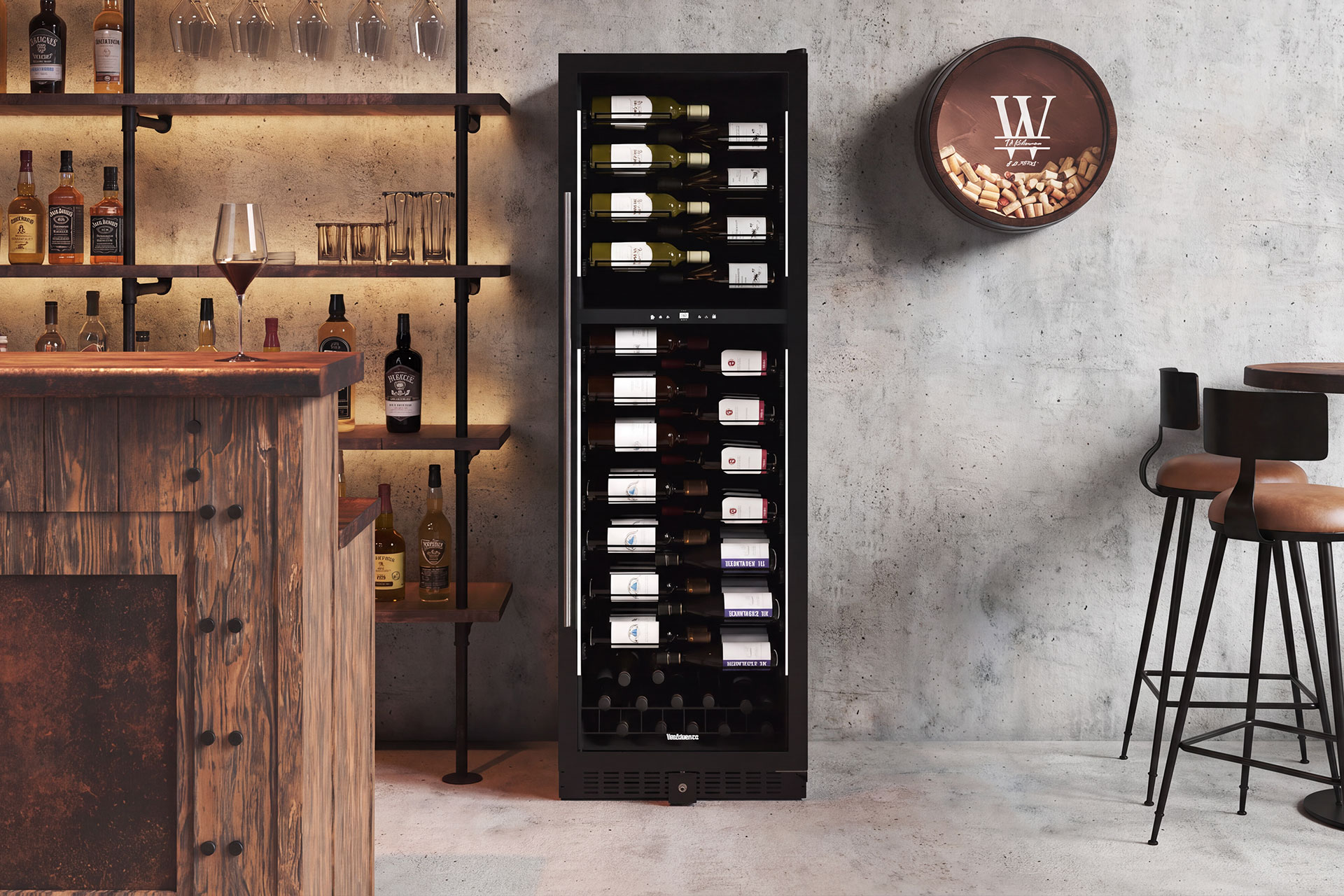
- Full-Size Cabinets: Capable of housing between 90 and 580 bottles, these units allow for massive growth without losing the "label-forward" visibility that defines the brand.
The Implications for Future Wine Collecting
As the market for fine wine continues to grow, the importance of proper storage cannot be overstated. According to market data, the value of a well-aged bottle is heavily contingent on its provenance and the condition of its label. By making it easier to monitor, access, and protect a collection, VinoView has effectively lowered the barrier to entry for professional-grade storage at home.
The implication for the average collector is a shift from passive storage to active management. When a collection is easily visible, owners are more likely to track their inventory, notice when a bottle is reaching its "drink by" date, and enjoy the fruits of their investment at the perfect moment.
Moreover, the design shift toward "showcasing" the collection reflects a broader trend in home architecture. Wine is no longer something to be tucked away in a dusty basement corner; it is a focal point of the home, a conversation piece that bridges the gap between the cellar and the dining room.

Conclusion
The Wine Enthusiast VinoView series stands as a testament to the importance of user-centric design. By focusing on the tangible, daily interactions that collectors have with their wine, the company has managed to solve long-standing mechanical problems while elevating the visual appeal of the home cellar.
Whether it is through the patented Matrix Shelving, the three-stage glides that allow for effortless access, or the precise cooling technology that guards against the elements, the system offers a cohesive solution for the modern enthusiast. As collections continue to evolve in size and complexity, the ability to store, protect, and—perhaps most importantly—see every bottle will remain the cornerstone of a satisfying and sustainable wine-collecting lifestyle.
For those looking to transition from storing wine to curating a collection, the VinoView provides not just a cabinet, but a sophisticated instrument of preservation and display. In an era where the experience of wine is as valued as the wine itself, systems like these are not just convenient—they are essential.