Rebalancing the Scales: The Critical Role of Potassium in a Sodium-Saturated World
Main Facts
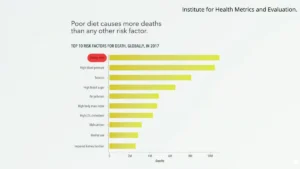
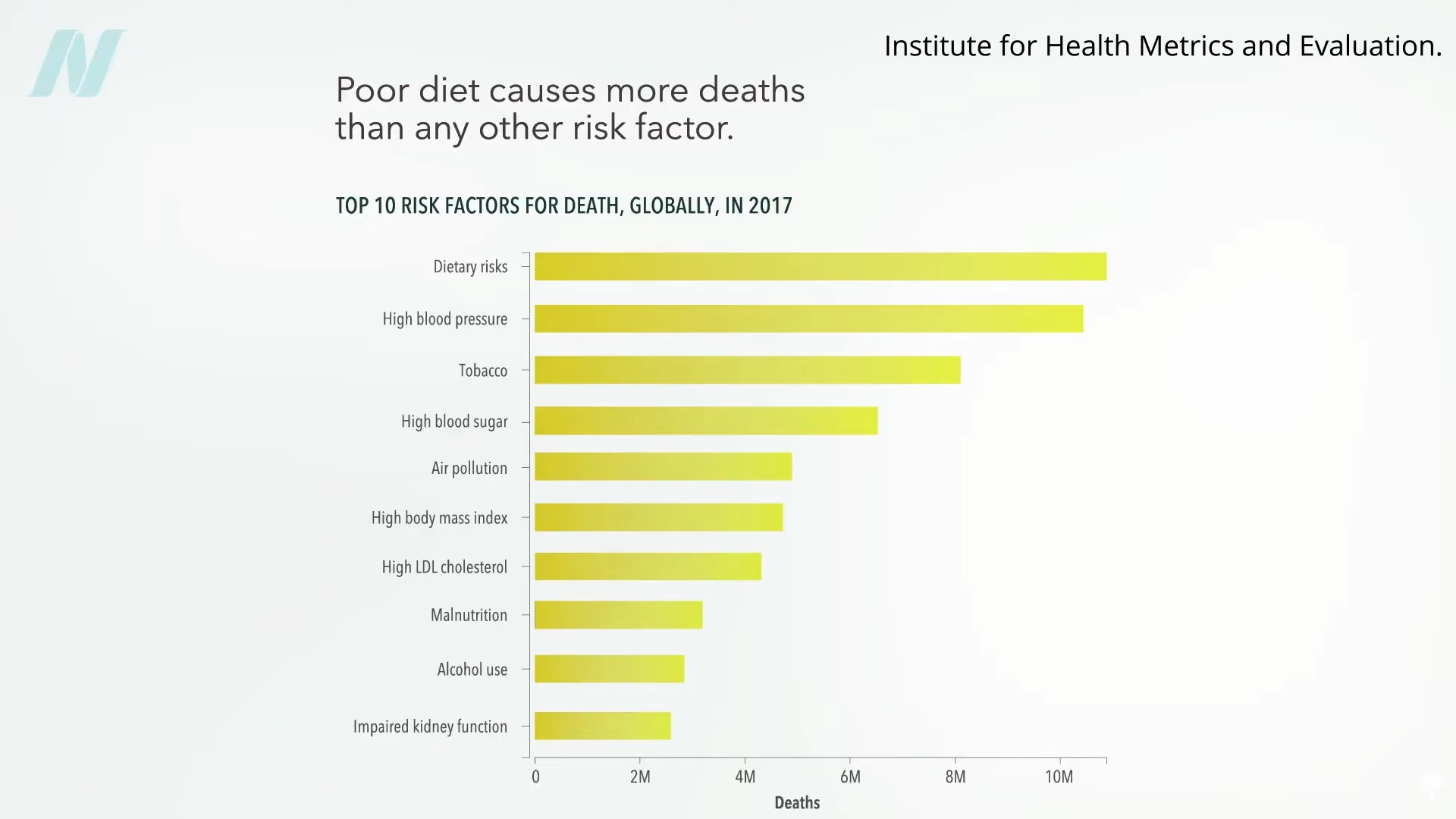
In an era dominated by processed foods and convenience, a silent nutritional imbalance is contributing significantly to one of the world’s deadliest health crises: high blood pressure. While sodium’s role in hypertension is widely recognized, the often-overlooked counterpart, potassium, plays an equally critical, yet frequently deficient, role in maintaining cardiovascular health. Our modern diets have dramatically shifted from the potassium-rich, plant-based eating patterns of our ancestors, leading to a widespread deficit of this essential mineral. This deficiency, coupled with excessive sodium intake, has made hypertension the second leading risk factor for death globally, claiming over 10 million lives annually. Emerging research and evolving medical perspectives, however, point towards a powerful and accessible solution: a renewed focus on dietary potassium, including the strategic use of potassium chloride salt substitutes, while carefully navigating the nuances for vulnerable populations.
Chronology: From Abundance to Deficiency – The Evolution of Our Diet
Humanity’s dietary journey has undergone a profound transformation, with significant implications for our mineral intake. For millennia, human diets were intrinsically rich in potassium. Our ancestors thrived on a predominantly plant-based regimen, consuming an abundance of fruits, vegetables, leafy greens, roots, and tubers. These natural food sources are inherently packed with potassium and low in sodium. Based on this evolutionary blueprint, the optimal dietary potassium intake likely far surpasses current recommendations, potentially reaching as high as 15,000 mg per day – a stark contrast to the average modern intake.
However, over the past century, particularly with the advent of industrial food processing, this dietary paradigm has been inverted. We have progressively replaced these nutrient-dense, potassium-rich plant foods with calorie-dense, highly processed alternatives. These modern staples are often laden with added fats and sugars, and critically, stripped not only of vital fiber but also of their natural potassium content. Concurrently, these processed foods are typically high in added sodium, creating a dangerous dietary imbalance: low potassium coupled with high sodium.
This chronological shift in dietary patterns directly correlates with the escalating global health crisis of hypertension. What was once a rare condition in traditional societies living on whole, plant-based diets has become a pervasive public health challenge. The World Health Organization estimates that 1.28 billion adults aged 30-79 years worldwide have hypertension, a condition largely preventable and manageable through dietary and lifestyle interventions. The trajectory of our diet, moving from an abundance of natural potassium to its current deficiency, represents a critical historical misstep with severe health consequences.

Supporting Data: The Science Behind Potassium, Blood Pressure, and Salt Substitutes
The detrimental impact of this dietary imbalance is undeniable. High blood pressure is not merely a number; it’s a silent killer, increasing the risk of heart attack, stroke, kidney disease, and other serious conditions. Data from the Institute for Health Metrics and Evaluation consistently ranks unhealthy diets as the single leading global risk factor for death, with high blood pressure following closely behind. This grim statistic underscores the urgency of addressing our dietary habits.
- Potassium’s Mechanism in Blood Pressure Regulation: Potassium plays a multifaceted role in cardiovascular health. It helps balance the effects of sodium in the body, promoting sodium excretion through the kidneys. Furthermore, potassium contributes to the relaxation of blood vessel walls, a process known as vasodilation, which directly lowers blood pressure. A higher potassium-to-sodium ratio in the diet is strongly associated with lower blood pressure levels and reduced cardiovascular risk.
- The Power of Whole Plant Foods: The most natural and effective way to increase potassium intake is through a diet rich in whole, unprocessed plant foods. Greens, beans, fruits, and vegetables are potassium powerhouses. Studies consistently show that individuals who consume diets high in these foods exhibit lower blood pressure and better overall health outcomes. For instance, a meta-analysis published in the British Medical Journal found that increasing fruit and vegetable intake was associated with a significant reduction in blood pressure.
- Potassium Chloride: A Targeted Intervention: Recognizing that many individuals struggle to achieve adequate potassium intake solely through diet, and simultaneously consume excessive sodium, the concept of salt substitutes has gained traction. Potassium chloride is the most common salt substitute, offering a direct swap: replacing sodium with potassium.
- Clinical Evidence for Blood Pressure Reduction: The efficacy of potassium chloride salt substitutes in lowering blood pressure is well-supported by robust scientific evidence. A comprehensive meta-analysis of over a dozen randomized controlled trials, published in the journal Hypertension, concluded that replacing sodium chloride with potassium chloride effectively lowers blood pressure. Crucially, many of these trials involved substitutes with less than 30% potassium chloride, yet still yielded significant results. This suggests that even a partial substitution can be beneficial.
- The Taste Factor: A common concern with salt substitutes is taste. However, research indicates that at concentrations below 30% potassium chloride, most individuals cannot distinguish the taste from regular sodium chloride. This means consumers can achieve blood pressure benefits without compromising on flavor. Personal anecdotes, like the successful use of potassium chloride in pesto to mimic the desired taste without sodium, highlight its potential versatility, though its application may vary depending on the food (as illustrated by the watermelon example, where it proved unpalatable).
- Potassium Supplementation Safety: For healthy individuals with normal kidney function, the body effectively excretes excess potassium, making it difficult to consume too much through food or even moderate supplementation. Studies have shown no adverse effects with long-term potassium supplementation at doses as high as 3,000 mg per day. Furthermore, healthy kidneys can maintain blood potassium levels within the normal range (3.5 to 5.0 mmol/L) even with intakes up to approximately 15,000 mg per day, mirroring the estimated intake of our ancestors. Even with average daily supplement dosages of 2,000 mg in salt substitution trials, blood potassium levels typically increase by only a modest 0.14 mmol/L, remaining well within the safe range and far from the concerning hyperkalemia threshold of 6 mmol/L. Extreme cases of hyperkalemia due to dietary intake, such as consuming 20 bananas a day for years or 10 pounds of carrots (75 carrots) daily, are exceedingly rare and represent highly atypical eating patterns.
Official Responses: Regulation, Reluctance, and Evolving Guidelines
The regulatory stance on potassium chloride is generally favorable. The U.S. Food and Drug Administration (FDA) has classified potassium chloride as "Generally Recognized As Safe" (GRAS). This designation signifies that the substance is considered safe under its intended conditions of use, based on extensive scientific data and expert opinion.
Despite this safety classification and the clear health benefits for the general population, there has been a notable reluctance among public health bodies and medical professionals to universally push potassium-based salt substitutes. This caution primarily stems from a critical concern: the potential for hyperkalemia (dangerously high potassium levels) in a small, yet significant, subset of the population with impaired kidney function.
- Historical Precedents and Caution: The medical community’s caution is partly rooted in historical incidents, such as the use of lithium chloride as a salt substitute in the 1940s, which led to cases of lithium poisoning. While potassium chloride is fundamentally different and far safer, such past experiences contribute to a cautious approach. Furthermore, while extremely rare, cases of acute potassium chloride overdose leading to death have been reported, similar to the toxicity of excessive amounts of regular table salt, highlighting that even essential substances can be harmful in extreme, intentionally lethal doses.
- Evolving Dietary Recommendations for Kidney Disease: Traditionally, dietary recommendations for patients with kidney disease have strictly limited the consumption of fruits and vegetables due to their high potassium content. The rationale was to prevent hyperkalemia in individuals whose kidneys struggle to excrete excess potassium. However, this paradigm is undergoing a rapid and significant shift.
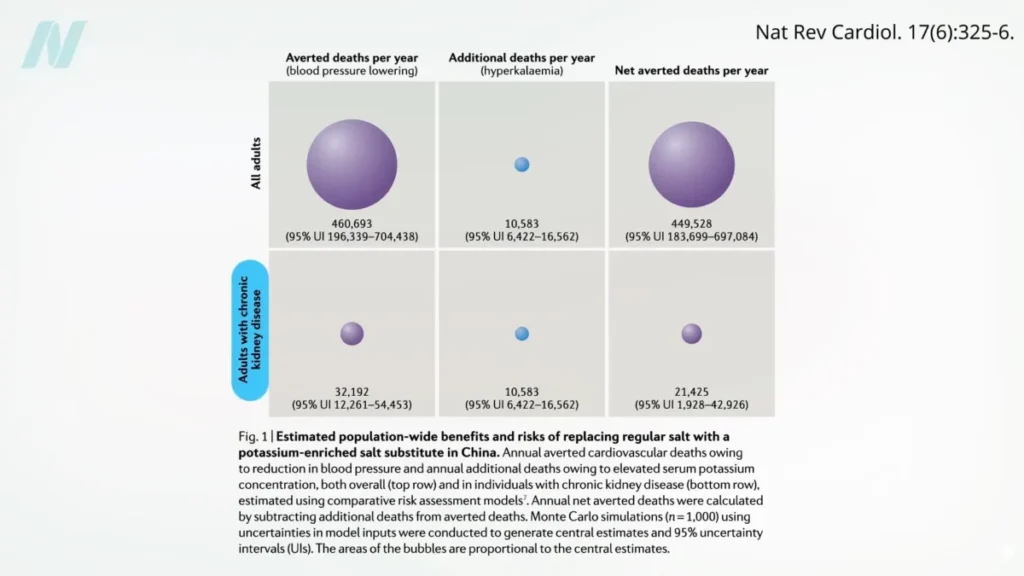
- The Plant-Based Revolution in Nephrology: There is increasing evidence that a whole food, plant-based diet, despite being naturally high in potassium, can actually ameliorate chronic kidney disease (CKD) and delay kidney failure. Plant-based diets offer a wealth of benefits, including lower protein load, reduced inflammation, improved gut microbiome, and a rich array of antioxidants, all of which can be protective for kidney health. Studies are demonstrating that for many CKD patients, the overall benefits of a plant-rich diet outweigh the theoretical risks of hyperkalemia, especially when managed appropriately. The irony is profound: potassium, which was once viewed as a dietary enemy for kidney patients, is now recognized for its potential to reduce mortality from high blood pressure, even among those with kidney disease, as illustrated in the visual data below.
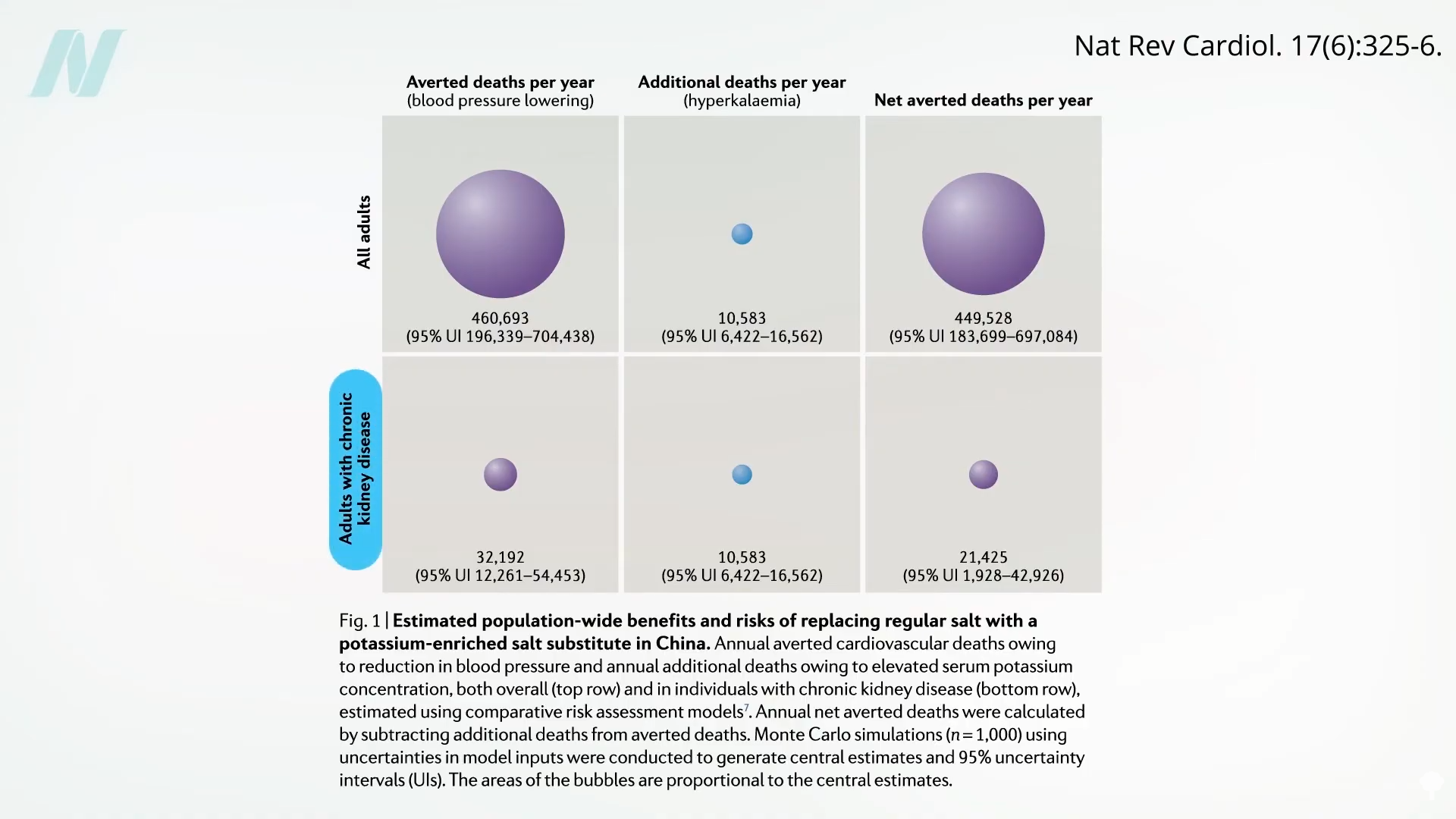
Consequently, the practice of restricting dietary potassium in kidney patients is increasingly being reserved for those with documented hyperkalemia (a potassium level of 6 mmol/L or higher). For many others, the "produce aisle" might hold the key to halting the progression of chronic kidney disease rather than hindering it.
Implications: Navigating a Healthier Future
The implications of this growing understanding are profound, offering a pathway to address one of the most pressing global health challenges.
- For the General Population: For most healthy individuals, increasing dietary potassium through whole, plant-based foods and considering potassium chloride salt substitutes represents a low-risk, high-reward strategy for blood pressure management and overall cardiovascular health. The dietary shift back towards an ancestral pattern, rich in fruits, vegetables, and legumes, is paramount. Salt substitutes can serve as a practical tool to bridge the gap between current high-sodium, low-potassium intake and optimal levels.
- For At-Risk Individuals: A crucial caveat remains for those with severely impaired kidney function. Individuals with known kidney disease, diabetes (which can lead to kidney damage), severe heart failure, those on medications that impair potassium excretion (e.g., certain diuretics or ACE inhibitors), older adults, and people with adrenal insufficiency are at higher risk of hyperkalemia. For these individuals, unrestricted use of potassium chloride salt substitutes or very high potassium intake without medical supervision can be dangerous.
- The Imperative of Kidney Function Testing: Given these risks, it is imperative for anyone unsure of their kidney health status to consult their doctor about getting their kidney function tested. A simple blood test can provide vital information, allowing for personalized dietary and lifestyle recommendations.
- Public Health Policy: The evolving scientific consensus calls for a re-evaluation of public health strategies. Promoting plant-based diets and educating the public about the benefits of potassium, alongside continued efforts to reduce sodium intake, should be prioritized. Targeted messaging and guidelines regarding salt substitutes could be developed, clearly outlining their benefits for the general population while emphasizing the need for medical consultation for high-risk groups.
- Individual Responsibility and Informed Choices: Ultimately, the responsibility lies with individuals to make informed dietary choices in consultation with healthcare providers. Understanding the balance between sodium and potassium, prioritizing whole plant foods, and considering salt substitutes can be powerful steps toward preventing and managing hypertension. The shift in medical perspective regarding potassium for kidney patients highlights the dynamic nature of nutritional science and the importance of staying abreast of the latest evidence.
In conclusion, the journey to optimal health in a sodium-saturated world demands a conscious re-engagement with potassium. By recognizing our evolutionary dietary heritage, embracing whole plant foods, and judiciously utilizing tools like potassium chloride salt substitutes, we can collectively work towards mitigating the devastating impact of high blood pressure and fostering a healthier future for all.
Doctor’s Note
If you are in crisis, you can call the National Suicide Prevention Lifeline 24 hours a day, seven days a week, at 800-273-8255.
This article is the final installment in a three-part series exploring vital mineral intake and the role of potassium chloride. For a deeper dive into these topics, please refer to the previous articles: "The Mineral Intake Recommendations Only 1 in 6,000 U.S. Adults Meet" and "Are Potassium Chloride Salt Substitutes Worth Trying?"