Bridging the Mobility Gap: Veo’s ‘Rover’ Electric Trike Signals a New Era for Inclusive Urban Transit
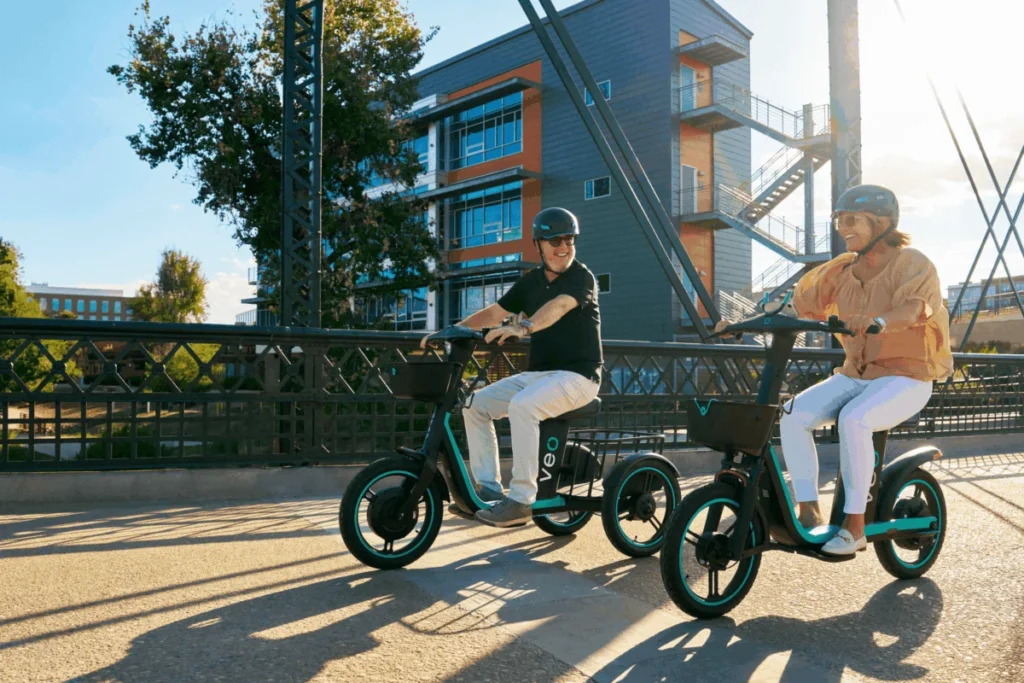
The landscape of modern urban transportation is undergoing a quiet but significant revolution. For years, city streets have been dominated by the proliferation of two-wheeled shared micromobility solutions—namely, the electric scooter and the pedal-assist e-bike. While these tools have successfully reduced car dependency in dense metropolitan centers, they have historically left a significant demographic behind: the elderly, those with balance concerns, and individuals who require a more stable platform for their daily commutes.
This week, Veo, a rising contender in the micromobility sector, unveiled a potential solution to this persistent accessibility challenge. During a high-profile industry event in Denver, the company officially debuted the "Rover," a three-wheeled, sit-down electric tricycle engineered to democratize shared transport. By blending the convenience of app-based rentals with the stability of a three-point stance, Veo is betting that the future of urban mobility isn’t just faster—it’s more inclusive.
The Genesis of the Rover: A New Standard for Stability
The concept of the Rover was born out of a realization that current micromobility infrastructure suffers from a "two-wheel bias." Standard e-scooters and bicycles require a level of physical coordination and balance that inherently excludes segments of the population, particularly older adults or those with mobility impairments.
The Rover is designed to be inherently self-balancing. Featuring a low center of gravity and a wide, stable base, the vehicle allows riders to sit comfortably without the need to manage a kickstand or worry about tipping over at traffic signals. This design choice is not merely a stylistic deviation; it is a calculated effort to broaden the user base of shared mobility platforms.
Technical Specifications and Urban Integration
Despite its robust three-wheel configuration, the Rover maintains a slim profile, measuring just 2.5 feet in width. This engineering feat allows it to navigate safely within the standard three-foot-wide bike lanes that define modern urban planning. Safety, however, remains the company’s primary guiding principle. While many municipalities permit e-bikes and scooters to reach speeds of up to 15 miles per hour, Veo has electronically capped the Rover’s maximum speed at 10 miles per hour.
This speed limitation is intended to foster a more predictable environment for both the rider and pedestrians. To support longer, more practical trips, the Rover is powered by the same high-capacity battery systems found in Veo’s flagship fleet, providing a range of approximately 45 miles on a single charge. Furthermore, the inclusion of a rear-mounted cargo basket—capable of carrying up to 100 pounds—positions the Rover as a legitimate utility vehicle for groceries, luggage, or daily essentials.
Chronology of a Market Shift
The launch of the Rover in Denver is no coincidence. In May, the city of Denver made headlines by awarding an exclusive contract to Veo, effectively displacing industry giants like Lime and Bird. As the sole provider of shared micromobility in the city, Veo is currently using the Denver market as a "living laboratory" to test the viability of its most ambitious hardware to date.

- May 2024: Denver selects Veo as its exclusive partner for shared e-bikes and scooters, signaling a departure from the multi-operator model that dominated the city for years.
- Summer 2024: Veo begins the integration of its AI-powered safety software, focusing on sidewalk-detection technology to mitigate the common friction point of sidewalk riding.
- September 2024: The company enters the consultation phase with disability advocacy groups, including the Parkinson’s Foundation and the Disability Mobility Initiative, to refine the Rover’s ergonomics.
- October 2024: Official unveiling of the Rover in Denver, marking the first commercial deployment of the electric trike in a major US city.
Designing for All: The Collaborative Process
The development of the Rover represents a departure from the "move fast and break things" mentality that characterized the early days of the scooter-share boom. Veo explicitly sought out feedback from organizations such as the AARP and the Capitol Hill Village to ensure the vehicle resonated with older demographics.
"The expectation is that your local bus or transit provider will offer accessible options for those who are in wheelchairs or can’t use certain products," says Alexander Keating, Veo’s vice president of policy and partnerships. "There’s also an expectation for us, from the cities who permit our kinds of programs, to do everything they can to make them accessible."
This collaborative approach highlights a fundamental shift in the relationship between private tech companies and municipal governments. Cities are no longer simply "permitting" micromobility; they are mandating equity. By involving disability advocates early in the design cycle, Veo is attempting to preempt the regulatory hurdles that have plagued their competitors, positioning their fleet as a public utility rather than just a convenience service.
Data-Driven Urbanism: The Role of AI and Analytics
The Rover is not just a physical vehicle; it is a node in a broader network of urban data collection. Like other units in the Veo ecosystem, the trike is equipped with an AI-powered voice assistant. This system provides riders with real-time navigation, traffic updates, and safety alerts.
More significantly, the vehicle utilizes LiDAR-based sidewalk detection. This technology aims to automatically throttle or disable the motor if a rider attempts to traverse a prohibited sidewalk. While critics have noted that sidewalk riding remains a persistent issue in Denver, Veo maintains that the integration of this tech is a work in progress, with software updates constantly improving accuracy.
Anonymized Ridership Insights
Behind the scenes, Veo collects granular data regarding trip frequency, duration, and routing. According to Keating, all data is strictly anonymized. This information serves two purposes:
- Operational Efficiency: Identifying high-traffic zones to optimize battery swapping and vehicle redistribution.
- Urban Planning Support: Providing municipal leaders with insights into how citizens are navigating the city, which can inform future investments in bike lanes and traffic calming measures.
Implications for the Future of Micromobility
The introduction of the Rover poses a significant question for the industry: Can a three-wheeled vehicle achieve mass-market appeal?

Historically, tricycles have been viewed through a narrow lens—often dismissed as being "for kids" or "for the elderly." Veo is attempting to rebrand the trike as a "cool," versatile, and necessary tool for all city dwellers. The implications of this are vast. If the Rover succeeds in Denver, it could set a new benchmark for what city governments expect from their mobility partners. It essentially forces a shift from "first-mile/last-mile" connectivity to "universal access" connectivity.
The Competition and the Market
The e-bike market is currently experiencing a period of intense growth. Other manufacturers, such as Lectric, have already found success in the consumer market with folding electric trikes. However, the shared-use model adds a layer of complexity—durability. A shared vehicle must withstand constant outdoor exposure, vandalism, and the wear-and-tear of hundreds of different users. Veo’s ability to maintain the Rover as a profitable, reliable asset will determine whether other major cities follow Denver’s lead.
Conclusion: A Pivot Toward Equity
As urban populations continue to swell and the pressure to reduce carbon emissions intensifies, the reliance on single-occupancy gas vehicles must continue to decline. However, the transition away from cars cannot be a "one-size-fits-all" endeavor.
By prioritizing accessibility, Veo is tapping into a market that has been largely overlooked by the "tech-bro" iteration of the gig economy. The Rover is not just an evolution of the scooter; it is a reimagining of who the city is for. Whether it’s an elderly citizen running errands, a professional transporting heavy equipment, or a commuter who simply values stability over speed, the three-wheeled form factor offers a compelling promise: that everyone, regardless of age or ability, should have the right to navigate their city with ease.
"We want people to think it’s cool," Keating says. "You would think trikes are for kids or someone older. I think it might be for everyone. We’re going to see."
As the Rover begins to navigate the streets of Denver, the eyes of the urban planning community will be watching closely. If the experiment succeeds, it may well prove that the path to a greener city is paved with three wheels rather than two.