The Ultimate Gluten-Free Chocolate Banana Bread: A Masterclass in Baking Science
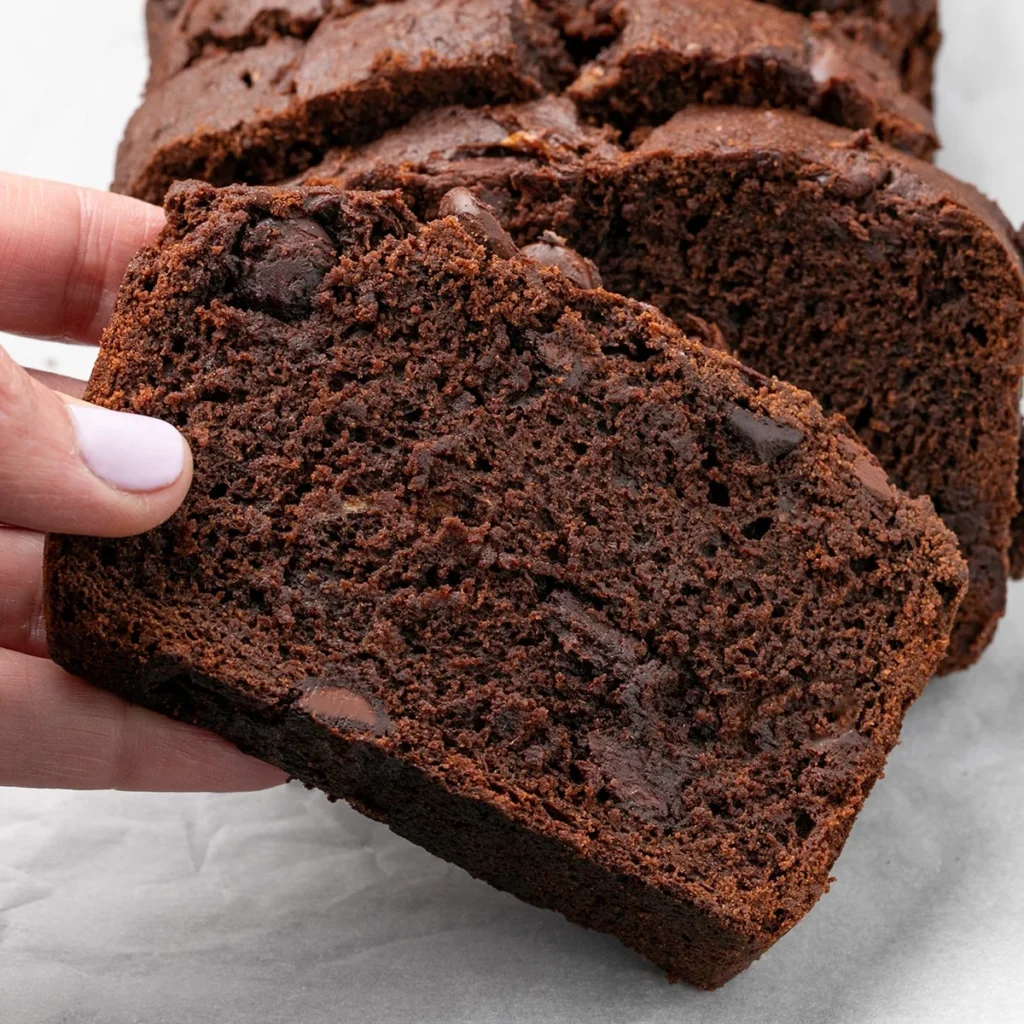
For those navigating the complexities of a gluten-free lifestyle, the quest for a loaf that captures the soul-satisfying texture of a traditional bakery item is often fraught with disappointment. Many gluten-free quick breads suffer from a gritty crumb, an overly dry texture, or a lack of structural integrity. However, a new approach to the classic banana bread—infused with the depth of high-quality cocoa and melted chocolate—is redefining the expectations for gluten-free baking.
This article explores the technical nuances, the meticulous process, and the professional-grade techniques required to create a gluten-free chocolate banana bread that rivals its wheat-based counterparts in both flavor and mouthfeel.
Main Facts: The Anatomy of a Perfect Loaf
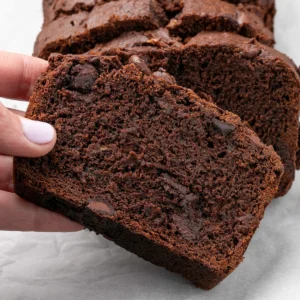
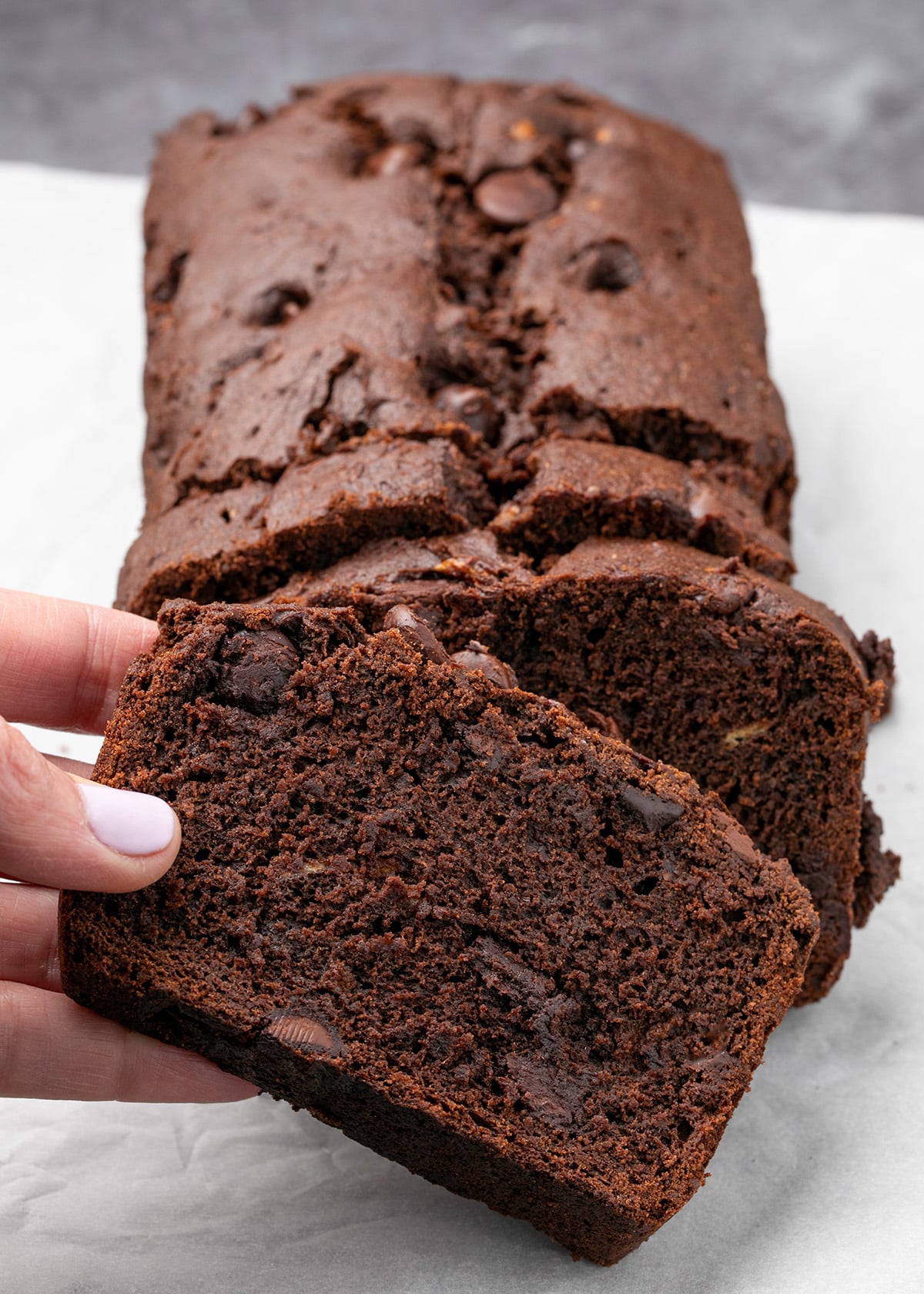
The hallmark of this recipe is not merely the addition of chocolate to a banana base; it is an exercise in structural engineering. Unlike standard banana breads that rely on gluten for elasticity, this version utilizes a combination of cocoa powder and high-cacao-content melted chocolate to create a luxurious, fudgy crumb.
Key characteristics of this loaf include:
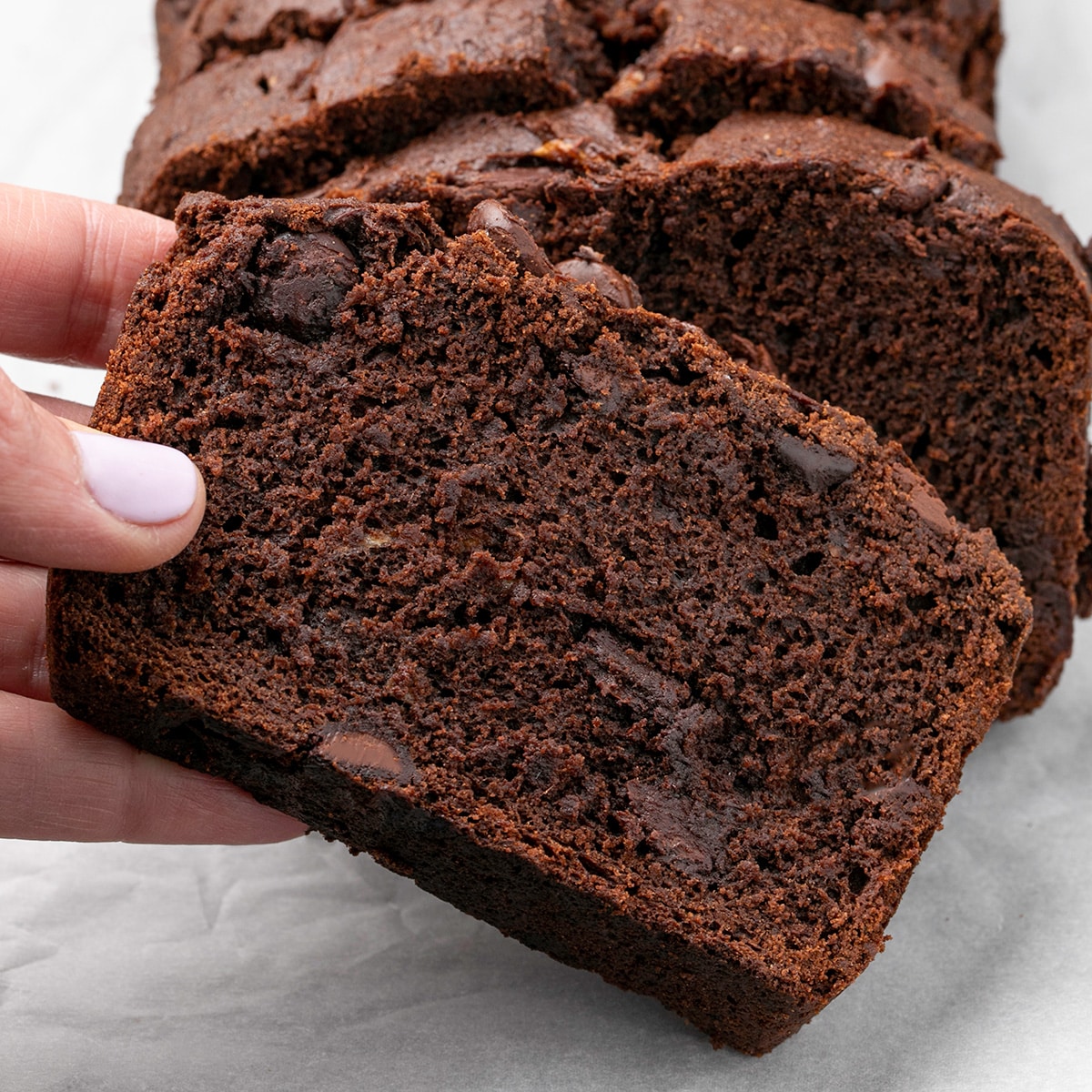
- Dual-Chocolate Profile: By incorporating both cocoa powder and melted chocolate, the recipe achieves a deep, complex flavor profile that prevents the banana from becoming cloying.
- Enhanced Moisture Retention: The inclusion of sour cream and the precise timing of banana integration ensure the bread remains tender for days.
- Structural Integrity: Using a specific ratio of gluten-free flour, xanthan gum, and eggs creates a crumb that is soft yet dense enough to hold its shape when sliced.
Chronology: The Step-by-Step Baking Process
Achieving professional results in a home kitchen requires a disciplined approach to the order of operations. The following chronology outlines the methodology required to ensure success.
Phase 1: Emulsification and Preparation
The process begins with the careful melting of high-quality chocolate. By using a heat-safe bowl and 30-second intervals in the microwave, the baker prevents the chocolate from seizing. This melted chocolate, once combined with butter, forms the backbone of the batter’s richness.
Phase 2: The Dry Component Strategy
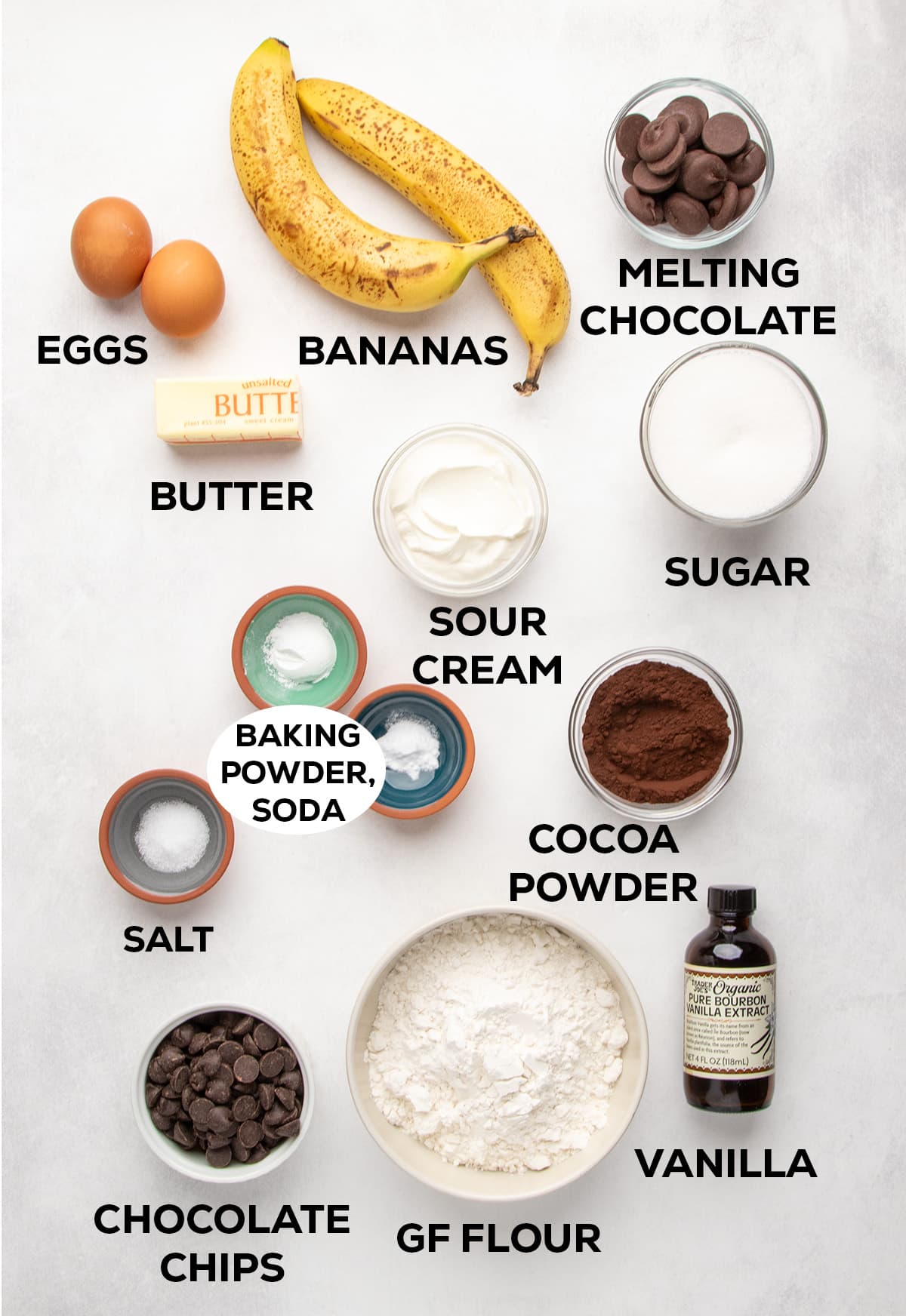
Cocoa powder is notoriously difficult to incorporate into wet mixtures due to its tendency to clump. Whisking the cocoa powder with the gluten-free flour blend, leavening agents (baking powder and soda), and salt ensures a uniform distribution. This pre-mixing phase is critical for achieving a consistent color and flavor throughout the loaf.
Phase 3: The Wet Ingredient Emulsion
The mashed bananas are not merely added; they are beaten into the wet mixture alongside sugar, vanilla, sour cream, and the chocolate-butter emulsion. This mechanical agitation allows the bananas to release their natural moisture, which is vital for hydrating the gluten-free flours.
Phase 4: Integration and Folding
Once the dry and wet components are combined, the batter reaches a thick, luxurious consistency. The final touch—folding in chocolate chips and small, intentionally kept chunks of banana—adds a textural variance that distinguishes this recipe from standard loaf breads.
Supporting Data: The Science of Ingredients
The success of this recipe is rooted in the specific roles played by each component.
The Flour Blend
Gluten-free baking is highly sensitive to the flour blend used. The author recommends reputable blends such as Better Batter or Bob’s Red Mill 1-to-1. The inclusion of xanthan gum is non-negotiable; it acts as the "glue" that replaces the structural properties of gluten. Without it, the bread would crumble upon slicing.
The Egg Variable
While the recipe can be prepared with a single egg, data suggests that utilizing two eggs significantly improves the "rise" and the structural longevity of the loaf. Eggs provide essential proteins that help the structure set, preventing the dreaded "collapse" that often occurs in gluten-free baking when cooling.
The Role of Acid
The use of sour cream is not purely for flavor. The acidity in the sour cream reacts with the baking soda, creating a lift that is necessary for a thick, heavy chocolate batter. For those requiring a dairy-free alternative, substituting with a high-quality, full-fat vegan sour cream is the recommended path to maintaining this chemical balance.
Official Recommendations and Expert Guidance
When interviewing home bakers and testing the limits of this recipe, several "expert-level" insights emerge that distinguish a novice attempt from a professional finish.
- The Pan Selection: A light-colored, nonstick cast aluminum pan is strongly advised. Dark-colored pans absorb heat too aggressively, which can lead to a burnt exterior while the center remains raw—a common pitfall given that the dark color of the chocolate makes it difficult to visually assess browning.
- The Cooling Period: Patience is perhaps the most important ingredient. Because of the high starch content and the density of the chocolate, the bread requires at least 45 minutes to cool completely. Slicing into the loaf prematurely will result in a gummy texture, as the internal starches need time to set.
- Ripening Technique: The myth of "quick-ripening" bananas in the oven is debunked. Baking a green banana in the oven only softens the texture; it does not convert the starches into the sugars necessary for a deep, sweet flavor. The professional recommendation remains the traditional method: a paper bag with an apple, allowing for natural ethylene gas exposure.
Implications: A New Standard for Gluten-Free Baking
The implications of this recipe extend beyond a single loaf of bread. It represents a shift in how the gluten-free community views baking. The days of "good for gluten-free" are ending, replaced by a demand for products that are objectively delicious, regardless of their ingredient profile.
Storage and Longevity
The bread is designed for sustainability. It maintains its integrity at room temperature for up to three days when wrapped tightly. For long-term storage, the freezing method—where individual slices are wrapped and frozen—allows for a "freshly baked" experience months later. Reheating via a toaster oven after a light misting of water restores the crisp edges and soft interior, a technique that highlights the durability of the crumb.
Troubleshooting the "Sinking" Loaf
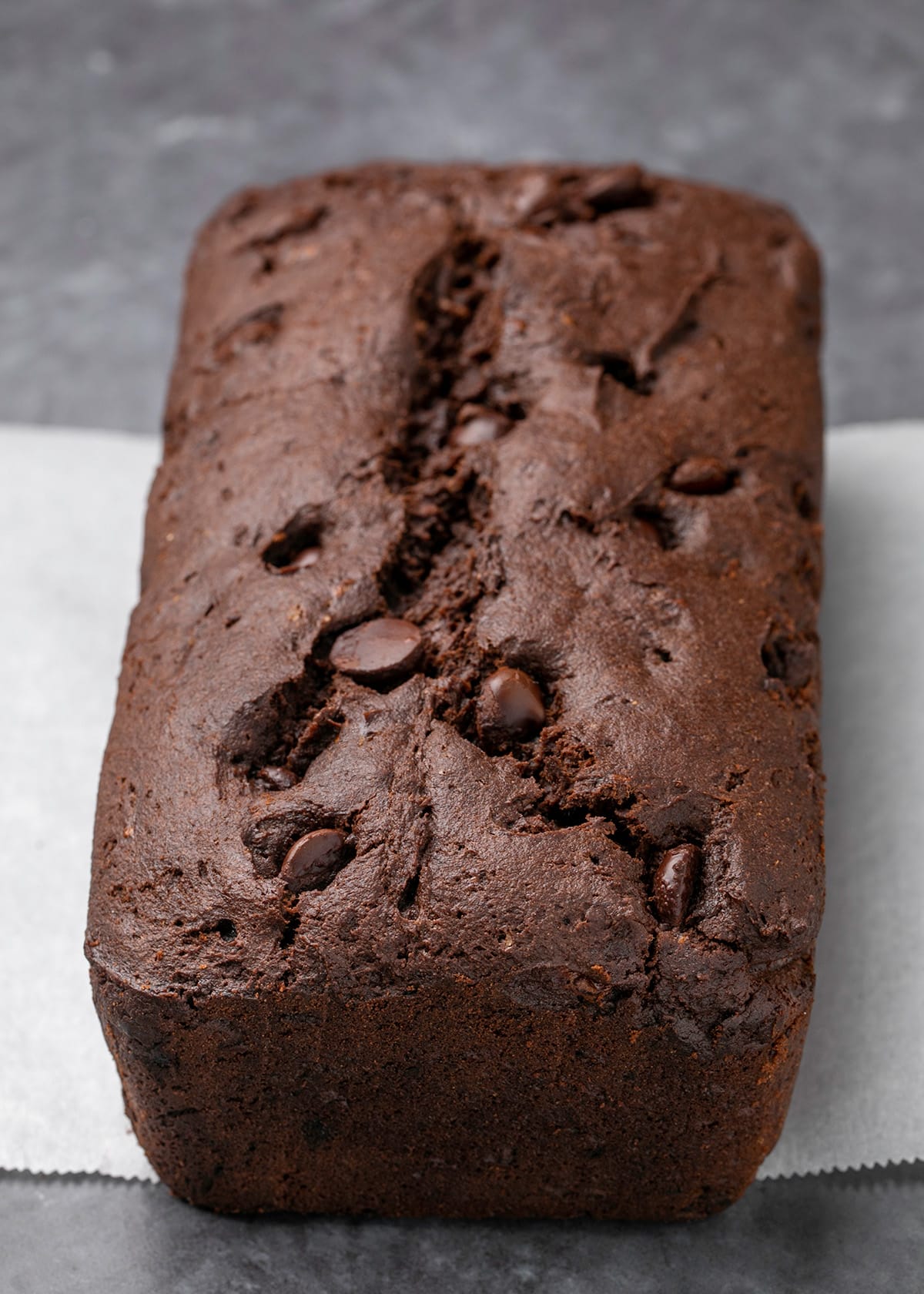
One of the most common questions regarding this recipe involves the loaf sinking during the cooling process. This is almost exclusively an indicator of under-baking. When a loaf sinks, it is a sign that the interior structure was not fully solidified. By using an oven thermometer and ensuring the center is completely set, bakers can avoid this issue. Most home ovens are calibrated incorrectly; relying on an external thermometer is the hallmark of a serious baker.
Final Thoughts
This gluten-free chocolate banana bread serves as a testament to the fact that dietary restrictions need not be a barrier to culinary excellence. By understanding the chemistry of the ingredients—from the emulsification of fats to the structural necessity of eggs and xanthan gum—home bakers can produce a dessert that satisfies the most discerning palates. Whether served as a morning treat or a sophisticated dessert, this loaf stands as a masterclass in modern, inclusive baking.