Enhancing Poultry Safety: A Novel Approach Using Hydrogen Peroxide and Catalase
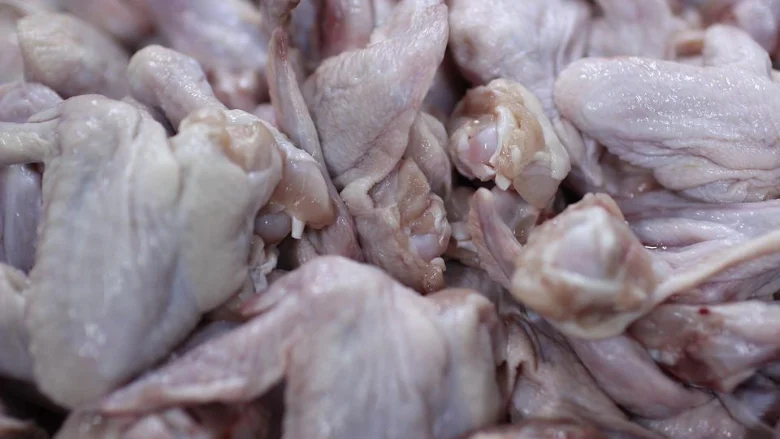
In the constant battle to ensure the safety of the global food supply, poultry processors have long relied on chlorine-based disinfectants to mitigate the risk of foodborne illness. However, concerns regarding the formation of disinfection byproducts and the efficacy of these traditional methods have spurred researchers to seek sustainable, highly effective alternatives. A groundbreaking study led by researchers at Harran University, recently published in the journal ACS Omega, has introduced a promising dual-stage intervention: the application of hydrogen peroxide to eliminate pathogens, followed by a neutralization phase using catalase enzymes to ensure product quality.
This research, which rigorously tested the decontamination of Salmonella Typhimurium and Listeria monocytogenes on raw chicken wings, offers a potential paradigm shift for the poultry industry. By leveraging the oxidative power of hydrogen peroxide and the biological efficiency of catalase—even utilizing upcycled poultry byproducts—the team has demonstrated a method that balances rigorous microbial control with the preservation of the meat’s sensory appeal.
The Science of Decontamination: Core Findings
The study sought to determine whether hydrogen peroxide, a powerful oxidizing agent, could effectively neutralize two of the most common and dangerous foodborne pathogens associated with poultry. The researchers evaluated hydrogen peroxide concentrations ranging from 5 to 250 parts per million (ppm), with contact times varying between five and 90 seconds.
The results were striking. The team found that the antimicrobial efficacy of hydrogen peroxide is highly dependent on concentration and duration. As the concentration of the solution increased, so too did the reduction in microbial load.
For Salmonella Typhimurium, the most significant reduction was achieved at 250 ppm, yielding a 3-log reduction in colony-forming units (CFU/mL) after 30 seconds. At a more moderate 100 ppm, the researchers observed a 2.3-log reduction within 60 to 90 seconds. Interestingly, Listeria monocytogenes proved significantly more susceptible to the treatment. At concentrations as low as 50 and 100 ppm, Listeria counts dropped below the detectable threshold after just 90 seconds. At the maximum concentration of 250 ppm, the pathogen was rendered undetectable in only 30 seconds.
The researchers hypothesized that Salmonella’s relative resilience—compared to Listeria—is likely due to its superior ability to adhere to the complex topography of poultry skin, which acts as a protective shield against the oxidative action of the hydrogen peroxide.
Chronology and Experimental Methodology
The research team designed a multi-phase experimental framework to ensure the data was not only robust but also applicable to real-world industrial processing environments.
Phase 1: Microbial Inoculation and Treatment
Chicken wings were inoculated with standardized concentrations of S. Typhimurium and L. monocytogenes. Following the contamination phase, the wings were subjected to hydrogen peroxide baths. The study monitored the pH levels of the solutions throughout, noting that the concentration of hydrogen peroxide influenced the acidity of the water; pH dropped from approximately 4.5 at 5 ppm to 3.6 at 250 ppm. This lower pH is believed to play a synergistic role in bacterial inactivation, enhancing the oxidative damage inflicted on the microbes’ DNA, proteins, lipids, and cell membranes.
Phase 2: Neutralization via Catalase
A critical challenge in using hydrogen peroxide in food processing is the removal of residues that might affect the product’s final quality. The researchers introduced catalase—an enzyme that catalyzes the decomposition of hydrogen peroxide into water and oxygen. They tested two sources: commercial-grade catalase and a crude extract derived from poultry liver. Both proved highly effective, successfully degrading residual hydrogen peroxide to levels below the limit of detection across all tested samples.
Phase 3: Quality and Molecular Assessment
The final phase focused on physical and molecular validation. Instrumental color measurements were taken to ensure the treatment did not bleach or otherwise alter the appearance of the chicken wings. Finally, molecular docking analyses were conducted to investigate the interaction between hydrogen peroxide and specific bacterial proteins, providing a theoretical foundation for the observed antimicrobial activity.
Supporting Data: Molecular Insights and Color Stability
One of the primary concerns for food producers adopting new sanitization methods is the "sensory profile" of the product. Consumers are highly sensitive to changes in the color, texture, or odor of raw poultry. The study found that while there were statistically significant fluctuations in certain color parameters, these changes remained well within the range of natural variation expected in raw poultry meat. Consequently, the researchers concluded that the treatment is unlikely to be detectable by the average consumer.
The molecular docking analysis provided an intriguing glimpse into the "how" of the decontamination process. The researchers compared the binding affinity of hydrogen peroxide against hypochlorite, the current industry standard. The computational model suggested that hydrogen peroxide possesses a stronger theoretical binding affinity to specific target proteins in these bacteria. However, the authors were careful to clarify that while this is a supporting discovery, the primary mechanism of action remains the broad, oxidative disruption of cellular components rather than a specific protein-binding pathway.
Industrial Implications and Future Directions
The implications of this study for the poultry industry are profound, particularly regarding the concept of "upcycling." The researchers highlighted that the use of crude poultry liver extract—a byproduct of the slaughterhouse—as a source for catalase is a significant sustainability win. It transforms a waste stream into a functional processing aid, effectively reducing the cost of implementing this safety measure while simultaneously providing a high-performance neutralization solution.
Replacing Chlorine?
As regulatory bodies worldwide continue to scrutinize the use of chlorine-based disinfectants due to the formation of trihalomethanes and other potentially harmful byproducts, the search for a viable, non-toxic alternative is paramount. The Harran University study suggests that a hydrogen peroxide-catalase sequence could serve as an effective, cleaner alternative. It is particularly well-suited for the "end-of-line" phase, applied just before the packaging process, where it can provide a final barrier against contamination without leaving chemical residues behind.
Addressing Adaptive Resistance
Despite the optimistic findings, the authors issued a prudent warning regarding the long-term industrial application of this method. They noted that the repeated use of sub-lethal concentrations of any antimicrobial agent can, over time, select for bacterial populations that are more tolerant to oxidative stress. While this specific study did not measure adaptive resistance, the researchers strongly recommended that future studies investigate the long-term impact of this treatment in a factory setting. They proposed the use of "multi-hurdle" intervention strategies—rotating hydrogen peroxide with other safe sanitizers—to prevent the emergence of resistant strains.
Conclusion: A Path Toward Safer Poultry
The findings published in ACS Omega represent a significant step forward in food safety technology. By successfully demonstrating that hydrogen peroxide can be effectively neutralized by natural catalysts like poultry liver extract, the researchers have provided a clear roadmap for a more sustainable and effective decontamination process.
While the study is robust, the researchers emphasize that this is only the beginning. Future work must bridge the gap between laboratory results and industrial-scale implementation. Specifically, upcoming research should prioritize sensory evaluations to confirm that the treatment maintains its high standards for flavor, texture, and odor under real-world conditions. Additionally, consumer acceptance studies will be vital to ensure that the adoption of this technology aligns with the growing public demand for food that is not only safe but also processed with minimal chemical intervention.
As the poultry industry continues to modernize, the transition toward biological and easily degradable sanitizers like hydrogen peroxide and catalase may soon become the gold standard. Through the convergence of biochemistry, sustainable engineering, and food safety, the work from Harran University provides a compelling blueprint for the future of poultry processing, promising a safer product for consumers and a more efficient, eco-conscious process for the industry at large.