The Quiet Evolution: A Thirty-Five-Year Journey into Atlanta’s Shaded Sanctuary
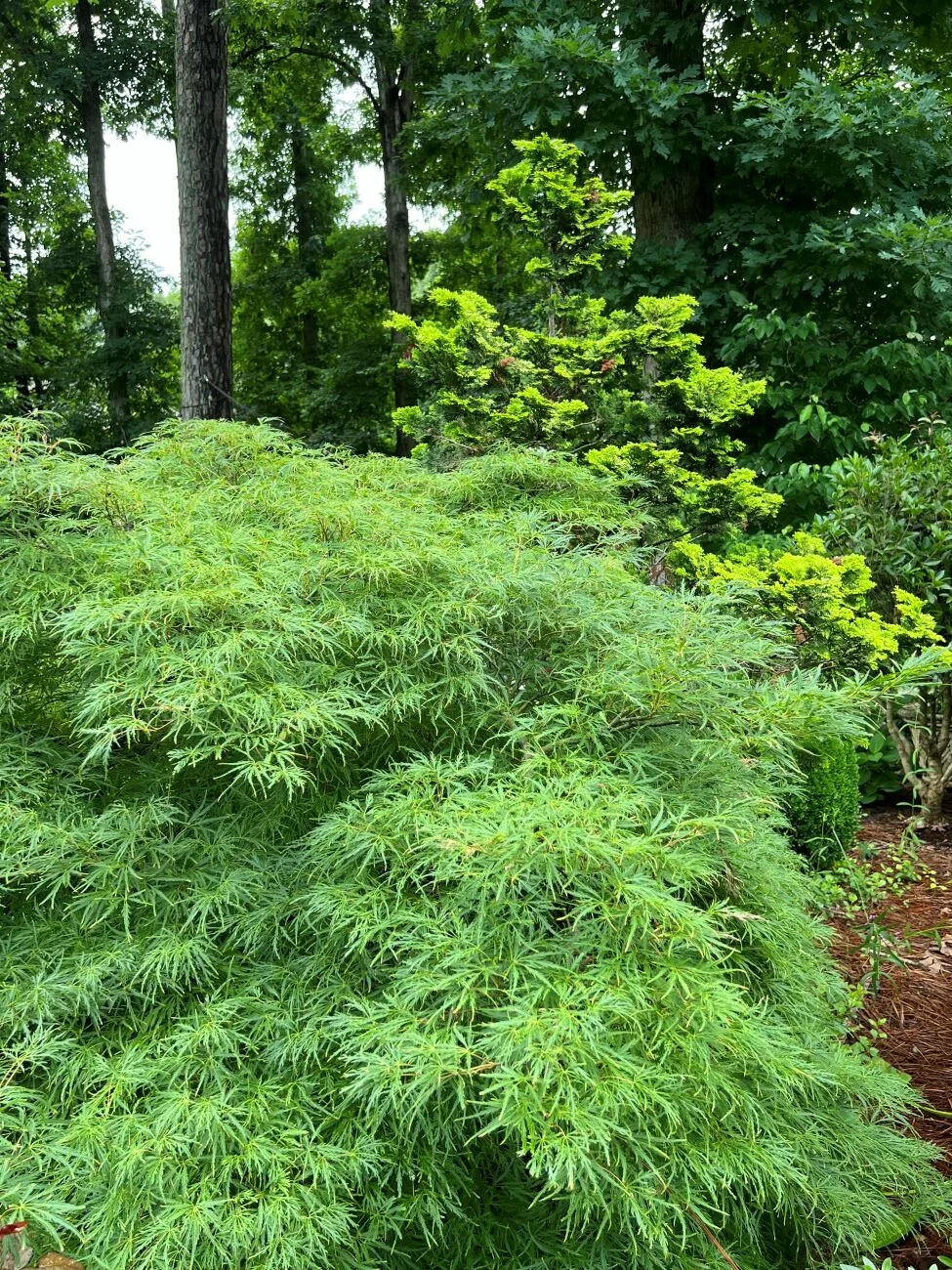
In the bustling urban sprawl of Atlanta, Georgia, where the pace of life often mirrors the frantic speed of modern development, Berri has cultivated an alternative reality. Tucked away beneath the dappled, filtered light of towering, mature oaks and pines, her garden stands as a testament to the power of patience, careful observation, and a profound, enduring love for the natural world.
What began thirty-five years ago as a blank slate has matured into a sophisticated, multi-layered forest garden. This is not a landscape designed for instant gratification; rather, it is an ever-evolving retreat that reflects three and a half decades of horticultural study, trial, and error. As we explore the intricacies of this shaded sanctuary, we gain insight into how a committed gardener can transform a simple backyard into a vibrant, biodiverse ecosystem that serves both the human spirit and the local wildlife.
A Chronology of Growth: Three Decades in the Making
The transformation of Berri’s property did not occur overnight. The garden serves as a living timeline of her residence in the home. When she first arrived, the potential of the site was hidden beneath the challenges of deep shade and the competition of existing tree roots.
The Foundation Years
In the early years, the primary focus was on infrastructure and the establishment of a canopy-understory relationship. Because the site was heavily forested, traditional lawn-based landscaping was not a viable option. Berri spent the first decade learning the specific microclimates of her property. By observing how sunlight shifted across the forest floor throughout the seasons, she began to curate a palette of shade-loving shrubs and perennials. This period was defined by research and the selective removal of invasive species to make room for native and adapted woodland plants.
The Maturation Phase
By the mid-point of her journey, the shrubs planted along the property lines had reached maturity. This was a pivotal shift, as the landscape moved from a collection of individual plants to a cohesive, enclosed sanctuary. These established borders now serve a dual purpose: they act as a living fence, providing complete natural privacy from neighbors, and they create a protected environment that buffers the interior garden from wind and temperature extremes.
The Current Era: Refinement and Ecosystem Management
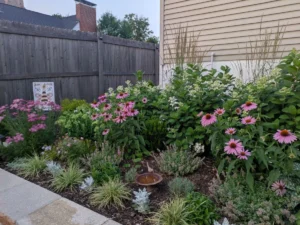
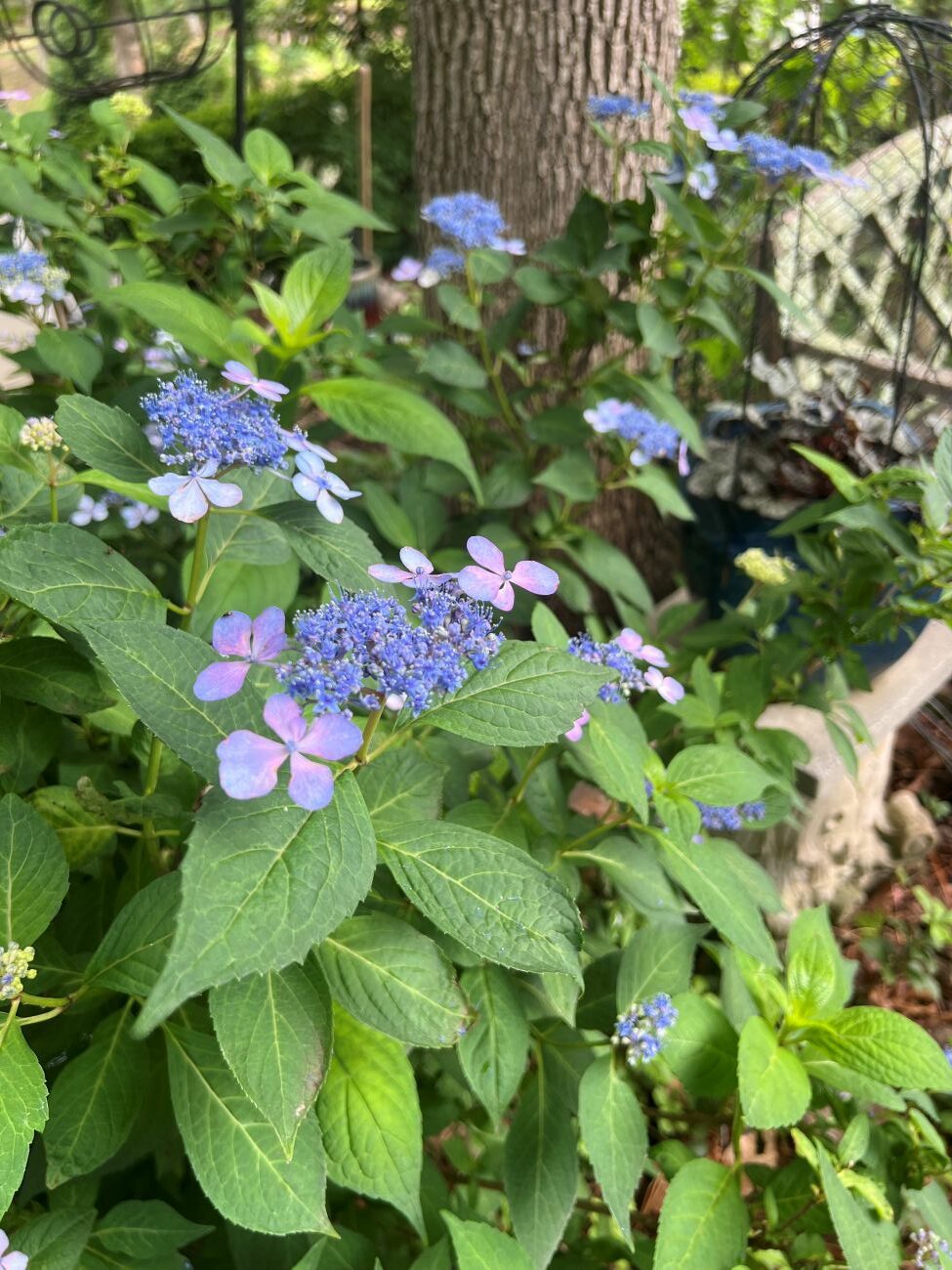
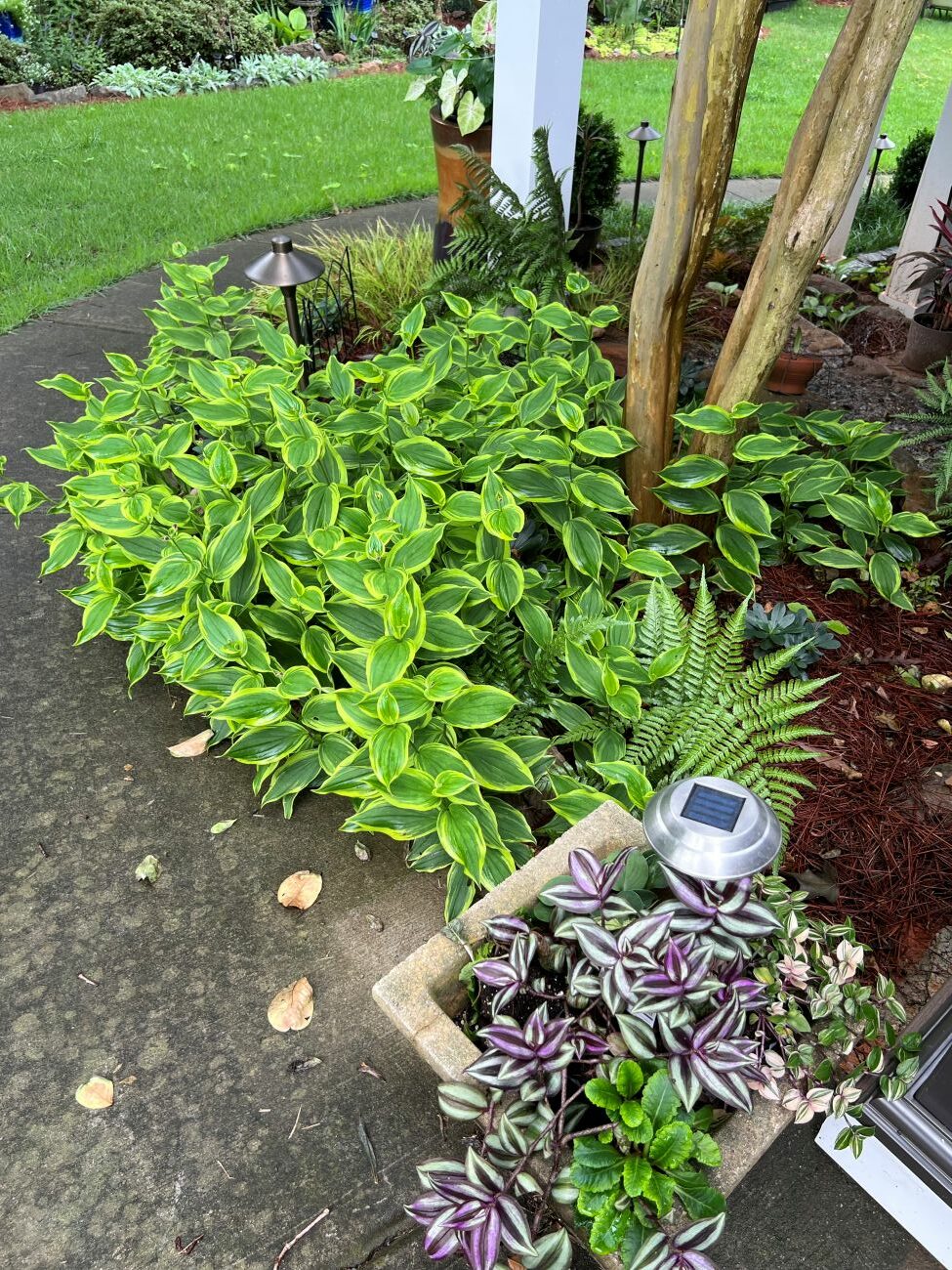
Today, the garden is in a state of constant, gentle flux. It is no longer about establishing plants, but about managing the complex interplay between species. Berri’s current work involves the precise placement of texture-rich perennials—such as the blue lacecap hydrangea and the delicate toad lily—against the backdrop of the massive, structural oaks and pines.
Supporting Data: The Biodiversity of a Forest Garden
The success of a garden is often measured by its contribution to the local ecosystem. Berri’s sanctuary is a thriving habitat, evidenced by the consistent return of a diverse array of avian life.
The Avian Population
The garden serves as a vital corridor for local birds, providing food, water, and shelter. Annual visitors to the property include:
- Bluebirds and Cardinals: Attracted to the berry-producing shrubs and protected nesting sites.
- Thrashers and Robins: Beneficiaries of the rich leaf litter and soil health nurtured over thirty-five years.
- Woodpeckers: Sustained by the aging hardwood trees that provide essential nesting cavities.
- Hummingbirds and Goldfinches: Drawn to the nectar-rich perennials and seed heads left intentionally through the late season.
Botanical Diversity and Structural Layering
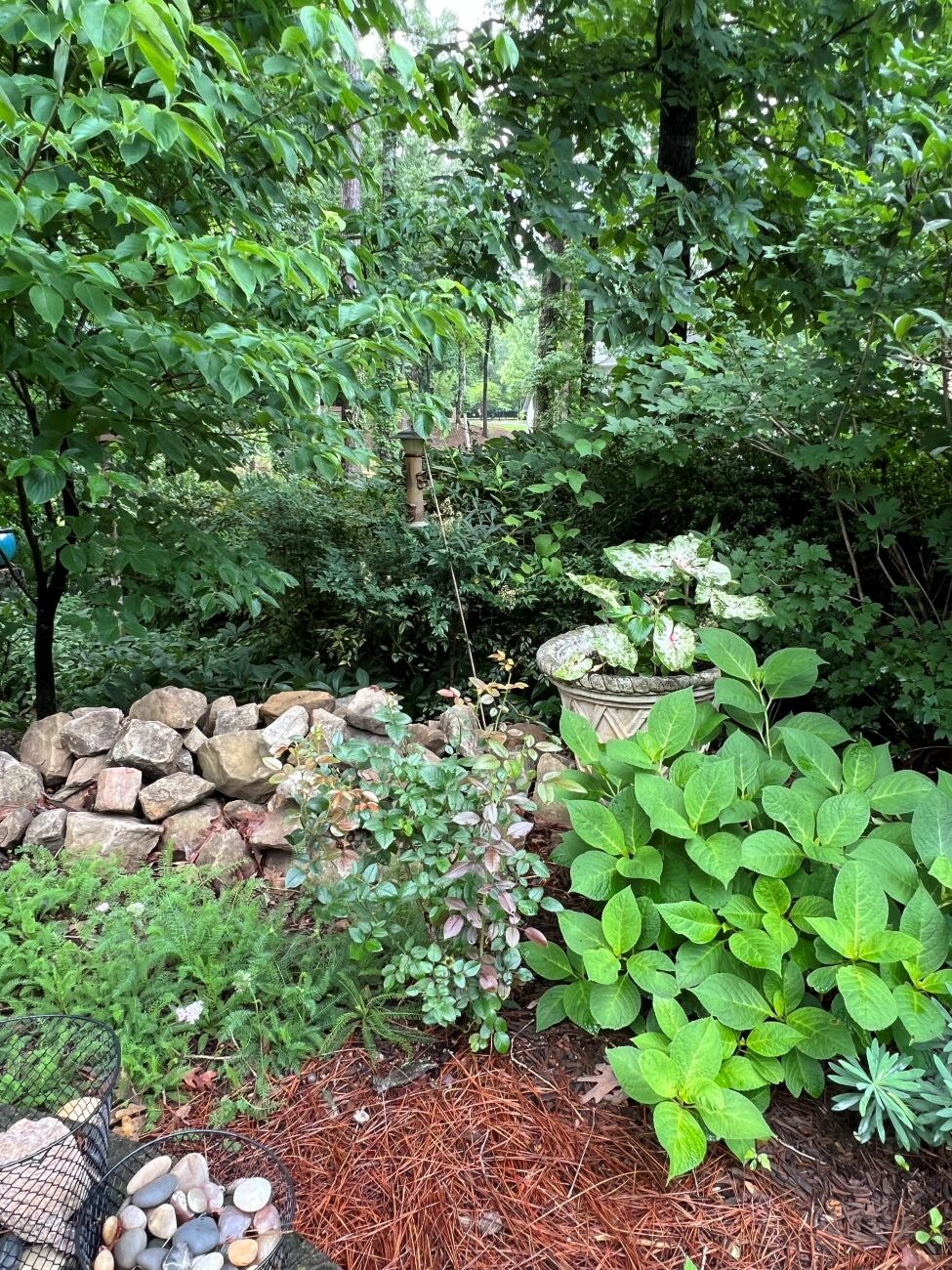
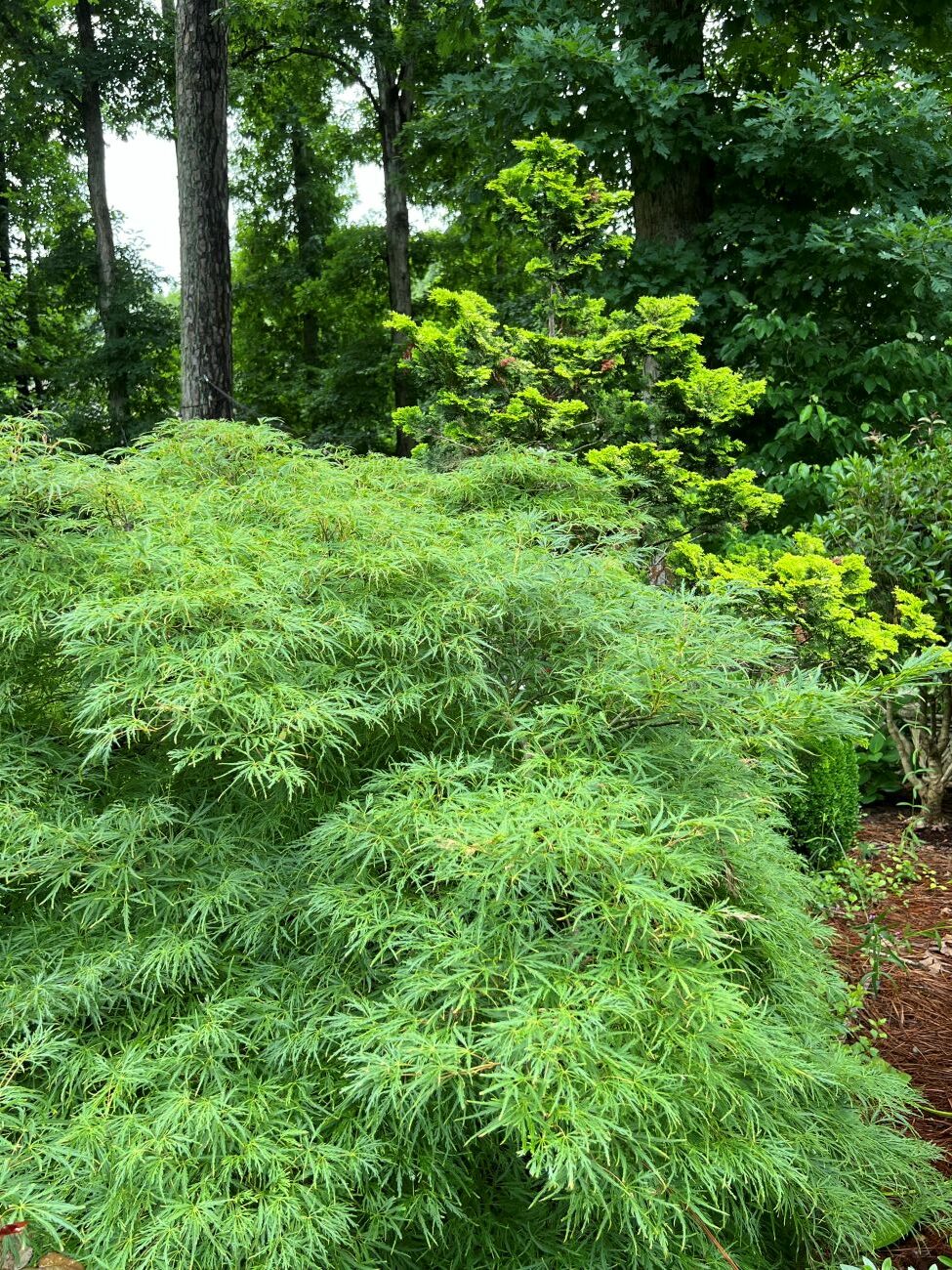
The garden utilizes a vertical layering technique common in permaculture but rarely seen in residential settings. The top layer consists of the canopy oaks and pines; the mid-layer includes the crepe myrtle and Japanese maples; and the ground layer is a dense tapestry of azaleas, lamb’s ear, and ferns.
For instance, the pairing of a Tricyrtis (toad lily) at the base of a crepe myrtle illustrates the gardener’s mastery of light and moisture. The crepe myrtle provides the necessary dappled shade to prevent the toad lily from scorching, while the lily benefits from the moisture retention at the tree’s base. Such combinations are not merely aesthetic; they are biological partnerships that ensure the longevity of the garden’s inhabitants.
Design Philosophy: The Art of the Detail
Berri’s garden is defined by its vignettes—small, curated scenes that invite the viewer to slow down. Her use of containers and hardscaping demonstrates a sophisticated eye for design.
The Role of Hardscaping
The use of stacked stone and teak furniture provides a neutral, grounding element that contrasts with the lush, chaotic growth of the forest floor. By placing a teak bench near the path of the lacecap hydrangeas, she creates a destination within the garden. This is a crucial element of successful landscape design: providing a place to sit, observe, and experience the garden’s shifts in light and sound.
The Pottery Collection
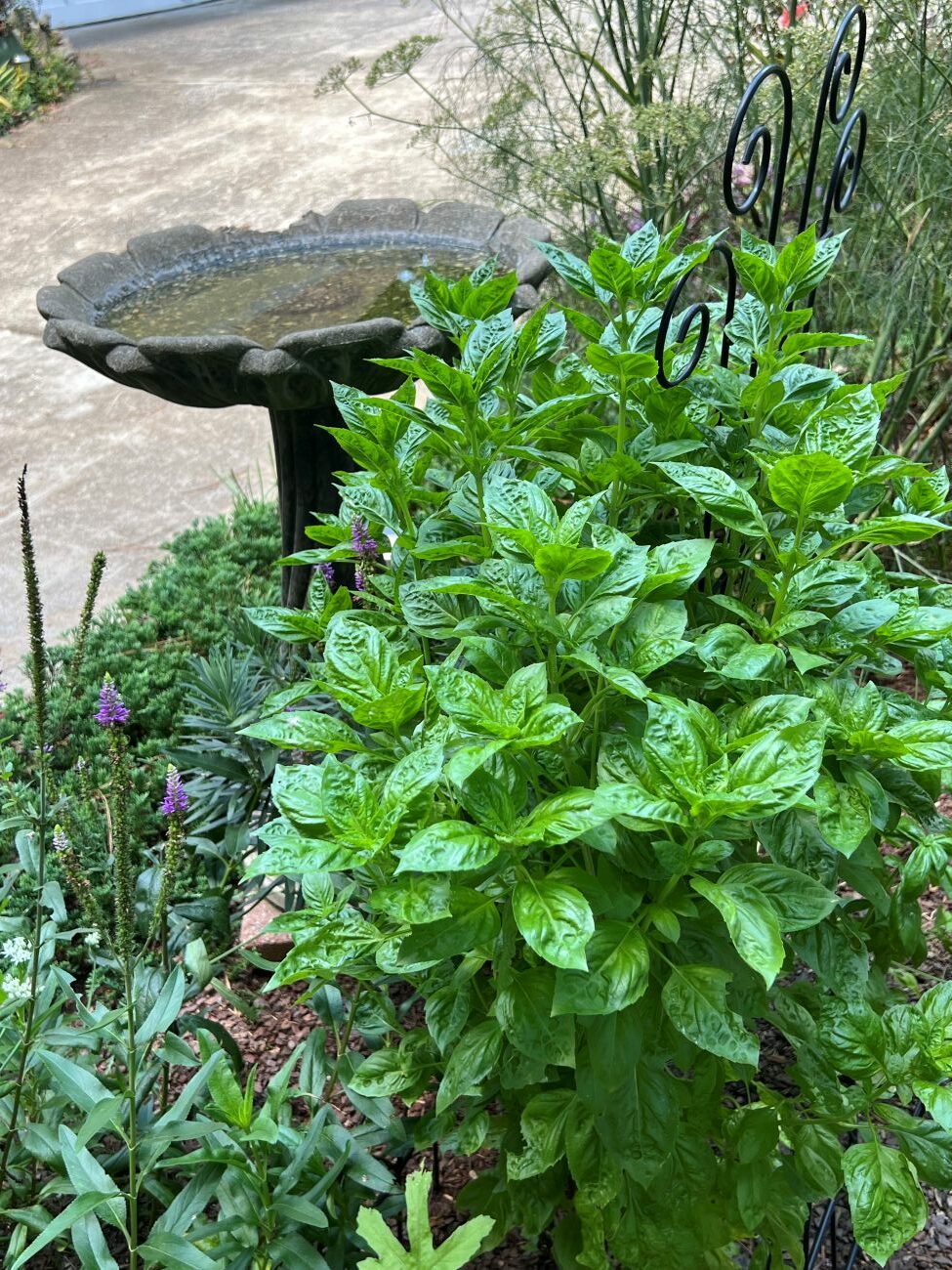
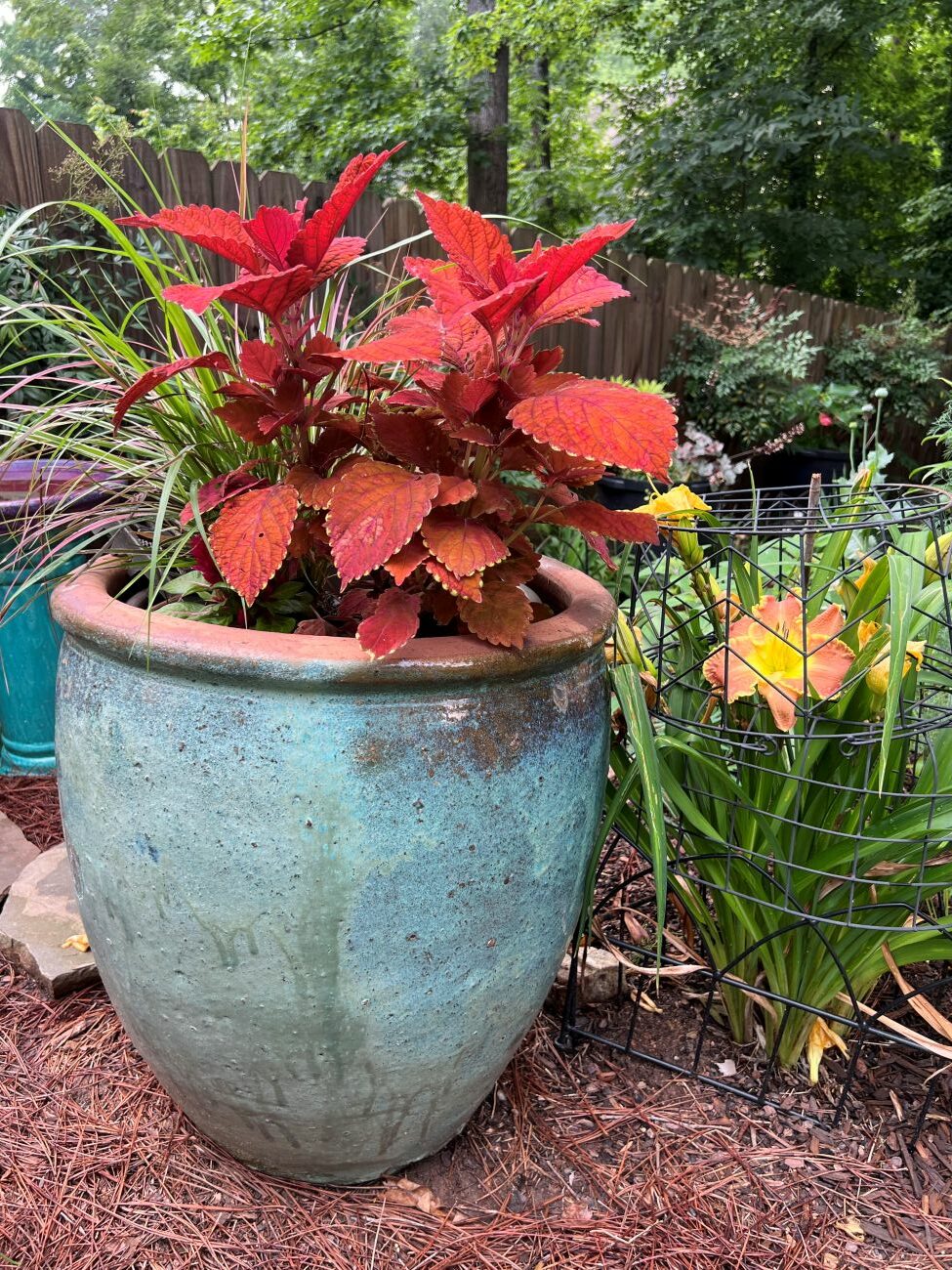
The integration of Vietnamese pottery, specifically the containers holding coleus and grasses, adds a sculptural element to the landscape. These pots act as anchor points, drawing the eye toward the ground level and creating a rhythmic repetition of color and form that contrasts with the softness of the surrounding woodland.
Implications for Future Gardeners
Berri’s garden provides a compelling model for suburban homeowners who find themselves managing heavily shaded, tree-covered lots. Her experience offers several key takeaways for the modern gardener:
- Patience is a Biological Imperative: Plants that thrive in forest conditions often require time to establish their root systems. The success of her azalea beds is the result of years of soil enrichment and gradual, calculated expansion.
- Privacy through Naturalism: Rather than relying on synthetic fencing, utilizing mature, layered shrub borders creates a more effective and aesthetically pleasing barrier that grows more beautiful with each passing year.
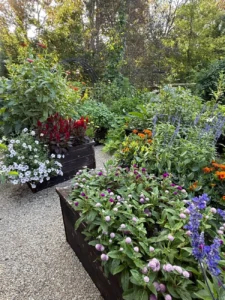
- The Container as a Bridge: Using containers, as Berri does with her Vietnamese pottery, allows gardeners to introduce plants that might not thrive in the native soil or to create bold, seasonal pops of color that can be rotated as the garden’s focus shifts throughout the year.
- Observation over Intervention: The most significant "official" recommendation derived from observing this garden is to watch the light. Before planting, spend a full year observing the sun’s path. What appears to be "shade" in winter may be "full sun" in mid-summer when the canopy is fully leafed out.
A Call to Connection: The Future of the Garden
As the seasons turn and the garden continues to grow, Berri’s space serves as a reminder that gardening is an act of hope. It is a way of investing in the future—of planting a tree today so that someone else may enjoy its shade, or of nurturing a soil that will support life long after the gardener has moved on.
For those inspired by this Atlanta sanctuary, the invitation to participate is open. The act of sharing one’s garden is not merely about showing off flowers; it is about building a community of people who value the slow, rhythmic process of growth. Whether you are managing a small balcony, a suburban backyard, or a sprawling rural property, your garden is a chapter in a much larger story of environmental stewardship.
By documenting our own successes, acknowledging our failures, and learning from the successes of others, we collectively increase our understanding of how to live in balance with the land. As Berri has shown, the most rewarding gardens are not the ones that require the most maintenance, but the ones that invite us to sit still, observe, and appreciate the quiet evolution of the natural world.
The garden is never truly finished; it is always in a state of becoming. And in that, there is an endless promise of beauty, discovery, and peace.