The Rise of the No-Bake Movement: Why 5-Ingredient Chocolate Bliss Balls Are Redefining Modern Snacking
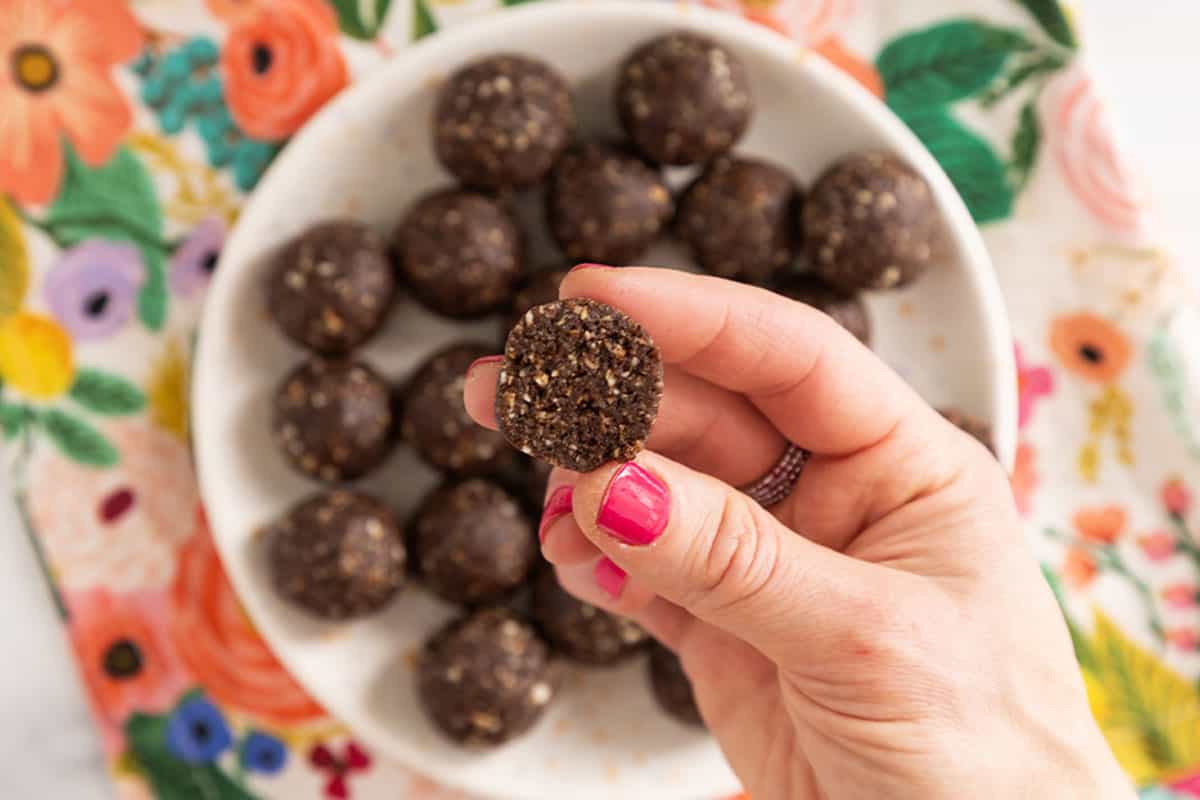
In the fast-paced landscape of modern nutrition, where labels are scrutinized and convenience often comes at the cost of health, a quiet revolution is taking place in kitchens across the country. The "No-Bake" movement has shifted from a niche dietary trend to a household staple, and at the forefront of this shift are the humble, nutrient-dense Chocolate Bliss Balls. With just five simple ingredients and zero added sugar, these bite-sized snacks are proving that indulgence and health are not mutually exclusive.
Main Facts: The Anatomy of a Perfect Snack
The appeal of the Chocolate Bliss Ball lies in its deceptive simplicity. By leveraging the natural chemistry of dates and nuts, these treats provide a sustained energy release that processed alternatives—often loaded with high-fructose corn syrup and artificial preservatives—cannot match.
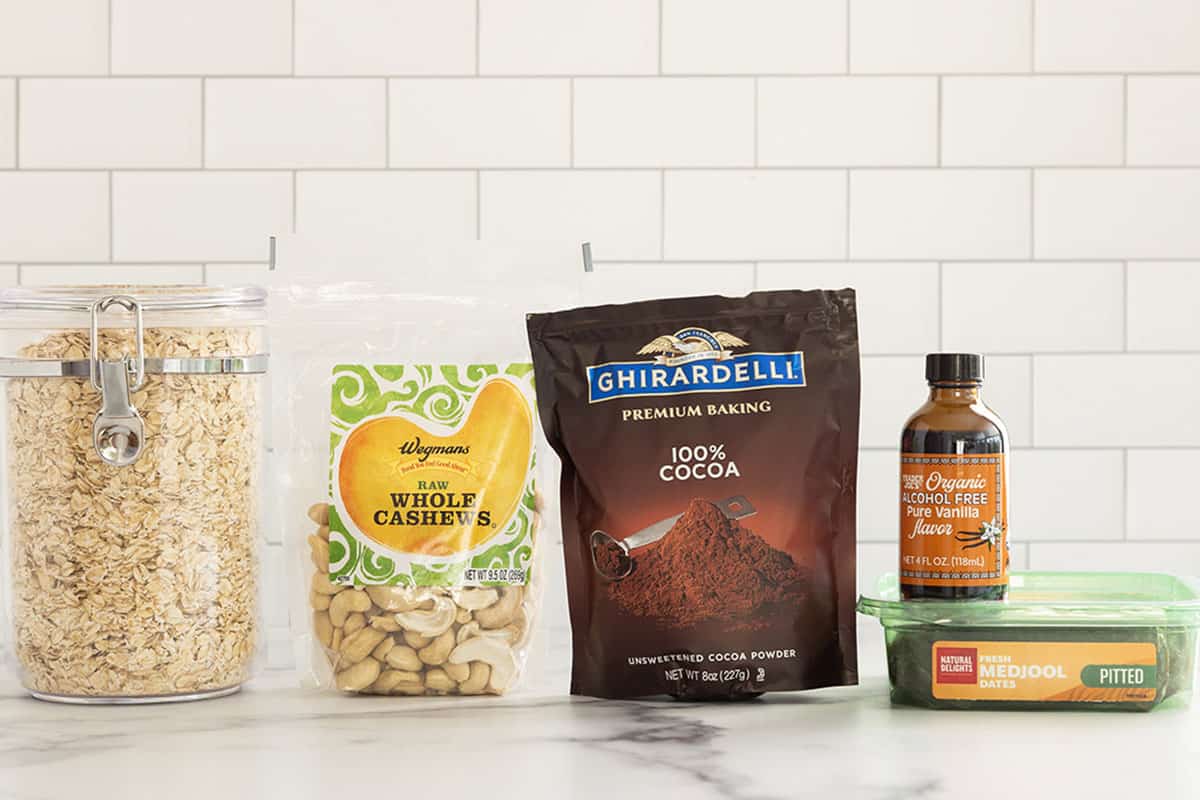
At their core, these snacks rely on four functional components:
- Dates: Acting as both the primary sweetener and the "glue" that binds the ingredients, dates are rich in fiber and potassium.
- Cashews (or Sunflower Seeds): These provide the essential fats and proteins necessary for satiety.
- Cocoa Powder: This delivers the antioxidants and deep flavor profile that satisfy chocolate cravings.
- Vanilla Extract: A subtle aromatic enhancer that rounds out the flavor profile.
By avoiding added sugars, these balls offer a glycemic index profile that is far more favorable for both active toddlers and busy adults, preventing the dreaded "sugar crash" that typically follows mid-afternoon snacks.
The Chronology of a Culinary Evolution
The evolution of the "bliss ball" can be traced back to the broader movement of "real food" consumption that began gaining significant traction in the mid-2010s.
- The Foundation (2015-2017): Initially, date-based energy balls were marketed primarily to endurance athletes and those following strict Paleo or Whole30 diets.
- The Pivot to Parenting (2018-2022): Nutritionists and parenting experts began to identify the potential for these snacks in early childhood development. The soft texture and high-nutrient density made them ideal for weaning and toddlers.
- The Modern Standard (2023-Present): Today, these recipes have been refined for accessibility. The focus has moved away from expensive "superfood" add-ins toward pantry staples that are cost-effective, allergen-friendly, and simple to execute in under 15 minutes.
Supporting Data: Why Nutrient Density Matters
Nutritionally, a standard serving of two Chocolate Bliss Balls clocks in at approximately 135 calories. While caloric density is higher than a piece of fruit, it is packed with functional macros.
- Protein and Healthy Fats: With 3g of protein and 8g of total fat per serving, these bites offer a balanced satiety factor. The fats are primarily monounsaturated, derived from the cashews, which support heart health and cognitive function.
- Fiber Content: Each serving provides 2g of dietary fiber, crucial for gut health and regulating the absorption of natural sugars from the dates.
- Micronutrient Profile: Beyond the macros, these balls provide essential minerals such as iron and potassium, which are often lacking in typical "on-the-go" snacks like crackers or fruit gummies.
The shift toward these ingredients is backed by clinical observations in pediatric nutrition, which highlight that introducing "whole-food" textures early in a child’s development helps cultivate a palate that prefers natural sweetness over processed sugar.
Official Perspectives: The Professional View
Dietitians and maternal health specialists have largely endorsed the use of date-based snacks during pregnancy and the postpartum period. Because pregnancy increases the demand for fiber and sustained energy, the combination of complex carbohydrates and healthy fats in these balls is frequently recommended as a way to combat the fatigue associated with prenatal and postnatal life.
"The beauty of this recipe," notes one nutrition advocate, "is the versatility. The ability to swap cashews for sunflower seeds for school-safe, nut-free environments makes this a universal snack solution. It removes the anxiety of reading complex ingredient lists while ensuring the consumer gets a high-quality nutritional payout."
Implications: The Future of Household Nutrition
The rise of the 5-ingredient snack has significant implications for how we view the "snack industry." As consumers become more educated, the demand for transparency in labeling has led many to abandon commercial snack bars in favor of home-prepared versions.
The Economic Shift
The cost-benefit analysis is clear. Commercial energy bars can cost upwards of $2.00 to $3.00 per unit. A batch of 12 homemade Chocolate Bliss Balls, using bulk-purchased dates and nuts, typically results in a cost per serving that is a fraction of the retail price. This democratizes access to healthy eating, proving that nutrition does not have to be a luxury item.
The Psychological Impact
There is also a psychological component to the "no-bake" process. For toddlers and children, participating in the assembly—pulse-blending the ingredients and rolling the balls—fosters a positive relationship with food. It transforms eating from a passive act of receiving food into an active, creative process.
How to Master the Technique
While the process is straightforward, success in the kitchen relies on a few key procedural steps:
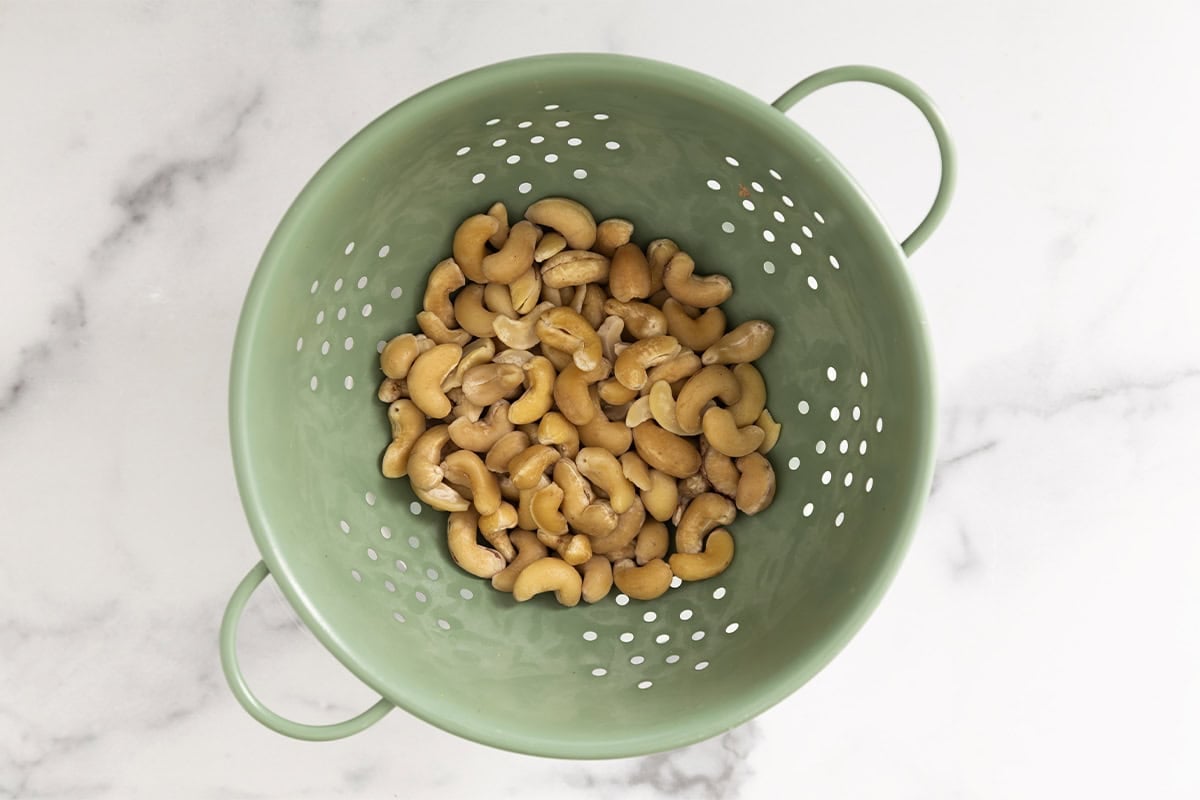
- The Soak: Never skip the soaking phase for the nuts. Whether using cashews or sunflower seeds, a 15-minute soak in warm water softens the cellular structure, allowing the food processor to create a uniform, smooth consistency rather than a gritty, uneven texture.
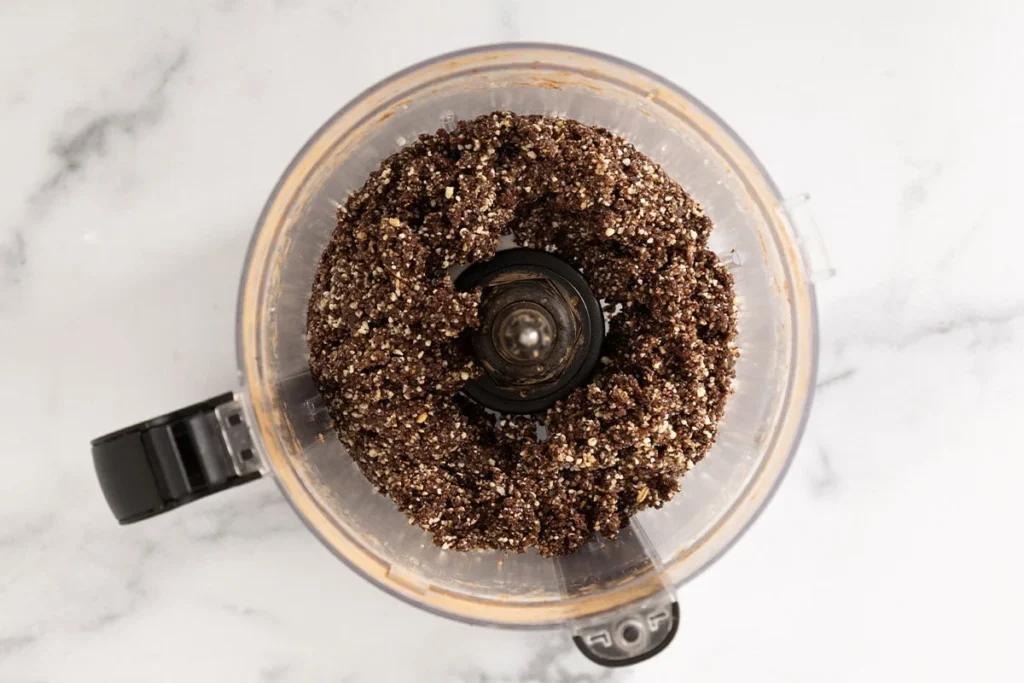
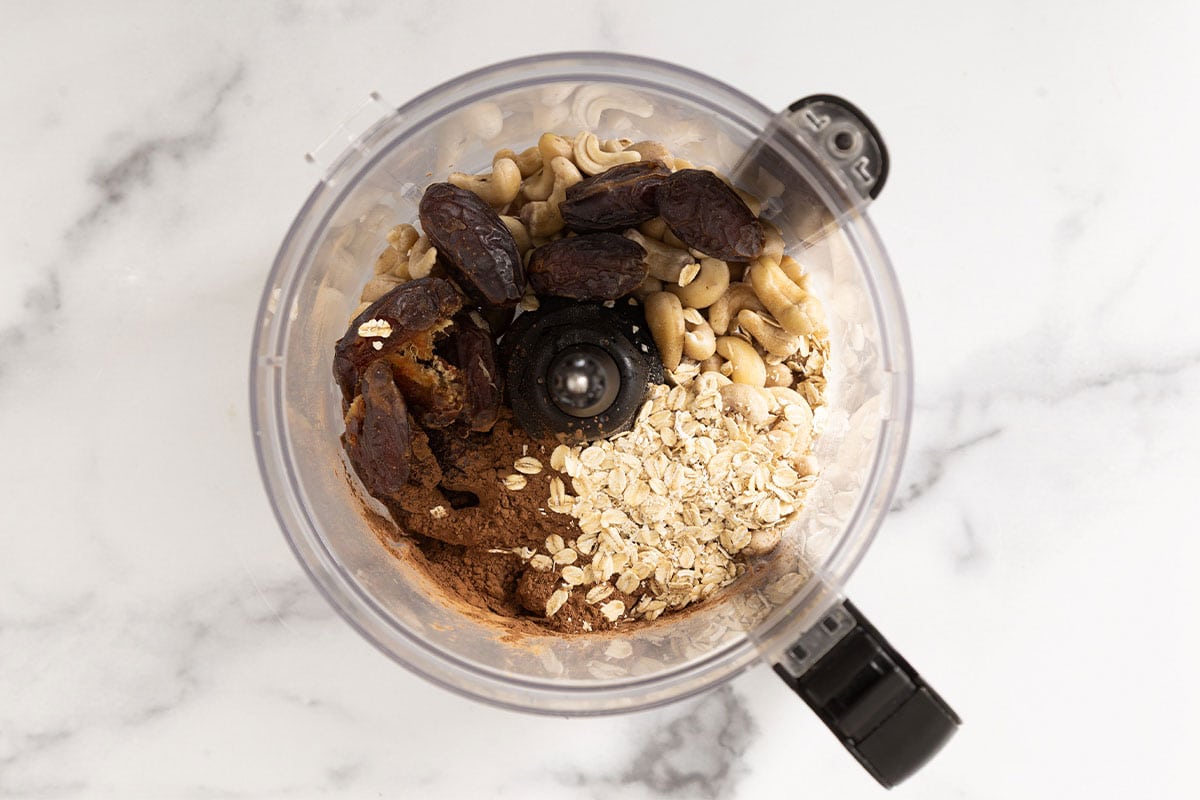
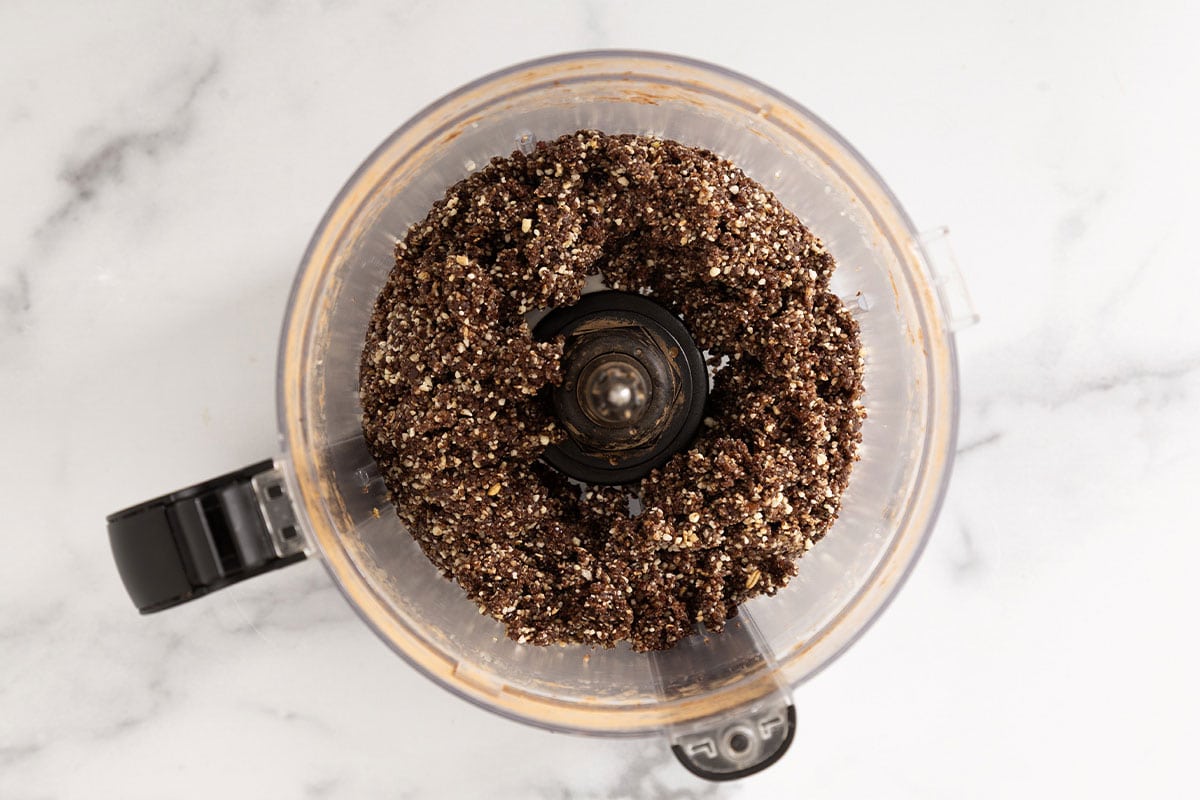
- The Processing: Use a high-powered food processor. The goal is to reach a "dough" consistency where the mixture pulls away from the sides of the bowl. If the mixture is too dry, adding a single teaspoon of water or coconut oil can correct the binding.
- The Scoop: To ensure uniform sizing—which is helpful for tracking nutrition and ensuring consistent cooling—a mini ice cream scoop is the most effective tool.
Addressing Common Queries
Is it safe for all ages?
Yes, but with caveats. For younger toddlers, ensure the texture is sufficiently processed to eliminate any choking hazards from nut fragments. For infants, the balls can be mashed into a spread or served in smaller pieces.
Can I introduce other flavors?
The base recipe is a blank canvas. While cocoa powder provides the signature "bliss" flavor, one can easily incorporate ground flaxseed for Omega-3s, chia seeds for extra texture, or a pinch of sea salt to enhance the chocolate profile. Avoid adding fresh fruit, however, as the high water content will compromise the structural integrity of the balls, causing them to lose their shape over time.
Storage and Shelf Life
The convenience factor is bolstered by their storage capabilities. When stored in an airtight container in the refrigerator, these snacks maintain their peak quality for up to two weeks. They can also be frozen for up to three months, making them a perfect candidate for "batch prepping"—a strategy that many busy families now rely on to survive the work and school week.
Final Thoughts: The Simplicity Mandate
The success of the Chocolate Bliss Ball is a testament to the fact that we are returning to the basics. In an era where food technology often complicates our diet, the most effective path forward is one that embraces whole ingredients, minimal processing, and the joy of creating something nourishing from scratch.
Whether you are a parent looking for a clean-label snack for your toddler, an expectant mother needing steady blood sugar levels, or simply a professional seeking a reliable afternoon pick-me-up, the 5-ingredient model offers a sustainable, delicious, and deeply satisfying answer. It is more than just a recipe; it is a blueprint for a healthier way to approach the snacks we eat every day.