The Ultimate Guide to Chipotle-Style Cilantro Lime Rice: A Meal Prep Revolution
In the fast-paced world of modern nutrition, the ability to maintain a healthy, flavorful diet often hinges on one crucial factor: preparation. For those seeking the vibrant, zesty profiles of fast-casual dining—specifically the iconic Cilantro Lime Rice found at establishments like Chipotle—the challenge has long been achieving that restaurant-quality fluffiness and tang in a home kitchen. Thanks to a new, optimized batch-prep method, home cooks can now replicate this staple dish with precision, turning their freezers into a personal “Snack City” of ready-to-eat, high-quality meals.
Main Facts: The Anatomy of the Perfect Grain
At its core, the Chipotle-style Cilantro Lime Rice is a study in simplicity and technique. While it may seem like a straightforward side dish, the marriage of aromatics, acid, and starch requires a disciplined approach to ensure the grains remain distinct rather than mushy.
This specific recipe yields 10 substantial servings, making it an ideal candidate for weekly meal prep. Each serving clocks in at approximately 249 calories, consisting of 51.5 grams of carbohydrates, 4.7 grams of protein, and 2.7 grams of fat. This macro profile makes it a highly efficient fuel source for active individuals, providing the sustained energy necessary for endurance and daily activity while remaining low in fat.
The brilliance of this recipe lies in its scalability. By mastering the ratios—specifically the water-to-grain ratio and the precise timing of the lime and cilantro infusion—home cooks can ensure that the flavor profile remains consistent, even after being subjected to the rigors of freezer storage and microwave reheating.
Chronology: The Evolution of Batch-Prep Methodology
The transition from "quick dinner side" to "freezer-friendly staple" has been marked by a series of culinary refinements. Historically, rice was often viewed as a "cook-as-you-go" item, primarily because of the degradation of texture that occurs when rice is improperly cooled or stored.
- The Procurement Phase: The process begins with selecting high-quality long-grain white rice. The preparation starts with a thorough rinsing of the grains—a non-negotiable step that removes excess surface starch. Without this, the final product risks becoming gummy.
- The Infusion Stage: Once the rice is cooked to the perfect al dente texture, the culinary magic happens. The addition of fresh lime juice and finely chopped cilantro must occur while the rice is still warm. This allows the heat to unlock the essential oils in the lime zest and the herbal brightness of the cilantro, ensuring the flavors penetrate the grain rather than merely coating the surface.
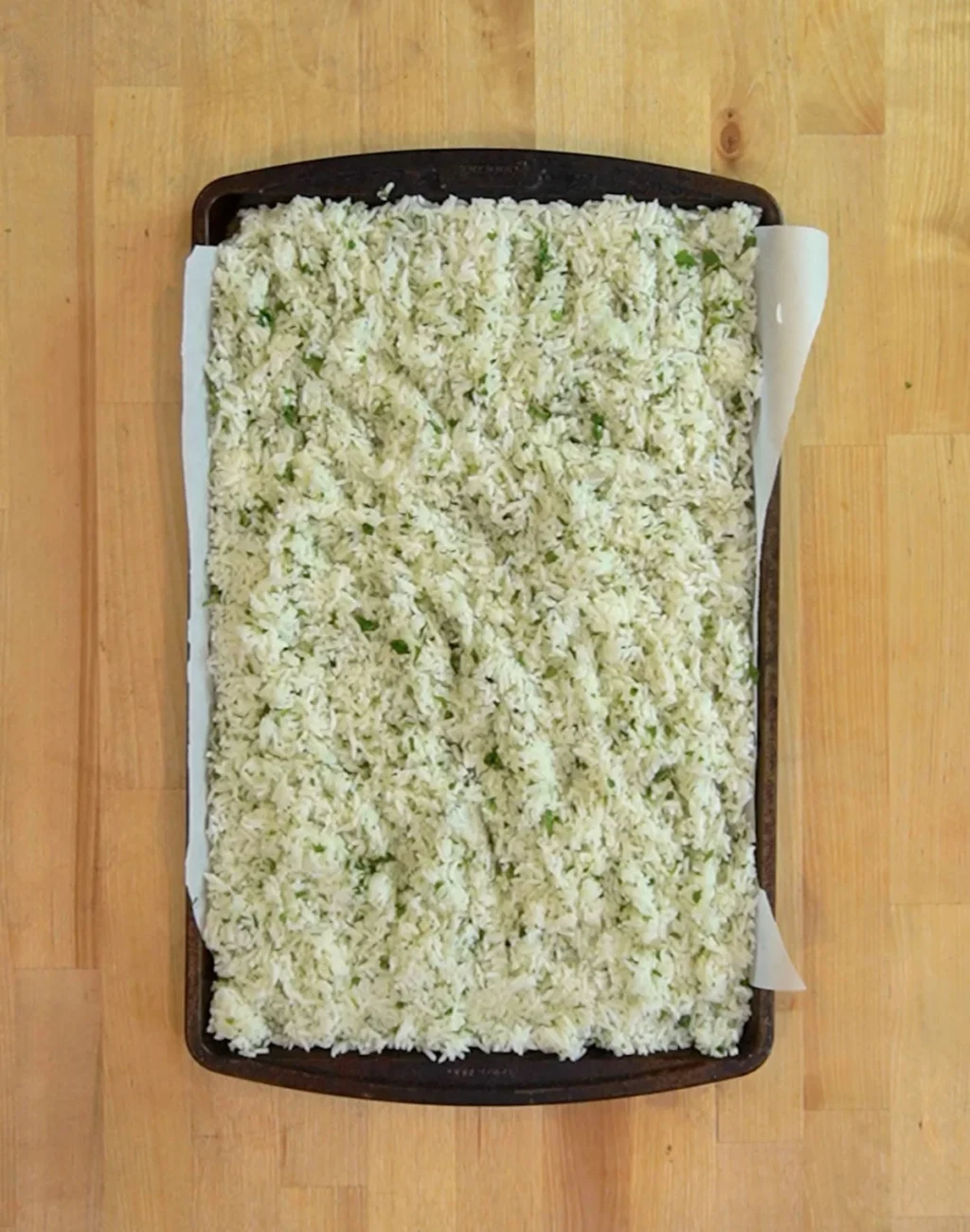
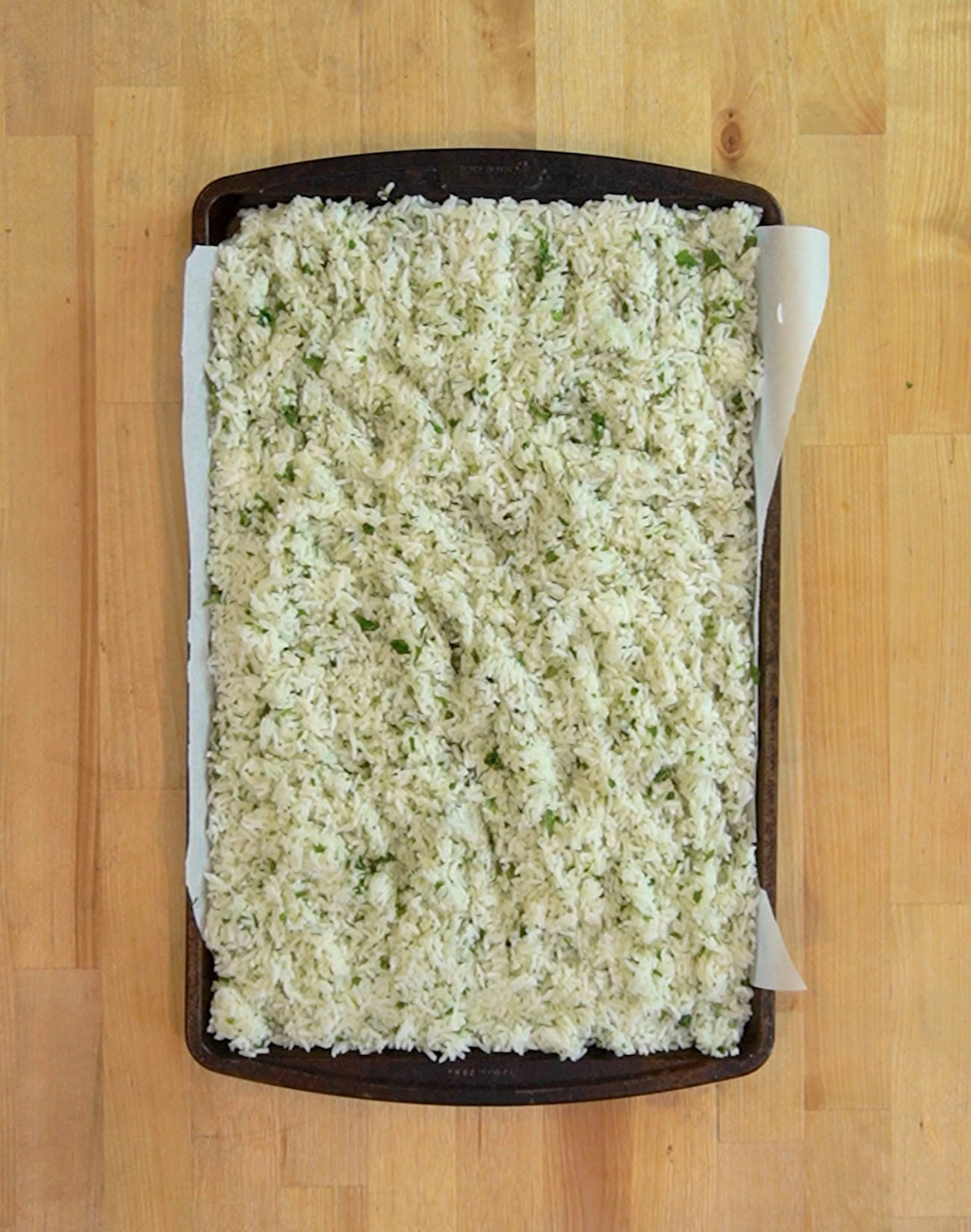
- The Cooling and Partitioning: The chronological success of this recipe depends on rapid cooling. By spreading the rice onto a tray, home chefs can prevent residual steam from turning the rice into a dense mass. Once cooled, the rice is portioned into individual containers.
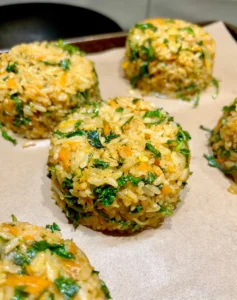
- The Deep-Freeze: By transferring these portions to the freezer, the structural integrity of the starch is locked in. When reheated, the rice retains a mouthfeel remarkably similar to fresh, stovetop-cooked grains.
Supporting Data: Nutritional Efficiency and Macro-Management
When analyzing the nutritional data, it becomes clear why this recipe has become a cornerstone of the modern meal-prep movement. With 51.5g of carbohydrates per serving, it serves as an excellent foundation for a balanced burrito bowl.
| Metric | Amount Per Serving |
|---|---|
| Calories | 249 kcal |
| Carbohydrates | 51.5 g |
| Protein | 4.7 g |
| Fat | 2.7 g |
| Fiber | 0.9 g |
The inclusion of lime juice not only adds a bright, acidic counterpoint to the starch but also provides a modest dose of Vitamin C. The cilantro, while used in smaller quantities, contributes essential micronutrients that elevate the dish beyond simple empty calories.
The data provided by meal prep professionals suggests that this specific ratio of ingredients is optimized for "reheatability." Most amateur recipes fail when frozen because the acidity of the lime is either too low (resulting in bland, one-dimensional flavor) or too high (causing the rice to break down). This specific formula strikes a balance that preserves the integrity of the grain through at least 30 days of freezer storage.
Official Perspectives: The Philosophy of "Snack City"
The term "Snack City," popularized by proponents of the Meal Prep Manual methodology, refers to a curated inventory of pre-portioned, high-quality meals kept in the freezer. The philosophy behind this is rooted in behavioral economics: if the path of least resistance is a healthy, delicious, and pre-prepared meal, individuals are significantly more likely to adhere to their nutritional goals.
Culinary experts emphasize that the success of this Cilantro Lime Rice rests on the "quality-in, quality-out" principle. Using fresh cilantro—not dried—is paramount. The volatile compounds that give cilantro its signature scent are lost almost immediately upon drying, and the "Chipotle style" profile depends entirely on that fresh, verdant aromatics.
Furthermore, the professional consensus is that the rice should not be over-processed during the mixing stage. "Fold, don’t stir," is the mantra. Aggressive mixing breaks the grains, releasing even more starch and resulting in a texture that is closer to porridge than the light, airy rice expected from a premium burrito bowl.
Implications for the Modern Diet
The rise of the "home-prep" movement has profound implications for how we view convenience food. For years, the trade-off for convenience was quality and nutritional transparency. By adopting this batch-prep approach to a restaurant-staple recipe, the home cook eliminates the reliance on sodium-heavy, processed takeout.
Economic Impact
From a budgetary standpoint, the cost-per-serving of this Cilantro Lime Rice is a fraction of what one would pay at a commercial fast-casual restaurant. By purchasing rice in bulk and sourcing fresh herbs, the individual can reduce their weekly food expenditure while simultaneously improving the quality of their intake.
Sustainability and Waste Reduction
Batch cooking is inherently more sustainable. By cooking in larger quantities, the home cook minimizes energy usage compared to cooking multiple smaller batches throughout the week. Furthermore, because the recipe is designed for the freezer, it drastically reduces food waste—a major issue in modern households where fresh cilantro often wilts in the refrigerator before it can be used.
Long-Term Health Outcomes
Consistency is the most difficult element of any health journey. By having a "Snack City" of reliable, macro-friendly bases like this rice, the psychological barrier to healthy eating is removed. It transforms the question "What am I going to eat for dinner?" from a source of stress into a simple matter of choosing a pre-prepared container from the freezer.
Final Thoughts: Mastering the Craft
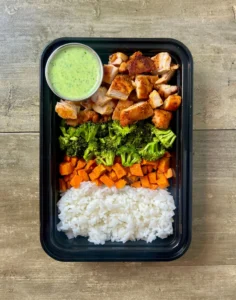
While this recipe is categorized as a "side dish," its versatility is its greatest strength. It serves as the canvas for a wide array of proteins—from grilled chicken and charred peppers to black beans and shredded beef.
As we look toward the future of nutrition, the focus is shifting away from restrictive "fad" diets and toward sustainable, efficient habits. The Chipotle-style Cilantro Lime Rice represents the pinnacle of this shift: it is delicious, cost-effective, nutritionally transparent, and perfectly aligned with the needs of the modern, time-poor, yet health-conscious individual. By mastering the prep, the cooling, and the storage, you aren’t just making rice—you are taking control of your daily fuel, one bowl at a time.