The Silent Revolution: Could Potassium Chloride Reshape Our Health Landscape?
Main Facts
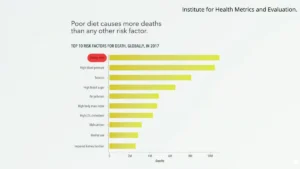
The global health community grapples with a formidable adversary: diet-related illness. Among the myriad dietary pitfalls, an excessive intake of sodium stands out as the single leading risk factor, silently contributing to millions of premature deaths annually. This pervasive issue primarily manifests through its adverse effects on blood pressure, significantly elevating the risk of stroke, heart attack, and kidney damage. Hypertension, or high blood pressure, aptly termed the "silent and invisible killer," often progresses without discernible symptoms, yet it remains one of the most potent independent predictors of the world’s leading causes of mortality.
Our ancestral diets, shaped by millennia of evolution, were characterized by an abundance of potassium and a remarkably low sodium content. This dietary blueprint, rich in plant-based foods like fruits, greens, roots, and tubers, provided an optimal balance for human physiology. However, modern dietary patterns have drastically reversed this ratio. The shift away from whole, unprocessed plant foods towards highly processed, sodium-laden, and potassium-depleted fare has created a profound nutritional imbalance. Potassium, once plentiful, is now recognized as a "nutrient of public health concern," with an alarming 98% of the U.S. population failing to meet the recommended minimum daily intake. This deficiency is not merely an abstract concern; low potassium intake is directly implicated in the development of high blood pressure and cardiovascular disease. Despite compelling evidence, a critical gap persists in clinical practice, with few physicians actively advising patients to embrace potassium-rich foods as a primary strategy for blood pressure control.
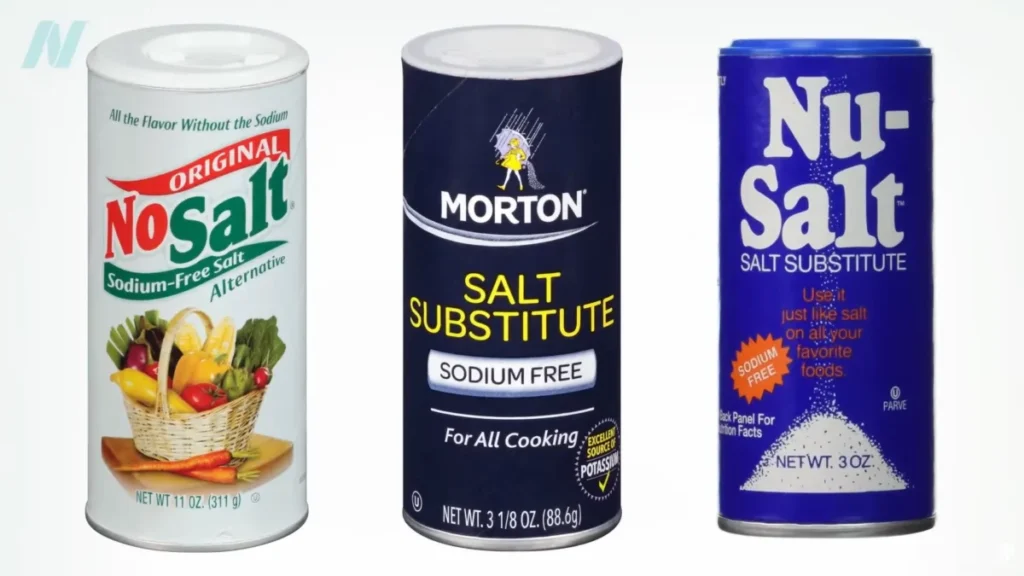
The ramifications of this sodium-potassium imbalance extend beyond blood pressure. Research indicates a reduction in stroke risk independent of blood pressure effects, pointing to other protective mechanisms of potassium, such as its role in reducing clot formation, mitigating arterial stiffening, and combating the generation of harmful free radicals. Conversely, higher sodium intake is statistically linked to a 20% increased risk of premature death, while higher potassium intake is associated with a corresponding 20% reduced risk. While it might be argued that high sodium is merely a marker for unhealthy processed foods and low potassium a marker for healthy plant-based diets, randomized controlled trials definitively establish causality: reducing sodium lowers blood pressure, and increasing potassium also lowers blood pressure. This robust evidence opens the door to an intriguing and potentially transformative solution: the use of potassium chloride as a direct substitute for sodium chloride in culinary applications. These "zero-sodium salt substitutes" represent a promising "win-win" scenario, simultaneously addressing the twin evils of excessive sodium and insufficient potassium in the modern diet.
A Journey Through Research: Chronology of Discovery
The understanding of sodium and potassium’s profound impact on human health has evolved over decades, progressing from observational insights to rigorous randomized controlled trials that have reshaped our nutritional understanding.
Early Insights: Observational Links and Evolutionary Diets
The journey began with epidemiological observations in the mid-20th century, where researchers noticed correlations between dietary habits and the prevalence of hypertension in different populations. Communities consuming traditional, largely unprocessed diets, often high in plant foods, exhibited significantly lower rates of high blood pressure compared to those adopting Westernized diets rich in processed foods. This led scientists to hypothesize about the roles of key minerals. Anthropological and evolutionary studies further solidified this understanding, revealing that our paleolithic ancestors consumed diets estimated to contain significantly less sodium and considerably more potassium than modern diets. This stark contrast between our genetic predisposition and our current dietary reality provided a powerful framework for understanding the rising tide of chronic diseases. The recognition of potassium’s essentiality and its role in maintaining cellular fluid balance, nerve signaling, and muscle contraction, alongside sodium’s equally critical but often overconsumed role, laid the groundwork for targeted research.
Proving Causality: Randomized Controlled Trials on Sodium and Potassium
While observational studies could identify associations, they could not definitively prove cause and effect. This crucial step required the advent of randomized controlled trials (RCTs). In these gold-standard studies, participants are randomly assigned to intervention or control groups, allowing researchers to isolate the effects of specific dietary changes. Beginning in the late 20th century and accelerating into the 21st, numerous RCTs conclusively demonstrated that reducing dietary sodium intake directly leads to a decrease in blood pressure. Similarly, other RCTs showed that supplementing potassium or increasing its intake through diet effectively lowers blood pressure, especially in hypertensive individuals. These trials provided the scientific bedrock, moving the understanding of sodium and potassium from mere correlation to established causation. They unequivocally showed that these minerals are not just markers of diet quality but active determinants of cardiovascular health.
The Rise of Salt Substitutes: From Concept to Clinical Evidence
With the causal link firmly established, researchers began exploring practical interventions. The idea of replacing sodium chloride with potassium chloride emerged as a logical next step. Potassium chloride, a naturally occurring mineral salt, shares a similar taste profile with sodium chloride, making it a viable culinary substitute. Early studies focused on the feasibility and taste acceptance of these substitutes. The real breakthrough came with RCTs designed to assess the health outcomes of using potassium chloride-based salt substitutes. These trials, initially smaller in scale, sought to determine if this simple swap could translate into tangible health benefits like reduced blood pressure. The accumulating evidence from these trials, culminating in large-scale, population-level interventions, has progressively built a compelling case for the widespread adoption of potassium chloride salt substitutes as a powerful public health tool. This chronological progression, from hypothesis to robust clinical proof, underscores the scientific rigor behind the advocacy for dietary mineral rebalancing.
Compelling Evidence: Supporting Data and Clinical Outcomes
The theoretical benefits of potassium chloride as a salt substitute have been rigorously tested and validated through a series of increasingly robust clinical trials, demonstrating significant improvements in various health metrics.
Blood Pressure Reduction: The Immediate Impact
The most immediate and well-documented effect of potassium chloride salt substitutes is their ability to lower blood pressure. A comprehensive analysis of 10 studies, encompassing 11 randomized controlled trials, has consistently shown that simply swapping a portion of regular salt for potassium chloride leads to significant reductions in blood pressure among individuals with hypertension. This effect is a direct consequence of both the reduced sodium intake and the increased potassium intake, working synergistically. Sodium contributes to fluid retention and increased vascular tone, while potassium helps to excrete sodium and relax blood vessel walls. This dual action makes potassium chloride an exceptionally effective tool for managing and potentially preventing hypertension. The consistency of these findings across multiple studies underscores the reliability of this intervention.
Preventing Hypertension: The Quarter-Potassium Study
Beyond managing existing hypertension, research suggests that salt substitutes can play a crucial role in preventing its onset. A notable randomized controlled trial investigated the impact of a modest salt substitution in everyday households. Participants’ regular table salt was replaced with a blend containing just a quarter (25%) potassium chloride. Remarkably, at this relatively low level of substitution, most participants either couldn’t discern a difference in taste or, in some cases, even preferred the subtly altered flavor. More importantly, the use of this quarter-potassium salt substitute was associated with a staggering 50% reduction in the risk of developing hypertension. This finding is profoundly significant, demonstrating that even a minor, almost imperceptible dietary change at the population level can yield substantial preventative health benefits. It suggests that widespread adoption of such substitutes could dramatically curb the incidence of new hypertension cases.
Extending Life: The Veterans’ Home Trial
The benefits of potassium chloride extend far beyond blood pressure control, impacting long-term mortality. A groundbreaking study conducted in a veterans’ retirement home provided compelling evidence of this life-extending potential. Five kitchens within the facility were randomized, with half receiving regular salt and the other half unknowingly using a 50/50 blend of sodium chloride and potassium chloride for all meals over two and a half years. The results were striking: residents in the half-potassium group experienced approximately a 40% reduction in the risk of dying from cardiovascular disease. Furthermore, they lived, on average, nearly a year longer. The study’s authors highlighted that the observed life expectancy difference at age 70 was "equivalent to that which would have naturally occurred in 14 [years]," implying that simply switching to half-potassium salt effectively made individuals more than a decade "younger" in terms of their risk of death. This trial offered direct, real-world evidence of the profound impact of salt substitution on longevity and cardiovascular mortality.

Global Impact: The Landmark China Study
Perhaps the most compelling evidence to date comes from a massive randomized controlled trial conducted across China. Involving 600 villages and over 20,000 participants over five years, this monumental study assigned participants to either receive a salt substitute (comprising a quarter potassium chloride) or continue using regular salt. The results were unequivocal: the salt substitute not only significantly reduced strokes and cardiovascular events but also lowered the risk of death from all causes combined. This large-scale, population-level intervention in a real-world setting provides irrefutable proof of the widespread public health benefits of potassium chloride salt substitutes. China presented an ideal setting for this study, given that up to 75% of the population’s sodium intake originates from salt added during home cooking and dining, making household salt substitution a highly impactful strategy.
Beyond Blood Pressure: Broader Cardiovascular Benefits
The cumulative evidence points to potassium’s multifaceted protective effects that go beyond its direct influence on blood pressure. These include a reduction in the propensity for blood clot formation, which is crucial in preventing thrombotic events like strokes and heart attacks. Potassium also contributes to reducing arterial stiffening, a common age-related process that increases cardiovascular risk. Furthermore, its role in mitigating the generation of free radicals, which are implicated in cellular damage and chronic disease, adds another layer of protection. These broader physiological benefits explain why higher potassium intake is associated with reduced stroke risk even independent of its blood pressure-lowering effects, solidifying its status as a critical nutrient for overall cardiovascular health.
Navigating Adoption: Official Responses and Broader Implications
Despite the overwhelming scientific evidence supporting the health benefits of potassium chloride salt substitutes, their widespread adoption remains a complex challenge, entangled in issues of public health policy, industry practices, and consumer perception.
The Slow March of Public Health Policy
While individual studies have yielded compelling results, the translation of this scientific consensus into broad public health policy has been notably slow. Health organizations worldwide acknowledge the dangers of high sodium intake and the benefits of potassium. However, concrete, widespread initiatives specifically promoting potassium chloride salt substitutes as a primary public health intervention are still emerging. There’s often a lag between robust scientific evidence and its integration into national dietary guidelines or public health campaigns. Policymakers face challenges in implementation, including education, ensuring equitable access, and addressing potential safety concerns for specific populations. The sheer scale of dietary change required at a population level demands coordinated efforts from governments, healthcare providers, and community organizations, a task that is inherently complex and often slow-moving.
Industry Inertia: Why Aren’t Food Companies Leading the Charge?
A significant portion of sodium in Western diets, particularly in the United States, comes from pre-packaged and processed foods. While individual consumers can choose salt substitutes for home cooking, the impact would be vastly amplified if food manufacturers proactively incorporated potassium chloride into their products. The question then arises: why haven’t they? Several factors contribute to this industry inertia. Cost, even if marginal, can be a deterrent in a highly competitive market. More significantly, there’s a perceived risk of altering product taste, which could lead to consumer rejection and loss of market share. Regulatory hurdles and the need for clear labeling also present challenges. Furthermore, the focus of many food companies remains on consumer preferences for taste (which often equates to saltiness) and shelf-life, rather than actively innovating for public health benefits unless mandated or incentivized to do so. A shift would require substantial investment in research and development, taste testing, and consumer education campaigns, all of which represent significant commercial risks for companies.
Consumer Acceptance and Taste Preferences
For salt substitutes to be effective, consumers must accept them. While some studies, like the quarter-potassium trial, suggest high acceptance or even preference, taste remains a subjective and powerful driver of food choices. Decades of consuming sodium-rich processed foods have conditioned palates to expect a certain level of saltiness. Introducing a substitute, even one that tastes similar, might face resistance from those accustomed to traditional salt. Education plays a crucial role here, informing consumers about the health benefits without compromising their culinary experience. Marketing strategies that highlight the "win-win" aspect – reducing sodium and increasing potassium – rather than simply focusing on "less salt," could enhance adoption. The success of salt substitutes often hinges on their ability to mimic the sensory experience of regular salt as closely as possible, making the transition seamless for the average consumer.
Addressing Safety Concerns: A Crucial Dialogue
Despite the compelling benefits, the question of safety is paramount before advocating for widespread adoption. As one commentary asks, "Is Salt Substitution Ready for Prime Time?" and points to "convincing arguments about the benefits, but what about the risks, like the inclusion of potentially fatal salt substitutes in the food supply?" This concern, though sensationalized in its phrasing, refers primarily to individuals with pre-existing medical conditions that impair potassium excretion, such as advanced kidney disease or those taking certain medications (e.g., ACE inhibitors, ARBs, potassium-sparing diuretics). In these populations, excessive potassium intake can lead to hyperkalemia, a dangerous condition characterized by dangerously high potassium levels in the blood, which can affect heart rhythm. This necessitates careful consideration and clear guidelines from health authorities regarding who should use salt substitutes and under what circumstances. Any large-scale public health campaign must be accompanied by comprehensive education for both the general public and healthcare providers on the appropriate and safe use of potassium chloride. This critical dialogue about potential downsides must be transparently addressed to build public trust and ensure the safety of this promising intervention.
The Future of Dietary Salt: A Call to Action
The evidence is clear: potassium chloride salt substitutes offer a powerful, yet underutilized, tool in the fight against diet-related cardiovascular disease. Achieving the benefits of a high-potassium, low-sodium diet, without the complexities and potential pitfalls of strict dietary adherence, presents an enticing prospect. The future of dietary salt lies in a multi-pronged approach: continued public health education on the importance of whole foods rich in potassium, policy initiatives that encourage food manufacturers to reformulate products with reduced sodium and increased potassium, and widespread promotion of potassium chloride salt substitutes for home cooking, coupled with clear safety guidelines. This "silent revolution" has the potential to dramatically improve global health outcomes, turning a simple seasoning into a powerful preventative medicine.
Conclusion
The dietary landscape of the 21st century has deviated dramatically from our evolutionary heritage, creating a critical imbalance between sodium and potassium intake that fuels a global epidemic of hypertension and cardiovascular disease. However, scientific advancements have unveiled a deceptively simple yet profoundly impactful solution: the strategic substitution of sodium chloride with potassium chloride. From reducing blood pressure and preventing hypertension to significantly lowering the risk of stroke, cardiovascular events, and even overall mortality, the evidence for potassium chloride salt substitutes is overwhelmingly positive and rigorously supported by numerous randomized controlled trials, including a landmark study involving over 20,000 people. While challenges remain in widespread adoption, particularly concerning industry inertia, consumer acceptance, and addressing specific safety considerations for vulnerable populations, the potential for this "win-win" dietary intervention to reshape public health outcomes is immense. As we continue to navigate the complexities of modern nutrition, embracing the power of potassium chloride could mark a pivotal step towards a healthier future for millions.
Doctor’s Note
This article serves as the second installment in a comprehensive three-part series exploring the intricate relationship between salt, potassium, and health. If you missed the foundational discussion, we encourage you to review The Mineral Intake Recommendations Only 1 in 6,000 U.S. Adults Meet. The series will conclude by delving deeper into the critical safety aspects of these substitutes in Are Potassium Chloride Salt Substitutes Safe and Effective? For those interested in the foundational evidence demonstrating sodium’s direct impact on blood pressure, please refer to The Evidence That Salt Raises Blood Pressure.