The Invisible Threat: Why Structural Integrity is the Front Line of Food Safety
By [Your Name/Journalistic Staff]
In the high-stakes world of food processing and distribution, efficiency is the gold standard. Facilities are engineered to move mountains of ingredients, packaging, and finished goods with clockwork precision. Yet, this very complexity—the intricate web of utility lines, expansive ventilation systems, and automated loading docks—creates a structural paradox. The features that enable a facility to operate at peak capacity are the exact vulnerabilities that provide rodents with an open invitation.
For rodents, a food facility is not a fortress; it is a landscape of opportunities. They do not require an open door to gain entry; they require only a fraction of an inch. As food safety standards tighten globally, the industry is shifting away from reactive, trap-heavy pest control toward a more sophisticated model: proactive structural exclusion integrated with real-time digital intelligence.
The Anatomy of Vulnerability: Where Rodent Problems Begin
Modern food facilities are living, breathing systems. They undergo constant evolution—equipment upgrades, structural modifications, and routine maintenance that often prioritize speed over long-term security. Every time a contractor drills a hole for a new utility line, or an expansion joint shifts due to thermal stress, a potential pathway is born.
The Myth of the Open Door
While many facility managers focus on keeping exterior bay doors closed, the reality is far more insidious. Mice can compress their skeletons to fit through openings as small as one-quarter of an inch, while rats require only a half-inch gap. These "micro-entries" are rarely the result of a single catastrophic failure; they are the cumulative result of wear and tear.
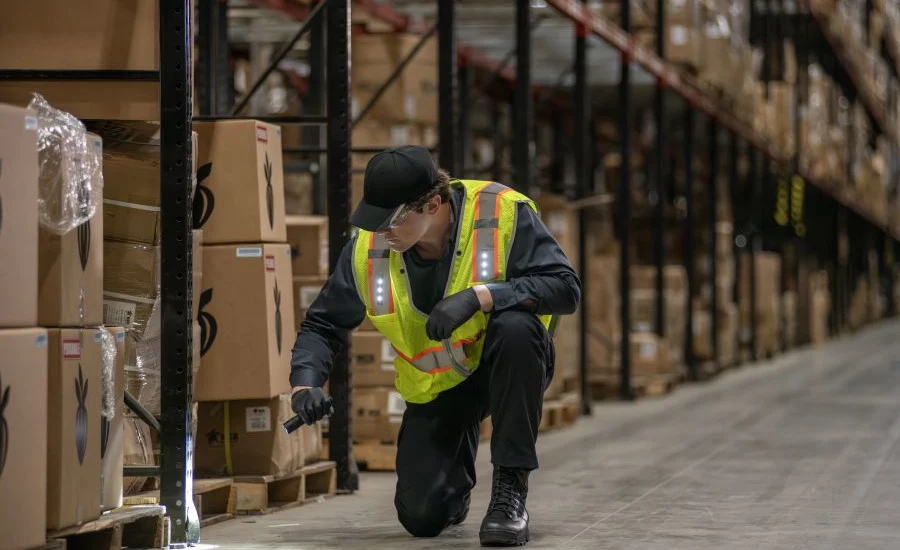
High-traffic areas, particularly loading docks and waste-handling zones, are the most frequent sites of failure. Door sweeps degrade, dock levelers develop gaps, and exterior walls may crack over time. Once a rodent identifies a route that provides a consistent scent of food or moisture, it will utilize that path with habituated frequency. By the time a facility manager notices a gnawed bag or a stray dropping, the pest has likely established a complex, hidden route through wall cavities and ceiling voids, far removed from the areas typically inspected during a standard morning walk-through.
A Data-Driven Evolution: Modern Detection Technology
The traditional "periodic inspection" model is no longer sufficient to secure a 24/7, high-volume production facility. Today, the most resilient food safety programs are leveraging digital monitoring systems—such as Rentokil’s PestConnect—to turn the building itself into a sensor.
Continuous Oversight
Digital monitoring provides something human inspectors cannot: eyes in the dark, 24/7. By placing discreet sensors in hidden pathways, facility teams can track rodent activity in real-time. This technology transforms pest management from a game of "hide and seek" into a data-driven science.
When a sensor triggers, it does not just signal the need for a trap; it provides a spatial data point. These points are mapped onto the facility’s floor plan, allowing managers to identify patterns. Are rodents gravitating toward the refrigeration units? Are they utilizing the ceiling void above the packaging line? By visualizing this movement, facility teams can pinpoint the specific structural entry points that need to be sealed, effectively cutting off the supply chain for the pests before they reach critical production zones.
The Foundation of Defense: The Philosophy of Exclusion
Exclusion is the bedrock of Integrated Pest Management (IPM). It is the process of physically denying rodents access to a structure through the use of high-grade materials and rigorous maintenance schedules.
Why Exclusion Trumps Eradication
Eradication is inherently reactive—it implies that a pest has already breached the perimeter. Exclusion is the only strategy that ensures the integrity of the facility remains intact. An effective exclusion program must be comprehensive, looking beyond the perimeter to the "hidden" architecture:
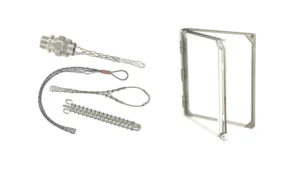
- Mechanical Penetrations: Every pipe, wire, or conduit entering the building must be sealed with professional-grade materials like stainless steel mesh or high-density sealants.
- Structural Integrity: Expansion joints and masonry cracks must be monitored quarterly.
- Threshold Management: Loading dock seals and levelers are the "Achilles’ heel" of most facilities and require monthly performance checks.
This is not a one-time project. In a facility with heavy vibration and constant movement, seals will eventually fail. A successful program treats exclusion as a continuous lifecycle, incorporating it into the standard operating procedures of the maintenance department rather than leaving it solely to the pest control provider.
Implications for Business Continuity and Audit Compliance
The implications of failing to manage rodent entry go far beyond the immediate threat of product contamination. For a food processor, a pest sighting during a third-party audit—such as SQF, BRCGS, or FSSC 22000—can lead to immediate corrective actions, loss of certifications, and severe reputational damage.
The Cost of Reaction
When a company relies solely on reactive measures (traps and bait), they are constantly on the defensive. If a shipment is rejected due to signs of rodent activity, the costs—logistical, financial, and brand-related—are immense. Conversely, a proactive, documented program creates a "defensible position." Auditors are increasingly looking for evidence of trend analysis. They want to see that a facility is not just catching mice, but using data to close the entry points that allowed the mice in to begin with.
Expert Perspective: The Holistic Strategy
Dr. Chad Gore, Entomologist and Northeast Market Technical Director at Rentokil, emphasizes that the most successful facilities view pest management as a pillar of their overall risk management framework.
"When we talk about food safety, we are talking about total control of the environment," says Dr. Gore. "You cannot have a clean, safe product if you have a compromised building. The data we gather from digital monitoring is meant to guide the human effort. If the data shows activity in a warehouse, we don’t just put more traps in that warehouse—we look for the structural failure that is allowing the rodent to navigate into that specific zone. We seal the building, we manage the sanitation, and we document every step. That is how you move from fire-fighting to true facility protection."
Sanitation and Waste: The Invisible Attractants
Even a hermetically sealed building can attract pests if internal sanitation is poor. Rodents are motivated by three things: food, water, and harborage.
The "Attractant Audit"
Facilities must conduct regular "attractant audits." Are there spilled ingredients under a conveyor belt? Is there a leaky pipe creating a water source? Is cardboard packaging being stored in a way that provides nesting material?
When sanitation practices are aligned with structural exclusion, the facility becomes a "hostile environment" for pests. They may occasionally try to enter, but if they find no food, no water, and no place to nest, they will quickly move on to a more hospitable environment. This synergy between physical exclusion and environmental sanitation is the most effective way to reduce "pest pressure" on a building’s perimeter.
Conclusion: A Resilient Future
The modern food facility is a masterpiece of engineering, but it must be managed with a level of vigilance that matches its complexity. The shift toward proactive, intelligence-led pest management is not just a technological trend; it is a business necessity.
By integrating 24/7 digital monitoring, robust structural exclusion protocols, and rigorous sanitation, food producers can create a layered defense that effectively mitigates risk. As the industry continues to evolve, the facilities that thrive will be those that view their physical structure not just as a box to hold machinery, but as a dynamic, intelligent system that is constantly defended against the microscopic gaps that threaten the safety of the global food supply.
The goal is simple: close the gaps before the rodents find them. By doing so, facility managers protect more than just their products; they protect their brand, their audit ratings, and ultimately, the trust of the consumer.