The School Lunch Dilemma: Balancing Nutrition, Inflation, and Logistics in the Modern Kitchen
Introduction
Every weekday morning at 7:00 AM, a familiar domestic scene plays out in millions of households across the country: parents stand before open refrigerators, trying to solve a complex daily puzzle. They must assemble a midday meal that is nutritious, complies with strict school allergen and safety guidelines, appeals to a child’s notoriously fickle palate, and fits within a household budget that has been severely stretched by inflation.
What once seemed like a simple parenting chore has evolved into a demanding logistical challenge. This challenge is shaped by fluctuating federal nutrition policies, systemic labor shortages in school cafeterias, and a significant cost gap between institutional school meals and home-packed alternatives.
To help families navigate this daily hurdle, culinary educators and home economists are developing structured, budget-friendly meal-prep strategies. By utilizing commercial kitchen principles—such as ingredient cross-utilization, structural stability, and cost-benefit analysis—parents can prepare nutritious bento-style lunches that cost close to cafeteria prices, without the high costs associated with pre-packaged convenience foods.
Main Facts: The Microeconomics of the School Lunchbox
Understanding the school lunch dilemma requires examining the stark financial and operational realities of school food programs. According to the School Nutrition Association’s (SNA) 2025 Trends Report, the average cost of a school cafeteria lunch is approximately $3.09. While this institutional price point is relatively low, the nutritional value, variety, and quality of these meals can vary significantly by district.
Conversely, the commercial cost of packing a lunch at home has risen sharply. The Deloitte 2025 Back-to-School Report reveals that the average cost of a parent-packed school lunch is $6.15 per day. This represents a premium of nearly 100% over the cafeteria option.
This cost difference is largely driven by the convenience premium: pre-portioned snacks, single-serve juice boxes, and store-bought lunch kits (such as commercial "Lunchables") significantly increase grocery bills.
+---------------------------------------------------------+
|                  LUNCH COST COMPARISON                  |
+---------------------------------------------------------+
| Average Cafeteria Lunch (SNA 2025):          $3.09      |
| Average Packed Home Lunch (Deloitte 2025):    $6.15      |
| Budget-Optimized Bento Box (Target Range):   $1.09–$3.83|
+---------------------------------------------------------+
For families trying to manage household budgets, this cost difference is a major factor. However, choosing the cafeteria option is not always simple.
Public school lunchrooms are currently facing significant operational challenges. Nearly 90% of school nutrition directors report that persistent labor shortages are a primary barrier to meeting federal nutritional standards.
When cafeterias are understaffed, they often rely on pre-packaged, highly processed heat-and-serve items rather than preparing fresh, scratch-cooked meals. This operational bottleneck reduces both the variety and fresh food options available to students.
Chronology: The Evolution of U.S. School Nutrition Policy
The current state of school food programs is the result of decades of legislative shifts, funding adjustments, and public health initiatives.
  1946: National School Lunch Act signed by President Truman
    │
    ▼
  2010: Healthy, Hunger-Free Kids Act mandates whole grains, fruits, & veggies
    │
    ▼
  2020–2022: Pandemic-era universal free school meals implemented
    │
    ▼
  2022: Universal free meal funding expires; strict eligibility returns
    │
    ▼
2025–2026: Rising food costs and labor shortages impact school cafeterias- 1946 – The Foundation: President Harry S. Truman signed the National School Lunch Act, establishing the federal program to safeguard the health and well-being of the nation’s children and support the consumption of domestic agricultural commodities.
- 2010 – The Nutritional Turn: Congress passed the Healthy, Hunger-Free Kids Act. Backed by the Obama administration, this landmark legislation mandated the USDA to update school meal nutrition standards for the first time in over fifteen years. The law required cafeterias to offer more fruits, vegetables, and whole grains, while reducing sodium, saturated fats, and trans fats.
- 2020 to 2022 – Universal Free Meals: In response to the COVID-19 pandemic, the federal government funded universal free school meals, removing income eligibility requirements. This program provided consistent nutrition to millions of students and simplified cafeteria operations during a public health crisis.
- Late 2022 – The Policy Cliff: Federal funding for universal free meals expired. School districts nationwide had to return to pre-pandemic income eligibility tiers (free, reduced-price, and paid). This transition left many working-class families ineligible for free meals, even as food price inflation began to rise.
- 2025 to 2026 – Modern Operational Pressures: School cafeterias are navigating a challenging landscape. Federal and state funding cuts, combined with strict eligibility rules, have reduced participation in school meal programs. At the same time, labor shortages and high food costs have forced cafeteria managers to simplify menus, often reducing the fresh options introduced under the 2010 reforms.
Supporting Data: Five Budget-Optimized Bento Box Strategies
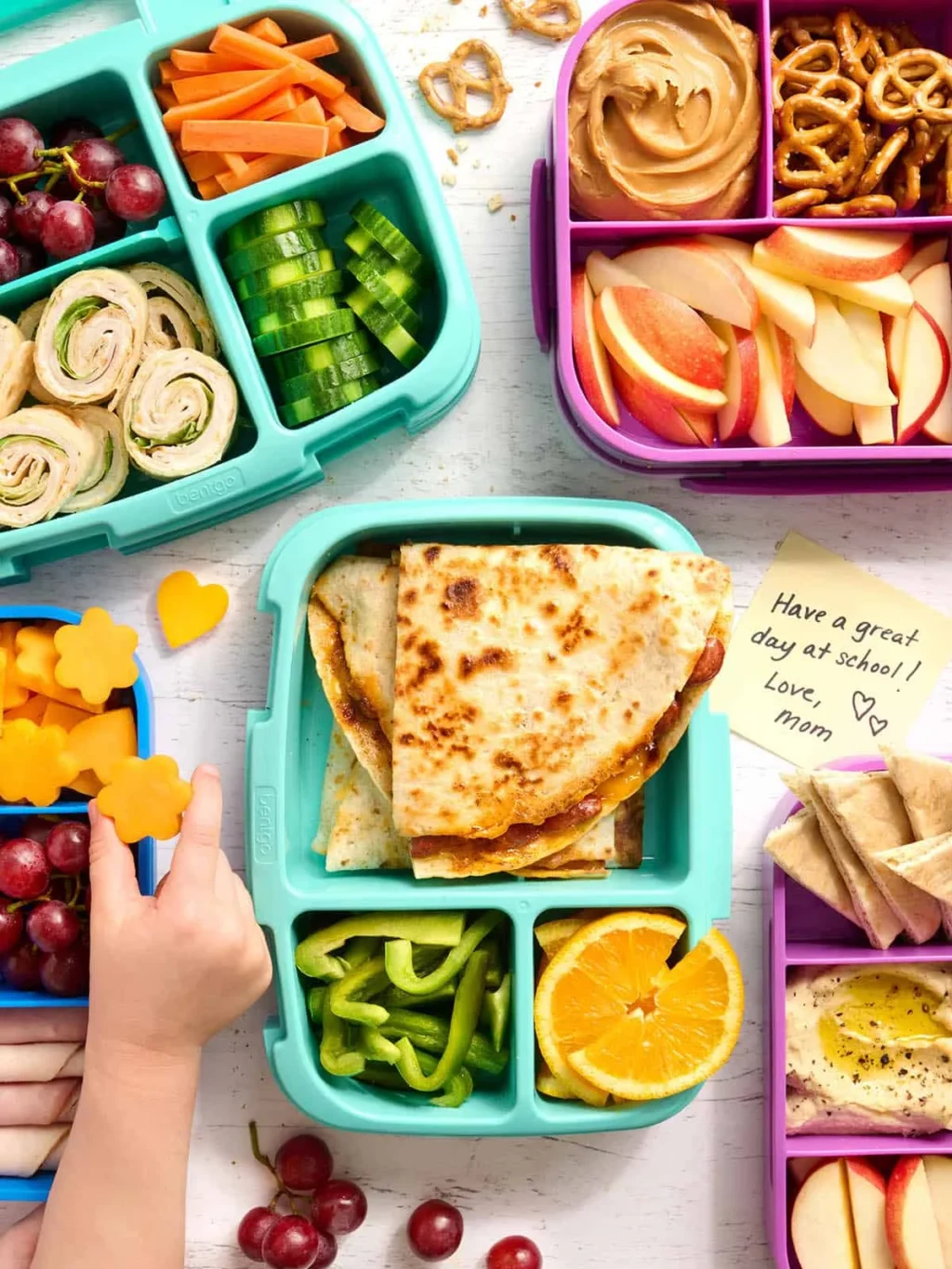
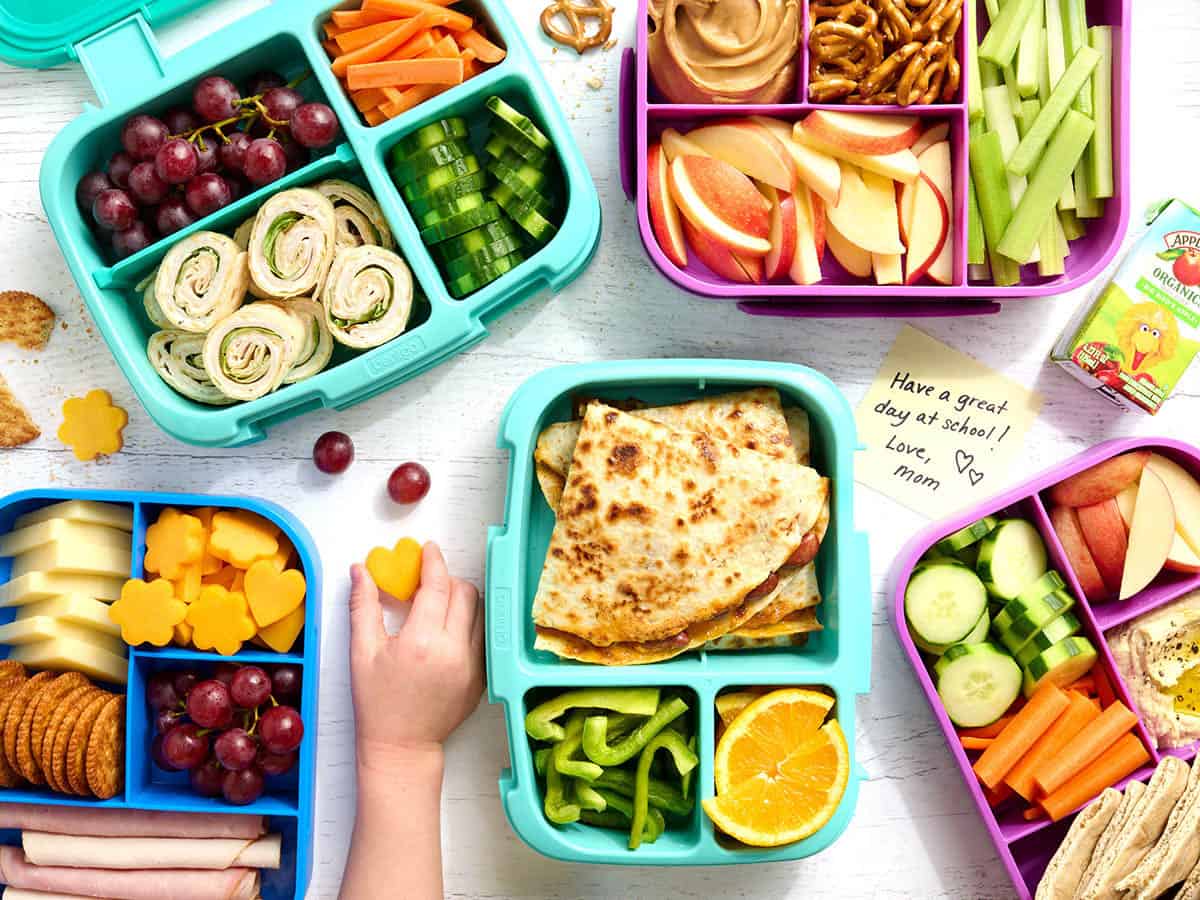
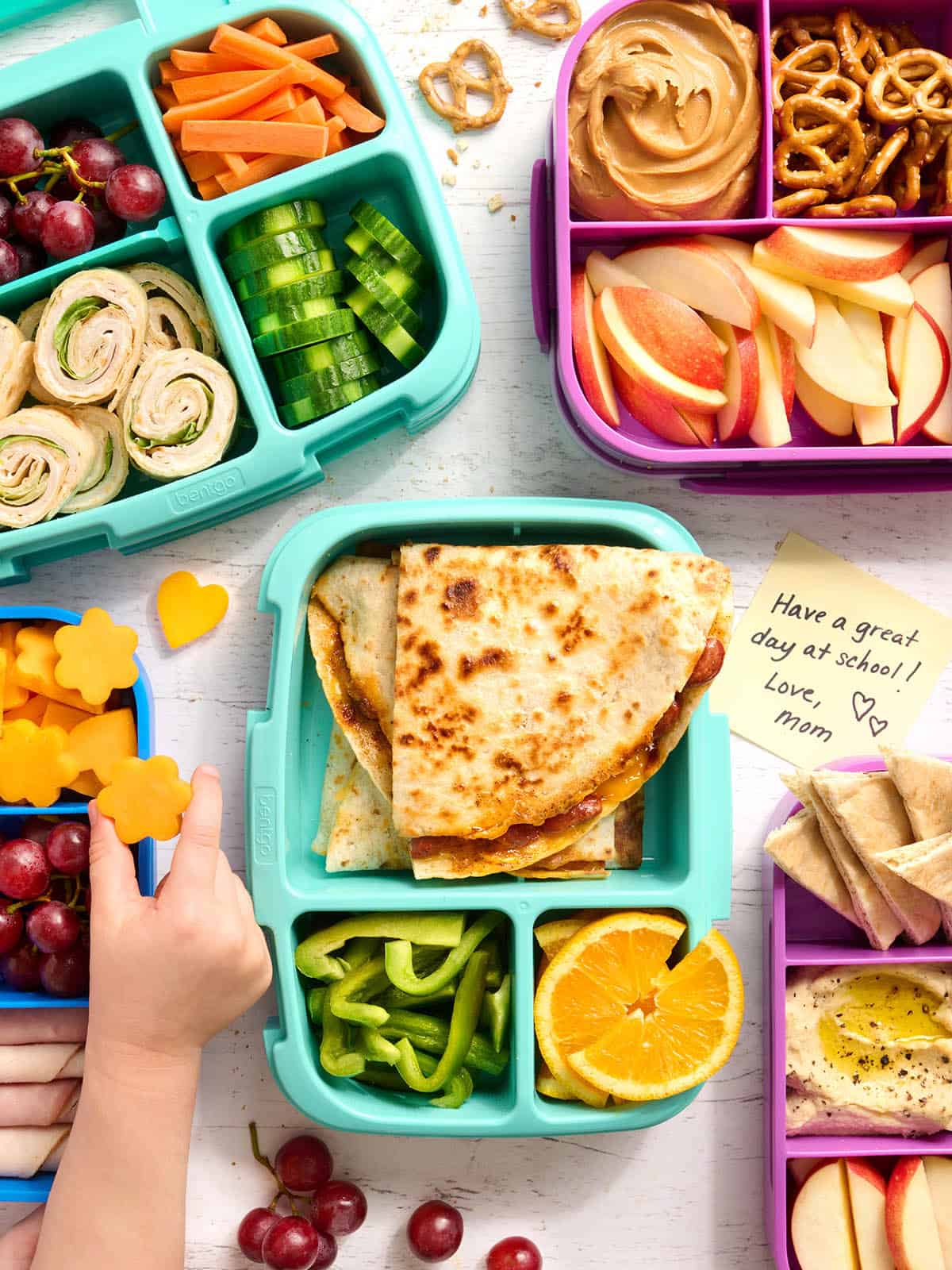
To close the gap between the $3.09 cafeteria lunch and the $6.15 commercial packed lunch, culinary experts suggest using a structured, bento-style meal prep method. Bento boxes utilize separate compartments to prevent food from mixing or becoming soggy, which helps reduce food waste.
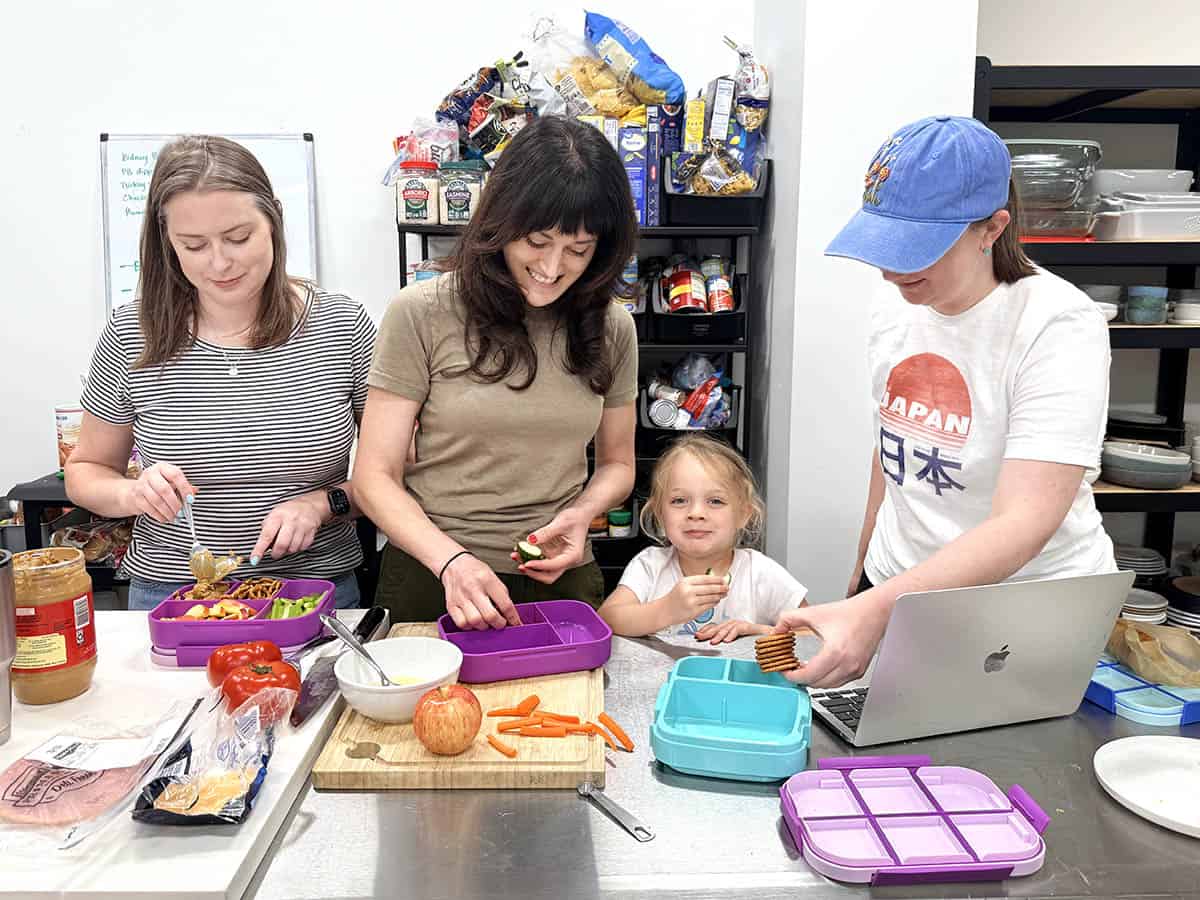
Below are five budget-optimized lunch box strategies developed in the Nashville Test Kitchen by culinary educator Jess Rice. These options focus on ingredient cross-utilization, nutritional balance, and cost control.
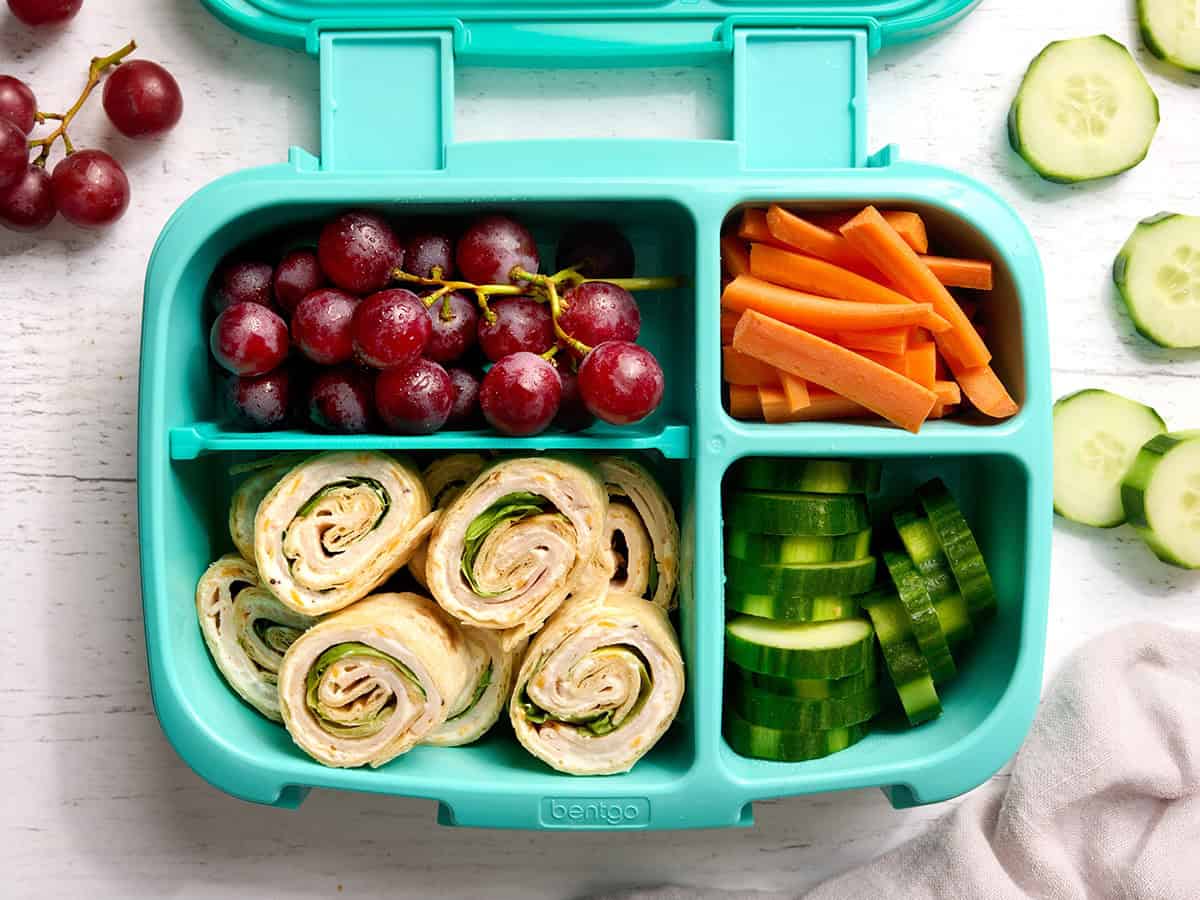
1. The Turkey Pinwheel Box
- Calculated Cost: $3.16 – $3.83 per serving
- Primary Components: Flour tortillas, deli turkey, cream cheese, fresh carrot sticks, cucumber slices, and grapes.
- Nutritional & Culinary Strategy: Traditional sandwiches often become soggy when packed hours in advance. Pinwheels address this issue by using cream cheese as a moisture barrier between the tortilla and the deli meat. Slicing the roll-ups into bite-sized rounds also makes the meal more visually appealing to children.
- Economic Efficiency: This box relies on high-yield, versatile produce. Carrots and cucumbers can be purchased in bulk at a low unit cost and used across multiple meals during the week, minimizing food waste.
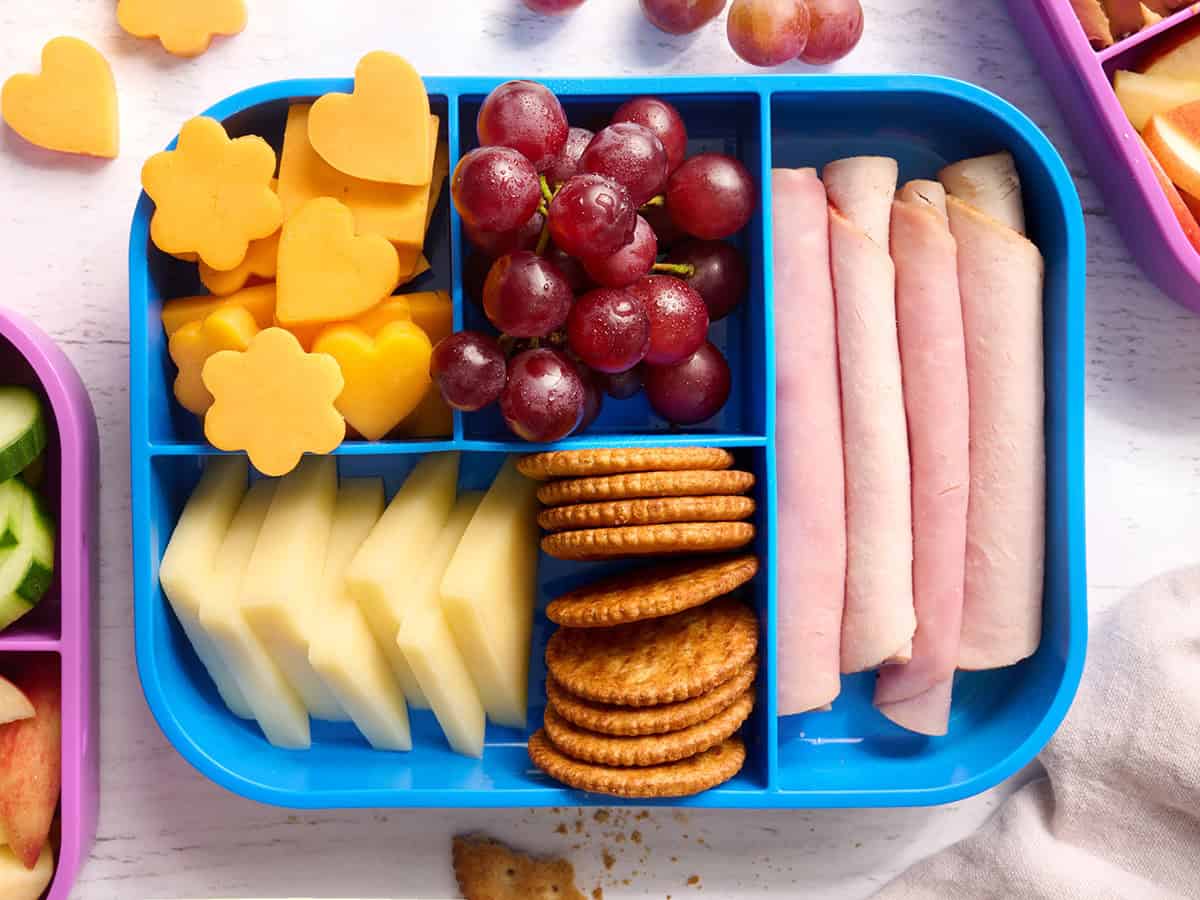
2. The Cheese Board "Lunchable" Box
- Calculated Cost: $1.81 – $3.41 per serving
- Primary Components: Cubed block cheese, sliced deli ham, whole-grain crackers, grapes, and orange slices.
- Nutritional & Culinary Strategy: This option serves as a healthier, less processed alternative to commercial pre-packaged cracker kits, which are often high in sodium and preservatives. Giving children the opportunity to assemble their own cracker stacks provides a hands-on, engaging eating experience.
- Economic Efficiency: Purchasing cheese in blocks and slicing it at home is significantly more cost-effective than buying pre-sliced or pre-cubed cheese. This box can be assembled up to three days in advance, making it a convenient option for busy weekday mornings.
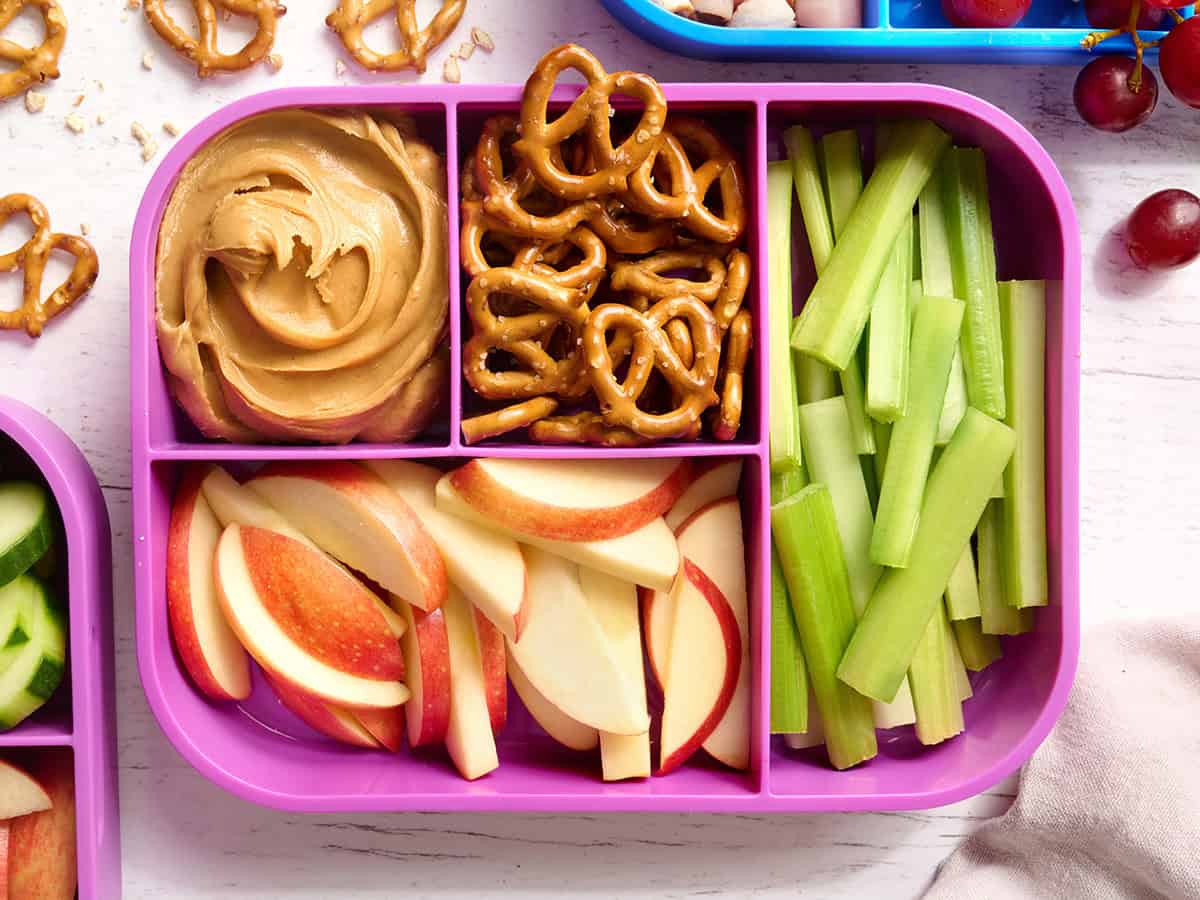
3. The Peanut Butter (or Seed Butter) Dippers Box
- Calculated Cost: $1.09 per serving
- Primary Components: Peanut butter (or sunflower seed butter), celery sticks, apple slices, and pretzel twists.
- Nutritional & Culinary Strategy: This box focuses on dietary fiber and healthy fats, which help keep children feeling full throughout the school afternoon. To prevent apple slices from browning, parents can toss them in a small amount of diluted lemon juice.
- Economic Efficiency: At just $1.09 per serving, this is the most budget-friendly option. It relies primarily on shelf-stable pantry items and hearty produce with a long shelf life, reducing the risk of spoilage.
4. The Cheesy Kidney Bean Quesadilla Box
- Calculated Cost: $1.41 per serving
- Primary Components: Flour tortillas, canned kidney beans, shredded cheddar cheese, green bell pepper slices, and orange segments.
- Nutritional & Culinary Strategy: This box utilizes plant-based proteins to provide iron and fiber. To make the quesadillas appeal to picky eaters, the recipe is simplified to include just mashed kidney beans and melted cheese. These quesadillas hold their shape well and can be served cold or at room temperature.
- Economic Efficiency: Canned beans are one of the most affordable sources of high-quality protein available. Using leftover cheese from other meals during the week further improves the cost efficiency of this lunch.
5. The Hummus & Pita Box
- Calculated Cost: $1.66 – $1.91 per serving
- Primary Components: Store-brand or homemade hummus, pita bread triangles, baby carrots, cucumber slices, and apple slices.
- Nutritional & Culinary Strategy: Hummus is a nutrient-dense, plant-based dip that pairs well with fresh vegetables and pita bread. Bento-style compartments are essential for this lunch to keep the hummus contained and ensure the pita bread remains dry.
- Economic Efficiency: While store-bought hummus is convenient, making hummus at home using canned chickpeas or white beans can reduce the cost even further. This no-cook lunch can be assembled quickly, saving valuable time on busy mornings.
Official Responses and Institutional Perspectives
The debate over school lunch nutrition and cost involves several key stakeholders, each facing unique operational and financial constraints.
School Nutrition Professionals
School nutrition directors emphasize that they are operating under difficult conditions. The School Nutrition Association has repeatedly called for increased federal reimbursement rates for school meals.
Directors point out that while federal nutrition guidelines are well-intentioned, the rising cost of ingredients and persistent staffing shortages make it incredibly difficult to prepare fresh, scratch-cooked meals daily. Understaffed kitchens often have no choice but to rely on pre-packaged options to feed hundreds of students in a short lunch period.
+-------------------------------------------------------------+
|              SCHOOL LUNCH SYSTEMIC CHALLENGES               |
+-------------------------------------------------------------+
|  Labor Shortages:     90% of districts report understaffing |
|  Regulatory Lag:      Delay in implementing updated reforms  |
|  Funding Cuts:        Expiration of pandemic-era support    |
|  Allergen Policies:   Increase in nut-free school mandates  |
+-------------------------------------------------------------+
Educators and Culinary Professionals
Culinary instructors emphasize the importance of involving children in the meal preparation process. Jess Rice, a former Chef Professor at Niagara College, highlights the educational value of meal prep:
"Involving children in packing their lunches—even in small ways, like choosing between two different fruits or stacking their own cracker boxes—helps build a healthy relationship with food. When children have a sense of ownership over their meals, they are far more likely to eat them, which significantly reduces food waste and saves families money."
School Administrators and Safety Officers
School safety and allergen policies also influence what parents can pack. Many schools have implemented strict ban policies on common allergens, particularly peanuts and tree nuts, requiring parents to find suitable alternatives like sunflower seed butter.
Additionally, many school districts have banned glass containers to prevent accidental injuries in the cafeteria, making lightweight, durable, and BPA-free plastic or stainless steel bento boxes the preferred choice for packing lunches safely.
Implications: The Broader Impact of the Packed Lunch Shift
The choice between buying a school cafeteria lunch or packing one at home has broader implications that extend beyond individual household budgets.
Household Economics
For a family with two school-aged children, the cost difference between different lunch options is substantial over the course of a 180-day school year:
- Commercial Packed Lunches ($6.15/day): Cost approximately $2,214 annually for two children.
- Standard Cafeteria Lunches ($3.09/day): Cost approximately $1,112 annually.
- Optimized Home-Prepped Bento Boxes (Average $1.85/day): Cost approximately $666 annually.
Annual Cost Comparison for Two Children (180 School Days):

  Commercial Packed ($6.15/day)  │██████████████████████████████ $2,214
                                 │
  Cafeteria Meals ($3.09/day)    │█████████████ $1,112
                                 │
  Optimized Bento ($1.85/day)    │████████ $666
                                 └────────────────────────────────────────
By adopting a structured meal-prep approach, families can save over $1,500 annually compared to relying on pre-packaged convenience foods, while still ensuring their children receive a nutritious meal.
Child Development and Nutrition
The structure of a child’s lunch box can influence their developing relationship with food. Bento-style lunches, which present foods in neat, separate compartments, are often less overwhelming for young children and picky eaters.
Additionally, packing lunch at home allows parents to introduce new foods alongside familiar favorites, helping to expand a child’s palate in a comfortable, low-pressure way.
Environmental and Food Waste Considerations
Pre-packaged convenience lunches generate significant single-use plastic waste, including wrappers, pouches, and trays. Transitioning to reusable bento boxes and washable silicone bags helps families reduce their environmental footprint.
Furthermore, using lunch planning to cross-utilize ingredients with family dinners helps households reduce overall food waste, ensuring that fresh produce and leftovers are consumed rather than thrown away.
Ultimately, while systemic challenges in the school meal program persist, families are not without options. By applying basic meal-prep principles and focusing on versatile, budget-friendly ingredients, parents can provide balanced, appealing lunches that keep children energized and ready to learn throughout the school day.
References
- School Nutrition Association (SNA). 2025 School Nutrition Trends Report: Operational Challenges, Labor Shortages, and Funding Realities in K-12 Cafeterias.
- Deloitte. 2025 Back-to-School Survey: Consumer Spending Trends, Inflationary Pressures, and the Rising Cost of Packed Lunches.
- U.S. Department of Agriculture (USDA). The Healthy, Hunger-Free Kids Act of 2010: Implementation Timeline, Nutritional Standards, and Policy Evolution.