The Unseen Threat on Your Plate: Quantifying the Cancer Risk of Processed Meats
Main Facts: The Global Health Authority’s Stinging Verdict
In a declaration that sent ripples through the global food industry and public health communities, the International Agency for Research on Cancer (IARC), a highly esteemed arm of the World Health Organization (WHO), delivered a stark warning in 2015. Its comprehensive report classified processed meats—a category encompassing beloved staples like bacon, ham, hot dogs, sausages, and various lunch meats—as Group 1 carcinogens. This designation, reserved for agents for which there is "sufficient evidence of carcinogenicity in humans," immediately placed processed meats in the same scientific classification as substances like asbestos, tobacco, and mustard gas, known unequivocally to cause cancer.
The IARC’s findings, meticulously compiled by a working group of 22 experts from ten countries, were not merely a suggestion but a definitive conclusion based on extensive epidemiological studies. As the director of the agency at the time concluded, these revelations "further support current public health recommendations to limit intake of meat." This pronouncement, however, was met with immediate and often fierce criticism, particularly from the meat industry and its advocates. Critics swiftly questioned the scientific rigor and practical implications of grouping processed meat with notoriously dangerous substances like asbestos and tobacco, arguing that such a classification was alarmist and disproportionate. A representative from a pesticide company, for instance, roughly encapsulated the sentiment by asking how eating a hot dog could possibly be considered in the same league as exposure to mustard gas.
It is crucial to understand that the IARC’s classification system relates to the strength of scientific evidence that an agent causes cancer, not the level of danger or the magnitude of cancer risk it poses. This distinction is often lost in public discourse, leading to significant misinterpretations. As experts frequently clarify, while both processed meat and plutonium might be classified as Group 1 carcinogens, indicating they are both known to cause cancer in people, the level of danger they present is vastly different. It is unequivocally safer to consume a sandwich filled with pastrami than plutonium. The classification simply means that the scientific community has reached a consensus: these substances are definitively cancer-causing. The real question, then, becomes: just how dangerous is processed meat, and what are the quantifiable risks to human health?
The IARC report specifically highlighted the link between processed meat consumption and colorectal cancer, one of the most common and deadliest forms of cancer globally. The relative risk of colorectal cancer was found to increase by a significant 18% for every 50 grams of processed meat consumed daily. To put this into perspective, 50 grams is roughly equivalent to a single hot dog, two breakfast sausage links, or two slices of Canadian bacon or ham. This seemingly modest daily intake, for many a casual addition to breakfast or lunch, carries a tangible and measurable increase in cancer risk.
Colorectal cancer stands as a formidable health challenge, ranking as the second leading cause of cancer death for men and women combined in the United States, second only to lung cancer. For non-smokers, it often represents the single greatest cancer nemesis they might face. The implication of the IARC findings is profound: a simple, seemingly innocuous dietary habit could be significantly contributing to this pervasive disease. The potential to mitigate this risk through dietary changes, therefore, holds immense public health potential.
Chronology: From Landmark Ruling to Lingering Inaction
The journey of processed meat from a dietary staple to a public health concern can be traced through a series of pivotal moments, beginning with the IARC’s groundbreaking declaration and continuing through years of scientific confirmation, public debate, and, at times, perplexing inaction.
The narrative officially commenced in October 2015 when the IARC, after reviewing over 800 studies, released its monograph definitively classifying processed meat as "carcinogenic to humans" (Group 1) and red meat as "probably carcinogenic to humans" (Group 2A). This announcement ignited a firestorm of controversy. The meat industry, caught off guard by the severity of the classification, immediately mobilized, issuing statements questioning the science and warning of economic repercussions. Agricultural organizations and industry lobbies worldwide launched vigorous public relations campaigns aimed at mitigating the perceived damage to their products. This initial backlash underscored the deep economic and cultural ties many societies have to meat consumption.
In the years following, 2016-2019, scientific research continued to accumulate, largely reinforcing the IARC’s position. Studies delved deeper into the biological mechanisms through which processed meats might exert their carcinogenic effects, identifying factors such as N-nitroso compounds (formed from nitrates/nitrites used in curing), heme iron, and polycyclic aromatic hydrocarbons (formed during high-temperature cooking) as potential culprits. Despite the growing body of evidence and increasing public health concerns, national dietary guidelines in many countries, particularly the United States, remained conspicuously silent or offered only mild recommendations regarding processed meat.
A critical juncture occurred in the lead-up to the 2020-2025 Dietary Guidelines for Americans. Public health advocates and scientific experts, including the author of the original article, presented compelling testimony to the Dietary Guidelines Scientific Committee, urging for an explicit and science-based statement on processed meat. They argued that given the IARC’s classification and the mounting evidence, omitting a strong warning constituted a significant public health oversight. However, the scientific committee ultimately made no such recommendation in its final report, a decision that baffled and frustrated many in the public health community. This inaction highlighted a systemic challenge: translating robust scientific consensus into actionable public policy, especially when powerful economic interests are at play.
Simultaneously, data collected during this period, notably through 2019, revealed a troubling trend: despite the growing public health concerns and widespread media coverage of the IARC report, there had been no significant changes in the amount of processed meat consumed by US adults over the preceding 18 years. This stagnation in dietary habits pointed to a critical disconnect between scientific knowledge and public behavior, further exacerbated by the lack of clear, unambiguous guidance from official health bodies.
Adding another layer of concern, research consistently showed that even individuals diagnosed with colorectal cancer often "hardly improve their overall lifestyle after diagnosis." A major contributing factor to this alarming statistic was the revelation that approximately "70% of cancer patients have never received nutrition advice from their [medical] providers during or after treatment." This systemic failure in medical education and patient care meant that a crucial opportunity for intervention and improved outcomes was being missed, leaving patients vulnerable and uninformed about the powerful role diet plays in disease progression and recurrence.
Amidst this landscape of scientific evidence and policy inertia, a beacon of proactive public health action emerged in New York City. In a landmark move, NYC passed legislation to ban processed meats from school meals. This decision, lauded by public health advocates, represented a tangible step towards protecting vulnerable populations—children—from known carcinogens. It challenged the status quo and demonstrated a municipal government’s willingness to prioritize health over convenience and industry pressure, setting a precedent for other jurisdictions.
The ongoing timeline also includes the industry’s response beyond initial criticism. Recognizing the mounting scientific pressure, processed meat manufacturers have embarked on efforts to "reformulate" their products. This involves exploring methods to mitigate potential adverse effects, such as adding fiber to hot dogs to counterbalance cancer risk or altering processing methods to reduce the formation of harmful compounds. While these efforts represent a tacit acknowledgment of the health concerns, they also raise questions about whether such modifications are genuine solutions or merely attempts to sustain consumption of fundamentally unhealthy products.
Supporting Data: Unpacking the Numbers Behind the Risk
The IARC’s classification of processed meat as a Group 1 carcinogen is underpinned by a robust body of scientific data, translating into tangible risks for individuals and significant burdens on public health systems. Understanding these numbers, particularly the distinction between relative and absolute risk, is crucial for grasping the true implications of daily processed meat consumption.
The headline figure—an 18% increased relative risk of colorectal cancer for every 50 grams of processed meat eaten daily—is a powerful statistic. To contextualize this, 50 grams is approximately the weight of one standard hot dog, two small breakfast sausages, or two slices of deli ham or Canadian bacon. For many, incorporating this amount into their daily diet is effortless: a slice or two of bologna in a sandwich, a hot dog at lunch, or sausages with breakfast. A daily sandwich with just one or two slices of bologna, for instance, could elevate an individual’s colorectal cancer risk by 18%. For those with heartier appetites, such as consuming a half-pound pastrami sandwich on rye, the relative risk could bump up by as much as 80%.
However, interpreting "18% increased risk" requires a careful look at the difference between absolute risk and relative risk. Relative risk describes how much a particular exposure increases or decreases the risk of an event compared to an unexposed group. Absolute risk, conversely, is the overall likelihood of an event occurring. Assuming the lifetime risk of colorectal cancer for an average individual is approximately 5% (or 1 in 20), an 18% increase in relative risk would translate to an increase in absolute risk from 5% to approximately 6%. While this might seem like a small jump on an individual level, its implications at a population scale are staggering.

Consider the United States, a nation where processed meat consumption remains high. An 18% drop in the population’s risk of colorectal cancer, achieved by, for example, swapping out a daily bologna sandwich for a hummus alternative or choosing veggie dogs, could translate to approximately 25,000 fewer cases of colorectal cancer every single year. This isn’t just a number; it represents 25,000 fewer families grappling with the devastating diagnosis, the grueling treatments, and the profound emotional and financial toll that cancer exacts. The cumulative effect over decades would be immense, underscoring the power of even seemingly small dietary adjustments when adopted widely.
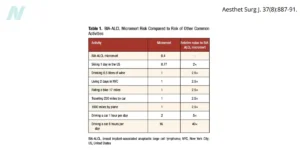
The comparison of processed meat consumption to other risky behaviors further illuminates its significance. In testimony before the Dietary Guidelines Scientific Committee, a powerful analogy was drawn: "We try not to smoke around our kids, why would we send them to school with a baloney sandwich?" This statement, while perhaps sounding hyperbolic, is grounded in compelling data. According to the Surgeon General, living with a smoker increases an individual’s risk of lung cancer by approximately 15%. This means that breathing second-hand smoke day in and day out increases the risk of lung cancer almost as much as eating a single serving of processed meat day in and day out increases the risk of colorectal cancer. This striking parallel underscores the severity of the processed meat risk and challenges the common perception that it is a benign dietary choice.
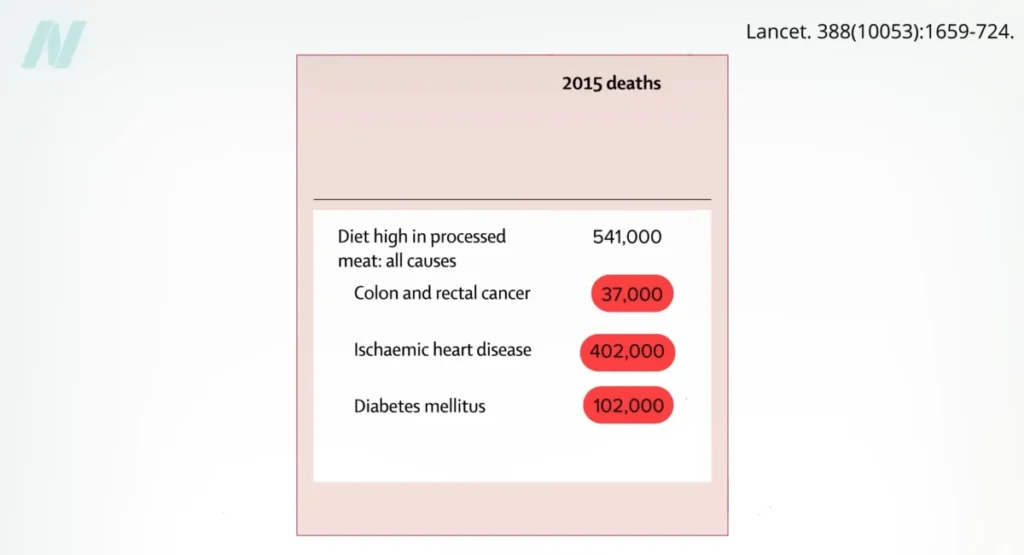
Furthermore, the health ramifications of processed meat extend far beyond colorectal cancer. Critics of the IARC’s classification, particularly those aligned with the meat industry, often cited Global Burden of Disease studies to argue that the number of cancer deaths attributable to processed meat consumption pales in comparison to those caused by tobacco or alcohol. However, such arguments frequently present an incomplete picture. While the initial estimates of deaths attributable to higher processed meat intake often focused solely on the roughly 37,000 colorectal cancer deaths, they typically omit other significant health burdens. A more comprehensive look at the data reveals that processed meat consumption is also strongly linked to approximately 100,000 deaths from diabetes and a staggering 400,000 deaths from heart disease annually. When these figures are aggregated, the total number of deaths attributable to processed meat could realistically approach half a million each year, a figure that dramatically recontextualizes its public health impact and makes comparisons to tobacco and alcohol far more relevant.
Emerging research since the 2015 IARC decision has further broadened the scope of concern. Studies indicate that processed meat consumption may also increase the risk of other major cancers, including prostate cancer, breast cancer, and pancreatic cancer. This expanding body of evidence suggests that processed meat is not merely a colorectal carcinogen but a broader dietary factor contributing to a spectrum of life-threatening diseases. The cumulative weight of this supporting data paints a compelling picture of a significant and multifaceted health risk embedded within the modern diet.
Official Responses: A Landscape of Pushback, Silence, and Progressive Action
The official responses to the IARC’s declaration have been varied, ranging from immediate industry pushback to governmental inaction, and, in some progressive instances, decisive public health policy. This landscape reflects the complex interplay of science, economics, and political will.
Immediately following the 2015 IARC report, the meat industry launched a concerted counter-offensive. Industry associations and their scientific advisors questioned the IARC’s methodology, emphasized the importance of a balanced diet, and highlighted the nutritional aspects of meat, such as protein and iron. Their primary argument often centered on the perceived "alarmism" of the Group 1 classification, suggesting that placing processed meat alongside substances like asbestos was an irresponsible exaggeration. This strategy mirrored tactics historically employed by the tobacco industry, focusing on "continued obfuscation of the issue," as one scientific cancer-research journal article pointedly observed. The industry’s narrative often pivoted to what it called the "benefits" of processed meat, primarily convenience, arguing that these benefits must be weighed against any potential risks before telling people "what to eat." This framing sought to shift the conversation from health risks to personal choice and practical considerations.
Perhaps the most significant official non-response came from the United States federal government, particularly concerning the Dietary Guidelines for Americans. Despite compelling testimony from numerous public health experts advocating for an explicit and science-based statement on processed meat, the 2020 Dietary Guidelines Advisory Committee made no such recommendation in its report. This omission represented a missed opportunity to translate robust international scientific consensus into actionable national dietary advice. The absence of clear guidance from such an authoritative source perpetuates public confusion and undermines efforts to encourage healthier eating patterns. It suggests a reluctance to confront powerful agricultural and food industry lobbies, prioritizing economic considerations over public health imperatives.
Further complicating the picture is the systemic failure within the medical community to provide adequate nutritional counseling. Research indicates that a staggering 70% of cancer patients never receive nutrition advice from their medical providers during or after treatment. This lack of guidance is a critical gap, as diet plays a profound role in both cancer prevention and patient outcomes. It highlights a deficiency in medical education and ongoing professional development, where nutrition often remains a marginalized topic despite its central importance to health. This inaction from healthcare providers, albeit often unintentional due to time constraints and lack of training, effectively serves as an unofficial non-response to the dietary challenges patients face.
However, not all official responses have been characterized by silence or pushback. A notable exception emerged in New York City, which has taken a leading role in public health action. NYC passed legislation to ban processed meats from school meals. This bold move was a direct governmental response to the scientific evidence, prioritizing the health of children by removing known carcinogens from their daily diets. It reflects a growing recognition that proactive policy interventions are necessary when individual behavior change is slow and official national guidelines are insufficient. NYC’s initiative serves as a powerful model, demonstrating that local governments can and should act decisively to protect public health.
In parallel with policy debates, the processed meat industry itself has engaged in a form of official response through reformulation efforts. Recognizing the undeniable scientific scrutiny, some companies are investing in research to develop products that mitigate health risks. This includes exploring additives like fiber, which could potentially counterbalance the cancer risk associated with processed meats, or modifying processing techniques to reduce the formation of harmful compounds. This approach is akin to pharmaceutical strategies, where one drug’s adverse effects are mitigated by another. While these efforts may appear progressive, they also raise questions about whether they are a genuine solution to fundamental dietary problems or simply a means to maintain market share for products that remain inherently problematic. The effectiveness of such reformulations in significantly reducing long-term health risks remains a subject of ongoing scientific investigation.
Implications: Reshaping Dietary Choices and Public Health Agendas
The IARC’s classification of processed meat as a Group 1 carcinogen, supported by an ever-growing body of scientific evidence, carries profound implications for individual dietary choices, public health policy, and the broader societal understanding of food and disease.
At the individual level, the implications are clear and actionable: every daily serving of processed meat contributes to a measurable increase in cancer risk. The simple act of swapping a daily bologna sandwich for a hummus alternative or choosing veggie dogs instead of traditional hot dogs can reduce an individual’s colorectal cancer risk by approximately one-fifth. This emphasizes the profound power of seemingly small, consistent dietary tweaks. For many, processed meats are a habit, often chosen for convenience. The challenge, therefore, lies in fostering awareness and facilitating easy, healthy alternatives that don’t compromise on taste or accessibility. The knowledge that such a simple change can dramatically lower the risk of a major cancer empowers individuals to take control of their health destiny.
On a population scale, the implications are even more staggering. The potential to prevent approximately 25,000 cases of colorectal cancer annually in the United States alone by reducing processed meat consumption highlights a massive public health opportunity. Beyond cancer, the broader links to heart disease and diabetes suggest that a concerted effort to reduce processed meat intake could prevent half a million deaths each year. Such a reduction would alleviate immense suffering, extend countless lives, and significantly reduce the economic burden on healthcare systems grappling with chronic diseases. This underscores the need for "public health action" that transcends individual choices and addresses systemic issues.
The ethical implications of the continued widespread availability and promotion of processed meats are also coming into sharper focus. If processed meat is indeed a Group 1 carcinogen, comparable in its evidence of harm to second-hand smoke, then society must grapple with the ethics of knowingly allowing such products to be marketed and consumed, particularly by vulnerable populations like children. The question posed in the original article—"We try not to smoke around our kids, why would we send them to school with a baloney sandwich?"—is not merely rhetorical but demands serious consideration in public policy debates. New York City’s decision to ban processed meats from school meals is a pioneering example of a jurisdiction acknowledging this ethical imperative and acting upon it. This sets a precedent and raises expectations for other municipalities and national governments to follow suit.
For the food industry, the implications are multifaceted. While reformulation efforts are underway, they represent a tacit acknowledgment of the health concerns surrounding their products. The long-term challenge for the processed meat industry will be to adapt to evolving scientific understanding and public health demands. This could mean a fundamental shift in product development, a greater emphasis on plant-based alternatives, or a more transparent approach to communicating health risks. The historical parallels to the tobacco industry, often cited by health advocates, serve as a stark warning about the consequences of persistent obfuscation and resistance to scientific consensus.
Finally, the ongoing lack of explicit guidance in national dietary guidelines, coupled with the insufficient nutrition education within the medical community, points to critical systemic failures. The implications are clear: there is an urgent need for robust, evidence-based dietary guidelines that are unafraid to confront uncomfortable truths about food. Simultaneously, medical education must be reformed to equip healthcare providers with the knowledge and tools to offer comprehensive nutrition advice, ensuring that patients receive holistic care that addresses the powerful role of diet in health and disease.
In conclusion, the science is increasingly unequivocal: processed meat poses a significant, quantifiable threat to public health, contributing to a substantial burden of cancer, heart disease, and diabetes. The implications extend from personal dietary choices to national public health policies, demanding a collective re-evaluation of how we produce, consume, and regulate these widely consumed products. The path forward requires greater public awareness, clearer governmental guidance, proactive policy interventions, and a willingness from both individuals and institutions to prioritize health over convenience and entrenched habits.