The Art of the Rustic Table: Mastering the Gluten-Free Strawberry Galette
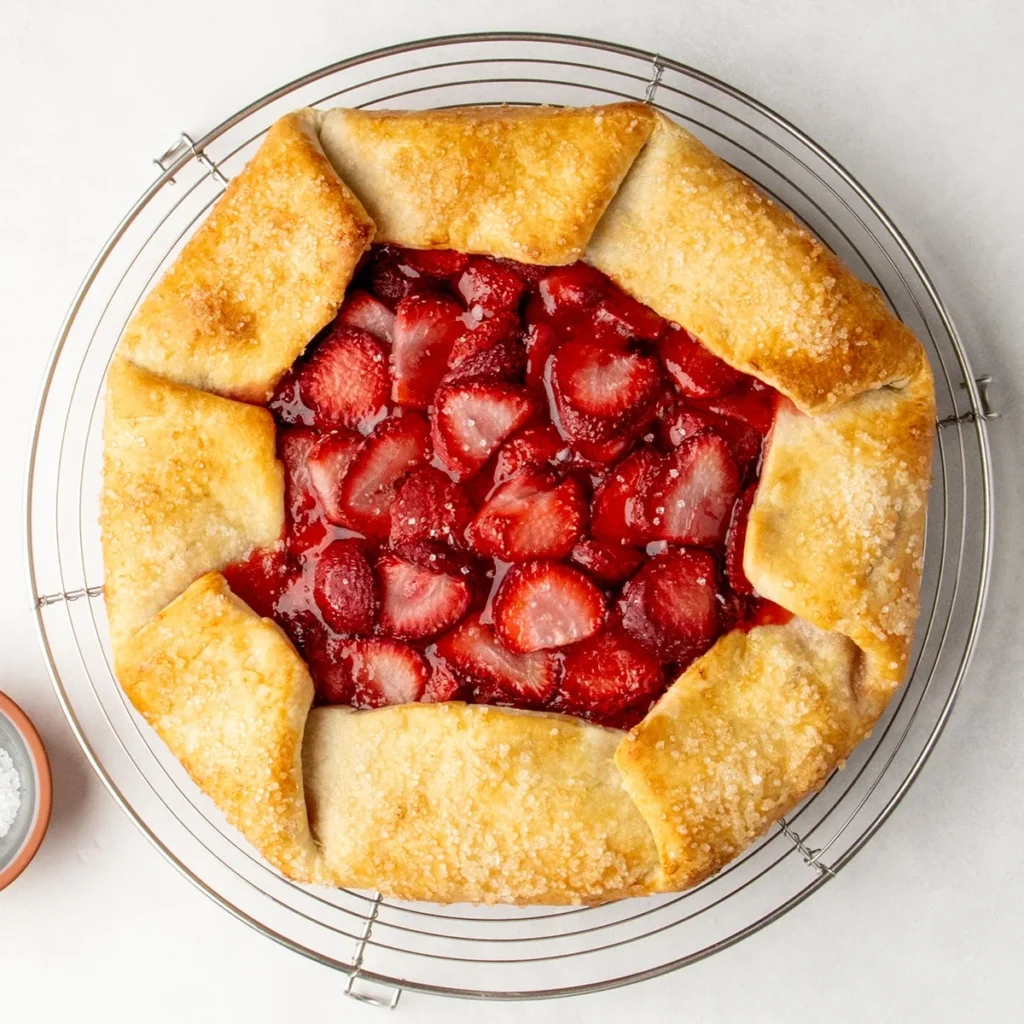
In the world of professional baking, the galette occupies a unique space between humble farmhouse cooking and high-end pâtisserie. Unlike the structured, often intimidating architecture of a traditional double-crust pie, the galette—a free-form, rustic pastry—celebrates the beauty of imperfection. For those navigating a gluten-free lifestyle, the challenge has historically been achieving that elusive, flaky, golden crust without the structural integrity provided by wheat gluten. However, a new culinary standard is emerging, proving that fresh, seasonal fruit can shine in a pastry that is as structurally sound as it is delicious.
Main Facts: The Anatomy of a Perfect Galette
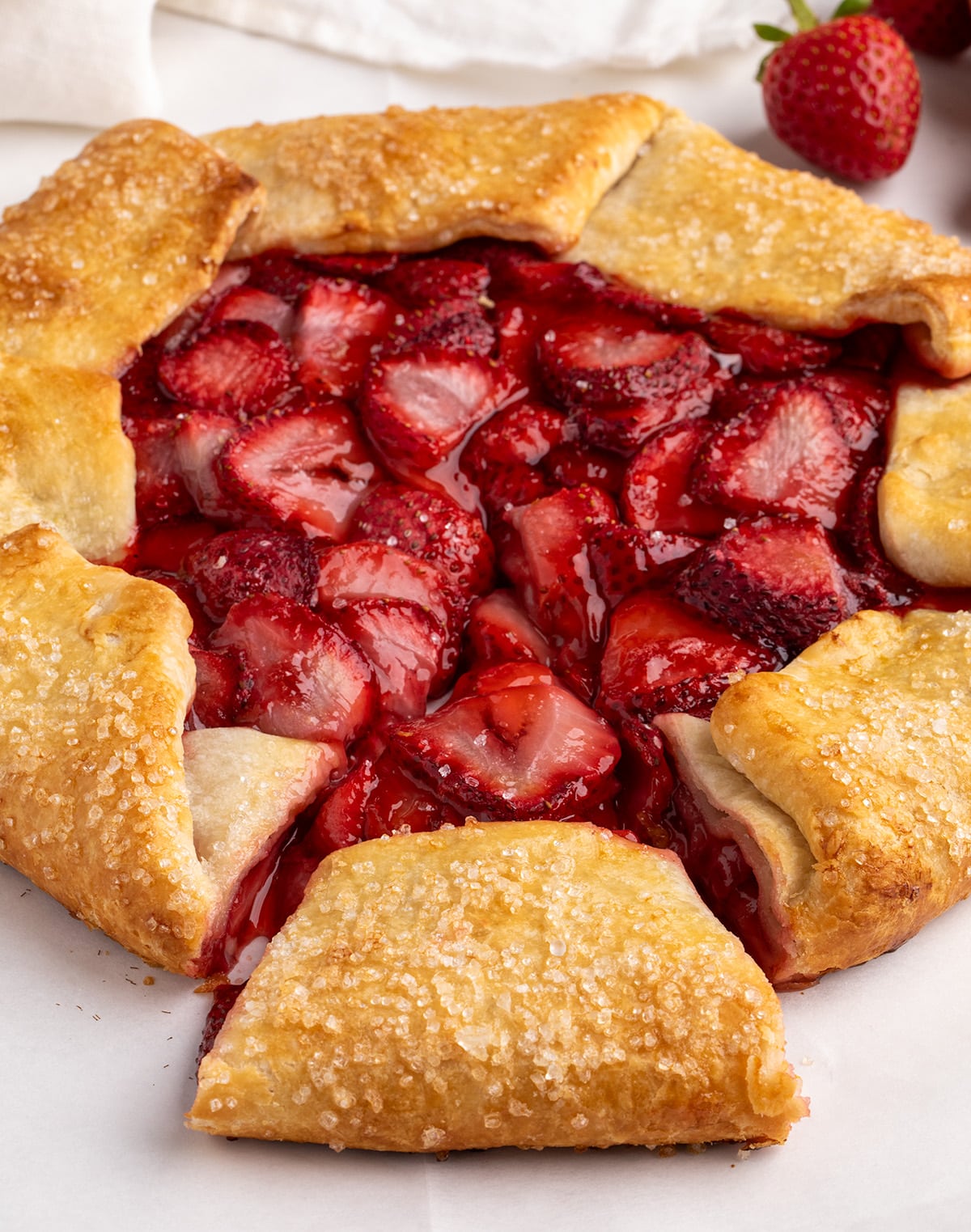
The essence of a successful gluten-free galette lies in the marriage of a sturdy, buttery pastry and a vibrant, thickened fruit filling. By eschewing the restrictive confines of a pie dish, the baker gains creative freedom, but loses the support structure that prevents fruit juices from causing a soggy bottom.
To overcome this, the recipe utilizes a specialized approach to dough preparation:

- Butter Management: By pressing cold, cubed butter into thin, distinct shards within the flour blend, the baker creates "pockets" of fat. When these hit the high heat of the oven, they release steam, forcing the layers of pastry apart to create a light, shattered-glass flakiness.
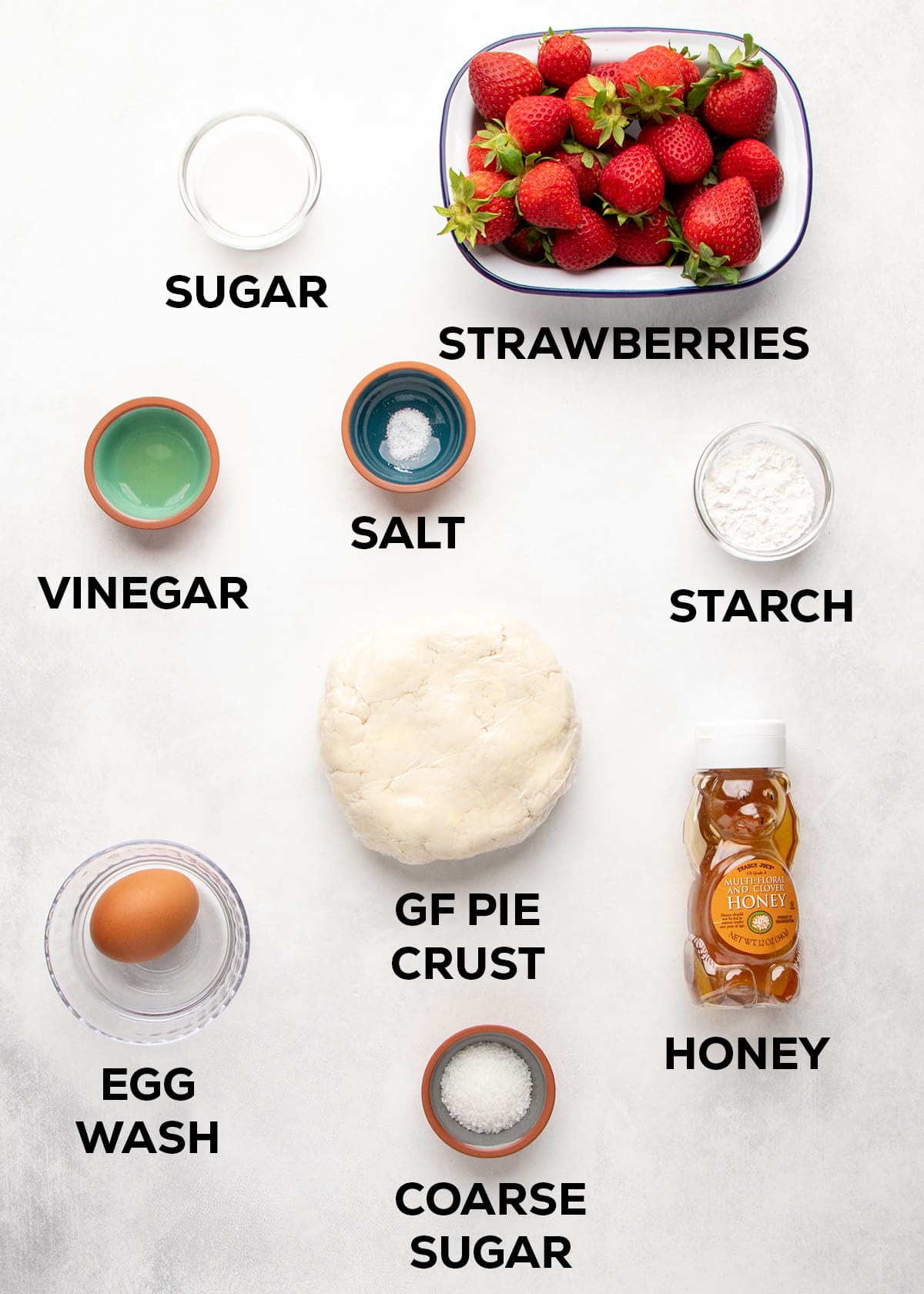
- The Honey Seal: A professional-grade technique involves brushing the inner circle of the rolled-out dough with honey. This serves a dual purpose: it acts as a moisture barrier to protect the crust and provides a subtle, caramelized sweetness that bridges the gap between the savory pastry and the tart berries.
- The Tapioca Factor: The filling is not merely tossed in sugar. The incorporation of tapioca starch is critical; it transforms the strawberry juices into a glossy, stable syrup during the baking process, ensuring the slice holds its shape on the plate rather than dissolving into a compote.
Chronology: The Step-by-Step Culinary Process
Creating this pastry is a study in precision and patience. The process follows a strict sequence designed to manage temperature—the primary variable in pastry success.
- The Dry Foundation: The process begins with whisking high-quality gluten-free flour—specifically a blend containing xanthan gum—with baking powder and a pinch of salt. This creates a uniform base, preventing the "clumpy" texture often associated with subpar gluten-free bakes.
- Butter Incorporation: The butter must remain cold. As it is manually pressed into the flour, it creates the structural foundations for the crust’s lamination.
- Hydration: Ice-cold water is added sparingly. The objective is to achieve a dough that clings together when pressed, avoiding the excess moisture that leads to toughness.
- The Chill: The dough is pressed into a disk and refrigerated for 30 minutes. This rest period is non-negotiable; it allows the fats to solidify and the flour to fully hydrate, preventing the crust from snapping or shrinking during the bake.
- Filling Preparation: While the dough chills, the strawberries are hulled and sliced. They are macerated with sugar, a touch of vinegar, and salt. The vinegar is an inspired addition, acting as a flavor enhancer that cuts through the natural sweetness of the berries.
- Assembly and Final Bake: The dough is rolled into a 13-to-14-inch circle, filled, and pleated. A second, brief chill of the assembled, unbaked galette is the "pro-tip" that ensures the butter is at the optimal temperature before it enters the 375°F oven.
Supporting Data: Nutrition and Dietary Versatility
For the health-conscious home baker, the galette offers a transparent look at its nutritional composition. A standard slice contains approximately 320 kcal, with a balanced profile of 41g of carbohydrates and 6g of protein. The focus here is on quality over quantity, with 14g of fat—essential for the mouthfeel of the crust—and a modest 10g of sugar.
Furthermore, the recipe is highly adaptable. For those adhering to dairy-free requirements, the butter can be replaced with a 50/50 split of high-quality vegan butter and vegetable shortening, which mimics the melting point of traditional dairy fat effectively.
Official Perspectives: The Expert Philosophy
Nicole Hunn, a leading voice in the gluten-free culinary community and founder of Gluten Free on a Shoestring, emphasizes that the biggest barrier to gluten-free baking is often the "good enough" mentality. "No more making separate meals when someone is GF," Hunn notes. Her methodology is predicated on the belief that gluten-free food should be indistinguishable from its wheat-based counterparts.
Her expert tips provide a roadmap for avoiding common pitfalls:
- The Over-Ripe Problem: When using particularly juicy or over-ripe fruit, the risk of a soggy crust increases exponentially. Hunn suggests an increase in the tapioca starch content to compensate for the excess moisture, ensuring the crust remains crisp even under the weight of the fruit.
- Fruit Versatility: While strawberries are the season’s protagonist, the method is universal. Stone fruits, such as nectarines and plums, follow the same logic. For harder fruits like apples, thin slicing is the key to ensuring the fruit softens at the same rate as the pastry.
Implications: The Future of Home Baking
The resurgence of the galette in the home kitchen signals a shift away from the rigid, perfectionist standards of mid-century baking and toward a more relaxed, ingredient-focused approach. By removing the pressure of the pie pan, bakers are encouraged to experiment with local, seasonal produce.
This recipe has profound implications for those who previously felt excluded from the joys of baking. It proves that gluten-free flour blends have reached a level of sophistication where they can support complex structures like folded pastries without compromising texture or flavor. As more home cooks adopt these techniques—such as the cold-chill method and the strategic use of starch for thickening—the barrier between "specialty diet" baking and "gourmet" baking continues to evaporate.
Ultimately, the strawberry galette is a testament to the fact that, even without gluten, the fundamentals of great baking remain the same: high-quality ingredients, careful temperature management, and the courage to embrace a little bit of rustic charm. Whether served at a summer brunch or a holiday gathering, this dessert stands as a reminder that accessibility and culinary excellence are not mutually exclusive; they are, in fact, the perfect recipe for a modern kitchen.