Navigating the Modern Diet: Can We Mitigate the Damage of Unhealthy Choices?
In an age where dietary choices range from highly processed convenience foods to meticulously curated health regimens, a critical question often arises: If we occasionally indulge in something unhealthy, is there anything we can consume alongside it to lessen its potential harm? This fundamental inquiry delves into the complex interplay between diet, immediate physiological responses, and long-term cardiovascular health. Emerging research suggests that while prevention remains paramount, certain plant-based foods possess remarkable properties that can, to varying degrees, counteract the detrimental effects of less-than-ideal meals on our arteries.
The Core Question: Can We Offset Unhealthy Choices?
The human circulatory system, a marvel of biological engineering, relies heavily on the healthy function of its arteries. These vital vessels must maintain their ability to dilate and constrict, regulating blood flow to meet the body’s demands. This crucial function, known as endothelial function, is a key indicator of cardiovascular health. When arteries lose their elasticity and responsiveness, it paves the way for serious conditions like atherosclerosis, heart attack, and stroke.
The initial premise of this investigation is both pragmatic and profound: can smart dietary additions act as a buffer against the transient damage inflicted by unhealthy foods? The scientific community has been exploring this question, yielding insights that underscore the power of plant-based nutrition.
The Striking Vegetarian Advantage
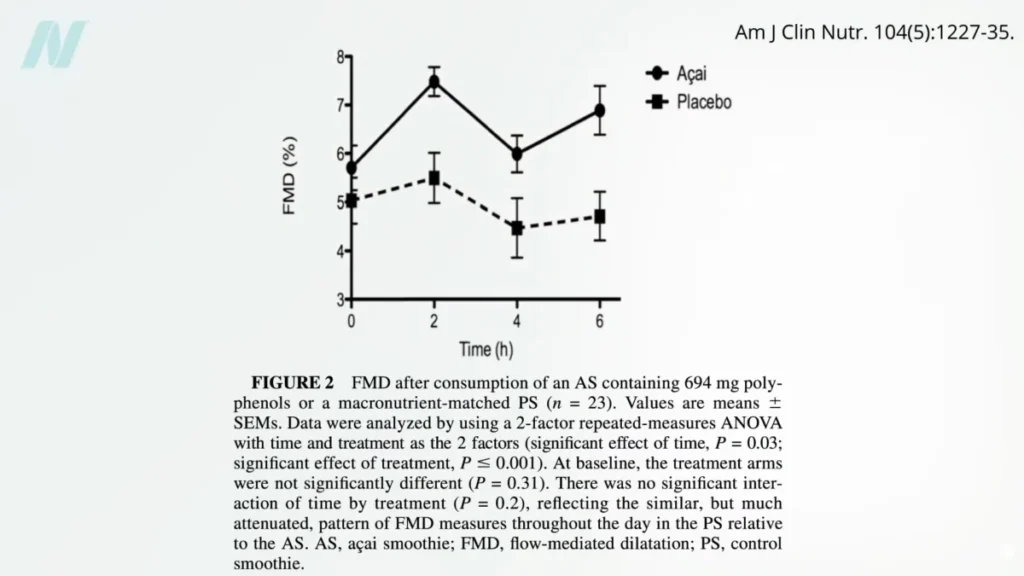
A foundational study comparing the artery function of vegetarians and meat-eaters provides a compelling starting point. Researchers observed that the healthy ability of arteries to dilate and facilitate increased blood flow was significantly superior among individuals adhering to a vegetarian diet. This wasn’t a marginal difference; the arterial responsiveness in vegetarians was found to be approximately four times better than that of their meat-eating counterparts.
This finding challenges conventional assumptions and highlights the profound impact of long-term dietary patterns on vascular health. The study’s visual data, presented in the original research, vividly illustrates this disparity, with vegetarians consistently showing a robust vascular response.

Unpacking the "Why": Beyond Lifestyle Factors
It’s a common observation that vegetarians often exhibit healthier lifestyle choices overall, tending to be younger, smoke less, be slimmer, and have lower rates of chronic conditions such as diabetes, high cholesterol, high blood pressure, and heart disease. To ensure the observed arterial differences were indeed attributable to diet and not confounding lifestyle factors, the researchers meticulously controlled for these variables.
They specifically recruited a cohort of healthy non-smokers, carefully matching meat-eaters to vegetarians based on factors like body mass index, blood pressure, and cholesterol levels. Even within this rigorously controlled environment, where omnivores were otherwise healthy and comparable, their arteries were significantly outperformed by those of the vegetarians. This suggests a direct beneficial effect of the vegetarian diet on arterial function, independent of other common health indicators.
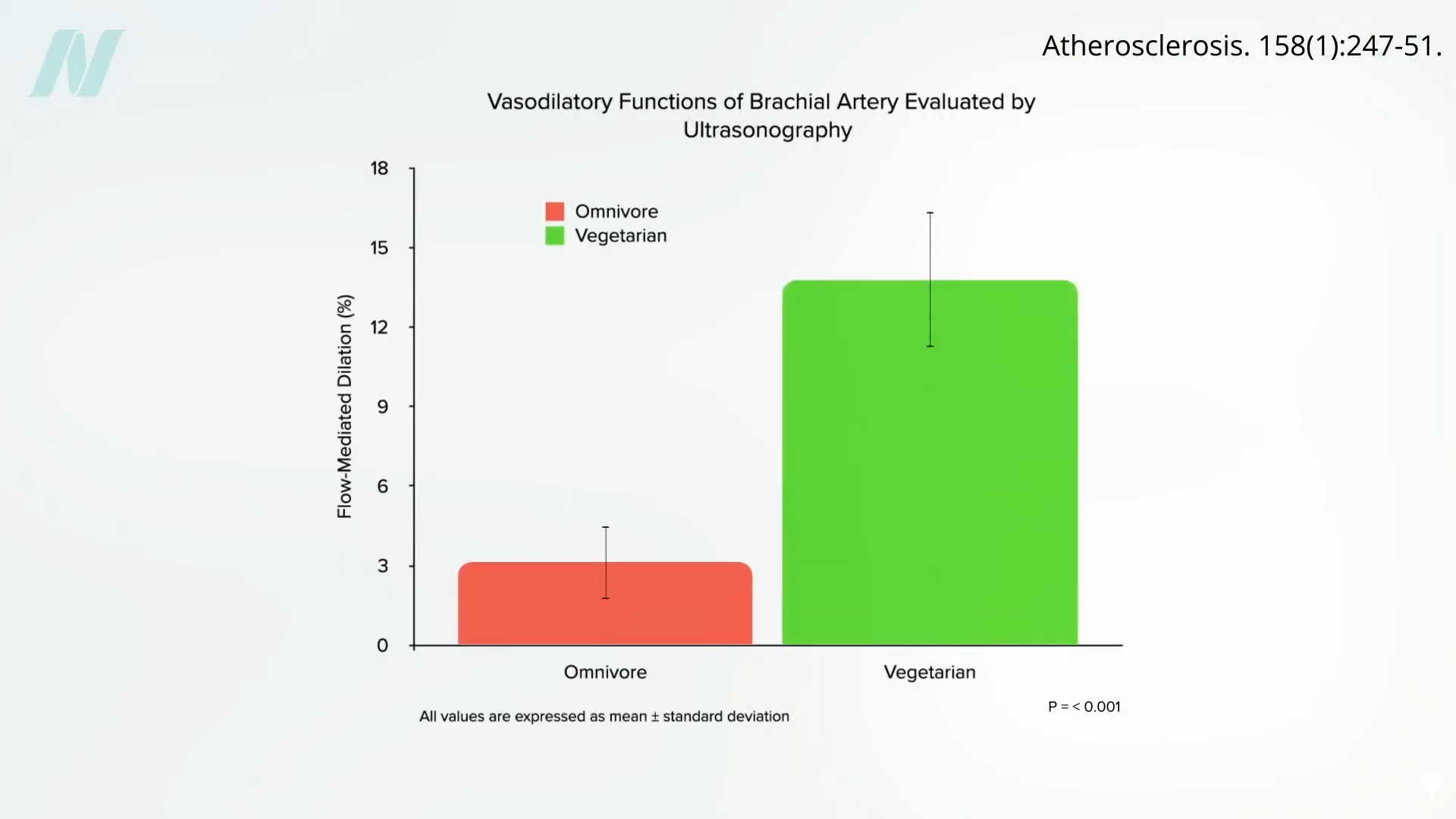
Furthermore, the study revealed a remarkable correlation: the longer an individual had maintained a meat-free diet, the better their artery function. Instead of the typical age-related decline in arterial health, vegetarians experienced an improvement in their vascular function over time, directly proportional to the duration of their meat-free eating habits. This longitudinal insight points towards a cumulative protective effect, where a sustained plant-based diet actively reverses or prevents arterial stiffening and dysfunction. This finding is critical as it suggests a proactive, rather than merely reactive, benefit of plant-centric eating in combating atherosclerosis and reducing cardiovascular mortality.
The researchers posited that the superior arterial health in vegetarians must stem from their diet. The question then became: is it primarily the absence of meat’s potentially harmful components, or the increased consumption of whole, healthy plant foods, or a combination of both? For instance, vegetarians in the study consumed, on average, at least one additional serving of vegetables per day, suggesting that the presence of nutrient-dense plant foods plays a significant role.
Decoding Dietary Culprits: Animal Fat vs. Sugar
To further understand what specifically impacts arterial health, scientists have conducted studies comparing the effects of different types of "unhealthy" meals. One notable comparison involved two classic junk food meals: an Egg McMuffin, Sausage McMuffin, and hash brown patties versus a serving of Frosted Flakes cereal.
The results were stark: the fatty fast-food meal significantly impaired artery function within hours of consumption. In contrast, the sugary cereal meal had no such immediate detrimental effect. While researchers initially attributed this difference to fat content, further investigation suggests a more nuanced picture. It appears to be specifically animal fat that triggers this rapid arterial dysfunction. High-fat whole plant foods, such as nuts, do not elicit the same negative response. This distinction is crucial, shifting the focus from fat as a monolithic villain to discerning between healthy plant-based fats and potentially harmful animal-derived saturated fats.
Plant Power: Nuts as Artery Protectors
The role of nuts in cardiovascular health has been extensively studied. A systematic review of randomized controlled trials on nut consumption and artery function revealed that regular intake of nuts leads to significant improvements in arterial health over time. This finding reinforces the idea that not all fats are created equal, and healthy fats found in whole plant foods can be beneficial.
Walnuts: The "Blueberry of Nuts"
But can specific nuts actually counteract the artery-crippling effects of a highly unhealthy meal? Research indicates a positive answer for walnuts. In one study, walnuts were found to effectively mitigate the negative impact of a salami sandwich on arterial function. This stands in contrast to almonds, which, despite their general health benefits, did not offer the same protective effect against such a challenge.
This highlights that just as some fruits possess superior health benefits (e.g., blueberries over bananas), the same applies to nuts. Walnuts, with their unique profile of omega-3 fatty acids, antioxidants, and other phytonutrients, appear to be exceptionally potent, earning them the moniker "the blueberry of nuts" for their cardiovascular protective qualities.
The Berry Battalion: Potent Allies for Arterial Health
Berries, celebrated for their vibrant colors and rich antioxidant content, have emerged as a significant focus in dietary research aimed at mitigating arterial damage. Their diverse array of polyphenols and other bioactive compounds makes them prime candidates for protecting vascular health.
Blueberries: A Timely Intervention
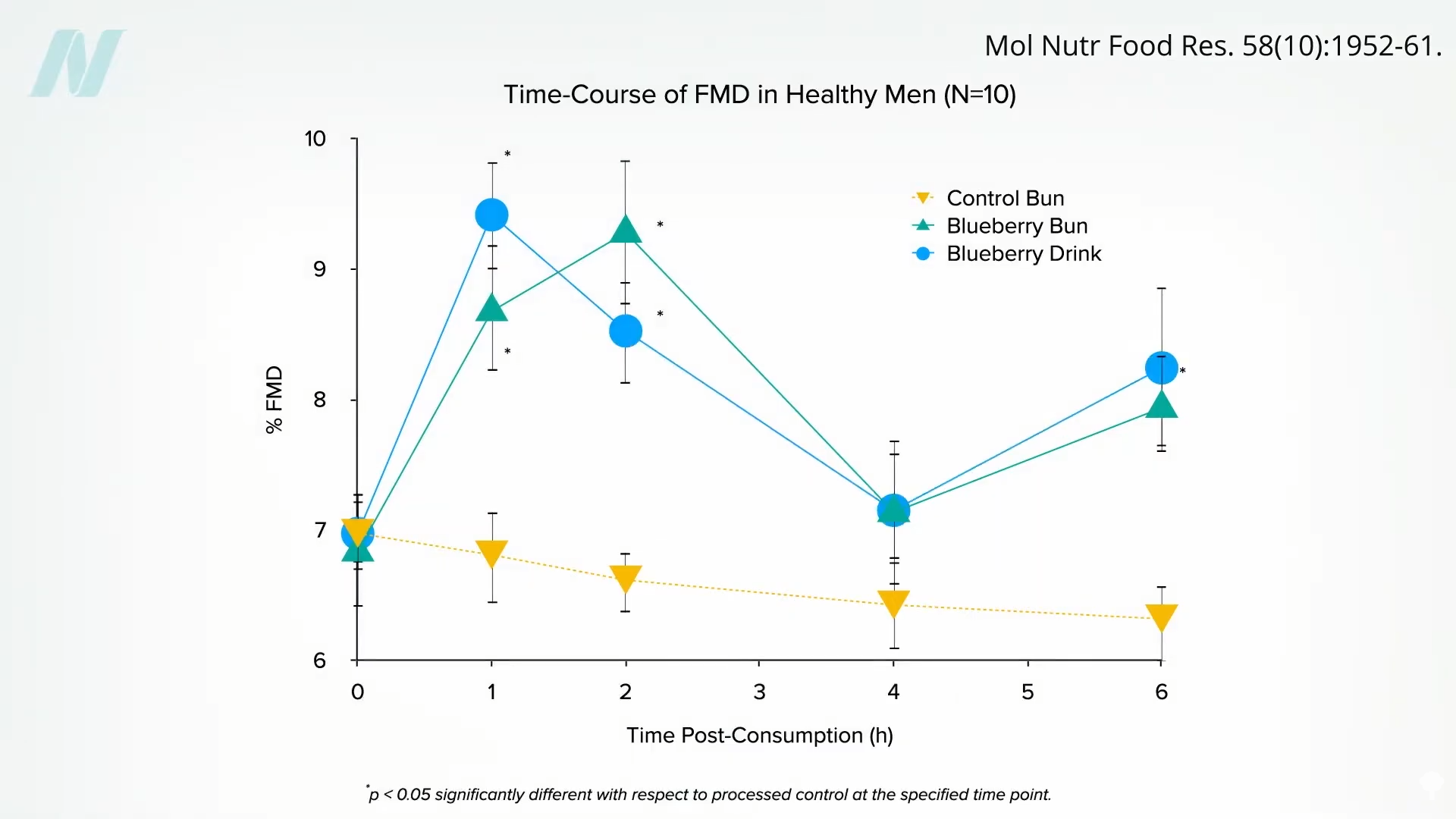
Blueberries, often hailed as a superfood, have demonstrated remarkable capacity to improve artery function. A randomized, controlled crossover trial investigated the effects of cooked blueberries, raw blueberries, or no blueberries when consumed with an "unhealthy" meal. Participants were given buns made from white flour, eggs, butter, and salt, heavily loaded with sugar and eggs. As expected, this meal led to a gradual drop in artery function over the next six hours.
However, when the equivalent of a cup of wild blueberries was added to the same bun, a significant boost in artery function was observed. The blueberries effectively neutralized the detrimental effects of the bun, almost as if they had been consumed alone with water. This demonstrates the immediate and powerful protective effect of blueberries, even when paired with a meal that would otherwise impair vascular health.
Açaí and Raspberries: Sustained Benefits
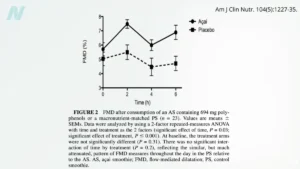
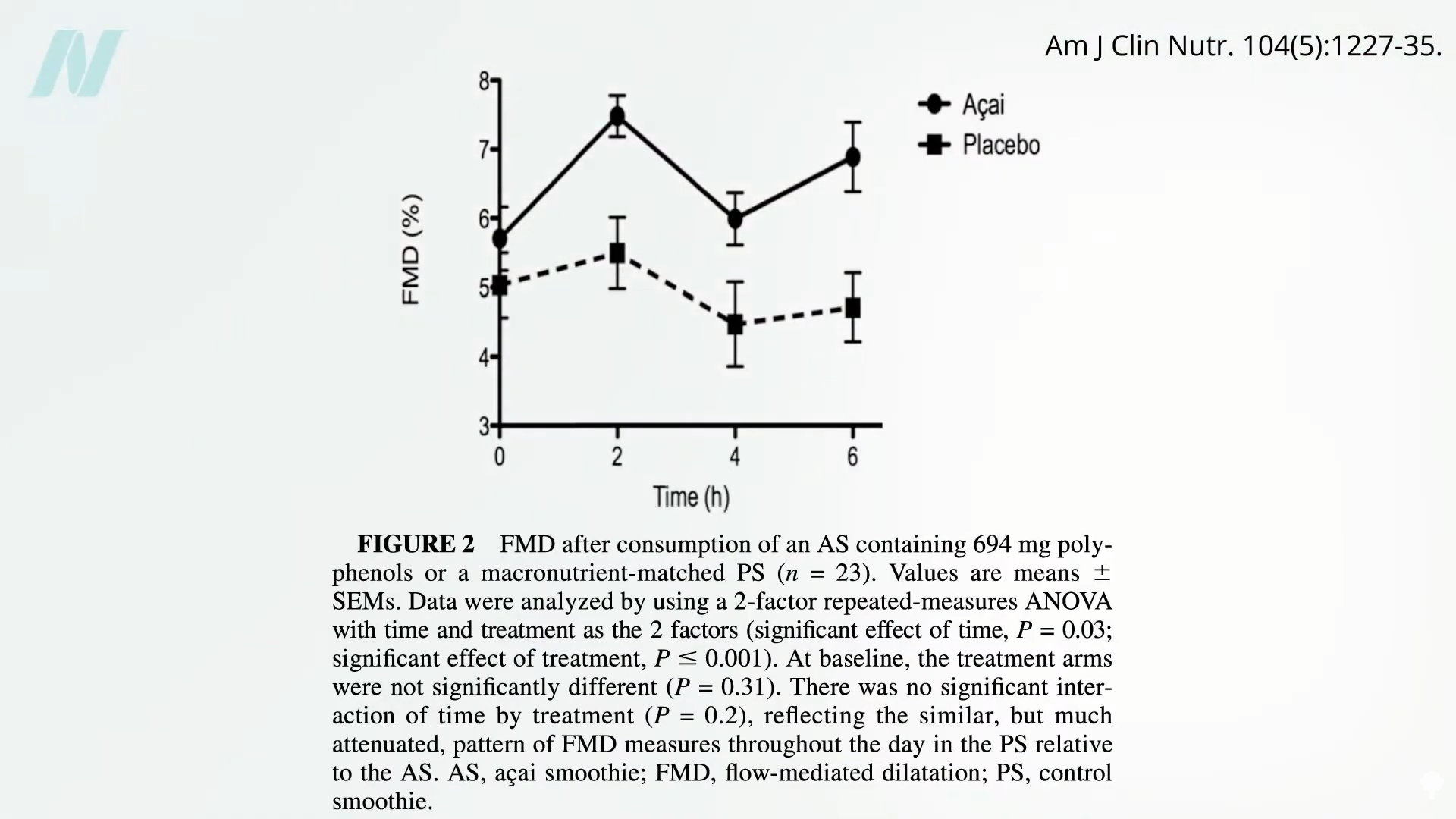
The exploration of berries extends to açaí and raspberries. In a study involving açaí berries, a smoothie made from one and a half frozen açaí smoothie packs blended with half a small banana in water significantly rehabilitated arterial function when compared to a control smoothie (banana and water, artificially colored). This suggests that açaí, like blueberries, possesses compounds that actively restore vascular health.
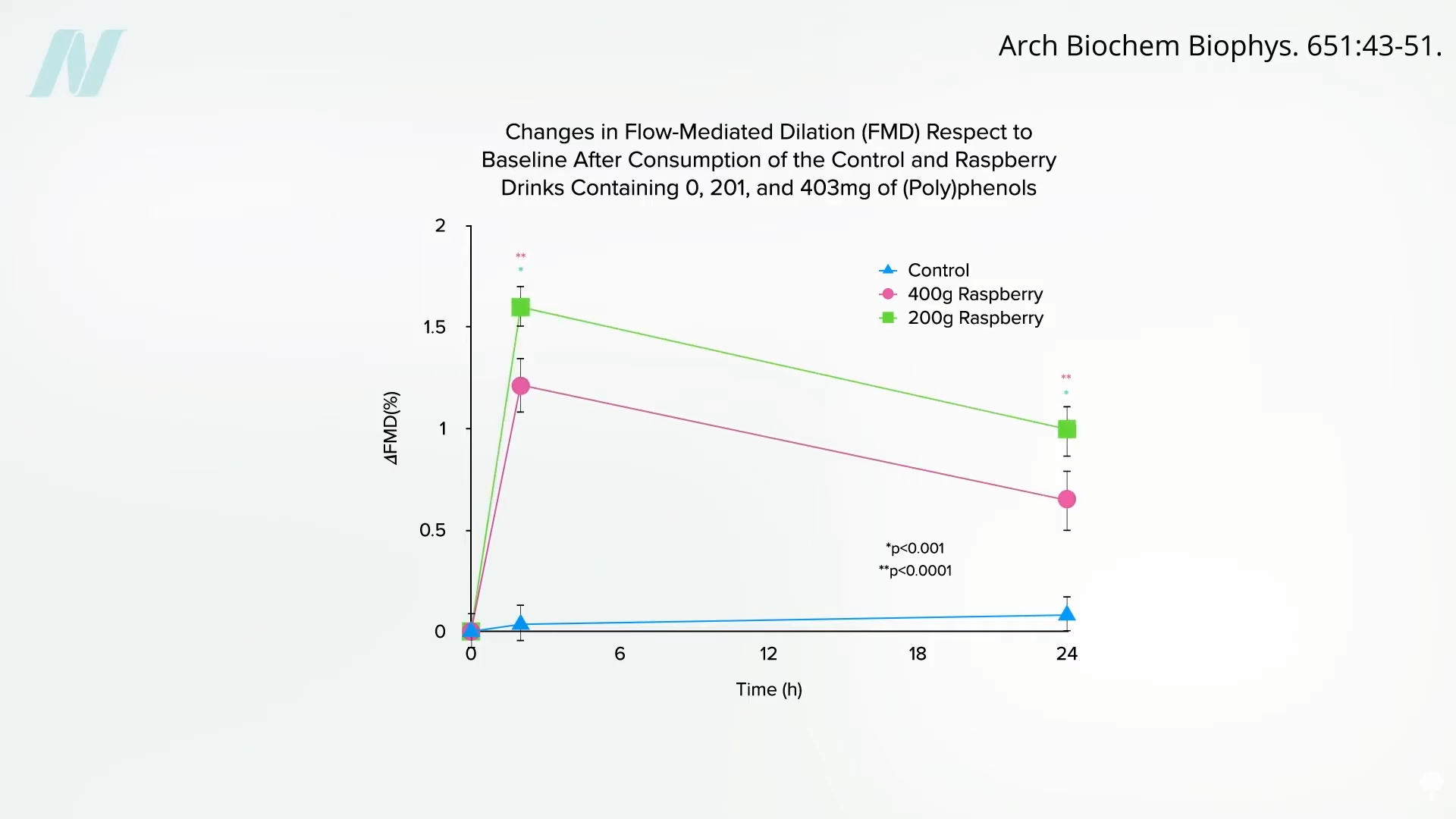
Raspberries have also been subjected to rigorous testing. A double-blind, randomized, controlled trial examined the effects of frozen red raspberries (in doses of approximately ¾ cup or 1½ cups, blended with water) versus a placebo drink designed to match color and taste. The placebo had no effect, but both raspberry doses improved artery function at both 2 hours and 24 hours post-consumption. Interestingly, the ¾ cup dose proved as effective as the 1½ cup dose, indicating a plateau of benefits after a certain amount, similar to observations with blueberries.
These findings suggest that "dietarily achievable amounts of red raspberries acutely improve" artery function for up to 24 hours. While an individual’s arterial function might only show a modest 1% improvement by the end of the day, this seemingly small change has significant population-level implications. Each 1% increase in artery function is associated with a remarkable 12% reduction in the risk of a major cardiovascular event, such as a heart attack or stroke. This underscores the cumulative power of small, consistent dietary improvements.
Cranberry Juice: A Dose-Dependent Effect
The benefits of berries also extend to their juice forms, albeit with important caveats regarding processing and sugar content. Researchers tested five different concentrations of cranberry juice against a placebo, which was indistinguishable in color and taste. The 25% cranberry juice drink provided a small but measurable bump in artery function at two hours. The 50% juice demonstrated sustained benefits, still working eight hours later. Higher concentrations (75%, nearly pure juice, and ultraconcentrated juice) also improved artery function within hours of consumption.
However, it’s crucial to note that this study, like the initial raspberry study, involved consuming the berries or juice alone, not in conjunction with an artery-crushing meal. This distinction is vital when considering the practical application of these findings.
The Limits of Mitigation: When "Healthy" Drinks Fall Short
While the protective power of whole plant foods like walnuts and berries is evident, there are clear limitations to their ability to counteract truly detrimental meals. Not all supposedly "healthy" additions can undo the damage of poor dietary choices, and some might even exacerbate issues.
Mixed Berries and the High-Fat Challenge
One study attempted to test a comprehensive berry cocktail – a blend of grapes, blueberries, strawberries, lingonberries, and black aronia berries – against the artery dysfunction caused by a high-fat meal. Unfortunately, this potent mix of berries showed no significant change in arterial function after the high-fat meal. While consuming these berries alone would likely improve artery function, their combined power was insufficient to overcome the immediate negative impact of a heavy, high-fat challenge. This suggests that while berries can mitigate some damage, they cannot entirely neutralize the most extreme dietary insults.
The Surprising Downside of Orange Juice
Further illustrating the limitations of mitigation, another study investigated the effects of drinking common beverages with a high-fat meal. Participants consumed ham and cheese croissants along with either water, orange juice, green tea, or red wine. Disappointingly, neither orange juice, green tea, nor red wine offered any protection against the arterial impairment induced by the croissants. The overall conclusion was clear: it’s best to avoid ham and cheese croissants altogether.
More concerningly, drinking orange juice with a fatty meal could actually worsen things. When participants were given bacon and cheese muffins with or without orange juice, researchers found that the orange juice led to a longer period of elevated fat levels in the blood. This counterintuitive effect is likely due to the rapidly absorbed free sugars in juice, which are not encased in cell walls as they are in whole fruit. The body prioritizes burning these readily available sugars for energy, potentially delaying the processing and clearance of dietary fats, thus prolonging their detrimental effects on the vascular system. This underscores a critical difference between whole fruits and fruit juices, particularly when consumed alongside other unhealthy foods.
Broader Implications for Cardiovascular Health
The cumulative evidence from these studies paints a clear picture: a predominantly plant-based diet offers superior protection for arterial health. The long-term benefits observed in vegetarians, coupled with the acute protective effects of specific whole plant foods like walnuts and berries, highlight the profound influence of dietary choices on our cardiovascular system.
These findings have significant implications for public health. While individual efforts to mitigate the damage of occasional unhealthy meals are valuable, the overarching message remains the importance of a consistently healthy dietary pattern. The ability of certain plant foods to improve endothelial function, even transiently, suggests that incorporating them regularly can contribute to a more resilient and healthy vascular system over time. This resilience is crucial in preventing the progression of atherosclerosis, the underlying cause of most heart attacks and strokes.
The research also underscores the importance of food synergy. It’s not just about isolated nutrients but the complex interplay of thousands of compounds found in whole plant foods. The polyphenols, fiber, healthy fats, and antioxidants in nuts and berries work in concert to promote vascular health, often in ways that single supplements cannot replicate.
Expert Insights and Dietary Recommendations
Leading nutritionists and public health experts would interpret these findings as a strong endorsement for dietary patterns rich in whole, unprocessed plant foods. While the idea of "mitigating damage" is appealing, it should not overshadow the primary goal of preventing damage in the first place.
Key takeaways and recommendations based on this research would include:
- Prioritize Whole Plant Foods: Emphasize a diet abundant in fruits, vegetables, whole grains, legumes, nuts, and seeds. These foods inherently protect arterial function and reduce the risk of cardiovascular disease.
- Limit Animal Fats and Processed Foods: The detrimental effects of animal fat, particularly saturated fat found in fast food and processed meats, are clear. Reducing consumption of these items is critical for vascular health.
- Embrace Walnuts and Berries: Regularly incorporating walnuts and a variety of berries (blueberries, raspberries, açaí, cranberries) into the diet can provide significant protective benefits for arteries, even offering some mitigation against less healthy choices. Aim for at least a cup of berries daily.
- Choose Whole Fruit Over Juice: While some berry juices show benefits when consumed alone, whole fruit is generally preferred due to its fiber content and the absence of rapidly absorbed free sugars, especially when consumed with fatty meals.
- Prevention is Key: While certain plant foods can offer a degree of immediate protection, they are not a "get out of jail free card" for consistently unhealthy eating. A foundational diet focused on whole, unprocessed foods remains the most effective strategy for long-term cardiovascular health.
- Holistic Lifestyle: Remember that diet is one component of a healthy lifestyle. Regular physical activity, avoiding smoking, and managing stress also play crucial roles in maintaining arterial function and overall well-being.
Conclusion: Prioritizing Prevention Over Patchwork Solutions
The quest to find dietary "antidotes" to unhealthy meals reveals both the remarkable resilience of the human body and the powerful protective capabilities of specific plant foods. Walnuts and various berries stand out as potent allies, capable of acutely improving or rehabilitating arterial function, even in the face of some dietary challenges. The sustained benefits observed in vegetarians further underscore the transformative power of a plant-centric lifestyle on long-term vascular health.
However, the research also establishes clear limitations. No amount of berries or nuts can fully negate the chronic damage inflicted by a consistently poor diet, nor can they always overcome the immediate arterial dysfunction caused by extremely unhealthy meals. The failure of mixed berry juice and common beverages like orange juice to counter high-fat meals serves as a stark reminder that while mitigation strategies exist, they are not foolproof.
Ultimately, the most effective strategy for maintaining optimal arterial health and preventing cardiovascular disease remains a proactive one: consistently choosing a diet rich in whole, unprocessed plant foods. While it’s reassuring to know that nature provides some powerful buffers, relying on them as a license for unhealthy indulgence misses the broader, more critical message: cultivate a diet that intrinsically promotes health, rather than constantly seeking patchwork solutions to repair damage. As the scientific evidence mounts, the call to nourish our arteries with the best nature has to offer grows ever clearer.