The Silent Victory: How Public Health Conquered Trans Fats and Redefined Food Regulation
Main Facts
The public health community’s triumph in banning trans fats stands as a pivotal moment in the ongoing battle for safer food systems. For decades, attempts to regulate the powerful food industry often met with insurmountable resistance, leaving consumers vulnerable to ingredients with proven health risks. Yet, the fight against trans fats, a silent killer linked to tens of thousands of deaths annually, culminated in a resounding success, first in pioneering nations like Denmark, and eventually across the United States. This victory wasn’t merely a testament to scientific consensus but a masterclass in strategic public health intervention, demonstrating how a phased approach—moving from informing consumers to nudging producers, and ultimately to direct regulatory action—can overcome entrenched opposition.
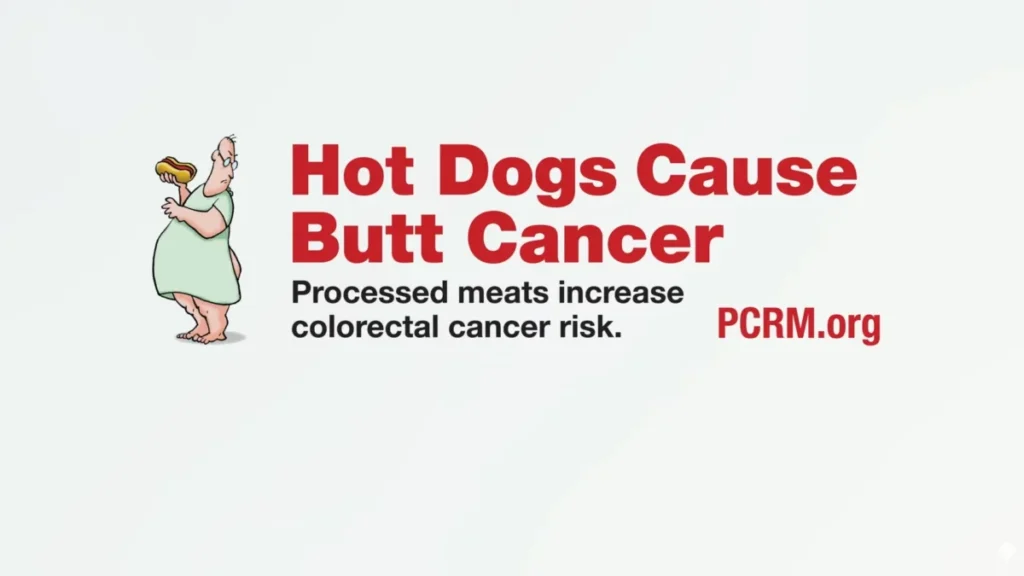
Traditionally, public health initiatives aimed at mitigating the ruin of risky choices have employed three broad approaches: informing people through labeling and public education campaigns; nudging behavior through incentives or default options; or directly intervening to make an activity inherently less harmful. Consider the realm of car safety: did mandating driver education, labeling cars about crash risk, or installing airbags prevent more fatalities? While all play a role, direct intervention, like the ubiquitous airbag, fundamentally alters the risk landscape, removing the human element of choice and error from the equation. Similarly, in nutrition, campaigns range from "sugar pack" ads revealing the hidden sugars in soft drinks to stark billboards linking processed meats to colorectal cancer. These efforts aim to inform and educate, empowering individuals to make healthier choices.
However, the trans fat saga revealed a critical insight: informing consumers, while essential, is often insufficient when the food supply itself is saturated with harmful ingredients, and industry interests are aligned against change. The fundamental question became: could products be made nutritionally safer from the outset, rather than relying solely on consumer vigilance? The answer, as the trans fat ban profoundly demonstrated, was a resounding yes, achieved through a unique pathway that ultimately forced a systemic shift in food manufacturing.
A Decade of Danger: The Chronology of Trans Fat Regulation
The story of trans fats is one of delayed recognition, scientific clarity, and a hard-won regulatory battle that spanned continents and decades.
Early Warnings and Danish Leadership
The scientific alarm bells began ringing definitively in 1993, when the seminal Harvard Nurses’ Study published findings that linked high intake of trans fatty acids to a staggering 50% increase in the risk of heart disease. This wasn’t merely a correlation; it was a clear indictment of a ubiquitous ingredient in processed foods, margarines, and fried items, created through the partial hydrogenation of vegetable oils to improve texture, shelf life, and flavor stability. The study provided unequivocal evidence that trans fats were not just unhealthy, but actively dangerous, elevating "bad" low-density lipoprotein (LDL) cholesterol while simultaneously lowering "good" high-density lipoprotein (HDL) cholesterol – a deadly combination for cardiovascular health.
Armed with this compelling evidence, Denmark emerged as a global pioneer in public health. Unlike many nations that hesitated, Denmark moved swiftly and decisively. A decade after the Harvard study, in 2003, the Danish government implemented a groundbreaking ban on added trans fats, limiting their content in oils and fats to no more than 2% of the total fat. This wasn’t a recommendation or a labeling initiative; it was a direct, forceful intervention that reshaped the nation’s food supply. As a leading Danish cardiologist succinctly put it, "Instead of warning consumers about trans fats and telling them what they are, we’ve [the Danes] simply removed them." This proactive stance positioned Denmark at the forefront of preventative health policy, demonstrating that government intervention could effectively protect its citizens from a known dietary hazard.
The American Struggle: From Labeling to Legislation
The contrast with the United States could not have been starker. While Denmark was enacting its ban, the US was still mired in debate, its regulatory wheels turning at a glacial pace. It took another ten years – a full two decades after the initial scientific findings – before the United States even began to seriously consider a nationwide ban. All the while, trans fats continued their silent assault on American health, estimated to be killing tens of thousands of Americans every year. This prolonged exposure resulted in an equivalent loss of healthy life years comparable to devastating diseases like meningitis, cervical cancer, and multiple sclerosis. The question loomed large: why, in the face of such overwhelming evidence and human cost, did it take so long for the US to even contemplate action?
The fight over New York City’s trans fat ban offers a compelling microcosm of the national debate and the formidable opposition faced by public health advocates. In 2006, New York City, under the leadership of Mayor Michael Bloomberg and Health Commissioner Thomas Frieden, proposed a ban on artificial trans fats in restaurants. This bold move immediately ignited a fierce backlash from the food industry. Opponents decried it as "government intrusion," labeling the city a "nanny state" and invoking hyperbolic terms like "the rise of food fascism." The Institute of Shortening and Edible Oils, alongside segments of the livestock industry (which pointed to naturally occurring trans fats in meat and dairy), argued vehemently for the "everything in moderation" philosophy, attempting to normalize the consumption of these dangerous fats.
However, a critical turning point arrived not with an outright ban, but with a mandatory labeling requirement. In 2006, the Food and Drug Administration (FDA) mandated that food manufacturers declare trans fat content on nutrition labels. Ostensibly, this was an "inform" strategy, designed to empower consumers. Yet, its most profound impact was on producers. Forced to divulge the truth, companies found themselves in a new competitive landscape. Suddenly, "no trans fat" became a powerful marketing advantage, prompting a scramble for product reformulation. Within years, thousands of products were introduced touting their low or zero trans fat content. Even major fast-food chains like Kentucky Fried Chicken, once sued for high trans fat levels, pivoted to aggressive ad campaigns celebrating their trans fat-free status. This voluntary (albeit market-driven) reformulation by major industry players significantly weakened the economic argument against a ban. Once the financial stakes were lowered, and much of the industry had already adapted, the political will to block a nationwide ban diminished. This strategic shift paved the way for the FDA’s final determination in 2015 that partially hydrogenated oils (the primary source of artificial trans fats) were no longer "generally recognized as safe," effectively leading to a phased ban that came into full effect in 2018.
The Scientific Imperative and Supporting Data
The journey to the trans fat ban was underpinned by an undeniable body of scientific evidence, progressively clarifying the grave dangers posed by these artificial fats and demonstrating the tangible benefits of their removal.
The Silent Killer: Understanding Trans Fats
Artificial trans fats, primarily found in partially hydrogenated oils, are a byproduct of an industrial process designed to make liquid vegetable oils more solid and extend shelf life. This seemingly benign modification had devastating biological consequences. Unlike natural fats, artificial trans fats are metabolic disruptors. Their unique molecular structure interferes with the body’s ability to process lipids effectively. The primary mechanism of harm involves their detrimental effect on cholesterol levels: they simultaneously increase low-density lipoprotein (LDL) cholesterol – often referred to as "bad" cholesterol – and decrease high-density lipoprotein (HDL) cholesterol – the "good" cholesterol. This dual assault significantly elevates the risk of atherosclerosis, where plaque builds up in the arteries, leading to heart attacks and strokes.
The scale of this harm was staggering. Epidemiological studies consistently demonstrated that even small amounts of trans fat intake could substantially increase cardiovascular risk. Estimates suggested that artificial trans fats were responsible for an estimated tens of thousands of premature deaths in the United States alone each year. Beyond mortality, the consumption of trans fats contributed to a significant burden of morbidity, leading to countless years of healthy life lost to chronic conditions. This wasn’t merely a theoretical risk; it was a quantifiable, preventable public health crisis demanding decisive action.
Evidence of Impact: New York City’s Precedent
New York City’s bold move to ban trans fats in restaurants served as a critical real-world laboratory, providing compelling evidence of the ban’s effectiveness even before nationwide implementation. The city, known for its progressive public health policies (having banned lead paint 18 years before federal action despite decades of clear evidence), was uniquely positioned to lead this charge.
Researchers meticulously compared stroke and heart attack rates in New York counties that implemented the trans fat ban with those that did not. The findings were unequivocal and profoundly impactful. Studies published in reputable medical journals estimated that the ban successfully reduced cardiovascular death rates by approximately 5%. This statistically significant reduction translated into thousands of lives saved and a substantial decrease in preventable cardiovascular events. The New York City experience provided concrete, empirical data, transforming the theoretical benefits of a ban into a demonstrable public health achievement. It underscored that direct intervention, far from being an overreach, was a highly effective tool for improving population health. This success story not only vindicated the city’s health officials but also became a powerful model, providing the impetus and evidence base for the eventual nationwide ban.
Global Context and Health Outcomes
The scientific consensus on the dangers of trans fats was not confined to the US; it was a global phenomenon. Following Denmark’s lead, other nations and jurisdictions, including Iceland, Switzerland, Austria, and parts of Canada, implemented their own restrictions. The World Health Organization (WHO) launched its REPLACE action package in 2018, urging all countries to eliminate industrially produced trans fats from the food supply by 2023, recognizing them as a "toxic chemical" that has "no known health benefit and is a massive health risk."

The collective experience from these pioneering regions consistently mirrored New York City’s findings. Studies from countries with trans fat restrictions reported reductions in cardiovascular disease incidence and mortality. This global harmonization of scientific understanding and policy action solidified the argument that the elimination of artificial trans fats was not just beneficial but a necessary public health imperative, setting a precedent for future efforts to tackle harmful food ingredients on a global scale.
The Battleground: Official Responses and Industry Resistance
The path to the trans fat ban was not a smooth one; it was fraught with intense opposition from powerful industry lobbies, who deployed a predictable arsenal of arguments to protect their economic interests.
Industry’s Defensive Posture
From the moment the idea of restricting trans fats gained traction, the food industry mounted a vigorous defense. Their arguments were multifaceted, designed to sow doubt, evoke fear, and frame regulatory efforts as an infringement on personal liberty.
One of the most common refrains was the accusation of "government intrusion" and the pejorative labeling of public health initiatives as characteristic of a "nanny state." This rhetoric aimed to portray health officials as overzealous bureaucrats dictating personal choices, thereby undermining public trust in government action. Critics went as far as to style such proposals as the "rise of food fascism," invoking emotionally charged language to equate public health measures with authoritarian control.
Another key argument, particularly from segments of the livestock industry, was the "everything in moderation" philosophy. This argument was often conflated with the fact that trans fats can be naturally found in small amounts in meat and dairy products. By suggesting that all foods, including those with artificial trans fats, could be consumed responsibly in moderation, the industry attempted to deflect attention from the systemic problem of widely fouling the food supply with dangerous, industrially produced fats. This approach subtly shifted the blame from manufacturers to consumers, implying that health issues stemmed from individual overconsumption rather than the inherent toxicity of the ingredient itself.
Perhaps the most potent and oft-repeated tactic was the "slippery slope" argument. Opponents warned that if "food zealots" were allowed to ban trans fats, what would be next? This tactic aimed to create alarm by suggesting that today’s ban on a clearly harmful substance would inevitably lead to tomorrow’s ban on benign or even healthy foods. This argument famously found its way into a Supreme Court case concerning Obamacare, where Chief Justice John Roberts mused about Congress "ordering everyone to buy vegetables," a fear Justice Ruth Bader Ginsburg wryly dubbed "the broccoli horror." While Justice Ginsburg acknowledged that, technically, Congress could compel Americans to eat more plant-based foods, she dismissed such hypothetical and unreal possibilities as not credible reasons to oppose legislation. As one legal scholar wisely observed, "Judges and lawyers live on the slippery slope of analogies; they are not supposed to ski it to the bottom." These "what if the government tries to make us eat broccoli?!" arguments were, in essence, a distraction, designed to divert attention from the very real and immediate fact that people were suffering and dying from preventable exposure to trans fats. They capitalized on a libertarian streak in American culture, framing public health as an attack on individual freedom rather than a collective effort to ensure basic safety.
Public Health Advocacy and Political Will
Despite the formidable industry opposition, public health advocates tirelessly championed the ban, armed with robust scientific evidence and a clear moral imperative. They countered the "nanny state" rhetoric by highlighting that the food industry itself was limiting consumer choice by broadly contaminating the food supply with dangerous fats. True choice, they argued, could only exist when safe options were readily available.
The critical shift in political will was not a sudden epiphany but a gradual evolution, significantly accelerated by the mandatory labeling requirement. Once companies were forced to disclose trans fat content, a powerful market dynamic took hold. The race to achieve "no trans fat" status became a competitive advantage, leading to widespread reformulation. When many major food industry players had already removed trans fats from their products and even bragged about it in advertising, the economic incentive to oppose a ban dramatically diminished. The ban, once a radical proposal, became a logical conclusion for an industry that had largely already adapted. This ingenious, albeit perhaps unintended, consequence of labeling effectively disarmed much of the industry’s political opposition, paving the way for the ultimate regulatory intervention. The debate shifted from whether to remove trans fats to how best to formalize their removal, transforming a "choice" paradigm into a "safety" paradigm where the default was healthy, not harmful.
Lasting Implications and Future Challenges
The trans fat ban represents a monumental achievement in public health, offering invaluable lessons for future endeavors to create healthier food environments.
A Blueprint for Public Health Triumph
The success of the trans fat ban provides a compelling blueprint for how public health initiatives can triumph over powerful industry resistance. It underscores the importance of a strategic, multi-stage approach. Initial scientific findings, followed by robust public information campaigns and mandatory labeling, served to raise awareness and create market pressure. This "inform" and "nudge" strategy inadvertently led to widespread industry reformulation, significantly weakening the economic and political arguments against a direct regulatory "intervention." This phased approach allowed for a transition where the industry adapted before the final hammer of a ban fell, making the ultimate regulation less disruptive and more palatable.
The trans fat victory also highlights the power of consumer information to drive producer change. While individual consumer choices alone might not eliminate a harmful ingredient, collective awareness, amplified by mandatory disclosure, can create a powerful competitive dynamic among manufacturers. This can lead to a virtuous cycle where companies, seeking a market advantage, voluntarily improve their products, thereby building momentum for broader regulatory action.
The Unfinished Business: Addressing Ultra-Processed Foods
It is crucial to note, as the "Doctor’s Note" reminds us, that the trans fat ban specifically targeted industrially produced artificial trans fats, primarily from partially hydrogenated oils. It did not affect the small amounts of naturally occurring trans fats found in meat and dairy products. While these natural trans fats are present in much lower concentrations and their health impact is still debated, their exclusion from the ban underscores the specific focus on industrially modified ingredients.
However, the triumph over trans fats is but one battle in a much larger war against unhealthy food. The food supply remains dominated by ultra-processed junk foods laden with excessive sugar, unhealthy fats, and sodium. These products, often designed for maximum palatability and addiction, continue to drive epidemics of obesity, type 2 diabetes, and cardiovascular disease. The challenge of regulating these complex food matrices is far greater than tackling a single ingredient like trans fats. As the article hints at, simple calorie labeling on menus, another "inform" strategy, has shown limited effectiveness in shifting consumer behavior towards healthier choices. This suggests that for complex issues like ultra-processed foods, a multi-pronged strategy, perhaps combining elements of taxation (nudge), stricter marketing regulations, and even reformulations mandated by public health standards, may be necessary. The question then becomes: what is the next "trans fat" – the next ubiquitous, demonstrably harmful component of our diet that public health must tackle? Is it added sugar, or the overall architecture of ultra-processed foods?
Navigating the "Freedom of Choice" vs. Public Safety Debate
The trans fat debate vividly re-ignited the perennial tension between individual liberty and collective well-being. Critics consistently framed the ban as an assault on "freedom of choice." Yet, public health advocates argue that true freedom of choice is undermined when the market is saturated with products that are deceptively marketed, nutritionally compromised, and systematically harmful. When a significant portion of the food supply is "broadly fouled" with dangerous fats, consumers are not truly free to choose; they are constrained by limited healthy options and often misled by sophisticated, predatory marketing. As the health ethics professor highlighted, the food industry often operates on a "model of systemic dishonesty," making informed choice exceedingly difficult for the average consumer.
The trans fat ban reaffirms the government’s legitimate role in protecting its citizens from systemic harms, especially when information asymmetry and powerful corporate interests prevent individuals from making truly informed and healthy choices. It demonstrated that safeguarding public health is not about eliminating choice, but about ensuring that the choices available are fundamentally safe and conducive to well-being. The victory over trans fats provides a powerful precedent and a renewed mandate for public health bodies to continue innovating and intervening strategically to create a healthier, safer food future for all.