The Hidden Cost of Convenience: Unpacking the Impact of Ultra-Processed Foods
Main Facts
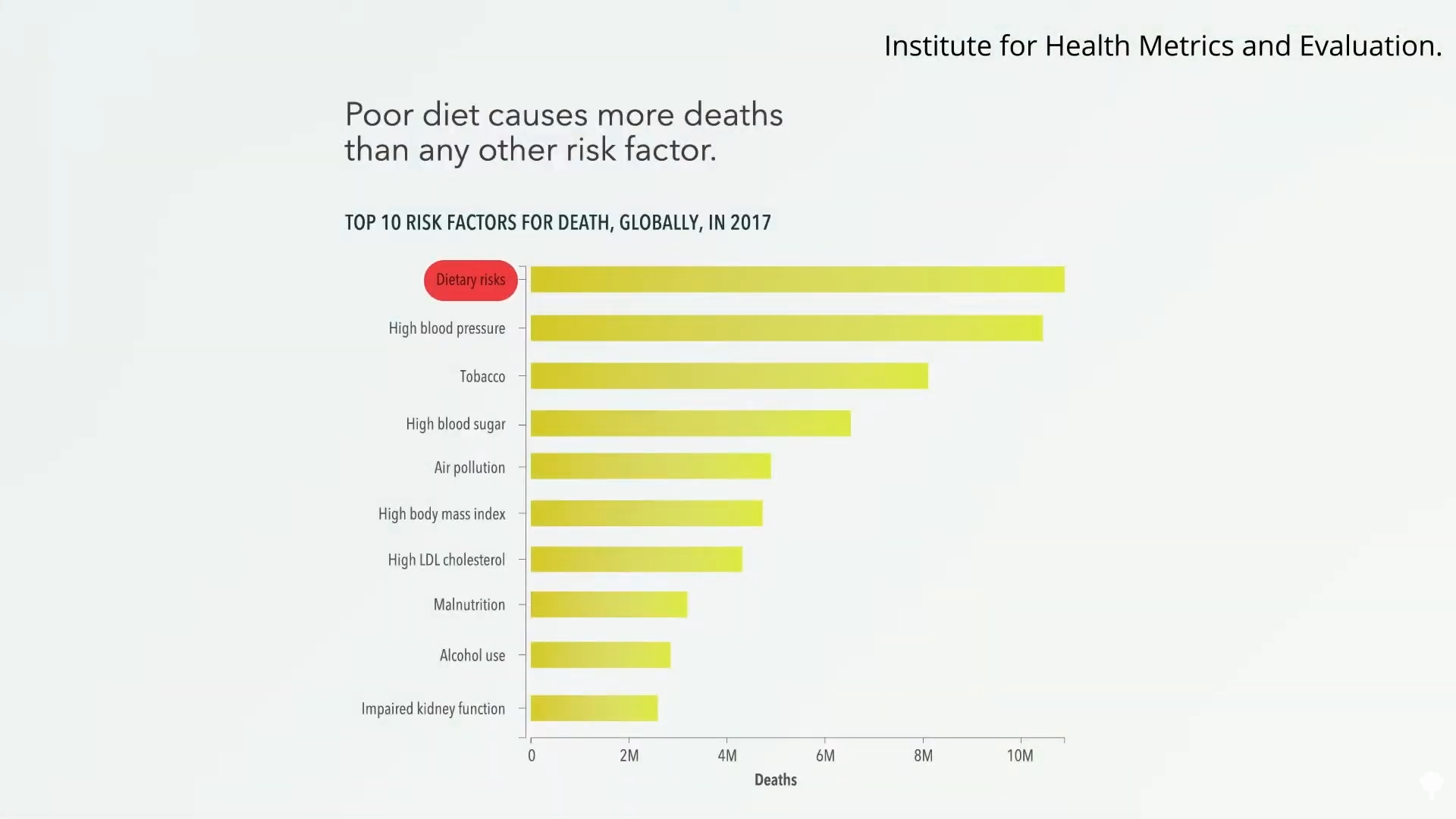
A groundbreaking randomized controlled trial has unveiled a stark truth about ultra-processed foods (UPFs): even when matched for calories, sugar, fat, and fiber, these industrial formulations compel individuals to consume significantly more and lead to weight gain. This pivotal study challenges the long-held belief that nutritional content alone dictates health outcomes, pushing the concept of "junk food" beyond simple nutrient profiles to encompass the very nature of food processing. In an era where UPFs dominate global food supplies, accounting for over 70% of products in the U.S. and more than half of dietary caloric intake in high-income nations, the findings underscore a profound public health crisis. Unhealthy diets, heavily skewed by UPF consumption, are now recognized as humanity’s greatest killer, the leading risk factor for death worldwide.
Chronology: From "Junk" to "Ultra-Processed"
The journey to understanding the detrimental effects of modern diets has evolved considerably. For decades, terms like "junk food" served as a colloquial descriptor for less-healthy items such as candy, ice cream, and chips in countries like the United States. However, this term lacked a precise, scientific definition, making it difficult for researchers and policymakers to effectively categorize and study its impact.
Recognizing this critical gap, nutrition researchers introduced the concept of "ultra-processed food." This classification, notably formalized by the NOVA system, moves beyond individual ingredients to consider the extent of industrial processing. Ultra-processed foods are defined as industrial formulations typically made from inexpensive ingredients, often including derivatives of food substances (e.g., high-fructose corn syrup, hydrogenated oils, protein isolates) and a panoply of additives not commonly found in home kitchens. These additives – flavors, sweeteners, colors, emulsifiers, and thickeners – serve to imitate real foods, enhance palatability, or mask undesirable qualities of the final product.
The rise of ultra-processed foods has been dramatic and pervasive. Over the past few decades, the global food supply has witnessed a significant shift towards these products. In the U.S., for instance, an assessment of over 200,000 food items revealed that a staggering 71% were classified as ultra-processed. This dominance extends beyond grocery store aisles; sugary drinks and processed snacks are now ubiquitous, found in gas stations, chiropractors’ offices, and even bowling alleys, a testament to the food industry’s strategic placement to keep products "within an arm’s reach of desire."
This pervasive availability has coincided with alarming trends in public health. What proportion of food consumed by U.S. children and adolescents is classified as ultra-processed? An unbelievable 56% to 70% of their daily caloric intake falls into this category. Across the entire U.S. population, more than half of calories come from UPFs. This global phenomenon is not limited to America; around the world, ultra-processed foods consistently account for over 50% of dietary caloric intake in higher-income countries.
This dietary landscape has contributed to the recognition of binge eating as a distinct eating disorder, which has grown to become the most common form of eating disorder. Unsurprisingly, studies have found that foods associated with binge eating are almost exclusively ultra-processed. These foods are expertly engineered to be hyper-palatable, stimulating consumption beyond satiety cues – a stark contrast to whole foods like broccoli, which rarely induce binge behavior.
Supporting Data: The Unhealthy Reality
The scientific evidence linking ultra-processed foods to adverse health outcomes is robust and rapidly accumulating. While initial findings were largely based on observational studies, which could only establish associations, the consistent pattern of harm across numerous investigations painted a concerning picture.
Animal studies, particularly those involving rats, have shed light on the biological effects of modern diets dominated by UPFs. These studies show that animals fed ultra-processed diets gorge themselves, leading to dramatic weight gain, systemic inflammation, and a range of cognitive and metabolic abnormalities. These preclinical findings underscore the powerful physiological impact of these foods beyond simple calorie counts.
In humans, approximately 9 out of 10 observational studies have found a significant association between higher ultra-processed food consumption and a wide array of negative health outcomes. These include, but are not limited to:
- Obesity: The most obvious and well-documented link, as UPFs are often calorie-dense and promote overconsumption.
- Cardiovascular Diseases: Increased risk of heart attacks, strokes, and related conditions, likely due to high levels of unhealthy fats, sugars, and sodium.
- Type 2 Diabetes: Elevated risk due to rapid blood sugar spikes and insulin resistance caused by refined carbohydrates and sugars.
- Cancer: Associations with various types of cancer, potentially linked to inflammatory ingredients, additives, and the overall unhealthy dietary pattern.
- Irritable Bowel Syndrome (IBS): The emulsifiers and other additives in UPFs can disrupt gut microbiota and compromise gut barrier function.
- Depression: Emerging evidence suggests a link between UPF consumption and mental health issues, possibly mediated by inflammation and gut-brain axis disruption.
- Frailty: Increased risk of physical weakness and vulnerability in older adults.
- All-cause Mortality: Consistently associated with a shorter lifespan.
Studies focusing specifically on youth have added asthma and higher rates of DNA damage to this alarming list, indicating that the impact of UPFs begins early in life. Critically, not a single study has reported a link between ultra-processed foods and beneficial health outcomes. This stark absence of positive findings stands in sharp contrast to populations consuming minimally processed diets rich in whole foods and fiber, which consistently exhibit lower rates of chronic diseases, reduced obesity, and extended disease-free lifespans.

The Landmark Randomized Controlled Trial
While observational studies provide strong correlations, the gold standard for establishing causality in nutrition research is the randomized controlled trial (RCT). The scientific community eagerly awaited such a trial to definitively test the hypothesis that ultra-processing itself, beyond nutrient content, contributes to poor health.
In a pioneering study, researchers conducted the first-ever randomized controlled trial on ultra-processed foods. Twenty participants were housed in a hospital ward, allowing for meticulous control over their diets. They were randomly assigned to consume either an ultra-processed diet or an unprocessed diet for 14 days, followed by a switch to the alternative diet for another 14 days.
The crucial design element of this trial was that both diets were carefully crafted to provide identical amounts of calories, sugar, fat, fiber, and macronutrients (carbohydrates and protein). This deliberate matching aimed to isolate the effect of processing itself, rather than simply comparing a "healthy" diet to an "unhealthy" one based on nutrient profiles. This was a direct response to the food industry’s proposal of "reformulating" their products – for instance, adding fiber or reducing sugar – while keeping them ultra-processed. Researchers wanted to determine if such tweaks would truly make a difference.
To illustrate the dietary contrast:
-
Ultra-processed breakfast: Cheerios with milk and a muffin, or an egg and cheese muffin with turkey bacon and orange juice.
-
Unprocessed breakfast: Oatmeal with blueberries and almonds, or a yogurt parfait with fruit and nuts.
-
Ultra-processed lunch: A turkey sandwich with nonfat Greek yogurt, canned peaches, baked potato chips, and sugar-free Crystal Light Lemonade.
-
Unprocessed lunch: A Southwest entrée salad with black beans, carrots, corn, avocados, and nuts, along with grapes and apples.
Participants were offered the same number of calories for each meal but were instructed to eat as much or as little as they desired. The results were unequivocal and startling. On the ultra-processed diet, participants spontaneously consumed approximately 500 more calories per day compared to when they were on the unprocessed diet. Unsurprisingly, this led to an average weight gain of about two pounds during the ultra-processed diet phase, while they actively lost about two pounds during the unprocessed diet phase.
This study conclusively demonstrated that the problem extends far beyond the unbalanced nutrient profile of ultra-processed foods. The physical and chemical characteristics introduced during ultra-processing – such as increased palatability, altered food matrix, faster eating speed, and potentially reduced satiety signals – drive overconsumption, even when macronutrient and fiber content are ostensibly matched.
Official Responses and Industry Implications
The findings of the RCT have profound implications for public health policy and the food industry. For years, the industry has advocated for reformulation as a primary strategy to address health concerns. This "unobtrusive strategy" promises "nutritional improvement without dietary change," suggesting that simply tweaking the sugar, salt, or fat content, or adding a dash of fiber, could render ultra-processed foods healthy. However, the randomized controlled trial directly refuted this notion, showing that such minor adjustments are unlikely to negate the fundamental issues associated with ultra-processing. The study strongly suggests that a more effective approach is to limit the consumption of ultra-processed foods altogether.
The industry’s preference for reformulation is driven by significant economic incentives. Ultra-processed foods are typically made with inexpensive, commodity ingredients, often subsidized by taxpayers (e.g., corn syrup). This allows for substantial corporate profit margins. The food industry generates over a trillion dollars annually. Yet, this profit comes at an immense societal cost. Most healthcare expenditures are directed towards treating chronic diseases like diabetes and heart disease, which are exacerbated by the very foods the industry produces. Some analysts argue that the societal cost in healthcare alone triples the food industry’s annual revenue.
The food industry often argues that, in modern society, it is "unrealistic" to expect people to avoid ultra-processed foods, citing societal time constraints, the difficulties of food preparation, and the perceived convenience of their products. However, critics contend that this narrative echoes decades of propaganda and disinformation campaigns designed to co-opt families and normalize ultra-processed diets. They point out that healthy foods can be incredibly convenient – "those who think healthy foods can’t be convenient have never met an apple."
Dr. Robert Lustig, a prominent voice in the processed food debate, has described processed food as a "failed experiment." While his observation that "one-third of American mothers today don’t even know what real food is or how to cook; they and their children are destined to remain hostages to the processed food industry" has been criticized for its "mother-blaming" tone, his core prescription remains powerful and universally applicable: "There’s only one recourse—real food, which is low in sugar and high in fiber."
Implications: A Call to Action
The implications of the research on ultra-processed foods are far-reaching, demanding a paradigm shift in how we approach diet, public health, and food policy.
Public Health Crisis: The dominance of UPFs in our diets is a major driver of the global chronic disease epidemic. Recognizing unhealthy diets as the leading risk factor for death globally underscores the urgency of addressing this issue. The health consequences – from obesity and diabetes to cancer and mental health disorders – represent a massive burden on individuals, families, and healthcare systems.
Economic Burden: The cycle of cheap, profitable ultra-processed foods leading to costly chronic diseases creates a devastating economic drain. Shifting towards healthier, less-processed diets has the potential to dramatically reduce healthcare expenditures and improve national productivity.
Rethinking Dietary Advice: The RCT on ultra-processed foods demonstrates that simply focusing on calories, sugar, fat, or fiber in isolation is insufficient. The degree of processing itself is a critical factor influencing satiety, consumption patterns, and ultimately, health. This means dietary guidelines need to move beyond nutrient-centric advice to emphasize whole, minimally processed foods.
Empowering Consumers: Education is paramount. Consumers need to understand what ultra-processed foods are, how to identify them, and why limiting their intake is crucial. Simple tools like the "traffic light system" (green for go, yellow for caution, red for stop) can help individuals make healthier choices by categorizing foods based on their processing level and nutritional density. Green light foods, like fruits, vegetables, legumes, and whole grains, should be maximized. Yellow light foods, minimally processed options with some added ingredients, can be consumed in moderation. Red light foods – the ultra-processed category – should be avoided.
Policy and Systemic Change: Addressing the ultra-processed food crisis requires more than individual effort. It demands systemic changes:
- Agricultural Policy Reform: Realigning agricultural subsidies to support the production of whole foods rather than commodity crops used in UPFs.
- Marketing Regulations: Restricting the aggressive marketing of UPFs, particularly to children.
- Food Environment Transformation: Creating environments where healthy, unprocessed foods are accessible, affordable, and convenient for everyone, including in schools, workplaces, and underserved communities (food deserts).
- Culinary Education: Reintroducing cooking skills and nutritional literacy into education systems to empower future generations to prepare real food.
Ultimately, the science is clear: ultra-processed foods, regardless of their "tweaked" nutrient profiles, drive overconsumption and contribute to ill health. The solution lies not in endless reformulation but in a fundamental return to "real food" – whole, unprocessed ingredients that nourish our bodies without the hidden costs of convenience. It’s time to think outside the box of industrial food production and reclaim our plates for health.