The Culinary Comfort Solution: Why Parmesan Noodles Are the Ultimate Family Mealtime Essential
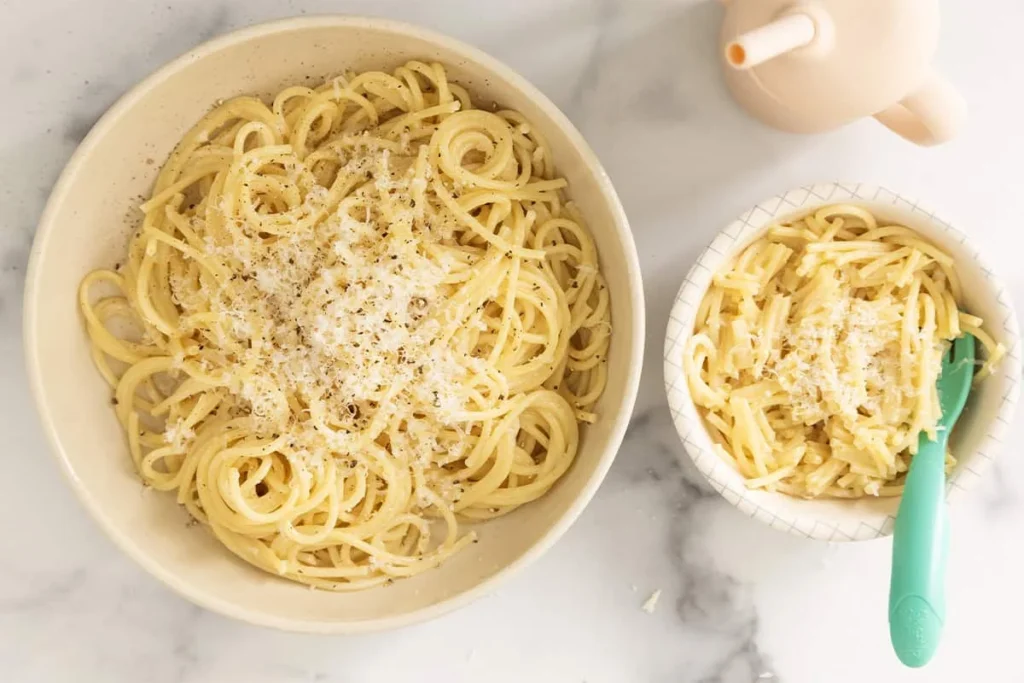
In the fast-paced landscape of modern parenting, the quest for a meal that satisfies both the discerning, often picky palates of young children and the nutritional standards of adults can feel like a perpetual challenge. While simple staples like buttered noodles have long been the fallback for many households, a sophisticated yet accessible evolution has emerged: the Parmesan Noodle. This dish, characterized by its velvety texture and savory depth, has become a culinary cornerstone for families seeking a balance between convenience and comfort.
Main Facts: The Anatomy of a Perfect Bowl
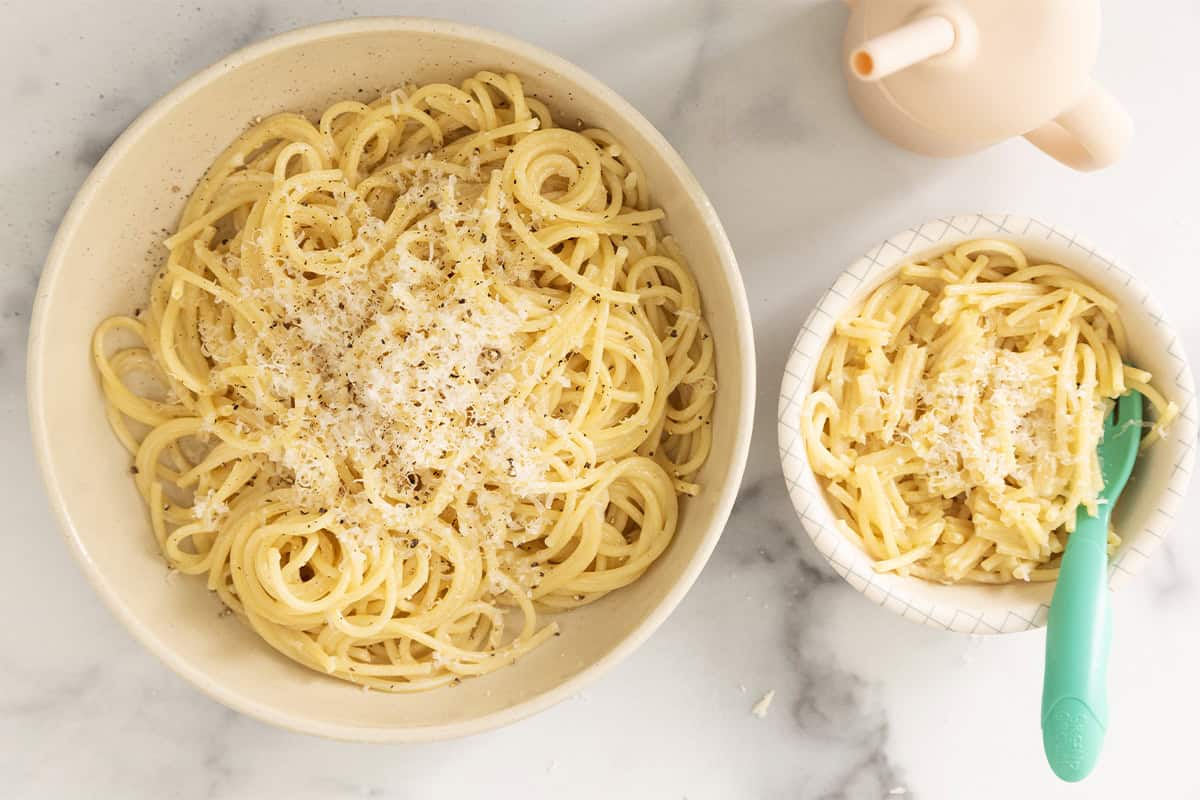
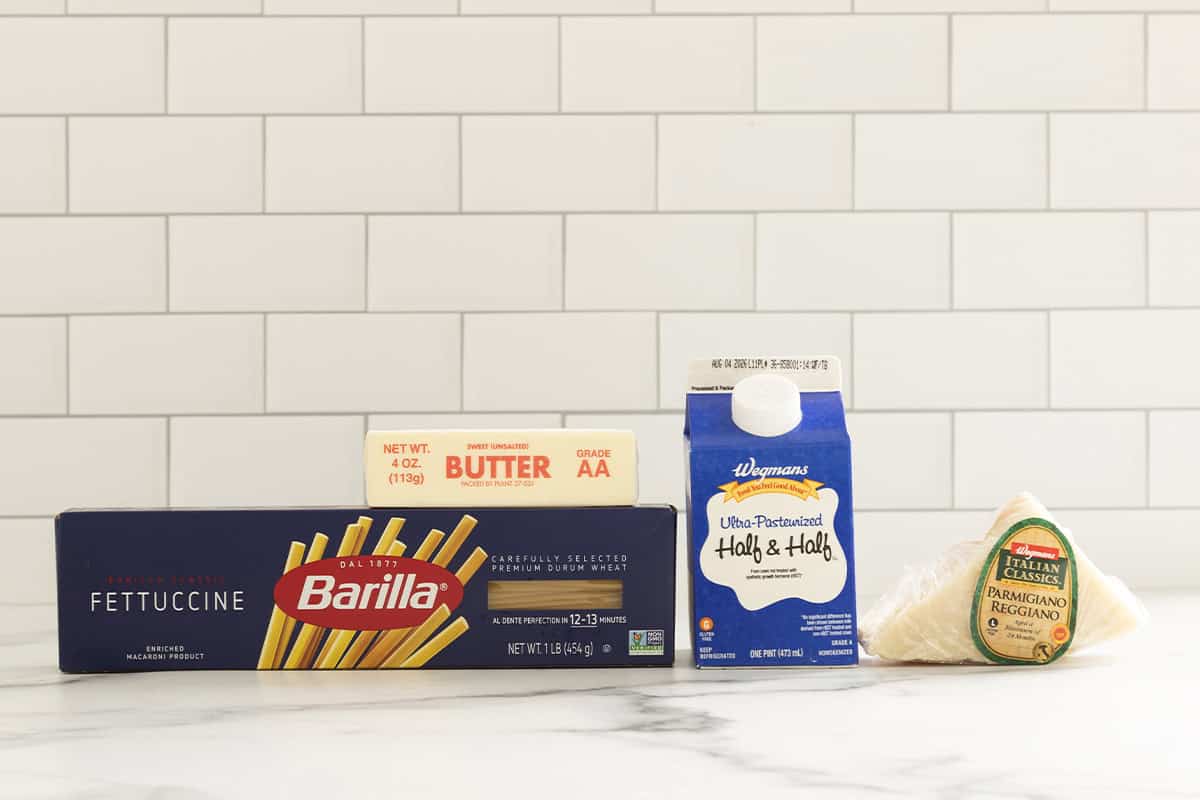
At its core, the Parmesan Noodle recipe is a masterclass in culinary simplicity. It relies on a foundational technique that transforms basic pantry staples into a restaurant-quality experience. The dish consists of al dente pasta—typically a shape that catches sauce well—tossed in a luxurious emulsion of butter, high-quality Parmesan cheese, and a splash of reserved starchy pasta water.
Unlike heavier, flour-based sauces that can become cloying or temperamental, this method creates a silky, light coating that adheres to each strand of pasta. It is a vegetarian-friendly option that provides a blank canvas for nutritional augmentation, allowing parents to fold in proteins like baked chicken, sautéed legumes, or roasted vegetables without overwhelming the flavor profile that children find so comforting.
Chronology: The Evolution from Buttered to Gourmet
For generations, buttered noodles have occupied a specific niche in family dining. They are the "safe" food—the meal that guarantees a full belly regardless of a toddler’s mood. However, the progression toward Parmesan Noodles marks a transition in the domestic culinary timeline.
- The Foundation (The "Butter" Phase): Most families begin with plain noodles tossed in butter and salt. While reliable, this stage offers limited nutritional density and lacks the umami punch that keeps a meal interesting for adults.
- The Introduction of Texture: The evolution begins with the addition of grated Parmesan. The interaction between the fat in the butter and the proteins in the cheese creates a natural emulsification.
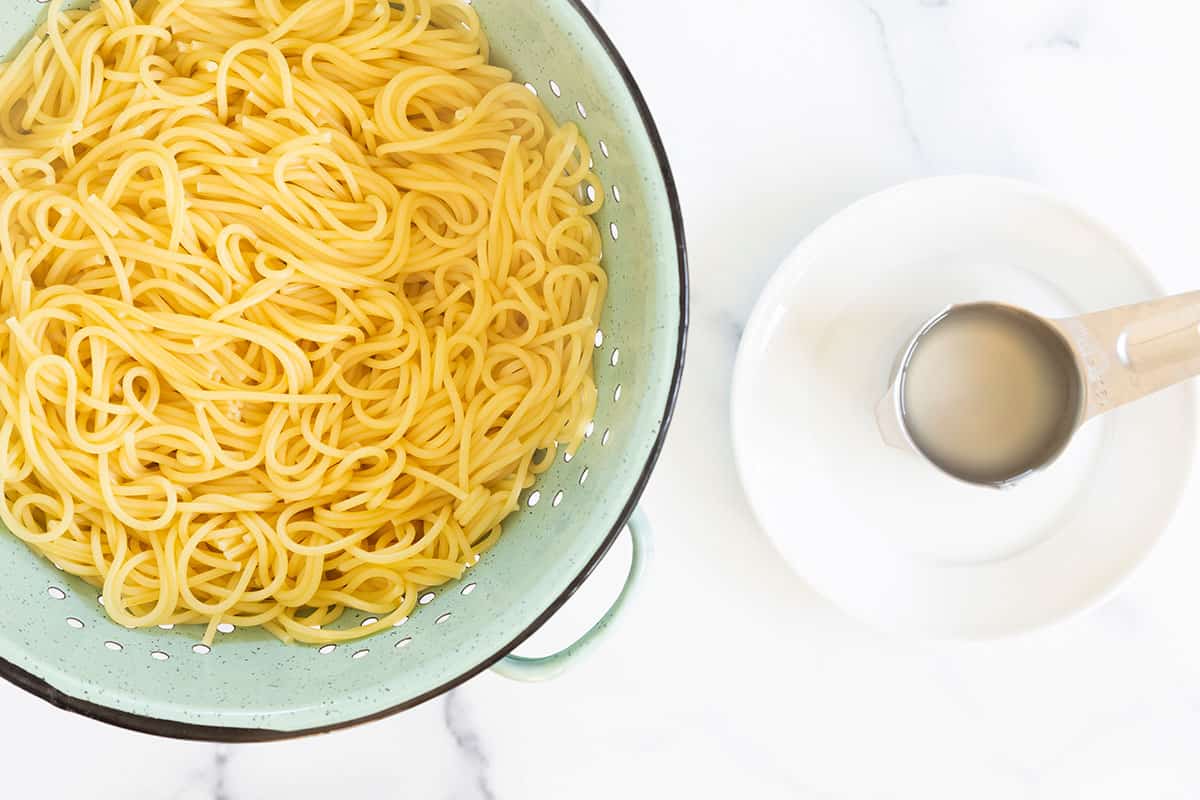
- The Creamy Upgrade: The modern iteration, as championed by culinary experts, involves the strategic use of pasta water. This "liquid gold"—the water left behind after boiling pasta—contains starch that acts as a natural binding agent, replacing the need for heavy, store-bought cream sauces while maintaining that desired richness.
- The Customization Era: Today, the dish has evolved into a base layer. Families now treat the Parmesan noodle not as a standalone, but as a scaffold. Whether it is finished with a crack of fresh black pepper for the parents or topped with broccoli florets for the children, the dish has matured into a versatile, multi-generational favorite.
Supporting Data: Why This Recipe Succeeds
The efficacy of the Parmesan noodle as a "go-to" meal is supported by both sensory science and nutritional accessibility. From a sensory perspective, the dish hits the "bliss point"—a combination of salt, fat, and carbohydrates that is universally palatable.
- Nutritional Profile: A standard serving offers approximately 313 kcal, with 10g of protein and 43g of carbohydrates. This makes it an effective energy source for growing children.
- The Emulsification Principle: By reserving 1/2 cup of cooking water, home cooks are utilizing the physical property of starch suspension. When combined with fat (butter) and cheese, it prevents the cheese from clumping, ensuring a smooth coating that coats the tongue and provides a satisfying mouthfeel.
- Efficiency Metrics: The recipe requires minimal prep time—typically the duration it takes to boil the pasta (8–12 minutes). This high-efficiency ratio is vital for caregivers managing school-night schedules or after-school activities.
Official Perspectives: Expert Insights on Child Nutrition
Pediatric nutritionists and family chefs often weigh in on the importance of "bridge foods"—meals that allow children to transition from plain, bland options to more complex flavors.
"Parmesan Noodles serve as the perfect bridge," says one leading child-nutrition expert. "The saltiness of the cheese introduces the palate to umami, while the texture remains familiar and unthreatening. By allowing the child to customize their portion with herbs like parsley or basil, you are also fostering a sense of agency in their own nutrition."
Furthermore, the versatility of the dish is frequently praised. Because the recipe is relatively low in sodium when compared to processed, pre-packaged pasta meals, it provides a cleaner profile that parents can control. By opting for high-quality, freshly grated Parmesan rather than shelf-stable alternatives, the nutrient density and flavor complexity are significantly enhanced.
Implications: The Long-Term Impact on Family Dining
The adoption of a reliable, healthy, and easy-to-make dish like Parmesan Noodles has profound implications for household stress levels. The "mealtime battle" is a documented source of parental anxiety; having a "fail-safe" recipe that is nutritionally balanced reduces the friction between child and caregiver.
1. Reducing Food Waste
Because this dish serves as an excellent vehicle for leftovers, it acts as a primary tool for sustainable home cooking. Whether it is a handful of spinach that needs to be used, a stray piece of grilled salmon, or frozen vegetables that have been sitting in the freezer, the neutral, savory base of the Parmesan noodle accommodates these additions seamlessly.
2. Encouraging Palate Development
The ability to introduce subtle garnishes—minced fresh herbs, a hint of garlic, or even a squeeze of lemon—allows for incremental exposure to new flavors. This is a subtle, non-confrontational way to expand a child’s palate without the risk of an entire meal being rejected.
3. Creating Rituals
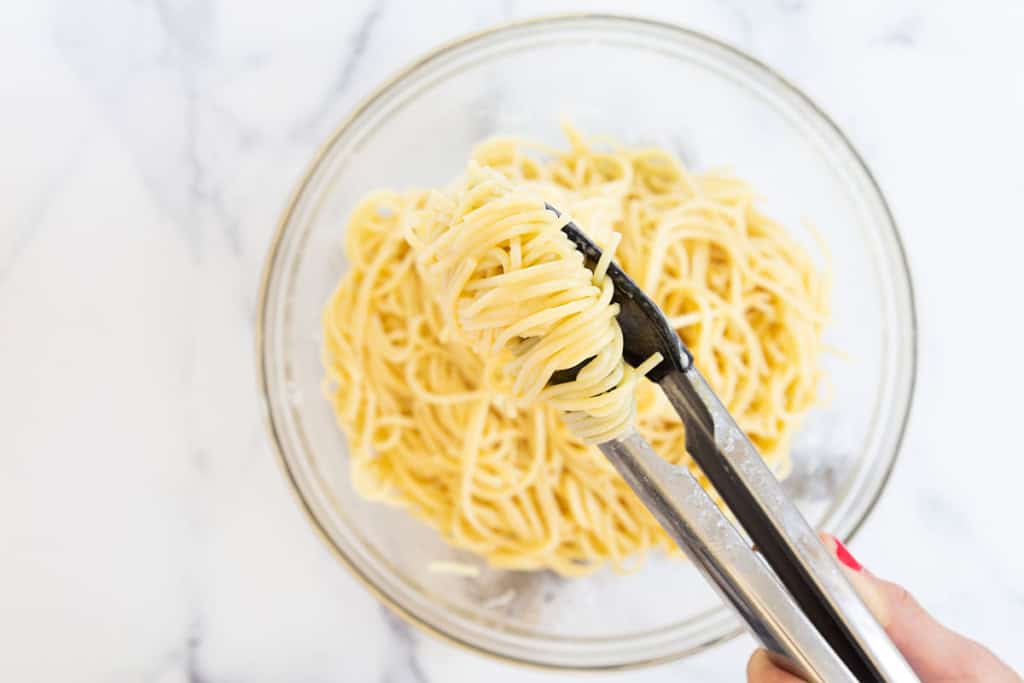
The process of "tossing" the pasta—a tactile experience—can be turned into a family activity. Allowing children to add the cheese or help stir the pot creates a positive association with the act of cooking, which is a key predictor of healthier eating habits later in life.
Conclusion: A Timeless Staple for the Modern Kitchen
Parmesan Noodles are far more than a simple carbohydrate-heavy dish. They represent a synthesis of efficiency, comfort, and culinary education. By mastering the simple technique of emulsifying pasta water with cheese and butter, parents are equipped with a tool that transcends the fleeting trends of fad diets. It is a dish that respects the child’s need for simplicity while honoring the adult’s need for quality.
As we look toward the future of family dining, the importance of these foundational recipes cannot be overstated. They provide the stability needed to navigate the complexities of daily life, ensuring that even on the busiest nights, the family table remains a place of connection and nourishment. Whether served as a simple side dish or elevated with protein and greens, the Parmesan noodle is, and will remain, an essential chapter in the modern home cook’s repertoire.
Quick Reference Guide for the Home Cook
- Preparation Time: 15 minutes total.
- Storage: Keeps for up to 5 days in an airtight container.
- Reheating Tip: Always add a tablespoon of water before microwaving to restore the emulsion of the sauce, preventing the pasta from drying out.
- Flavor Boosters: Fresh basil, sautéed garlic, or red pepper flakes for those seeking a bit of heat.
By integrating this method into your weekly rotation, you are choosing a path of least resistance that still prioritizes quality, flavor, and the shared joy of a meal cooked at home.