Multistate Pathogen Outbreak Linked to Alfalfa Sprouts Sparks Public Health Investigation
By the Food Safety Magazine Editorial Team
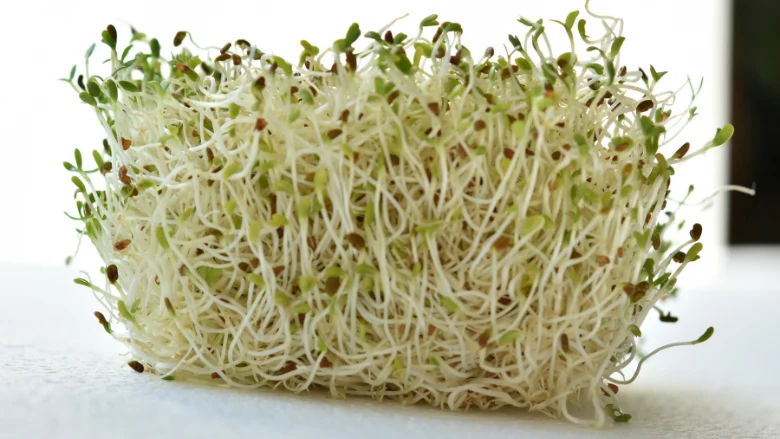
Public health officials across the United States are grappling with a complex, multi-pathogen outbreak that has left 55 individuals ill across 15 states. The outbreak, which has been definitively linked to alfalfa sprouts distributed by Everything Sprouts LLC, based in Minneapolis, Minnesota, highlights the persistent and difficult-to-manage risks associated with raw sprout consumption. As federal investigators work to pinpoint the root cause of the contamination, the incident serves as a stark reminder of the vulnerabilities within the fresh produce supply chain.
The Scope of the Crisis: A Multi-Pathogen Outbreak
The current health crisis is notable not only for its geographic reach but also for the diversity of pathogens involved. Epidemiological data indicates that the illnesses are caused by Shiga toxin-producing Escherichia coli (STEC) and Salmonella bacteria.
According to the latest reports, 46 individuals have been confirmed as infected with STEC, while seven cases have been linked to Salmonella Agona. In a concerning clinical development, two individuals have been found to be co-infected with both pathogens. The STEC strains identified include serotypes O26:H11, O103:H25, and O168:H8, indicating a complex contamination event that may involve multiple points of failure within the production or processing environment.
While 55 cases have been reported, the true scale of the outbreak may be higher, as many mild cases of foodborne illness go unreported or are not captured by diagnostic testing. To date, four individuals have required hospitalization due to the severity of their symptoms. Fortunately, no fatalities have been recorded at this time.
Chronology of the Outbreak
The outbreak first came to the attention of public health authorities through routine disease surveillance, which detected a cluster of gastrointestinal illnesses across multiple jurisdictions.
- May 31, 2026: The earliest recorded onset of illness began, marking the start of a multi-month window of exposure.
- August 8, 2026: The most recent case of illness was reported, suggesting that the contaminated products remained in circulation for a significant duration.
- August 19, 2026: Following the identification of a common exposure source, the U.S. Food and Drug Administration (FDA) initiated an intensive on-site inspection and environmental sample collection at the Everything Sprouts facility in Minneapolis.
- Mid-August 2026: Public health officials concluded that 76 percent (26 out of 34) of the individuals interviewed specifically identified alfalfa sprouts as a primary food item consumed in the days leading up to their illness.
Supporting Data and Epidemiological Findings
The link between Everything Sprouts and the illnesses was established through rigorous traceback investigations conducted by state and local health departments in conjunction with federal partners. By mapping the point-of-sale data from affected restaurants and grocery stores where the victims had shopped, investigators traced the path of the sprouts back to the Minneapolis-based distributor.
Sprouts are notoriously difficult to sanitize because the conditions required for sprouting—warmth and high humidity—are precisely the conditions that favor the rapid growth of bacteria like Salmonella and E. coli. Because seeds are often grown in bulk, a single batch of contaminated seeds can result in widespread contamination across multiple production lots. The presence of multiple strains in this outbreak suggests either a persistent environmental contamination within the facility or the distribution of a contaminated lot of seeds that harbored several different pathogens.
The clinical profile of the patients, including those with co-infections, has placed a strain on local healthcare resources in the 15 affected states, necessitating a coordinated response to monitor for potential cases of Hemolytic Uremic Syndrome (HUS), a severe complication of STEC infections that can lead to kidney failure.
Official Responses and Regulatory Action
In response to the mounting evidence, the FDA has taken decisive steps to mitigate further public exposure. The agency has formally recommended that Everything Sprouts LLC initiate a voluntary product recall.
The FDA’s current regulatory stance is one of caution. While the inspection process at the Minneapolis facility is ongoing, the agency has advised both consumers and retailers to exercise extreme vigilance. The official guidance is clear: Do not eat, serve, or sell any alfalfa sprouts marketed under the "Calco" or "Everything Sprouts" brands.
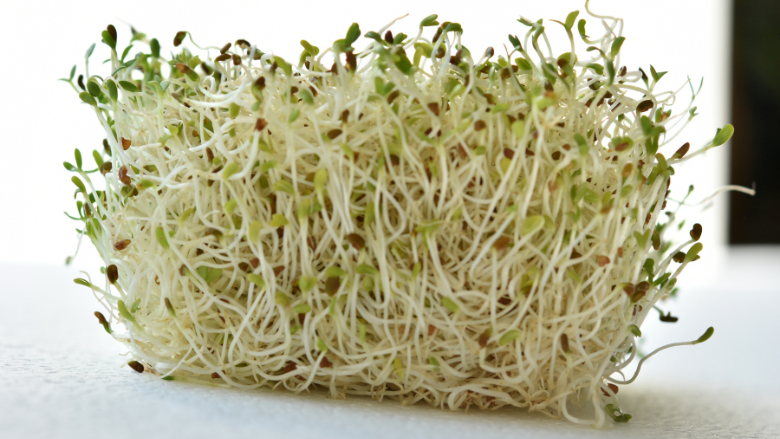
Retailers have been instructed to remove these specific products from store shelves and to ensure that any remaining inventory is isolated to prevent accidental sale. Consumers who have these products in their refrigerators are urged to discard them immediately, regardless of whether they have been eaten without consequence thus far. Furthermore, surfaces and containers that have come into contact with the sprouts should be thoroughly sanitized to prevent cross-contamination in home or commercial kitchens.
The FDA’s investigation remains active. Investigators are currently looking into the source of the seeds, the water supply used in the sprouting process, and the sanitation protocols at the Everything Sprouts facility. The agency has not ruled out the possibility that other products or firms could be implicated as the investigation evolves.
Implications for the Produce Industry
This outbreak underscores the recurring challenge of food safety in the sprout industry. Because raw sprouts are typically consumed without cooking—a process that would otherwise kill most harmful bacteria—the burden of safety rests entirely on the production and distribution chain.
The "Sprout Problem"
The sprout industry has been the subject of numerous food safety recalls over the past two decades. The industry faces an inherent "pre-harvest" challenge: the seeds themselves can be contaminated in the field by wild animals, contaminated irrigation water, or improper storage conditions. Once these seeds reach a sprout facility, the germination process acts as an incubator for any pathogens present.
Enhanced Safety Measures
Industry experts emphasize that sprout producers must implement stringent testing protocols. This includes:
- Seed Testing: Testing spent irrigation water for the presence of pathogens before the product leaves the facility.
- Sanitization: Employing advanced seed treatment technologies to reduce microbial load.
- Environmental Monitoring: Regular testing of surfaces and water sources within the facility to detect persistent bacteria.
For consumers, this outbreak is a reminder that fresh produce is not always risk-free. Public health officials recommend that individuals who are particularly susceptible to foodborne illness—such as young children, the elderly, the immunocompromised, and pregnant women—should avoid eating raw sprouts entirely. For those who choose to eat them, the only way to significantly reduce the risk is to cook the sprouts thoroughly, which kills the pathogens that cause illness.
Looking Forward: Protecting Public Health
As the investigation into Everything Sprouts LLC continues, the focus will shift toward accountability and long-term systemic improvements. The FDA’s final report, which will be released upon the conclusion of their investigation, will likely provide recommendations for the sprout industry to prevent a recurrence of this event.
For the victims of this outbreak, the road to recovery varies. While most will recover with supportive care, the potential for long-term health impacts—particularly for those affected by STEC—remains a concern.
The Food Safety Magazine editorial team will continue to track this situation as new data becomes available. We encourage industry stakeholders to remain vigilant and to prioritize transparency and safety above all else. In an era where supply chains are increasingly global and complex, the ability to rapidly trace a product from the dinner table back to the source is not just a regulatory requirement—it is a critical component of saving lives.
For those seeking rapid answers on this or other food safety topics, please visit the Ask FSM tool, designed to provide up-to-date, AI-assisted information on regulatory guidelines and safety best practices.