Beyond the Familiar: Exploring the Botanical Frontiers of Rare Hydrangeas
In the world of ornamental horticulture, few genera command the universal adoration of Hydrangea. From the classic mopheads that define the aesthetic of the American South to the architectural panicles that grace northern gardens, these shrubs are staples of the temperate landscape. However, as noted in the Fall 2026 issue of Fine Gardening (Issue 229), the genus is undergoing a profound botanical and horticultural evolution. Renowned plantsman Daniel J. Hinkley, in his feature “Not Your Typical Hydrangeas,” highlighted a wave of reclassifications that have brought various disparate species under the Hydrangea umbrella.
While the print feature captured the imagination of readers, the sheer diversity of the genus meant that many compelling specimens were left on the cutting-room floor. This report delves into three such lesser-known hydrangeas—plants that challenge our traditional understanding of the genus through unique floral structures, atypical foliage, and fascinating growth habits. For the intrepid gardener willing to search beyond standard nursery stock, these selections offer a glimpse into the future of hydrangea cultivation.
1. The Rise of the Didrangeas: A Breeding Breakthrough
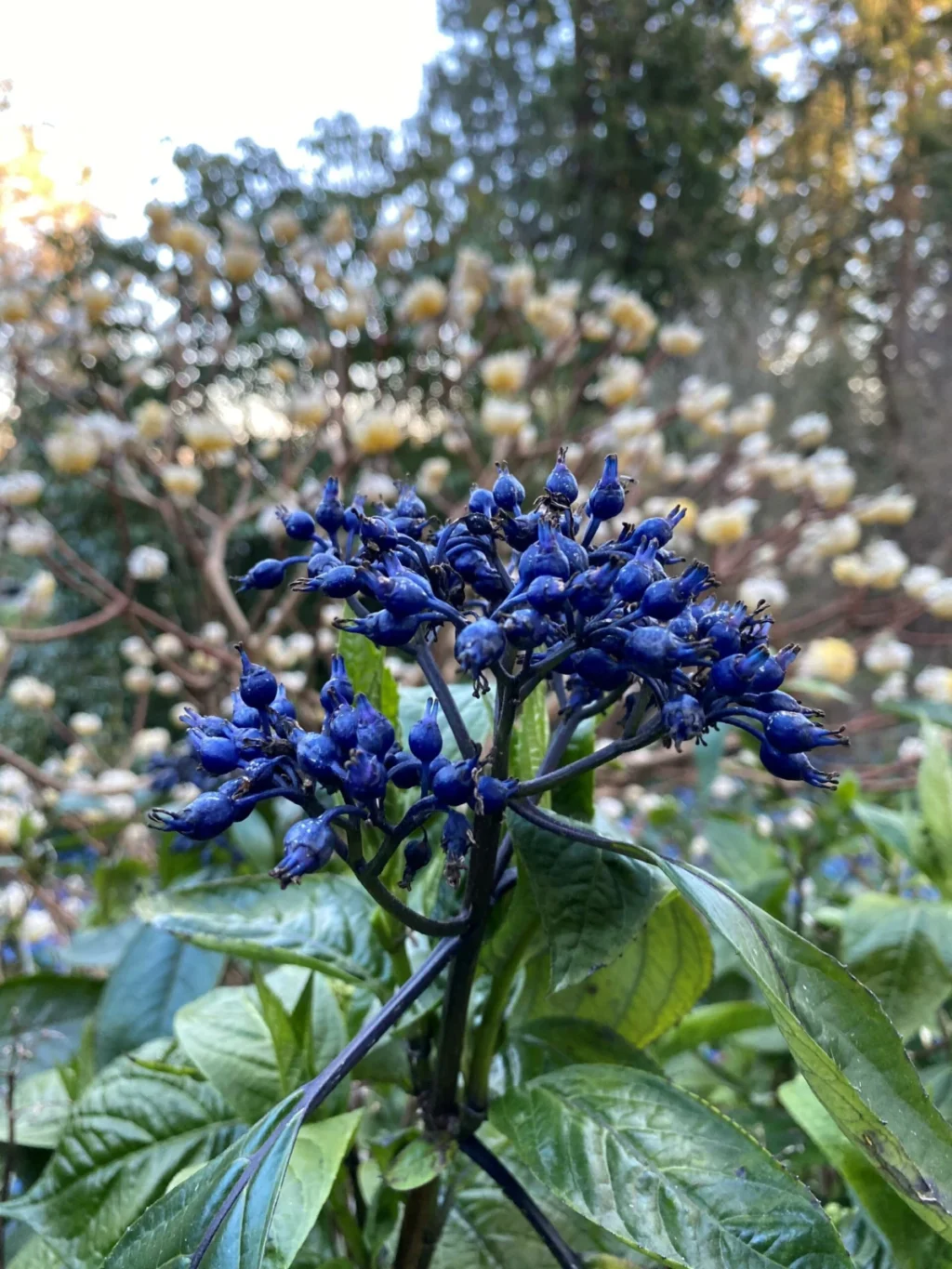
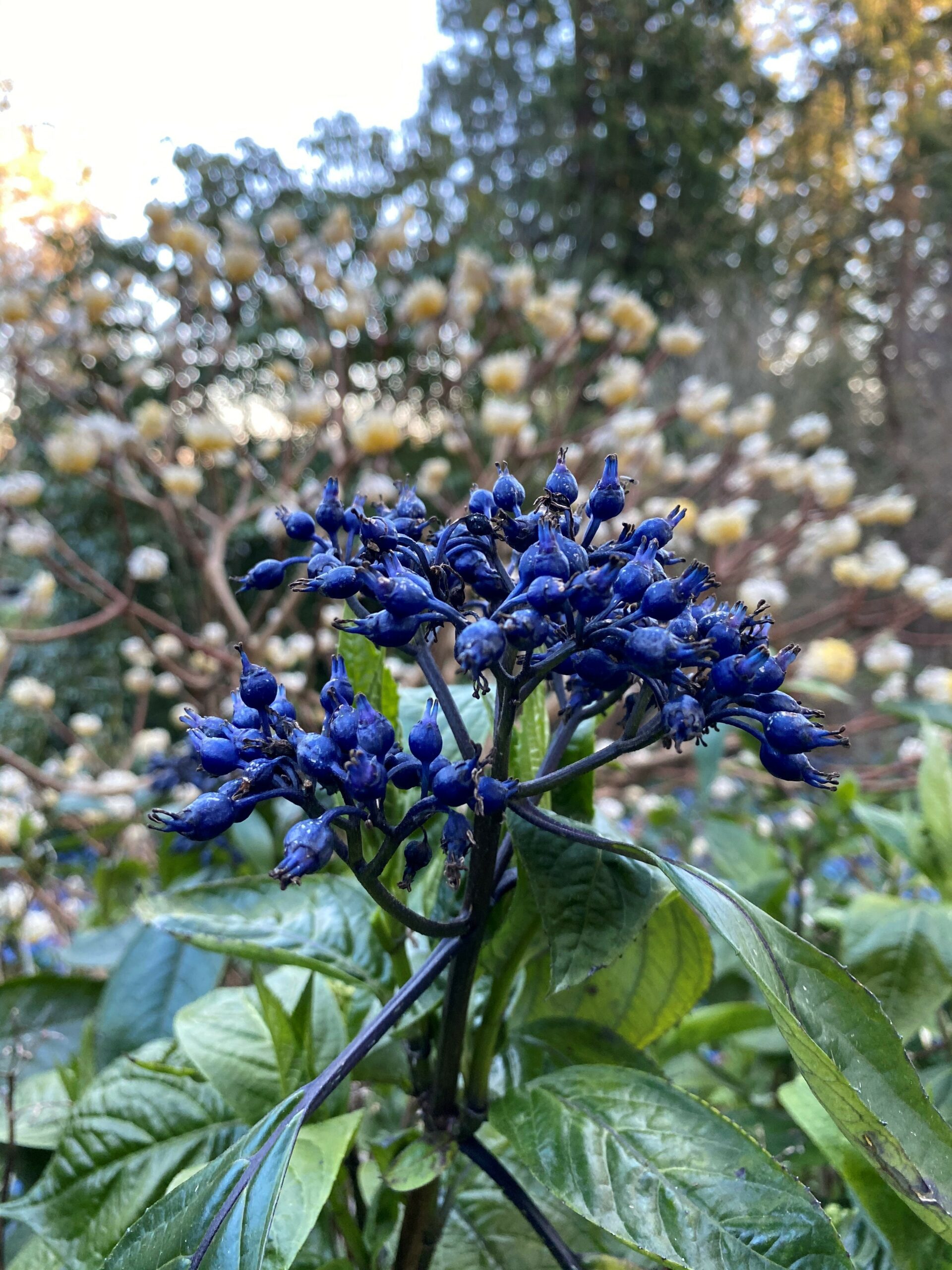
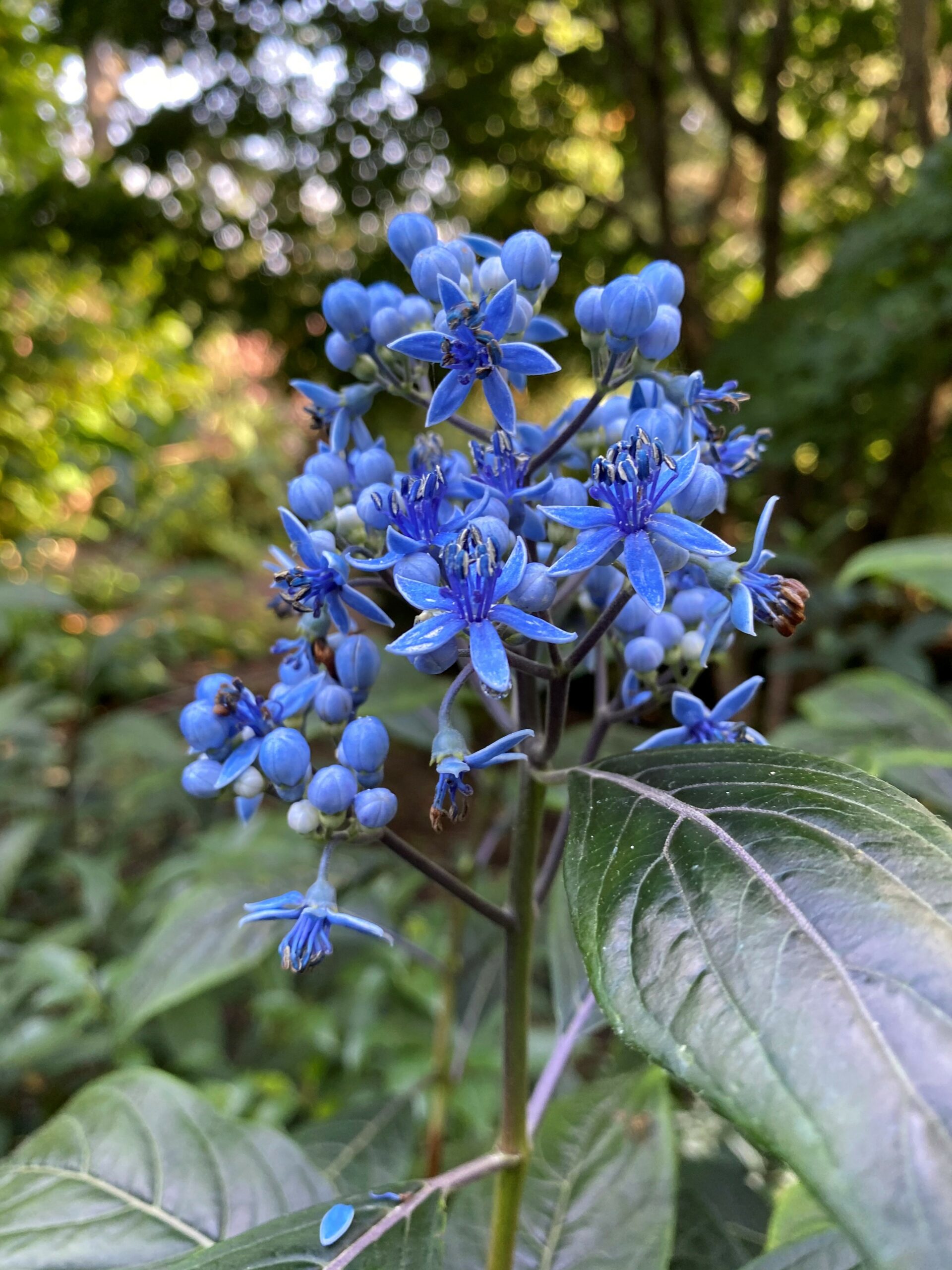
Among the most exciting developments in modern horticulture is the emergence of “Didrangeas”—a hybrid class representing a sophisticated cross-pollination between Chinese quinine (Hydrangea febrifuga, formerly Dichroa febrifuga) and the ubiquitous bigleaf hydrangea (Hydrangea macrophylla).
Chronology of the Breeding Program
The genesis of this hybrid began roughly two decades ago at the U.S. National Arboretum. Researchers sought to leverage the genetic resilience of the Chinese quinine, a plant native to the Himalayas and East Asia known for its medicinal history and unique blue-berried fruit, and infuse it with the aesthetic vigor of the bigleaf hydrangea. The goal was to create a shrub that provided the ornamental value of large, showy flower heads while retaining the structural interest of the quinine’s fruit.
Horticultural Performance and Observations
Daniel J. Hinkley, who has trialed these cultivars extensively at his private woodland garden, describes the results as "compelling." These plants produce large heads of mid-blue flowers that, in the mild climate of the Pacific Northwest, deepen into a rich, saturated midnight blue as the season progresses. Notably, the floral display can persist well into midwinter, providing a rare splash of color during the dormant season.
However, the Didrangea is not without its complexities. A significant challenge in their cultivation stems from the plant’s identity crisis: it frequently struggles to determine whether it should remain evergreen or deciduous. This trait, inherited from the bigleaf hydrangea, can result in a disheveled appearance during particularly harsh, cold winters. Despite this, the potential for further breeding—crossing Chinese quinine with a broader assortment of hydrangea species—suggests that we are only in the early stages of a new era for the genus. Gardeners across North America should watch for these hybrids as they continue to move from experimental trial plots to commercial nurseries.
2. Evergreen Climbing Hydrangea: Architectural Elegance
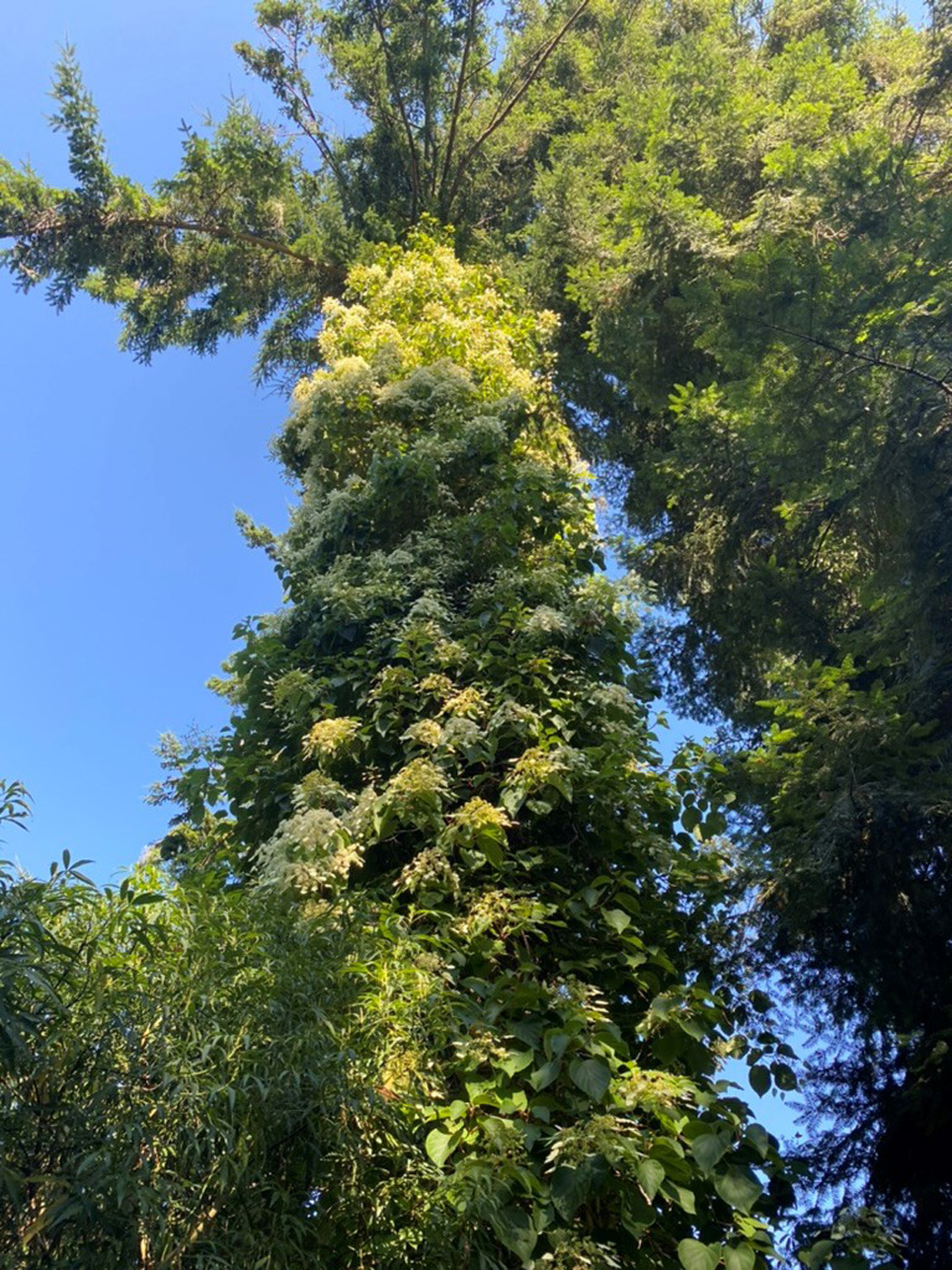
The popular image of a climbing hydrangea is often that of the deciduous Hydrangea petiolaris, a reliable, if sometimes slow-to-establish, vine native to Japan. Yet, the broader reality of the genus is far more exotic. Within the dozens of species of climbing hydrangeas found globally, the vast majority are, in fact, evergreen.
Botanical Traits and Aesthetic Value
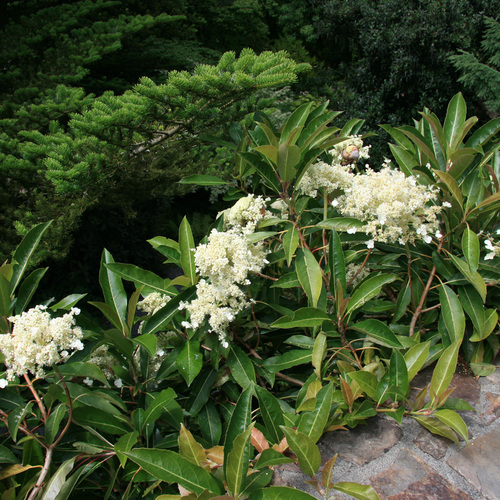
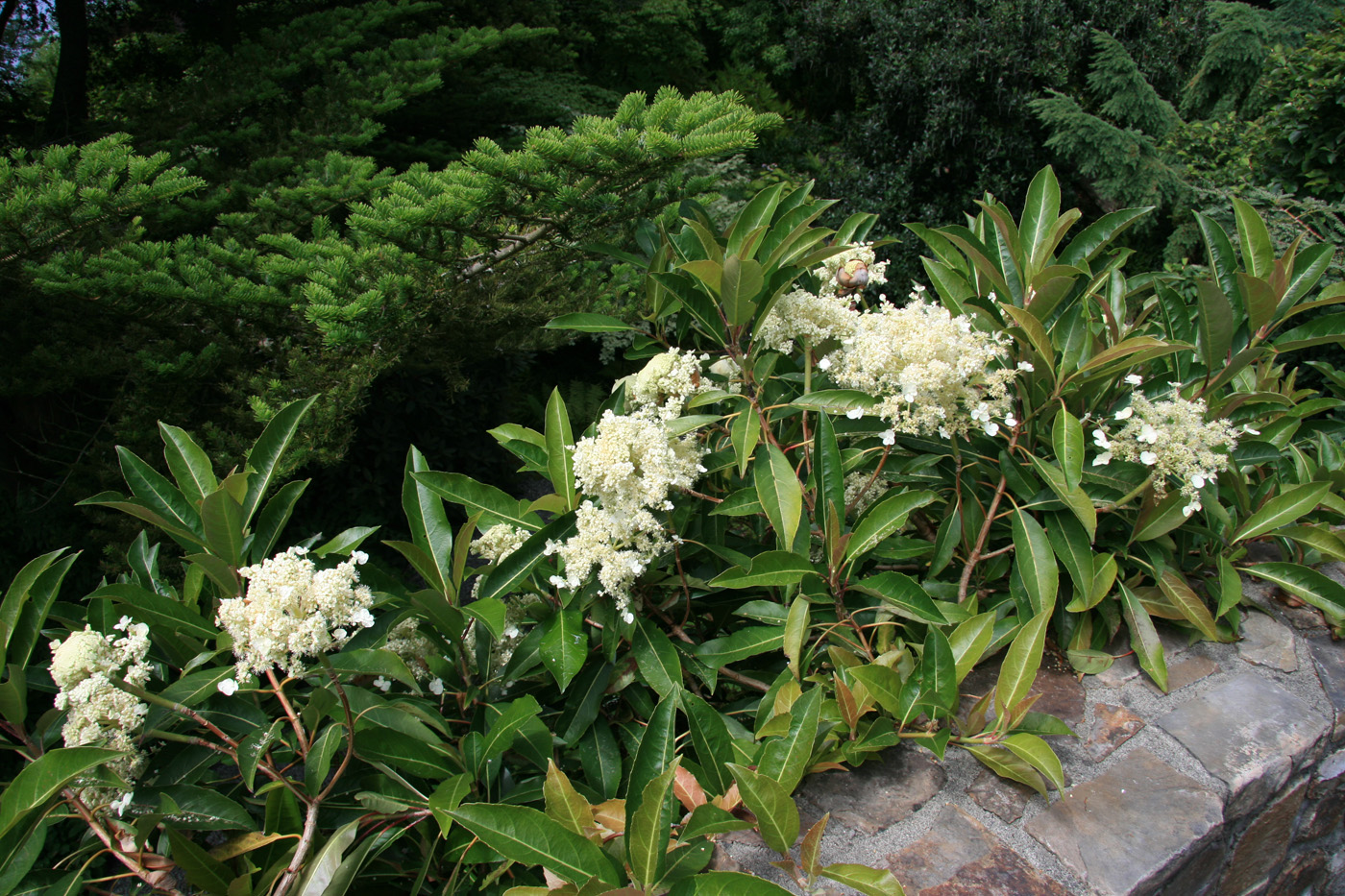
One such standout is the evergreen climbing hydrangea (specifically species within the H. integrifolia complex). This plant is a masterclass in architectural gardening. Its linear, evergreen foliage is held by striking red petioles, creating a sophisticated contrast against the plant’s self-clinging stems. Unlike its deciduous counterparts, this vine is capable of reaching staggering heights, scaling rock faces and trees with ease.
The floral show begins in early summer, characterized by white blossoms that emerge from curious, globular buds. In their nascent stages, these buds resemble small, white popcorn balls adhered to the vine. Interestingly, these flowers often lack the ring of sterile bracts typical of other hydrangeas, offering a cleaner, more understated aesthetic.
Implications for Garden Design
For the home gardener, the evergreen climbing hydrangea serves a dual purpose. When allowed to climb, it provides a lush, vertical element to the garden. When trained on a fence or a structural trellis, it can be pruned to create a narrow, living privacy screen that remains vibrant and green throughout the year. Its ability to provide structural interest during the winter months makes it an essential, if underutilized, tool for year-round garden design.
3. The Taiwanese Hydrangea Vine: A Showy Departure
For those who appreciate the climbing habit but desire a more dramatic floral display, the Taiwanese hydrangea vine (Hydrangea fauriei) represents a significant upgrade over traditional climbing species.
Comparative Analysis
At first glance, the untrained eye might mistake H. fauriei for the common climbing hydrangea. However, a closer inspection of the floral structure reveals a profound difference. While the common climbing hydrangea produces fertile flowers surrounded by a modest ring of four-lobed sterile florets, the Taiwanese species features large, tear-shaped petaloid sepals that surround the clusters of frothy, white, fertile flowers.
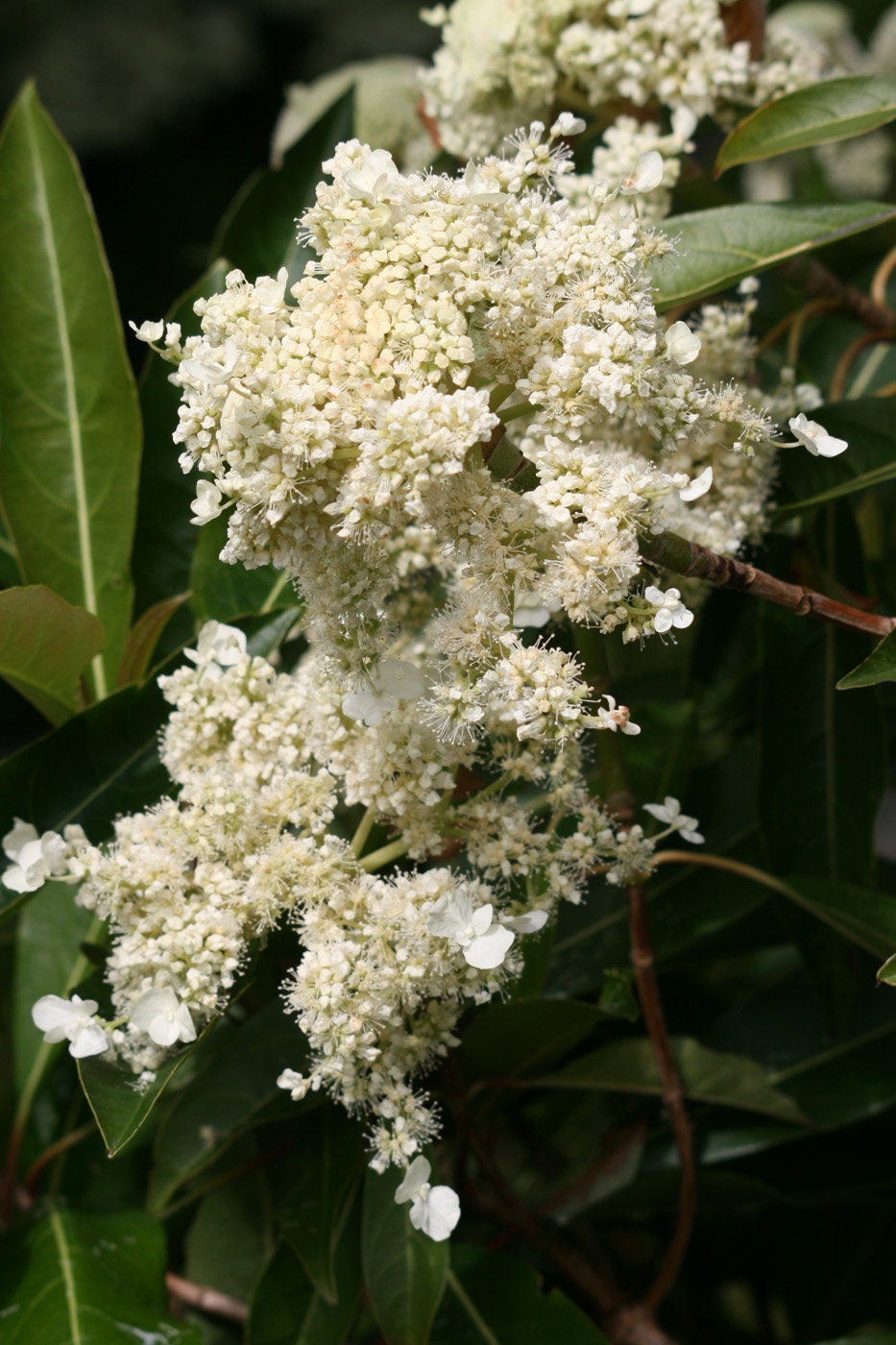
This structural difference gives the plant a significantly greater visual punch. The blossoms are not only larger but also more intricate, providing a texture that stands out even from a distance. Furthermore, experience in the field suggests that the Taiwanese variety tends to bloom earlier in the season than its more widely planted cousins, effectively extending the hydrangea blooming window.
Supporting Data and Cultivation
The cultivation of H. fauriei mirrors that of other self-clinging hydrangeas, requiring a sturdy support structure to reach its full potential. While it may be more difficult to source than standard landscape varieties, its performance—particularly in regions where it can be protected from extreme, desiccating winds—is exceptional. It stands as a testament to the diversity of the Hydrangea genus and the value of seeking out lesser-known species for the home landscape.
Implications for the Future of Gardening
The shift in how we perceive and classify hydrangeas is not merely an academic exercise; it has real-world implications for how we curate our gardens. As the climate shifts and gardening trends move toward more resilient, multi-seasonal, and structurally diverse plantings, the importance of these “lesser-known” hydrangeas cannot be overstated.
The Role of Plant Exploration
The work of individuals like Daniel J. Hinkley underscores the vital role of plant exploration. By identifying, testing, and introducing rare species and hybrids to the nursery trade, these plantsmen are expanding the palette available to designers and home gardeners alike. The reclassification of species into the Hydrangea genus has essentially opened the door for a wider exchange of genetic material, paving the way for the breeding of plants that are better adapted to the challenges of modern gardening.
Official Guidance and Resources
For those interested in incorporating these and other hydrangeas into their landscapes, professional resources remain the best defense against trial-and-error failures.
- Pruning and Maintenance: As these newer, rarer species enter the market, understanding the nuances of their care is essential. Guides like Pruning Simplified: A Step-by-Step Guide to 50 Popular Trees and Shrubs provide the necessary technical knowledge to ensure that specimens like the Didrangea or the Taiwanese climbing vine reach their full potential.
- Integrated Backyard Ecosystems: The modern garden is increasingly viewed as an ecosystem. Tools such as smart bird feeders with high-definition cameras are becoming common, allowing gardeners to observe the wildlife interactions that occur around their ornamental plantings. These technologies, paired with the inclusion of rare plants, create a more immersive and rewarding gardening experience.
Conclusion: The Path Forward
The world of hydrangeas is far larger and more nuanced than the classic blue, pink, and white blooms found in every suburban garden. Through the ongoing efforts of botanical institutions and dedicated plantsmen, the genus is revealing its true breadth—from the midnight blue hues of experimental hybrids to the towering, evergreen heights of Asian climbing vines.
While some of these specimens may prove difficult to source in the immediate future, their presence in the trade is a harbinger of change. For the gardener, the challenge is clear: seek out the rare, embrace the experimental, and look beyond the typical. In doing so, we not only enrich our personal landscapes but also contribute to the ongoing, global story of botanical discovery and conservation. Whether it is the subtle elegance of a popcorn-budded climber or the dramatic flourish of a new hybrid, the next generation of hydrangeas promises to be anything but typical.