Natural Solutions Emerge for Enlarged Prostate: Cranberries and Pumpkin Seeds Show Promise
A significant proportion of men worldwide grapple with benign prostatic hypertrophy (BPH), commonly known as an enlarged prostate. This prevalent condition, affecting over 50% of men in their 50s and at least 70% of those over 60, often leads to bothersome lower urinary tract symptoms (LUTS). These include frequent nighttime urination, urgency, and weak stream, severely impacting quality of life. While conventional medical treatments exist, their efficacy is frequently compromised by adverse side effects—such as sexual dysfunction and depression—and subsequent low patient compliance. When medication fails, invasive surgical procedures like transurethral resection of the prostate become the next resort. In light of these challenges, a pressing need for safer, more tolerable, and equally effective alternatives has spurred research into natural interventions, with cranberries and pumpkin seeds emerging as particularly promising candidates.
Main Facts
Benign Prostatic Hypertrophy (BPH) represents a substantial health concern for aging men globally. Characterized by the non-cancerous enlargement of the prostate gland, BPH manifests primarily through a constellation of lower urinary tract symptoms (LUTS) that can profoundly disrupt daily life. These symptoms include nocturia (frequent nighttime urination), increased urinary frequency and urgency, hesitancy, intermittent flow, and a sensation of incomplete bladder emptying. The ripple effects extend beyond mere physical discomfort, often leading to sleep disturbances, anxiety, depression, and sexual dysfunction, significantly diminishing overall quality of life.
Current medical management for BPH primarily involves pharmaceutical interventions designed to either relax the prostate muscles (alpha-blockers) or shrink the gland (5-alpha-reductase inhibitors). While these drugs can provide symptomatic relief, their associated side effects, such as dizziness, fatigue, ejaculatory dysfunction, and decreased libido, often lead to poor patient adherence. This lack of compliance ultimately undermines treatment effectiveness, leaving many men seeking alternative solutions. For those unresponsive to medication, surgical options, while effective, carry inherent risks and recovery periods, highlighting the urgent demand for less invasive, well-tolerated, and accessible therapies.
In this context, scientific investigations have turned towards natural compounds with long histories of traditional use. Among these, cranberries and pumpkin seeds have garnered considerable attention. Recent randomized controlled trials (RCTs) have demonstrated that specific forms of these natural products can significantly alleviate BPH symptoms. Powdered whole cranberries, even in small daily doses, have been shown to improve LUTS and enhance the quality of life for BPH patients. Similarly, whole pumpkin seeds, consumed regularly, have exhibited therapeutic effects comparable to conventional treatments, offering a compelling alternative to synthetic drugs. These findings suggest a paradigm shift towards integrating evidence-based dietary strategies into the comprehensive management of BPH, providing hope for millions of men seeking a "better way" to manage their condition.
Chronology
The Enduring Burden of BPH and Early Interventions
The recognition of prostate enlargement and its associated urinary difficulties dates back centuries, with ancient medical texts describing symptoms consistent with BPH. However, a scientific understanding of the prostate gland and its benign hypertrophy only began to solidify in the 19th and 20th centuries. For much of modern medicine’s history, therapeutic options for BPH were limited, often involving invasive procedures with significant morbidity. The mid-20th century saw the development of more refined surgical techniques, but it wasn’t until the late 20th century that pharmaceutical agents became widely available, offering a less invasive initial approach to managing BPH symptoms.
Traditional Wisdom: Cranberries and Pumpkin Seeds Through the Ages
Long before modern pharmacology, various cultures utilized natural remedies for ailments affecting the urinary system. Native Americans, for instance, were known to employ cranberries for a range of urinary complaints. While their exact understanding of prostate health may have differed from contemporary medical knowledge, their observations of cranberries’ beneficial effects on urinary function laid a foundation for future scientific inquiry. Cranberries, rich in antioxidants and unique proanthocyanidins, were traditionally consumed in various forms, suggesting an intuitive grasp of their therapeutic properties.
Similarly, pumpkin seeds have a rich history in folk medicine, particularly in Eastern European and Asian traditions, where they were revered for their purported benefits for prostate and bladder health. For centuries, these nutrient-dense seeds were consumed as a remedy for "prostate disorders," a term that would likely encompass BPH symptoms. The widespread and persistent use of pumpkin seeds in these traditional systems underscores a long-held belief in their medicinal value, a belief that modern science is now actively validating.
The Rise and Fall of Saw Palmetto
In the late 20th and early 21st centuries, as interest in herbal remedies grew, Saw Palmetto (Serenoa repens) emerged as a popular natural treatment for BPH. Initially, observational studies and some early clinical trials suggested a potential benefit, leading to its widespread recommendation and use. However, as research matured, particularly with larger, well-designed randomized controlled trials, the evidence for Saw Palmetto‘s efficacy began to unravel. Multiple rigorous studies, including a comprehensive review of over 30 RCTs, ultimately concluded that Saw Palmetto was no more effective than placebo in alleviating BPH symptoms. This significant finding served as a crucial lesson in the importance of robust scientific validation, tempering enthusiasm for anecdotal evidence and highlighting the need for rigorous testing of all proposed therapies, natural or synthetic.
The Dawn of Evidence-Based Natural Therapies
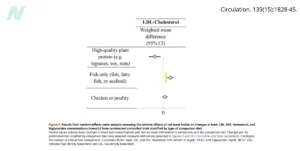
The disillusionment with Saw Palmetto paved the way for more stringent investigations into other natural compounds. Population studies began to provide compelling evidence suggesting that dietary patterns, particularly those low in animal protein and high in fruits and vegetables, might offer protection against BPH progression. These studies, while not interventional, pointed towards specific dietary components as potential targets for therapeutic development. Interestingly, certain animal proteins like eggs and poultry, along with refined grains, appeared to be associated with worse outcomes, while red meat and dairy showed no such link in these observational analyses. This nuanced understanding underscored the complexity of dietary influences on prostate health.
Concurrent with these epidemiological insights, specific foods began to be subjected to randomized controlled trials. Cranberries, building on their traditional reputation, were among the first to undergo such scrutiny. Early studies demonstrated tangible benefits, marking a pivotal moment in the scientific validation of natural BPH remedies. Following suit, research into pumpkin seeds transitioned from in vitro and animal models to human clinical trials, meticulously comparing their effects against both placebo and established pharmaceutical drugs. This systematic approach, moving from traditional knowledge to laboratory validation and finally to human trials, represents a chronological progression towards establishing truly evidence-based natural treatments for BPH.
Supporting Data
The Burden of BPH: A Closer Look at Symptoms and Current Treatments
Benign Prostatic Hypertrophy is not merely an inconvenience; it is a progressive condition that significantly diminishes the quality of life for millions of aging men. The enlargement of the prostate gland, which surrounds the urethra, obstructs urine flow from the bladder. This obstruction leads to the characteristic lower urinary tract symptoms (LUTS): storage symptoms such as increased frequency, urgency, and nocturia, and voiding symptoms like hesitancy, straining, weak stream, intermittency, and a feeling of incomplete emptying. The constant interruption of sleep due to nocturia can lead to chronic fatigue, irritability, and impaired cognitive function, while the fear of incontinence or public bathroom emergencies can cause social withdrawal and anxiety.
Conventional medical treatments for BPH primarily involve two classes of drugs: alpha-blockers (e.g., tamsulosin, alfuzosin) and 5-alpha-reductase inhibitors (5-ARIs, e.g., finasteride, dutasteride). Alpha-blockers work by relaxing the smooth muscles in the prostate and bladder neck, thereby improving urine flow. While often providing rapid symptomatic relief, they can cause side effects such as dizziness, orthostatic hypotension, retrograde ejaculation, and nasal congestion. 5-ARIs, on the other hand, reduce the size of the prostate by inhibiting the conversion of testosterone to dihydrotestosterone (DHT), a hormone that promotes prostate growth. These drugs can take several months to show effect and are associated with sexual side effects including erectile dysfunction, decreased libido, and ejaculatory dysfunction, as well as an increased risk of depression in some men. The significant burden of these adverse effects contributes directly to the poor patient compliance rates, often leading to discontinuation of treatment.
When medical therapy proves ineffective or intolerable, surgical interventions become necessary. Transurethral resection of the prostate (TURP) is a common procedure, involving the removal of prostatic tissue obstructing the urethra. While effective, TURP is an invasive surgery with potential complications such as bleeding, infection, retrograde ejaculation, and, less commonly, erectile dysfunction. The desire to avoid these side effects and the invasiveness of surgery fuels the ongoing search for gentler, yet effective, alternatives.
Dietary Factors and Prostate Health
Beyond specific supplements, broader dietary patterns have been implicated in BPH prevention and management. Population studies have consistently suggested a protective effect from diets characterized by a low intake of animal protein and a high consumption of fruits and vegetables. The hypothesis is that plant-based diets, rich in antioxidants, anti-inflammatory compounds, and phytoestrogens, may counteract the oxidative stress and hormonal imbalances believed to contribute to BPH development. Conversely, certain dietary components have been linked to increased risk or symptom severity. For instance, some research suggests that high intake of eggs, poultry, and refined grains may exacerbate BPH symptoms, possibly due to their pro-inflammatory properties or their impact on hormone metabolism. Interestingly, some studies have not found a similar association for red meat or dairy, highlighting the complexity and specificity of dietary influences on prostate health, which may not be solely about "animal protein" but rather specific types or preparation methods.
Cranberries: A Berry of Benefit
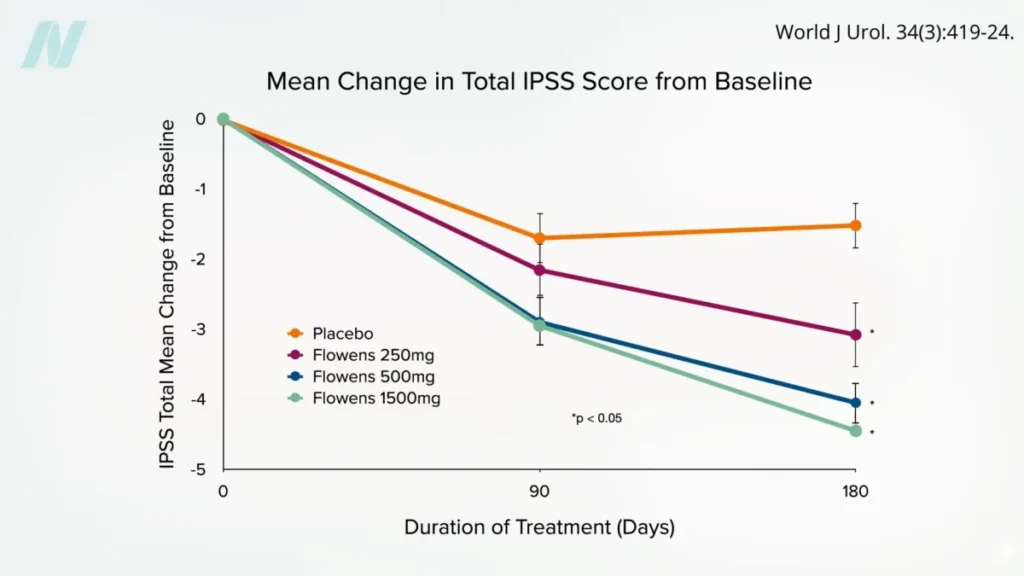
The traditional use of cranberries for urinary ailments has found strong support in modern scientific inquiry. Unlike the sugary, oil-coated "craisins" often found in grocery stores, research has focused on the benefits of whole cranberry powder. A pioneering study demonstrated that men consuming approximately a teaspoon (around 3 grams) of powdered whole cranberries daily experienced significant improvements across multiple BPH parameters. This included a noticeable reduction in bothersome symptoms, an enhanced quality of life, and measurable improvements in urination parameters such as peak urine flow rate and post-void residual volume.
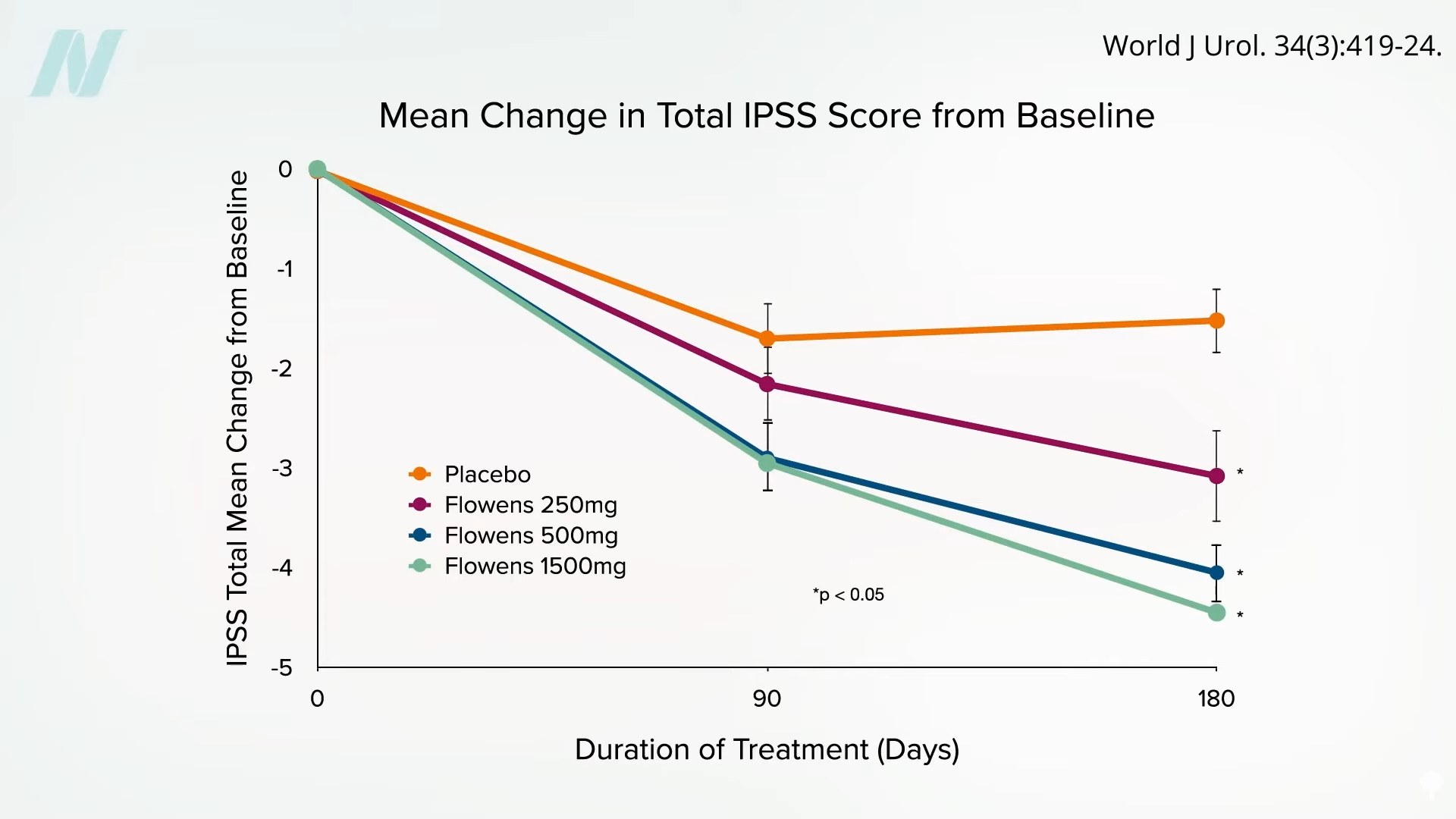
Further research has refined our understanding of cranberry dosing. Subsequent studies, often funded by supplement companies but utilizing pure cranberry powder, have shown that even smaller doses—such as a third or a sixth of a teaspoon—can still elicit positive effects. This dose-response relationship suggests that the active compounds in cranberries are potent even at low concentrations. The mechanism of action is thought to involve the rich array of polyphenols, particularly proanthocyanidins (PACs), which possess potent antioxidant and anti-inflammatory properties. While cranberries are famously known for preventing bacterial adhesion in urinary tract infections (UTIs), their benefit in BPH is likely related to their anti-inflammatory effects within the prostate gland itself, reducing swelling and irritation that contribute to urinary obstruction. It is crucial to emphasize that these benefits are derived from whole cranberry powder, not from cranberry juice or processed cranberry products, which often contain high sugar content and lack the full spectrum of beneficial compounds. In fact, other fruit juices like purple grape juice have been tested and shown no comparable benefit for BPH.
Pumpkin Seeds: From Folk Remedy to Clinical Evidence
Pumpkin seeds have a long-standing reputation in traditional medicine as a remedy for prostate disorders, a belief now strongly substantiated by scientific evidence. In vitro studies have shown that extracts from pumpkin seeds can significantly inhibit the proliferation of BPH prostate cells, in some cases cutting growth by half. This laboratory evidence provided a strong rationale for investigating their effects in living organisms. Early animal studies, such as injections of pumpkin seed extracts into rabbits, showed promising results, paving the way for human clinical trials.
The active components in pumpkin seeds are believed to be numerous and synergistic, including phytosterols (like beta-sitosterol), zinc, fatty acids (omega-3 and omega-6), and lignans. These compounds may exert their effects through several mechanisms: phytosterols can compete with cholesterol for absorption, potentially influencing steroid hormone metabolism; zinc is crucial for prostate health and plays a role in immune function; and lignans may have anti-androgenic effects, helping to modulate hormone levels that contribute to prostate growth.
Human trials have further elucidated the benefits of pumpkin seeds. Initial studies comparing pumpkin seed oil against conventional BPH drugs like Prazosin and Terazosin demonstrated comparable efficacy in symptom relief. However, these studies often lacked a placebo control group, making it difficult to ascertain the true extent of the oil’s independent effect. A landmark study, involving over a thousand men, provided a more definitive answer. Participants were randomized to receive either a pumpkin seed extract, a placebo, or approximately a tablespoon (about 7.5 grams) of plain whole pumpkin seeds daily. The results were telling: while the pumpkin seed extract supplement showed no significant advantage over placebo, the plain whole pumpkin seeds did produce a statistically significant improvement in BPH symptoms. This critical finding underscored the importance of consuming the whole food, suggesting that the synergistic action of various compounds within the intact seed is superior to isolated extracts or oils. Subsequent research has even shown that an oil-free extract can be effective, indicating that the beneficial compounds are not solely fat-soluble. The consensus from these studies is clear: whole pumpkin seeds are a viable and effective dietary intervention for men with mild-to-moderate BPH symptoms.
Official Responses
The growing body of evidence supporting the efficacy of natural compounds for BPH has begun to influence official medical guidelines and regulatory bodies. Perhaps the most significant endorsement comes from the European Medicines Agency (EMA), the European equivalent of the U.S. Food and Drug Administration (FDA). The EMA has officially recognized and recommended pumpkin seeds for the relief of lower urinary tract symptoms associated with benign prostatic hypertrophy. This recommendation is contingent on a prior medical diagnosis to rule out more serious conditions, emphasizing the importance of professional medical consultation before initiating self-treatment.
This official acknowledgment by a major regulatory authority lends significant credibility to pumpkin seeds as a therapeutic agent. It means that healthcare professionals in Europe can confidently recommend pumpkin seeds as a first-line or adjunctive therapy for appropriate BPH patients, providing a validated, natural alternative to conventional drugs. While the U.S. FDA has not issued a similar specific recommendation for BPH, the scientific literature continues to build, and individual healthcare providers are increasingly incorporating evidence-based dietary advice into their patient management strategies. The shift towards recognizing natural, whole-food interventions signifies a broader acceptance of integrative medicine and highlights the potential for accessible, low-risk treatments.
Implications
The compelling evidence for cranberries and pumpkin seeds in managing BPH symptoms carries profound implications for patients, healthcare providers, and public health.
Patient Empowerment and Quality of Life
For millions of men suffering from BPH, these findings offer a ray of hope. The availability of natural, well-tolerated, and affordable dietary interventions empowers patients to take a more active role in managing their health. Unlike pharmaceuticals with often-daunting side effect profiles, cranberries and pumpkin seeds are generally safe, nutritious, and can be easily incorporated into daily diets. This can lead to improved treatment compliance, greater symptom relief, and a significant enhancement in overall quality of life, free from the sexual dysfunction and other adverse effects often associated with conventional medications.
A Shift in Clinical Practice
The validated efficacy of cranberries and pumpkin seeds signals a potential shift in clinical practice. Healthcare providers can now confidently discuss these natural options with their patients, particularly those with mild-to-moderate BPH or those who are intolerant to or prefer to avoid pharmaceutical drugs. Integrating dietary recommendations into BPH management plans can offer a more holistic and patient-centered approach. It also underscores the importance of a thorough dietary assessment as part of a comprehensive medical evaluation for BPH.
Economic and Public Health Benefits
From a public health perspective, the widespread adoption of these natural therapies could lead to substantial economic benefits. By reducing reliance on expensive prescription medications and potentially delaying or preventing the need for costly surgical procedures, healthcare systems could realize significant savings. Furthermore, improved patient compliance with natural therapies, coupled with their accessibility, could lead to better overall management of BPH across larger populations, reducing the societal burden of this prevalent condition.
Future Research Directions
While the current evidence is robust, further research is always warranted. Future studies could explore optimal dosages and forms of cranberries and pumpkin seeds, investigate their long-term efficacy and safety, and examine their potential synergistic effects when used in combination with other natural or conventional therapies. Research into the specific active compounds and their precise mechanisms of action could also lead to the development of more targeted and potent natural interventions. Additionally, studies exploring personalized dietary approaches based on individual genetic profiles or symptom patterns could further refine treatment strategies.
In conclusion, the scientific validation of cranberries and pumpkin seeds for benign prostatic hypertrophy represents a significant advancement in the pursuit of effective, safe, and accessible treatments. These natural powerhouses, rooted in traditional wisdom and now supported by rigorous clinical trials, offer a compelling "better way" for men to manage their enlarged prostate. By embracing evidence-based dietary choices, in close consultation with healthcare professionals, individuals can proactively address BPH symptoms and enhance their overall well-being, paving the way for a future where natural solutions play an increasingly prominent role in prostate health.