The Art of the Perfect Rise: Mastering Gluten-Free Bakery-Style Blueberry Muffins
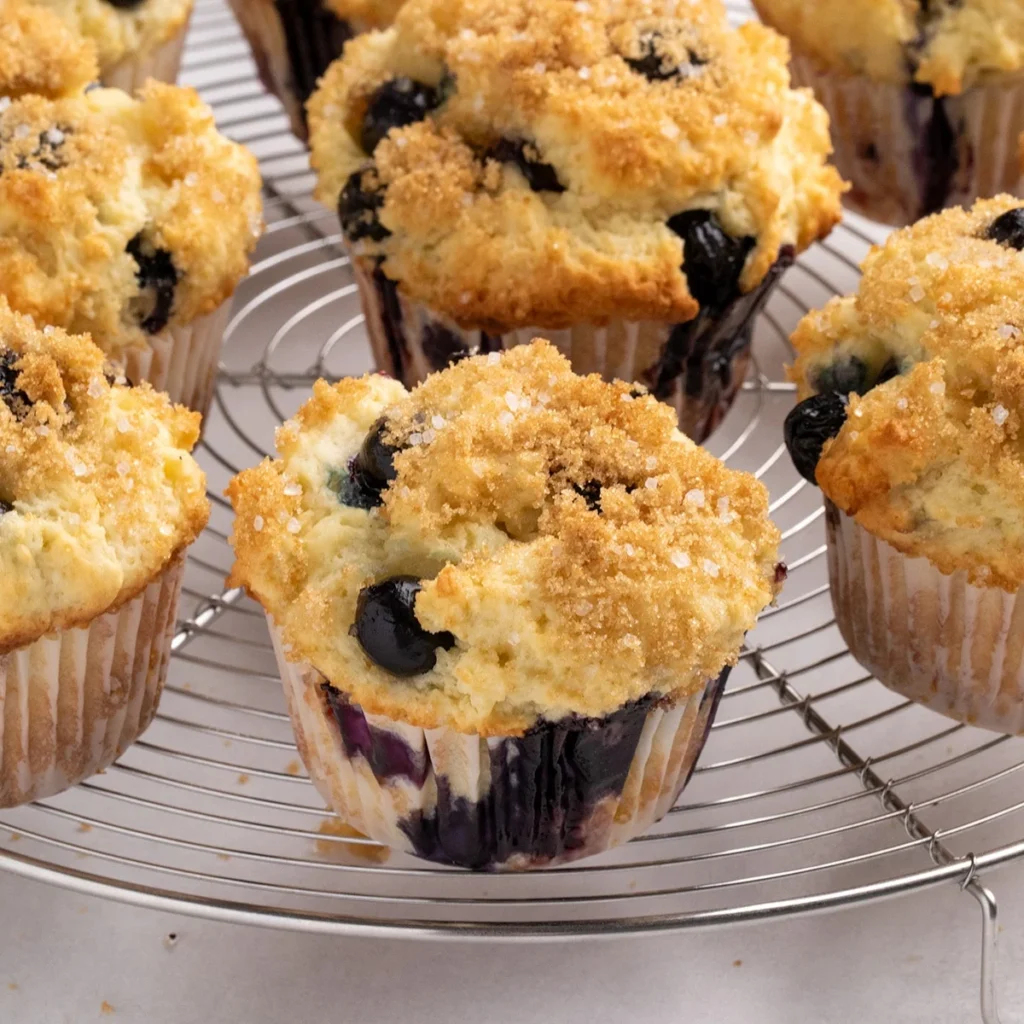
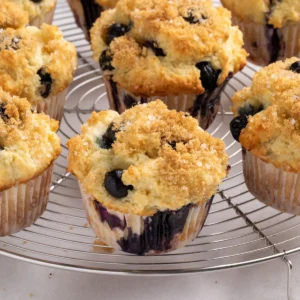
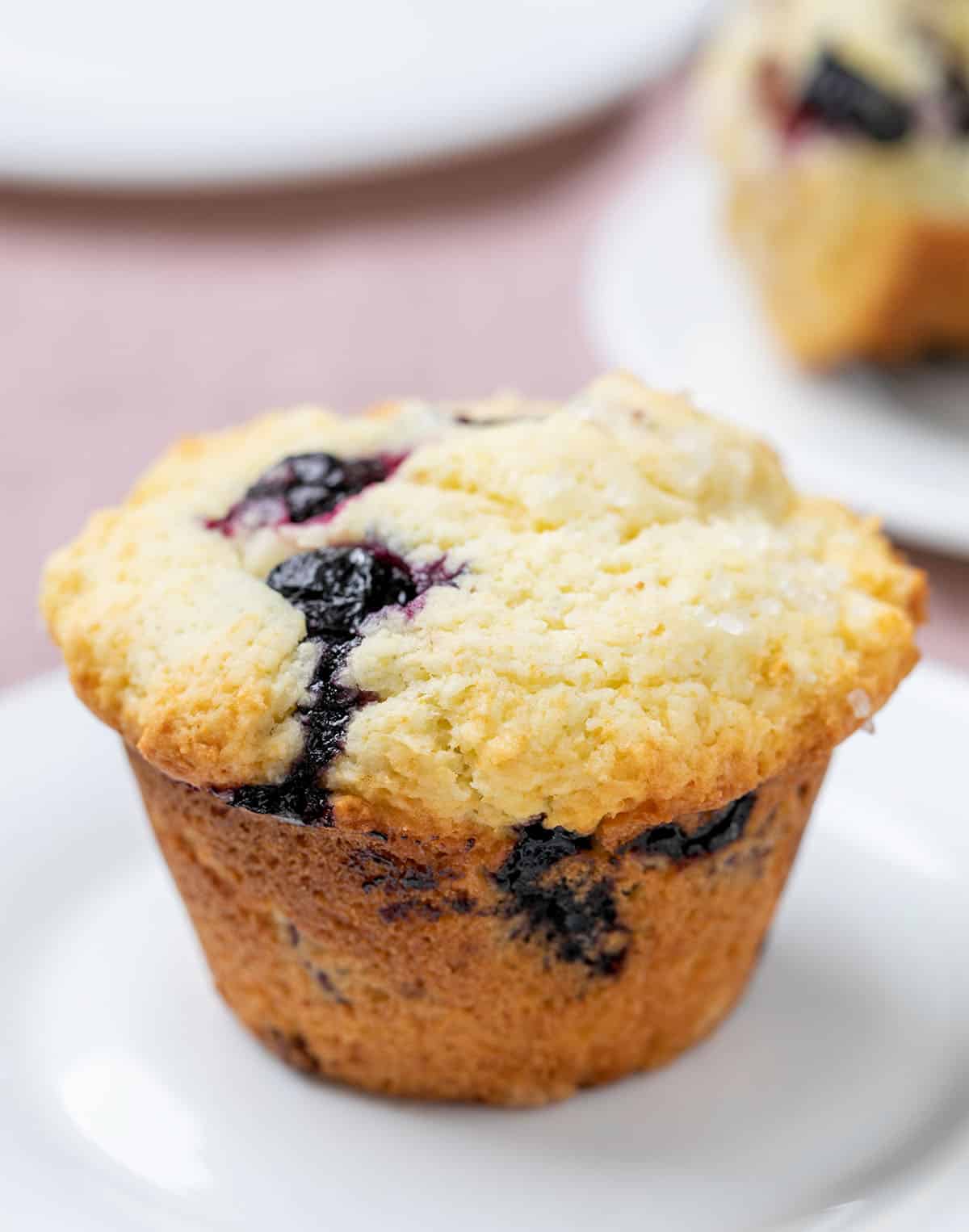
For those navigating a gluten-free lifestyle, the quest for the "perfect" muffin—one that boasts a towering, craggy, bakery-style dome without sacrificing a tender, moist crumb—has long been a culinary holy grail. Often, gluten-free baking is marred by flat tops, gummy textures, or fruit that sinks to the bottom of the tin. However, a new approach to this breakfast classic is changing the narrative, proving that you don’t need a professional mixer or complicated techniques to achieve professional results at home.
Main Facts: The Science of the Muffin
The secret to these high-rising, bakery-style gluten-free blueberry muffins lies not in complex machinery, but in a precise calibration of chemistry and heat management. Unlike standard recipes, this method relies on a specific ratio of xanthan gum to gluten-free flour, which provides the structural integrity necessary to hold a heavy volume of blueberries.
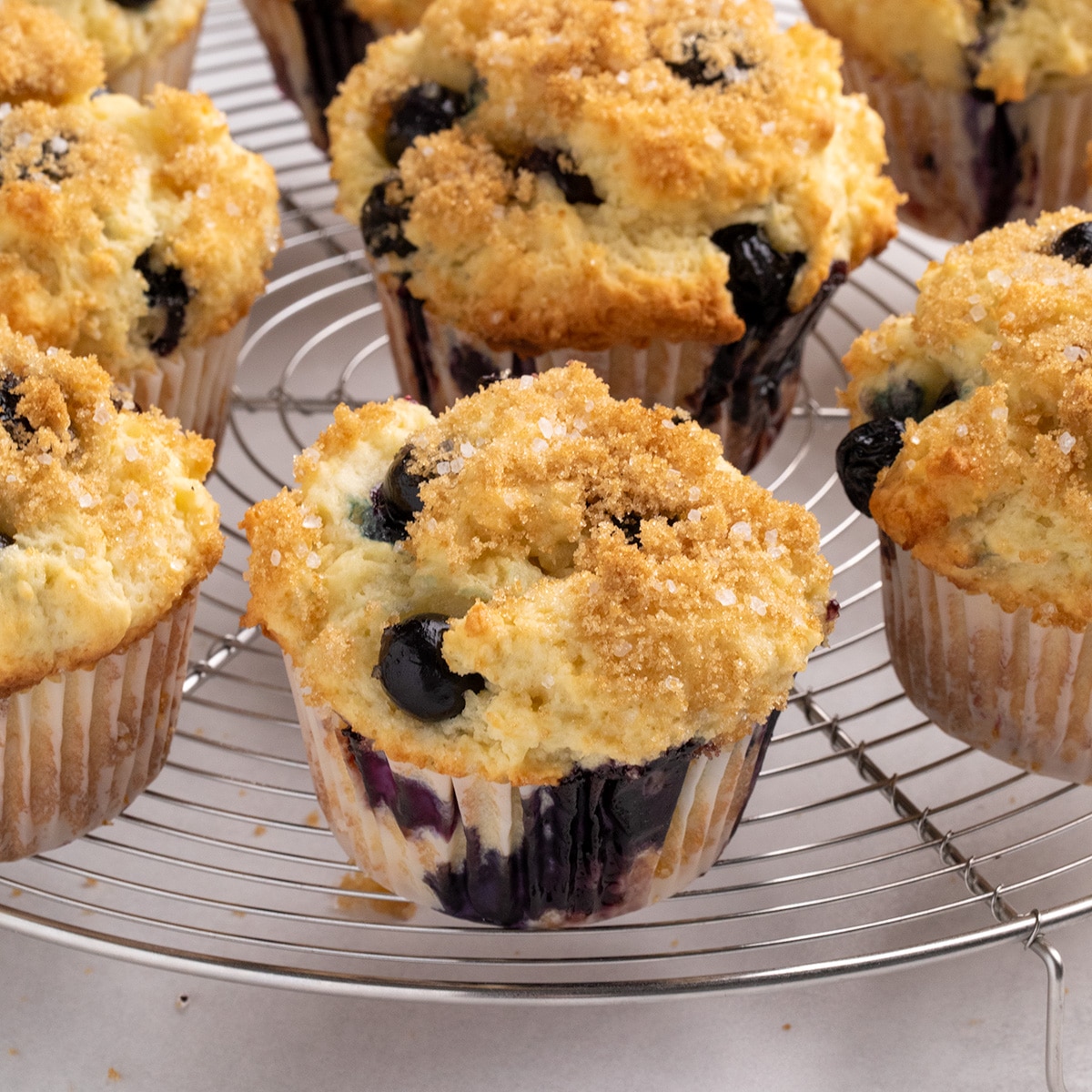
The inclusion of buttermilk and lemon juice serves a dual purpose. The acidity of the lemon juice reacts with the baking soda, creating a rapid lift during the first stage of baking, while the buttermilk provides a richness that offsets the often-dry nature of gluten-free flour blends. Furthermore, the recipe utilizes a "two-stage" temperature technique: starting the oven at a high heat of 400°F (200°C) to force an immediate vertical rise, followed by a reduction to 350°F (175°C) to ensure the centers are fully cooked without compromising the integrity of the golden, sugary crust.
Chronology: A Step-by-Step Execution
Achieving consistent results requires a disciplined approach to the workflow. The process is designed to be streamlined for the home baker:

- Preparation (The Foundation): Preheat the oven to 400°F. Line a 12-cup muffin tin with paper liners. These liners are not merely for convenience; they provide necessary structural support that helps the batter climb upward during the leavening process.
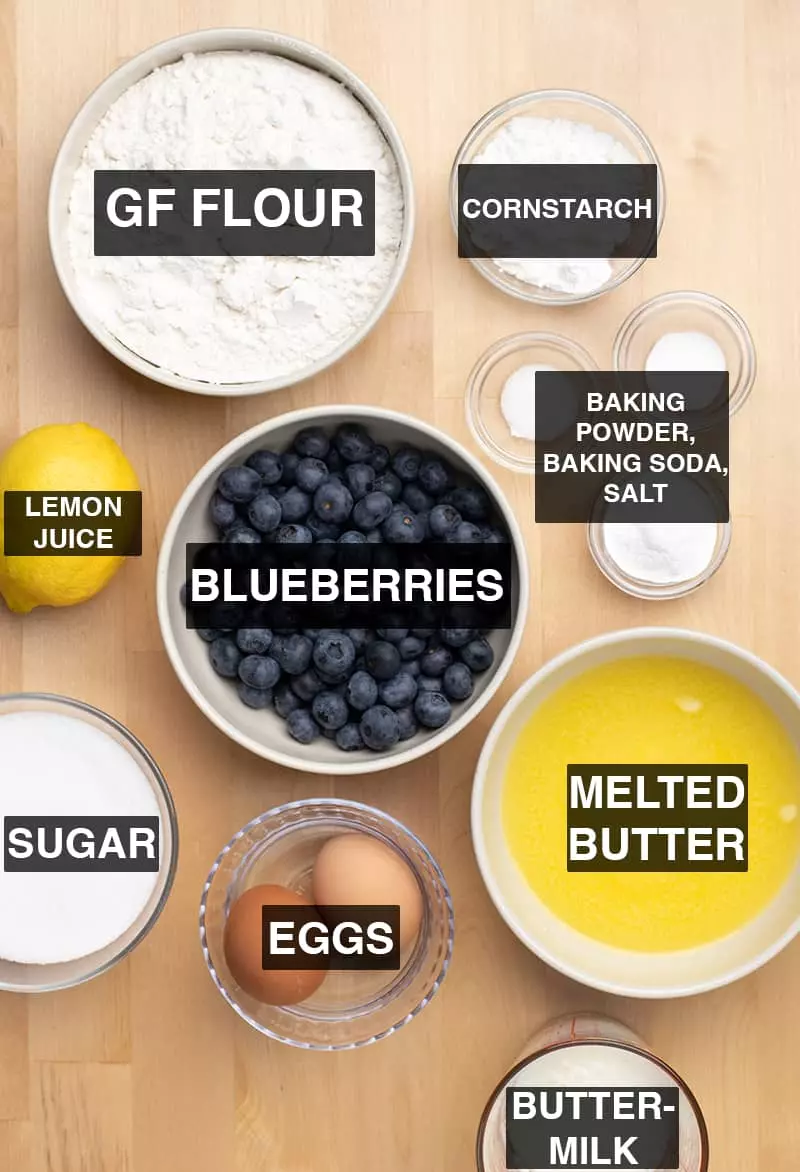
- The Wet-Dry Integration: Whisk melted and cooled butter, buttermilk, lemon juice, and eggs until they form a cohesive, smooth emulsion. Separately, combine the flour blend, extra xanthan gum, cornstarch, leavening agents, and sugar.
- The Berry Strategy: Perhaps the most crucial step for uniform distribution is the "coating technique." Tossing fresh or frozen blueberries in a small portion of the dry flour mixture prevents them from settling at the bottom of the tin. If using frozen berries, they must be incorporated directly from the freezer to prevent the juices from bleeding into the batter.
- Mixing and Filling: Combine the wet and dry ingredients until just incorporated. The resulting batter should be notably thick. Distribute the batter into the muffin wells, filling them to the brim. Creating a slight mound in the center of each cup encourages that signature rounded top.
- The Finishing Touch: A final brush of melted butter and a sprinkle of coarse or brown sugar creates a delicate, crispy shell that contrasts beautifully with the soft interior.
- The Bake and Rest: Bake at 400°F for the initial 10 minutes, then drop the temperature to 350°F for the remaining 10–12 minutes. Once finished, allow the muffins to rest in the pan for 10 minutes. This period of "retrogradation" allows the starches to stabilize, preventing the muffins from crumbling or becoming overly chewy when transferred to a wire rack.
Supporting Data: Understanding Ingredient Roles
The success of this recipe is contingent upon specific ingredients acting in concert:
- The Flour Blend: A well-balanced gluten-free blend is essential. The recipe advises using high-quality options like Better Batter or Nicole’s Best. If using a blend that already contains xanthan gum, adding an extra 1/4 to 3/4 teaspoon is often necessary for the structural tension required for high domes.
- Cornstarch: This serves as a "softener," cutting through the density of rice-based flours to ensure the crumb remains light and cake-like.
- The "Double-Rise" Chemistry: By utilizing both baking powder and baking soda (activated by the lemon juice/buttermilk acidity), the recipe creates a more vigorous leavening reaction than baking powder alone could provide.
- Nutritional Profile: Each muffin provides approximately 309 kcal, with a balanced macro profile of 48g carbohydrates, 3g protein, and 12g fat. This makes them a substantial, energy-dense breakfast option for those with celiac disease or gluten sensitivities.
Official Responses and Expert Modifications
Addressing common concerns, culinary experts provide clear guidance on how to adapt the recipe for diverse dietary needs:
- Dairy-Free Substitutions: For those avoiding dairy, replacing buttermilk with a 50/50 mix of plain, unsweetened non-dairy yogurt and non-dairy milk (like soy or coconut) works effectively. It is critical to avoid liquid oils; instead, use a block-style vegan butter, which mimics the melting point and fat content of traditional dairy butter.
- Egg-Free Options: While the egg provides essential protein structure, a "chia egg" or a commercial egg replacer like Bob’s Red Mill can be substituted. Users should expect a slight decrease in overall height but a comparable flavor profile.
- Corn-Free Alternatives: For those with corn allergies, arrowroot starch or potato starch are excellent, high-performance substitutes for cornstarch, maintaining the tender, delicate crumb of the muffin.
Implications for Gluten-Free Baking
The implications of this recipe extend beyond just a simple muffin. It demonstrates that the "limitations" often associated with gluten-free baking—such as the inability to achieve bakery-style aesthetics—are often a result of outdated techniques rather than the ingredients themselves.
By moving away from the assumption that gluten-free batter must be treated with extreme caution, this recipe encourages a more robust, high-heat approach. The success of the "high-start" temperature method suggests that gluten-free bakers can, and should, demand more from their results.
Furthermore, the emphasis on the "resting period" post-bake highlights a fundamental truth in gluten-free culinary science: patience is an ingredient. By allowing the starches to reorganize during the cooling phase, the baker avoids the common pitfall of gummy, unappealing textures.
This recipe serves as a blueprint for future experimentation. Whether one is swapping in raspberries or adjusting the sugar content, the underlying mechanics—the thick, high-structure batter, the careful coating of mix-ins, and the precise temperature management—remain a reliable foundation. For the gluten-free community, this is not just about a blueberry muffin; it is about restoring the joy of home baking to a standard that rivals any traditional, wheat-based bakery. Through rigorous testing and the clever application of food science, the gap between "gluten-free" and "world-class" continues to narrow, one perfectly domed, golden-brown muffin at a time.