The Dilemma of the Invasive Landscape: Balancing Ecological Responsibility with Property Stewardship
When we purchase a new property, we are often seduced by the aesthetic promise of established gardens. We envision vibrant blooms and lush greenery, frequently overlooking the biological reality of what is actually growing beneath our feet. For many homeowners, this "honeymoon phase" of property ownership comes to a crashing halt when they realize that the verdant hedges and sprawling groundcovers they inherited are, in fact, ecologically destructive invaders.
Transitioning from a landscape dominated by invasive species to one that supports biodiversity is a noble goal, yet it is rarely as simple as grabbing a shovel and pulling weeds. As Heather Tuckman, a landscape designer and owner of Resilient Ground Design, discovered upon moving into her own property, the removal of invasive species can trigger unforeseen environmental consequences. The challenge lies in navigating the delicate balance between eradicating harmful plants and maintaining the functional integrity of the landscape.
The Hidden Cost of "Free" Landscaping
The prior owner of Tuckman’s property had filled the landscape with "free" plants—species that are cheap, fast-growing, and widely available, but often ecologically disastrous. Among the offenders were the damaged black locust (Robinia pseudoacacia), which posed an immediate safety threat; eastern hemlocks (Tsuga canadensis) struggling against the hemlock woolly adelgid; and a dense, towering thicket of conifers planted directly against the home’s foundation.
Beyond these immediate issues, the property was rife with plants classified as invasive or ecologically harmful:
- Orange Daylily (Hemerocallis fulva): A persistent spreader that chokes out native flora.
- Japanese Spirea (Spiraea japonica): A prolific seed producer that disrupts local ecosystems.
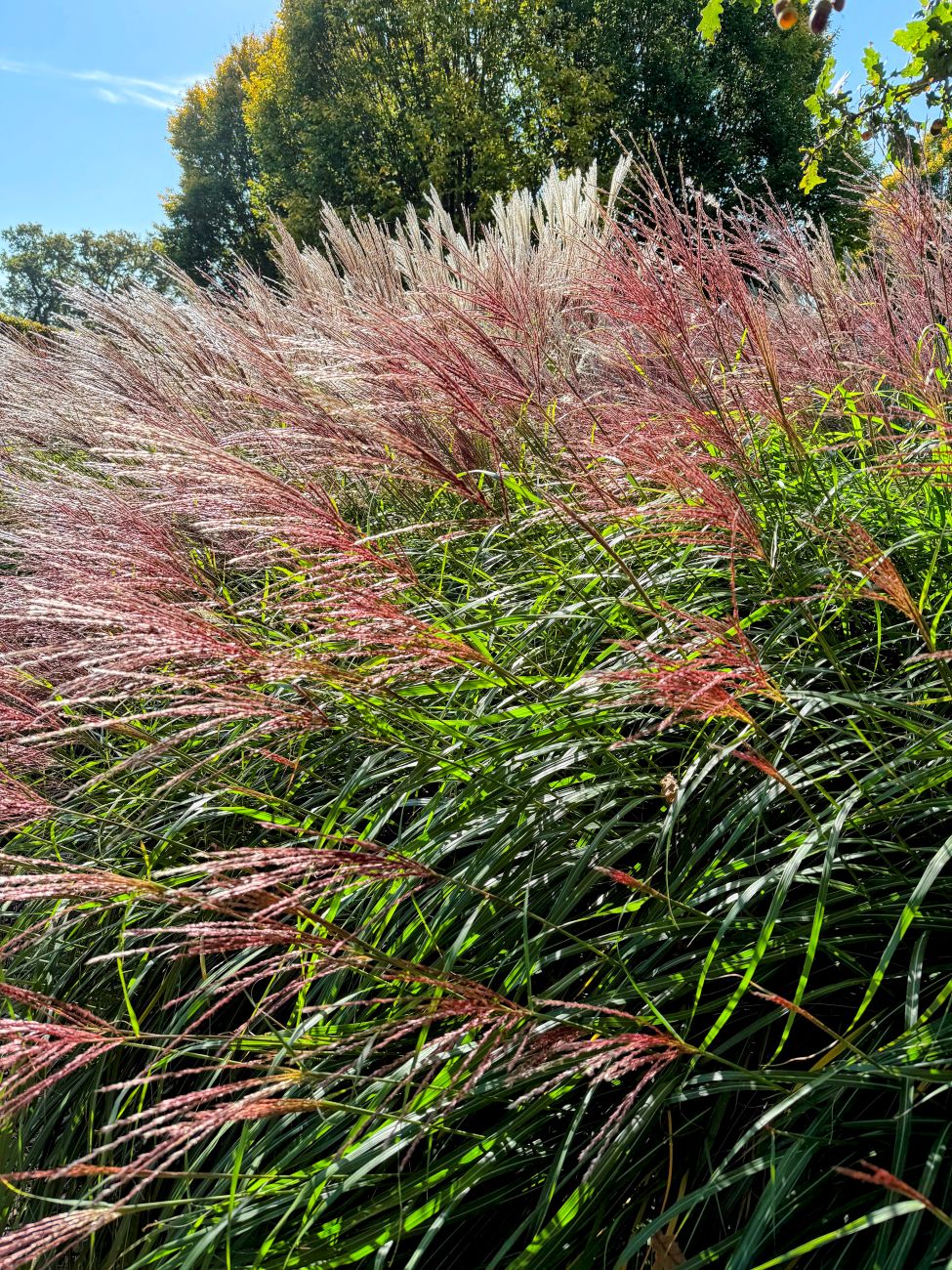
- Chinese Silver Grass (Miscanthus sinensis): A common ornamental that escapes into the wild, crowds out native species, and significantly increases fire risk.
- Burning Bush (Euonymus alatus): A notorious invader that displaces native understory shrubs.
These plants do more than just look out of place; they degrade the local food web. By reducing biodiversity, they eliminate the specialized host plants required by native insects, which in turn impacts the birds and small mammals that rely on those insects for survival.
A Chronology of Conflict: When Removal Creates Risk
The realization that these plants needed to go was only the beginning. The process of ecological remediation soon became a masterclass in unintended consequences.
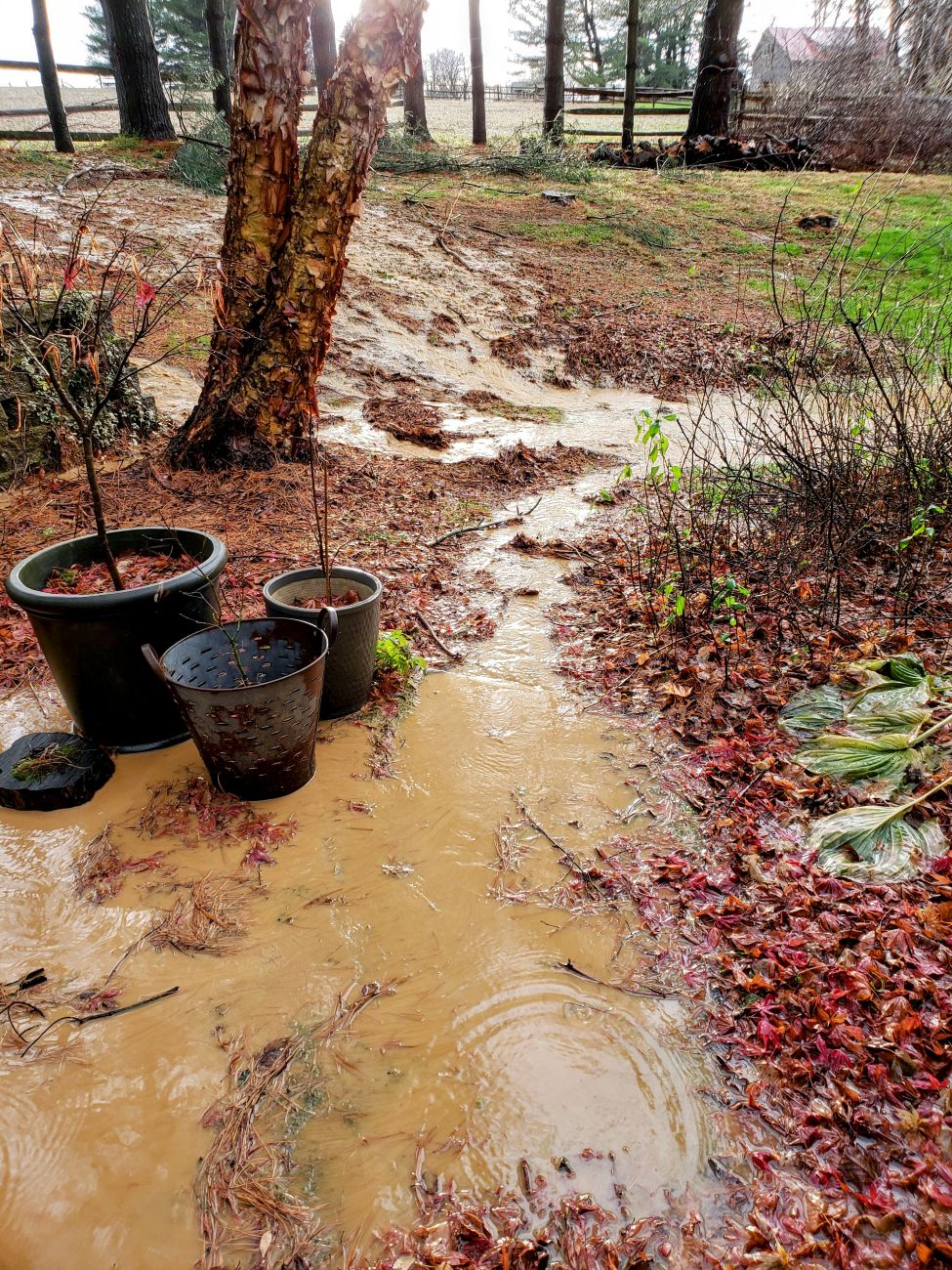
The turning point occurred during a heavy summer storm. The property, situated downhill from conventional farmland, was prone to significant runoff. When the storm hit, water did not merely trickle; it flooded the area, turning the landscape into a series of rushing streams and deep pools. As water pressed against the threshold of the home and eventually seeped through the foundation, it became clear that the "problematic" plants were serving a hidden purpose.
The prior homeowner had planted a thick barrier of eastern white pines (Pinus strobus) and burning bush (Euonymus alatus) along the property’s edge. While these species are ecologically destructive in the broader landscape, in this specific, localized context, they were acting as a massive, living sponge, slowing the velocity of the runoff and absorbing excess water before it could reach the home’s foundation.
This forced a shift in strategy. Immediate, wholesale removal was no longer an option; it would have resulted in severe water damage to the residence. The remediation became a multi-year, phased project involving regrading, the installation of high-capacity sump pumps, professional drainage solutions, and a strategic, step-by-step replacement of the invasive barrier with native alternatives.
Supporting Data: The Ecological and Practical Trade-offs
The data supporting the removal of invasive species is unequivocal: invasive plants reduce resilience in local ecosystems. However, the practical application of this removal requires a nuanced approach. According to ecological research, invasive species removal should be guided by three core metrics:
- Ecological Impact: How much is this plant displacing native biodiversity?
- Functional Service: Is this plant providing a necessary service, such as erosion control, wind breaking, or flood mitigation?
- Containment Capacity: Can the landowner manage the plant’s spread while waiting for a permanent replacement to take root?
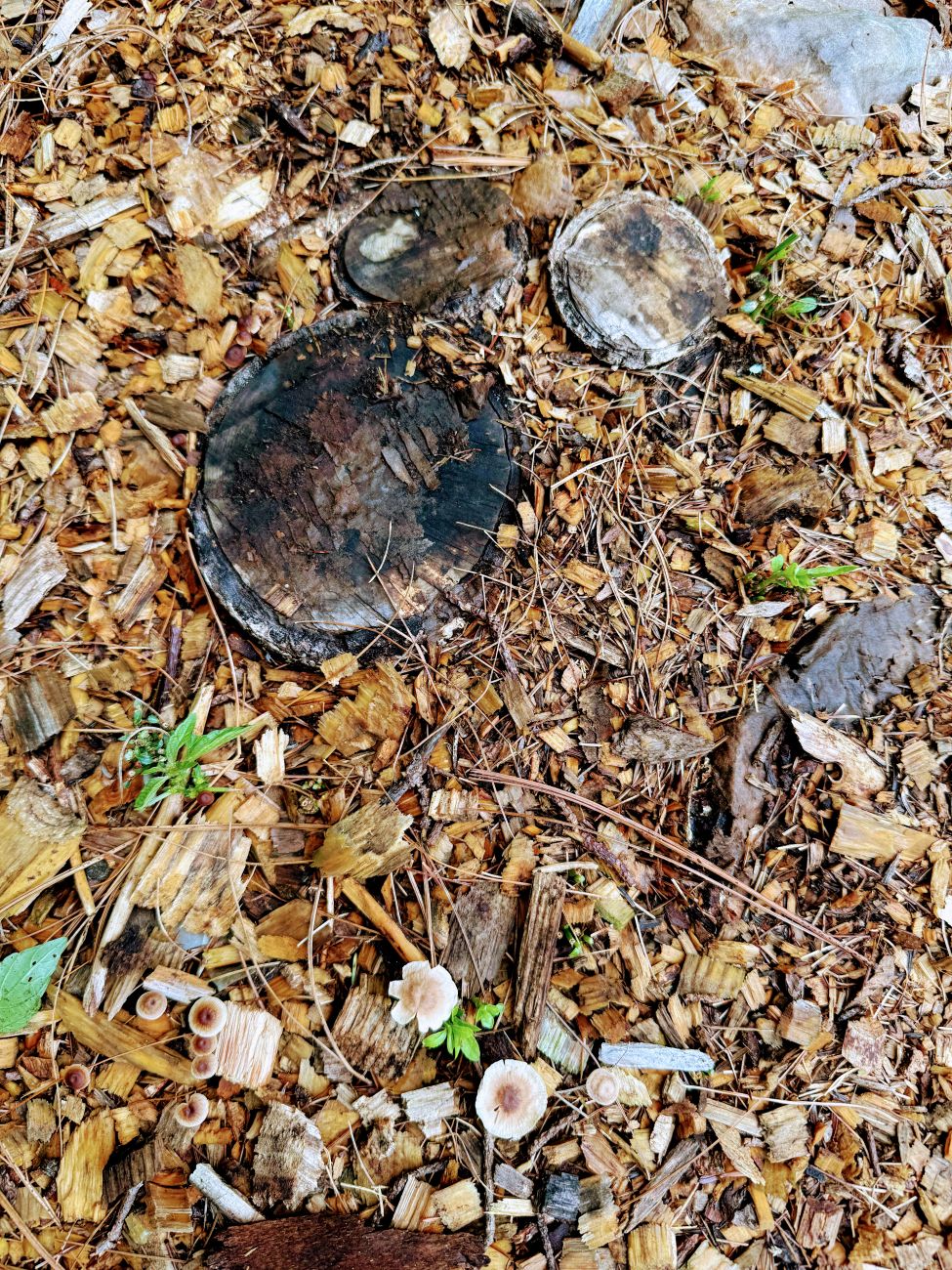
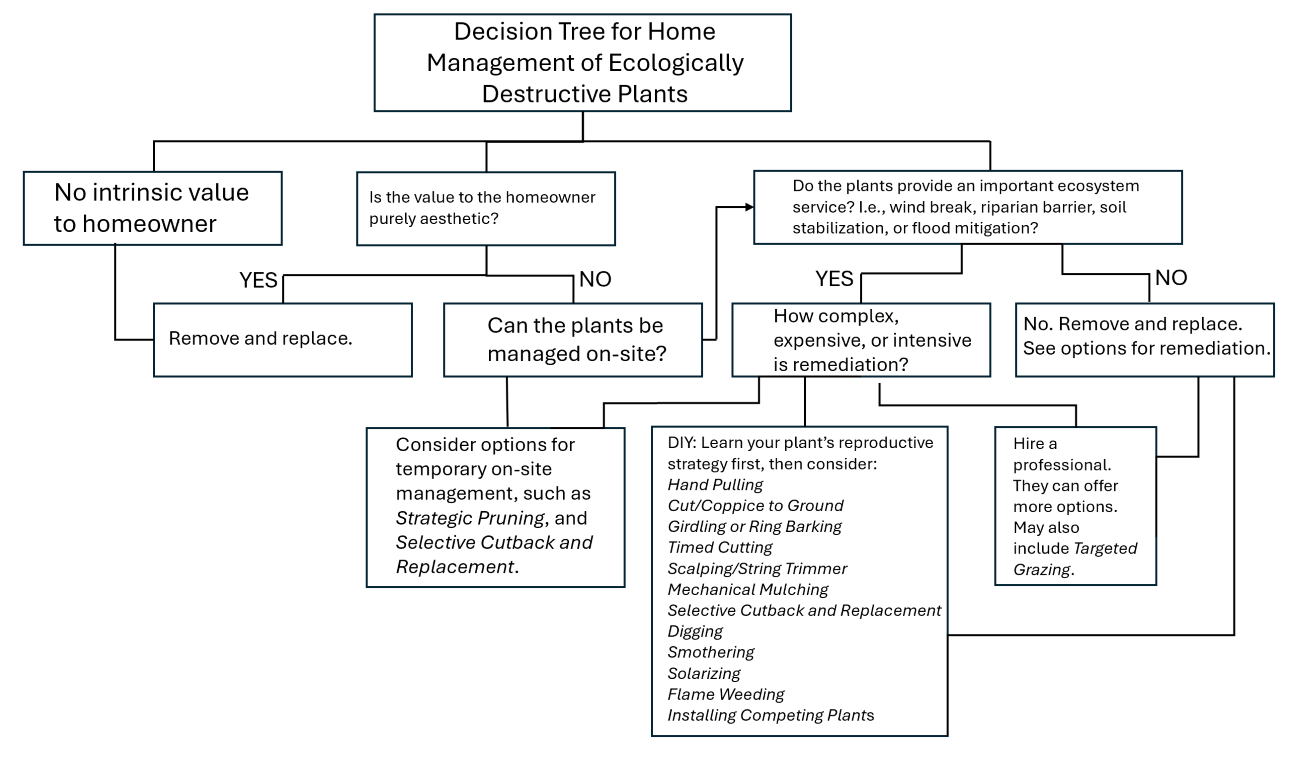
In the case of the burning bush, the "coppice" method proved effective. By cutting the shrubs to the ground in late summer, covering the stumps with cardboard, and layering five inches of fresh arborist chips on top, the plant was effectively smothered. While it required patience—and the manual pulling of the occasional persistent shoot—the method killed the invasive plant without the need for broad-spectrum chemical herbicides, which could have leached into the water table during the flooding events.
Official Guidance and Professional Standards
The prevailing guidance from conservationists and agricultural extension offices is clear: do not plant invasive species. However, professional landscape architects emphasize that "invasive management" is not synonymous with "instant eradication."
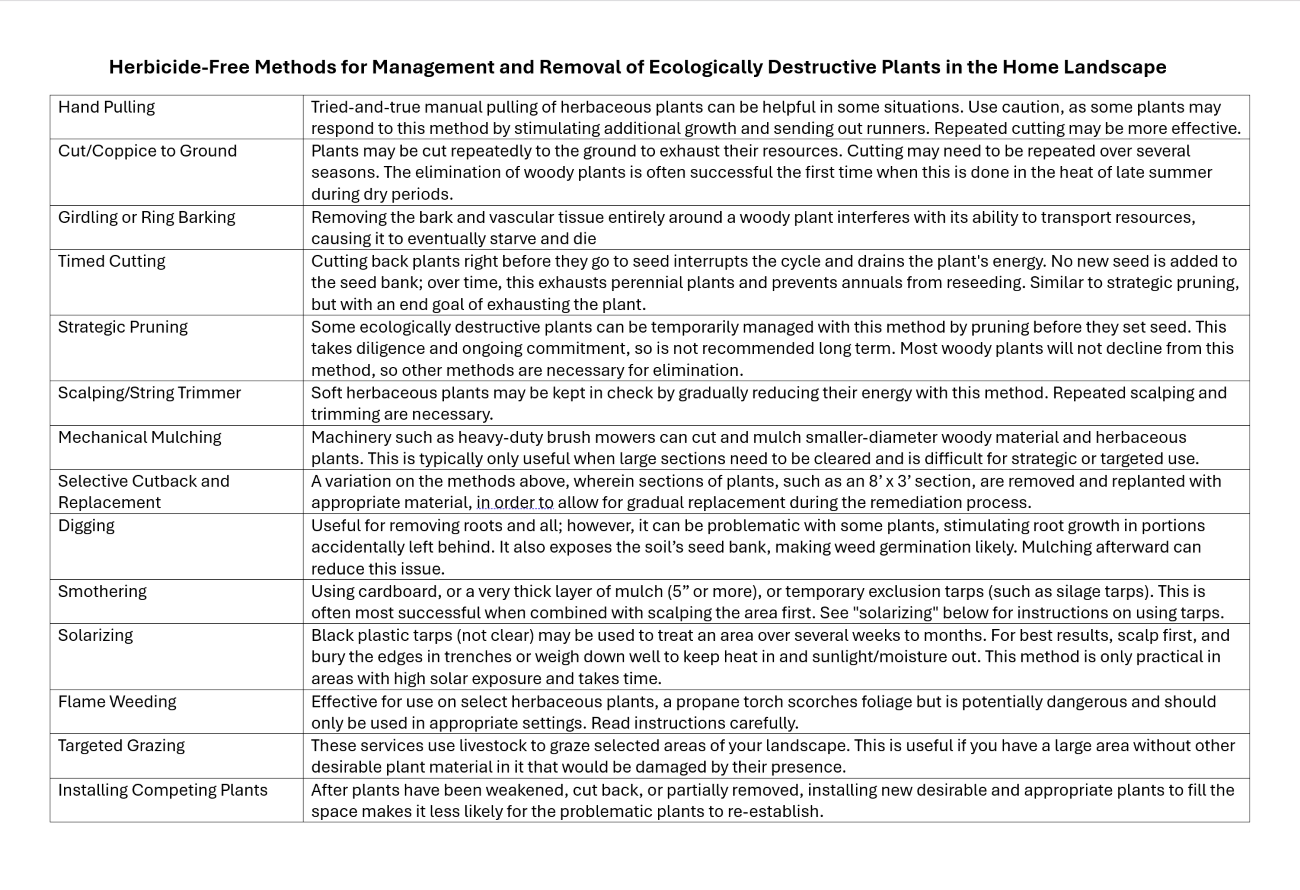
When dealing with established populations, experts suggest using a decision-tree model:
- Is the plant an active threat to protected wild spaces? If yes, removal must be prioritized.
- Does the plant provide critical infrastructure support? If the plant is holding a hillside in place or preventing home flooding, plan for a "transitional landscape."
- What is the replacement strategy? Never leave bare soil. Invasive seeds are opportunistic; the moment a space is cleared, it must be replanted with native, deep-rooted alternatives like sumacs (Rhus spp.) or witch alder (Fothergilla), which can provide the same structural and hydrological services without the ecological harm.
For complex sites, the recommendation is always to involve a professional—be it a hydrologist, a certified arborist, or an ecological garden designer. Attempting to manage a major site transformation without understanding the hydrology or the seed bank of the soil can lead to more harm than good.
The Long-Term Implications: Building Resilience
The journey of moving from a landscape of invasive, destructive plants to one of ecological resilience is not merely a gardening project; it is a long-term investment in the health of the local environment.
The implications for the homeowner are profound. First, there is the financial outlay. Proper removal, soil remediation, and the purchase of native nursery stock require significant capital. Second, there is the physical labor. Native species often require more "establishment care" than the hardy, aggressive invasives they replace. Third, there is the aesthetic transition. Homeowners must learn to appreciate the seasonal beauty of native plants, which may not always offer the uniform, "manicured" look of traditional invasive hedges.
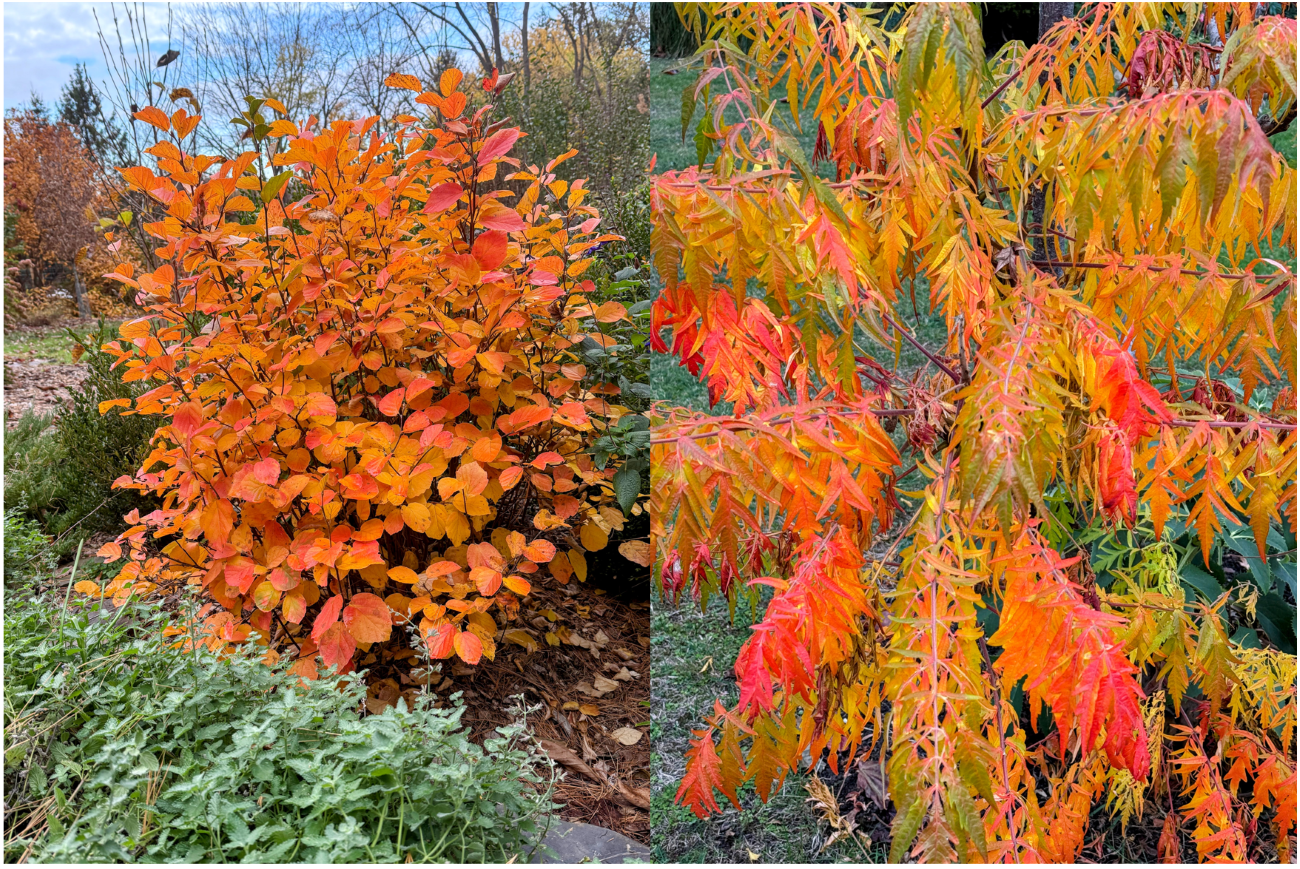
However, the payoff is substantial. A native landscape requires less chemical input, supports a wider array of pollinators and birds, and contributes to the overall stability of the local water cycle.
As we look toward the future of residential landscaping, the emphasis must shift from "low-maintenance" to "high-function." By carefully assessing the role of existing plants, using logical decision trees for removal, and committing to a staged replacement strategy, homeowners can transform their properties from ecological liabilities into cornerstones of local biodiversity. The goal is not to force the landscape into submission, but to work with the site’s natural constraints to create a garden that is as sustainable as it is beautiful.
About the Author: Heather Tuckman is the owner of Resilient Ground Design in Southeastern Pennsylvania and a graduate of the London College of Garden Design. Her work focuses on the intersection of aesthetic design and ecological function.