The Art of the Viral Click: How to Master Food Photography in the Digital Age
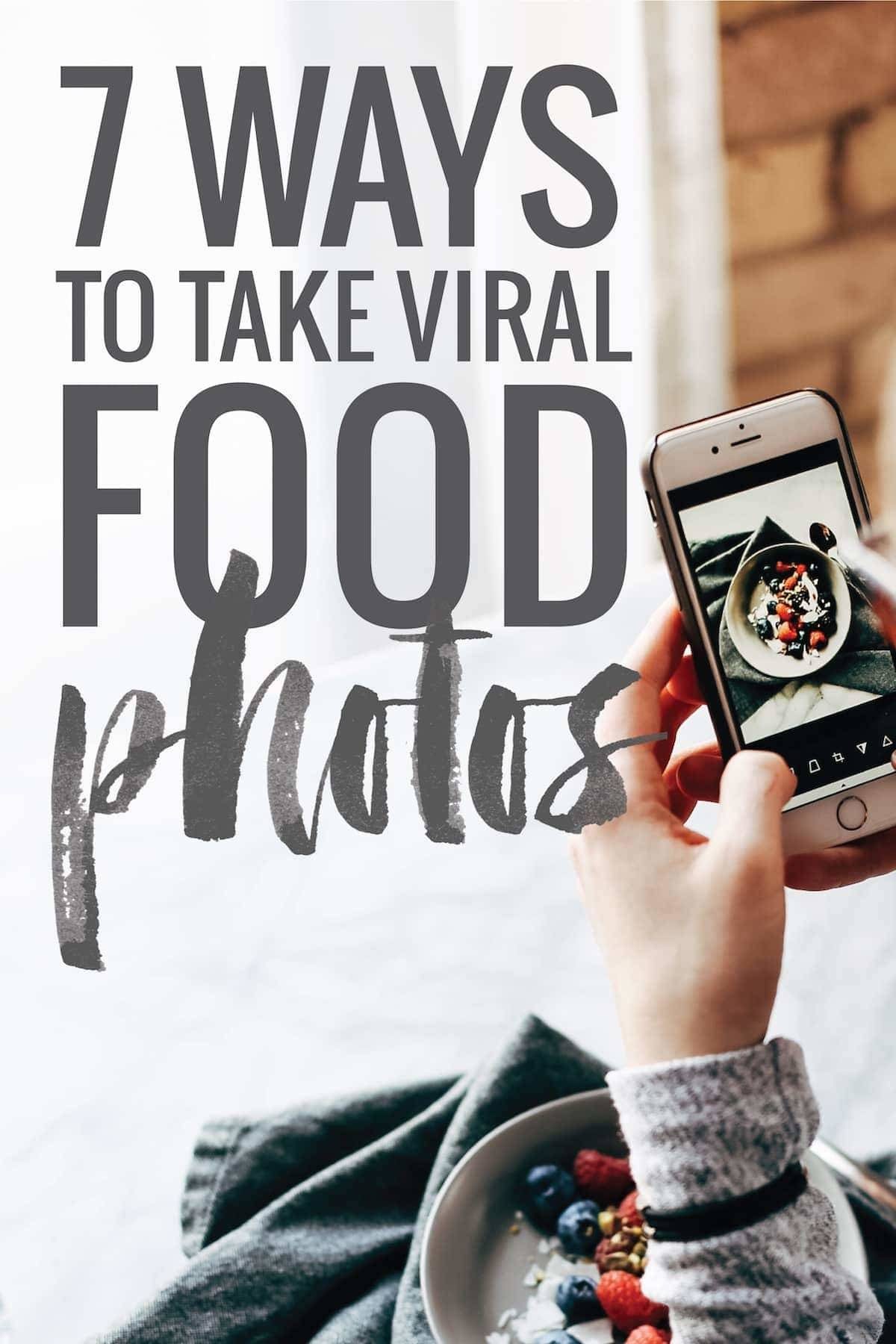
In the hyper-competitive landscape of social media, the difference between a scrolling thumb and an engaged follower often comes down to a single, high-quality image. As food blogging continues to evolve into a sophisticated intersection of culinary arts and digital marketing, the ability to capture "viral" food photography has become a primary skill set for content creators. Recent insights from the industry—specifically from the renowned Pinch of Yum studio—highlight that while talent plays a role, technical proficiency and deliberate stylistic choices are the true drivers of viral engagement.
The Evolution of Culinary Content
The demand for high-quality food imagery has grown exponentially over the last decade. With platforms like Instagram and Pinterest serving as the primary discovery engines for recipes and dining trends, the visual aesthetic of a dish is now as important as its flavor profile. For professional bloggers and aspiring influencers alike, the challenge lies in translating the sensory experience of a meal into a two-dimensional format that resonates with audiences across the globe.

To address this growing need for technical expertise, industry leaders are increasingly pivoting toward intensive, hands-on education. The recent announcement that registration is open for two-day, in-person food photography workshops marks a significant trend in the creator economy: the move from digital-only tutorials to immersive, collaborative learning environments.
Chronology of a Viral Shift
The impact of specialized training is best illustrated by the experiences of attendees who have transitioned from hobbyist photography to high-performing content creation.
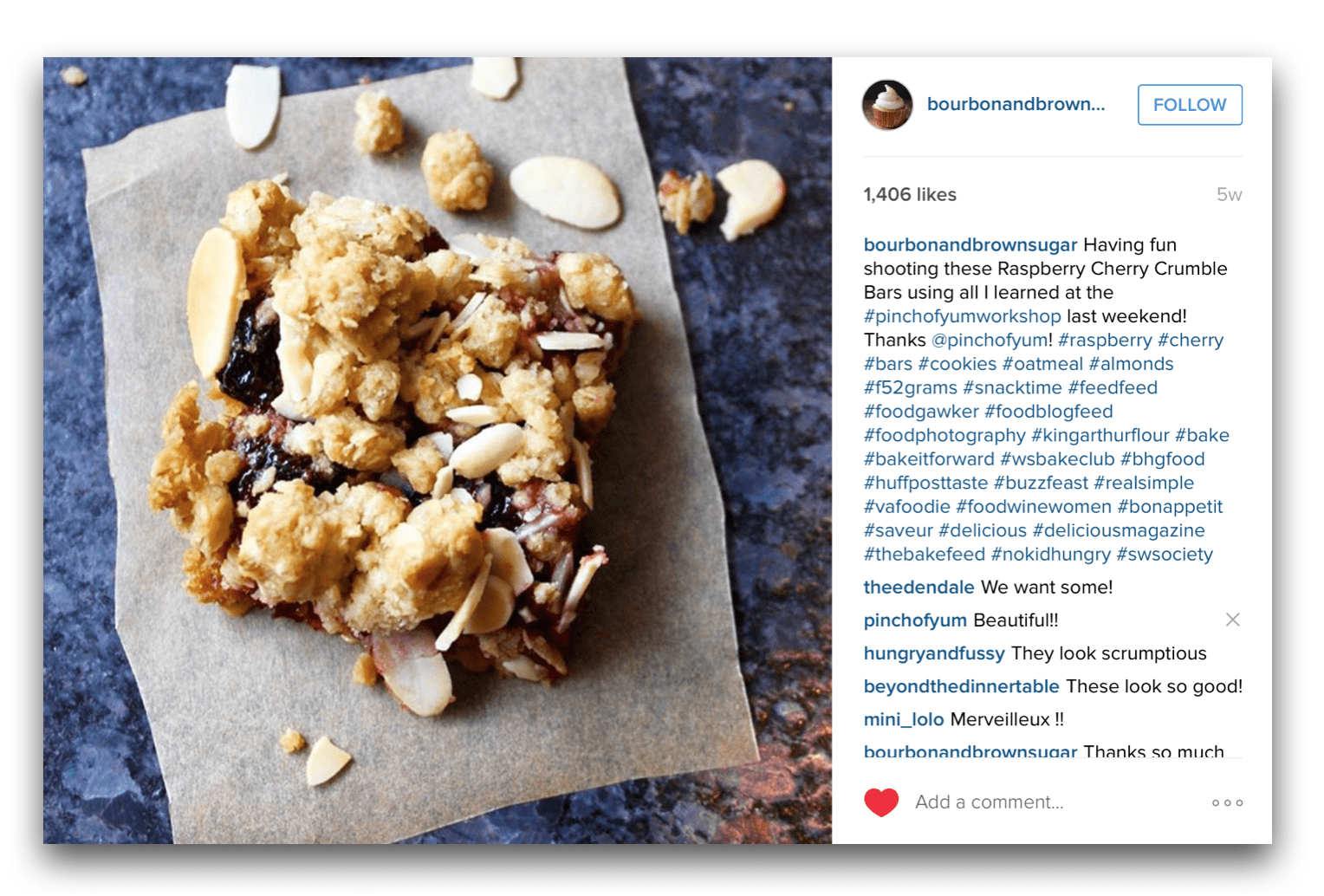
In the spring of this year, an attendee named MB traveled from Virginia to the Pinch of Yum studio for a two-day workshop. Prior to the session, her engagement levels on social media were modest. However, by applying the technical principles of manual camera operation, refined styling techniques, and streamlined post-processing workflows learned during the course, the results were near-instantaneous.
Within days of returning home, MB posted a photograph to Instagram that garnered nearly 1,400 likes—an increase of roughly 1,100 interactions compared to her previous baseline. This anecdotal evidence serves as a case study for the "Education-to-Execution" pipeline: when creators are equipped with the right tools and a structured methodology, their ability to drive viral engagement increases dramatically.
Supporting Data: The Mechanics of Viral Imagery
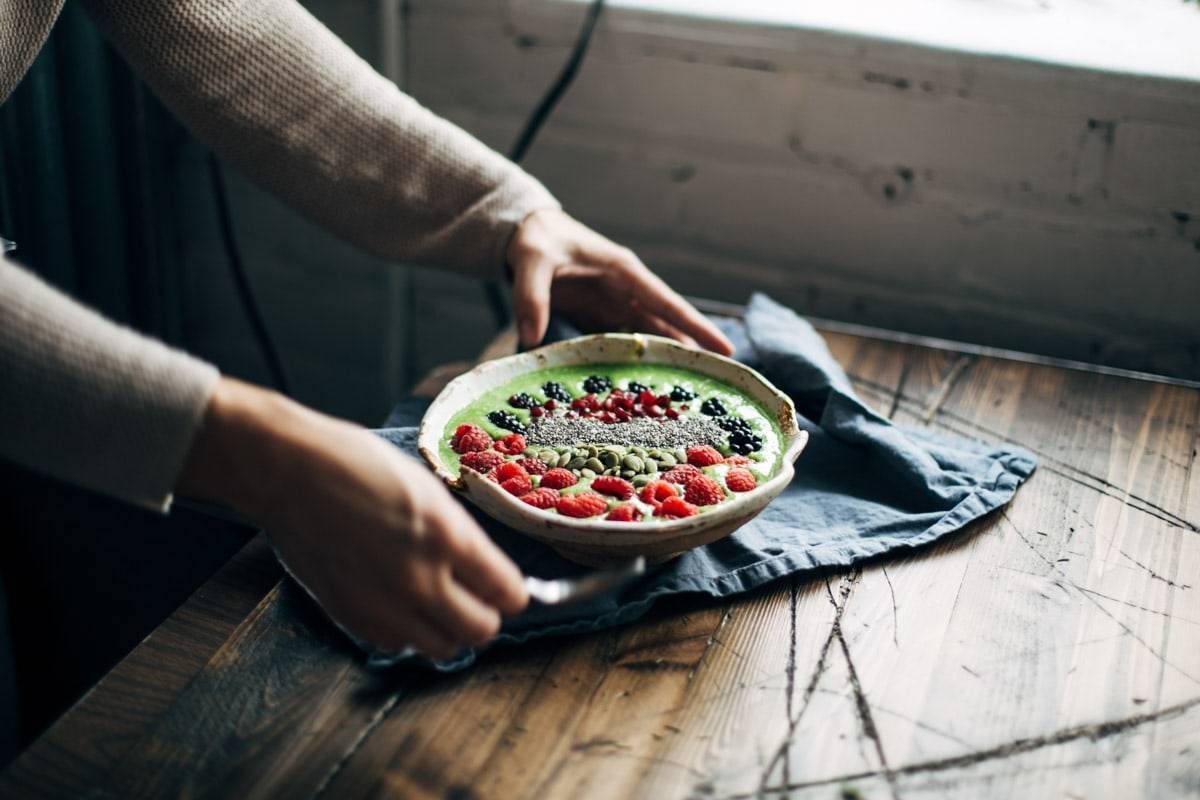
While creative flair is subjective, the mechanics of a viral image are largely objective. Experts identify seven core strategies that, when executed correctly, maximize the potential for social media success:
1. Mastering Perspective: Overhead vs. Straight-On
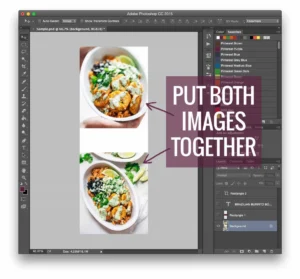
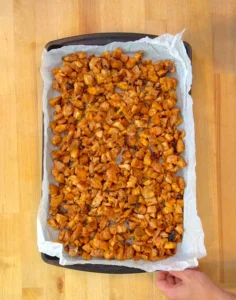
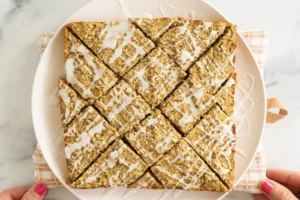
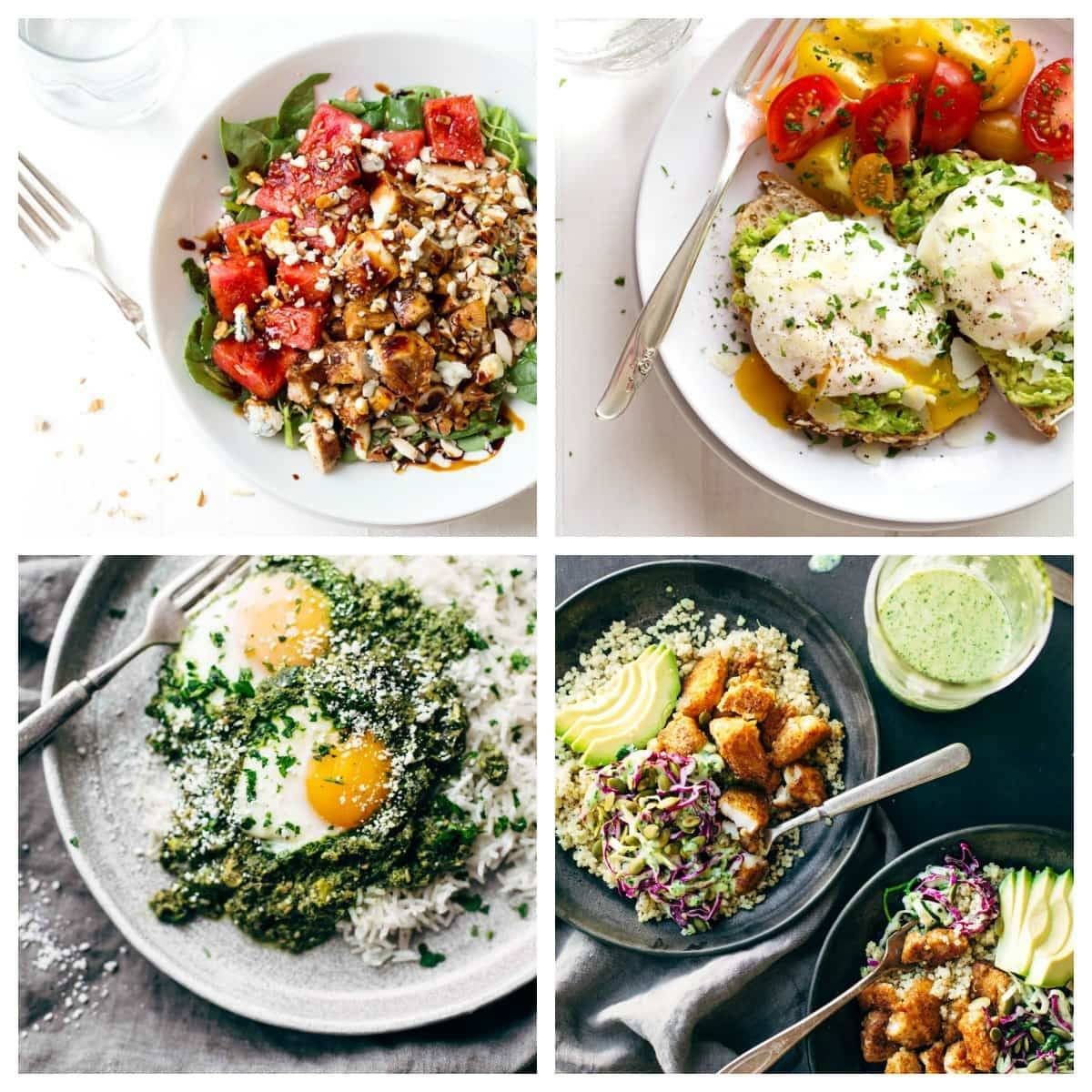
The angle of the shot dictates the narrative of the food. Overhead shots, or "flat lays," provide a comprehensive view of the composition, making them ideal for complex dishes like smoothie bowls or colorful salads. Conversely, straight-on shots emphasize verticality and texture, which is essential for capturing the allure of saucy burgers, towering pasta dishes, or layered desserts. These two angles are highly effective because they translate seamlessly to the mobile-first viewing habits of social media users.
2. The Case for Matte Finishes
One of the most common pitfalls for amateur photographers is the use of highly reflective, glossy dishware. These surfaces create unwanted highlights and often catch the photographer’s own reflection. Utilizing matte-finish props and ceramics eliminates this distraction, allowing the focus to remain squarely on the food.
3. The Power of Monochrome
A monochromatic color palette—such as a white dish on a white background—strips away visual noise. By removing competing colors, the viewer’s eye is naturally drawn to the food itself, creating a clean, professional aesthetic that performs exceptionally well in feeds that prioritize minimalism.

4. Intentional Food Styling
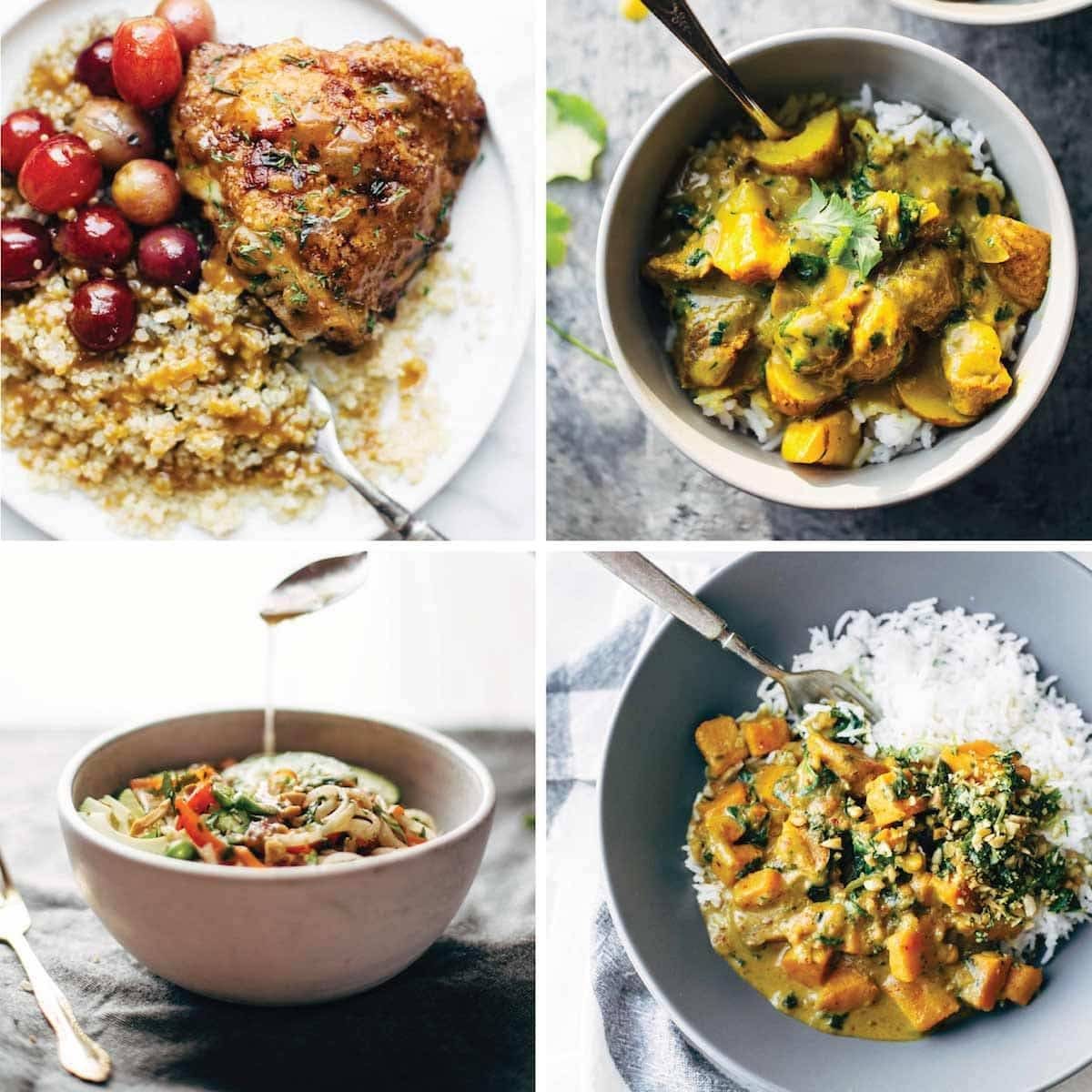
Before a camera is ever lifted, the food must be prepared for the lens. Techniques such as the "fork-twist" for noodles, achieving the perfect runny egg yolk, or using fresh herbs to add vibrant color are the subtle details that separate a snapshot from a professional photograph. The goal is to convey texture, shape, and movement.
5. Creating Compelling Narratives
A photo must be compelling enough to stop a user from scrolling. This often involves elevating a standard recipe—for example, rather than shooting a single, flat slice of banana bread, a photographer might stack several slices and add a melting pat of butter. This "wow-factor" adds a sense of abundance and desire, encouraging higher engagement rates.

6. Developing a Signature Aesthetic
Consistency is the cornerstone of brand building. By developing a signature look—whether that is bright and airy or dark and moody—photographers provide their audience with a recognizable style. This does not mean repeating the same shot, but rather establishing a visual identity that informs every creative decision.
7. The Commitment to Study and Practice
The final, and perhaps most vital, pillar is the act of studying established masters of the craft. Analyzing the work of others helps creators identify the techniques that resonate with their own style. This study must be followed by "practice, practice, practice," as the gap between inspiration and execution is closed only through repeated action.

Official Perspectives: The Philosophy of Teaching
At the heart of these professional workshops is a shift in perspective regarding what constitutes "great" photography. Educators in this space often emphasize that their success is not predicated on being the "best in the world," but on their ability to act as facilitators for others.
"I get so much joy from taking something that is an otherwise very intimidating and artistic and ambiguous process and making it easy to understand," says a representative from the studio. By utilizing a "Teach-Model-Guided Practice" framework, workshops ensure that students don’t just observe theory—they internalize it. This pedagogical approach is designed to ensure that the skills learned are sustainable, allowing photographers to monetize their work or find creative fulfillment long after the workshop concludes.
Implications for the Future of Content Creation
The inclusion of bonuses, such as a one-year membership to industry-standard platforms like Food Blogger Pro, underscores the shift toward comprehensive career development. It is no longer enough to take a single viral photo; the current market demands a holistic understanding of the blogging ecosystem, including search engine optimization (SEO), community building, and long-term content strategy.
As workshops fill up—often reaching capacity weeks in advance—it is clear that the barrier to entry for professional-grade food photography is dropping. The implication for the industry is a rapid elevation in the quality of online content. As more creators adopt these technical standards, the "viral" bar will continue to rise, forcing the industry to move away from casual documentation toward intentional, high-production-value digital art.
For the modern food creator, the message is clear: viral success is not a stroke of luck. It is the result of deliberate study, the application of proven visual principles, and a commitment to refining one’s craft in an environment that prioritizes hands-on growth. As the digital landscape continues to saturate, those who master these seven pillars will be the ones who define the future of food culture.