The Ghost of Paradise: Why It’s Time to Reconsider Ko Lipe

Nineteen years is a lifetime in the world of travel. It is long enough for a generation to come of age, for economies to shift, and for once-hidden corners of the map to be transformed into high-density tourism hubs. In 2006, the Thai island of Ko Lipe was a sanctuary for the intrepid. It was a place defined by its limitations: electricity was a luxury available only for a few hours each evening, basic beach bungalows could be secured for $2 a night, and the "last boat" of the season was a genuine, non-negotiable deadline.
For many, including myself, that version of Ko Lipe represented the pinnacle of the backpacker experience. It was a slow-paced existence centered on reading in a hammock, snorkeling in untouched reefs, and sharing beers at the island’s singular beach bar. It was a place where days bled into weeks, and the modern world felt a thousand miles away.
However, returning to the island after nearly two decades has proven to be a sobering lesson in the costs of progress. My recent journey back to Ko Lipe was not a nostalgic triumph, but rather a confrontation with the harsh realities of overtourism.
The Chronology of a Disappearing Sanctuary
To understand the current state of Ko Lipe, one must look at its rapid evolution over the last twenty years. In the mid-2000s, the island operated on a rhythm dictated by nature. Infrastructure was minimal, and the relationship between the local community and the environment was symbiotic.
By the early 2010s, the "word was out." Improvements in ferry logistics and the rise of social media began to draw larger crowds. The transition from a quiet fishing-adjacent outpost to a commercial hub accelerated rapidly between 2015 and 2024. During this period, the "Ko Phi Phi model"—characterized by rapid, unchecked construction and high-turnover tourism—became the blueprint for the island’s growth.
During my recent visit, which coincided with the New Year’s Eve season, the transformation was jarring. Where there were once dirt paths, there are now concrete roads designed to accommodate motorized traffic and heavy construction machinery. Palm groves have been cleared to make room for high-end, resource-intensive resorts, many of which feature swimming pools—a staggering architectural choice for an island that lacks a natural freshwater supply.
Supporting Data: The Environmental Toll
The environmental degradation of Ko Lipe is no longer an abstract fear; it is a visible reality. The island’s ecological systems are under immense strain.
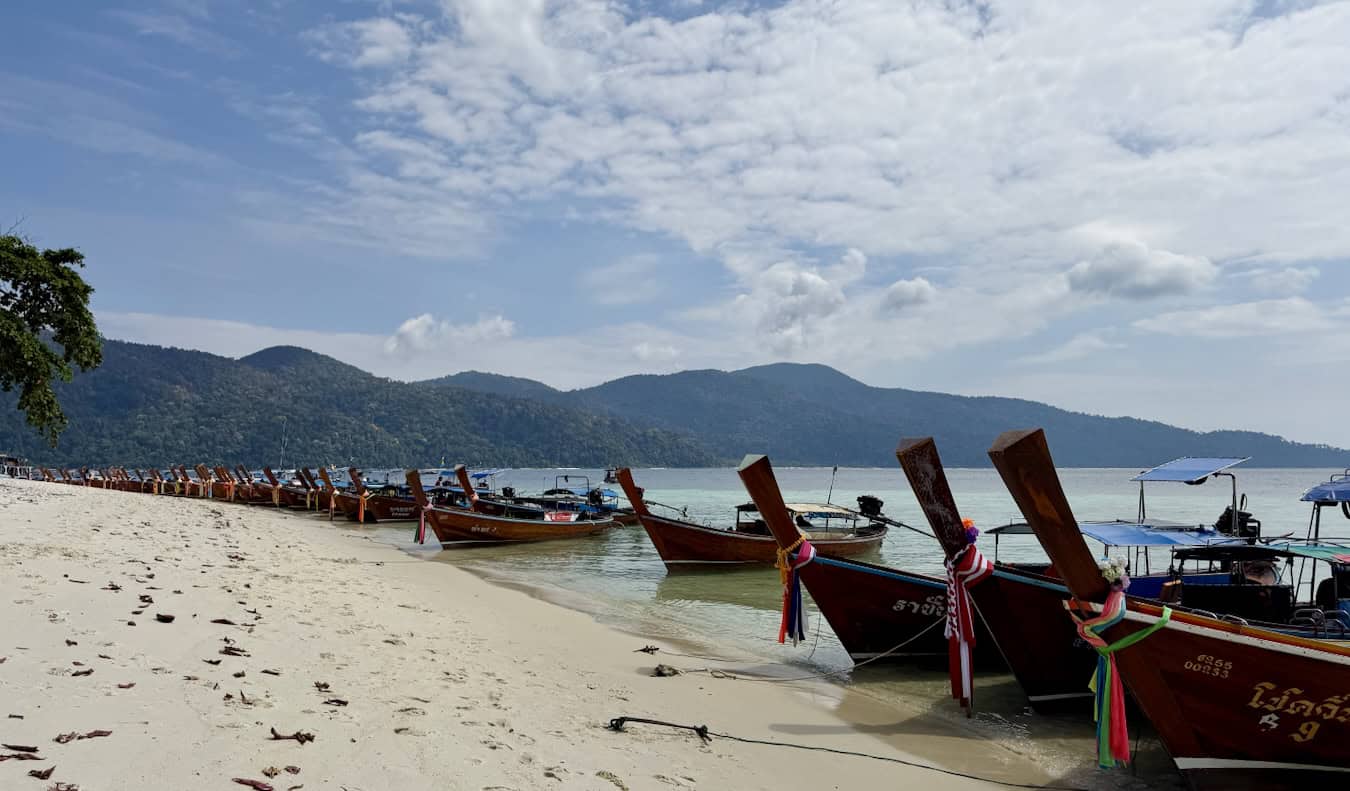
- Marine Degradation: The coral reefs surrounding the island, once a crown jewel of the region, are in a state of terminal decline. The primary culprits are anchor damage, chemical pollution from the dense concentration of longtail boats, and chronic overfishing.
- Water and Waste: The absence of a natural water table means the island relies on desalination and transport, both of which are energy-intensive and place a massive carbon footprint on the local ecosystem. As tourism numbers swell, the island’s waste management systems have struggled to keep pace, leading to increased pollution in the surrounding waters.
- The "Sheen" of Tourism: A clear, oily film of fuel exhaust is now a common sight in the shallows where visitors swim. This is the byproduct of an oversaturated boat market that prioritizes tourist convenience over marine health.
The Human Cost: Displacement and Economic Shifts
The transformation of Ko Lipe has also had profound sociological consequences. As land values have skyrocketed, many local residents—who had called the island home for generations—have been priced out or coerced into selling their land to mainland developers.
The current workforce on the island is now predominantly composed of transient labor from the mainland. While these workers provide the service infrastructure for the tourism boom, they see very little of the wealth generated by it. The benefits of the island’s popularity are increasingly concentrated in the hands of corporate investors rather than the local families who once formed the backbone of the Ko Lipe community.
Official Perspectives and the Myth of Sustainable Growth
While local authorities in Thailand have occasionally implemented temporary closures of other popular islands—such as the famous moratorium on Maya Bay—the response to Ko Lipe’s development has been fragmented.
Government policies often promote tourism as a primary economic driver, yet the regulatory framework to ensure that growth remains within the carrying capacity of the land is frequently ignored in favor of short-term revenue. Environmental activists and marine biologists have long warned that the current pace of development on Ko Lipe is fundamentally unsustainable. However, the pressure to maintain "record-breaking" tourism numbers often outweighs the scientific recommendations for conservation.
The Ethical Dilemma: Should We Still Visit?
This brings us to the most uncomfortable question for the modern traveler: Is it ethical to visit a place that is clearly suffering from the weight of its own popularity?
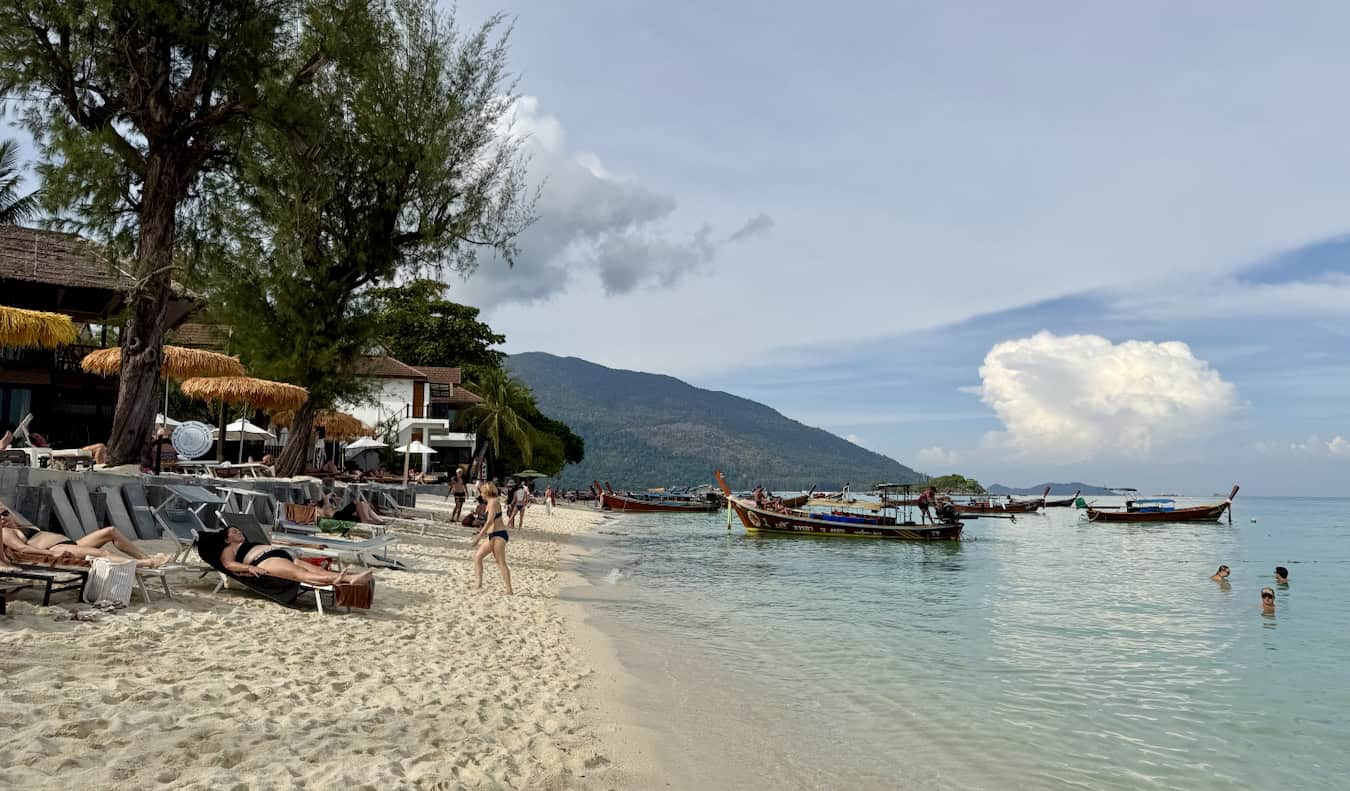
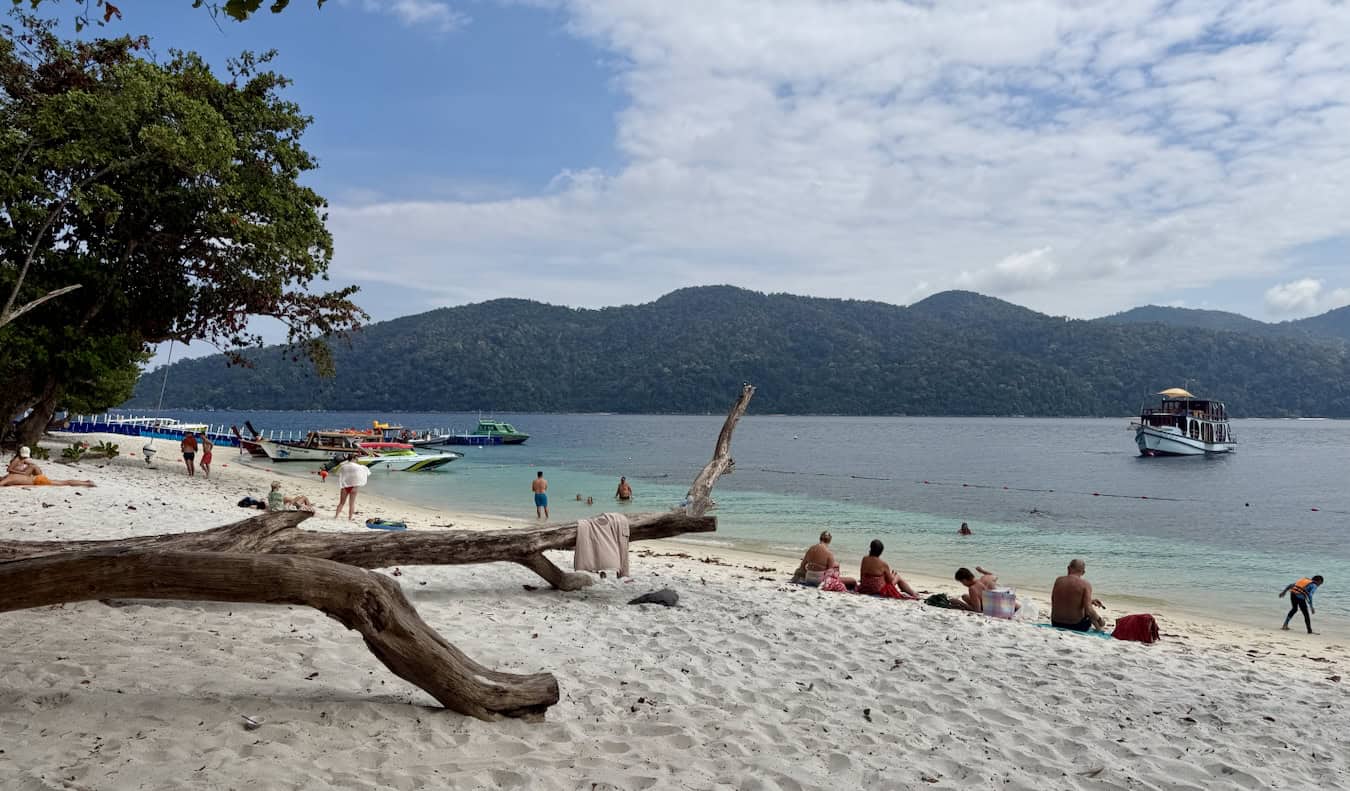
There is no doubt that for a first-time visitor, Ko Lipe remains "postcard perfect." The water is an undeniable azure, the sand is blindingly white, and the surrounding national park offers access to beautiful, secluded islands. It is easy to understand why a traveler would arrive and be struck by the beauty of the region.
However, we must differentiate between the experience of a place and the impact of our presence there.
The Argument for Conscious Abstinence
My conclusion, drawn from both my past experiences and the current reality of the island, is that the era of responsible tourism in Ko Lipe has largely passed. When a destination reaches a level of overdevelopment where the infrastructure can no longer support the influx of visitors without causing irreparable harm, the most responsible act a traveler can take is to abstain.
By continuing to visit, we create demand for more high-end, water-intensive resorts. We justify the expansion of concrete roads. We provide the economic incentive for the continued destruction of the reef. We are, in effect, voting for the status quo with our wallets.
Better Managed Alternatives
If the goal is to enjoy the beauty of the Thai coast without contributing to the cycle of exploitation and degradation, there are viable alternatives. Islands like Ko Lanta, Ko Jum, and Ko Mook currently maintain a better balance between visitor access and environmental stewardship. These destinations offer a glimpse of what the Thai island experience can be when development is managed with a greater sense of respect for the environment and the local community.
Implications for the Future of Travel
The story of Ko Lipe serves as a microcosm for the broader challenges of global tourism. We are living in a time where the "genie cannot be put back in the bottle" once a destination has been industrialized.
However, we have seen that consumer behavior can force change. The decline in the popularity of elephant trekking in Thailand is a direct result of increased consumer consciousness regarding animal welfare. The rise of eco-lodges and sustainable tourism certifications has been driven by travelers who demand better standards.
If we want to see the future of travel change, we must be willing to accept that our choices have an impact. Refusing to contribute to the overdevelopment of Ko Lipe is not just a personal decision to avoid a "ruined" memory; it is an act of advocacy for the places that have not yet reached the breaking point.
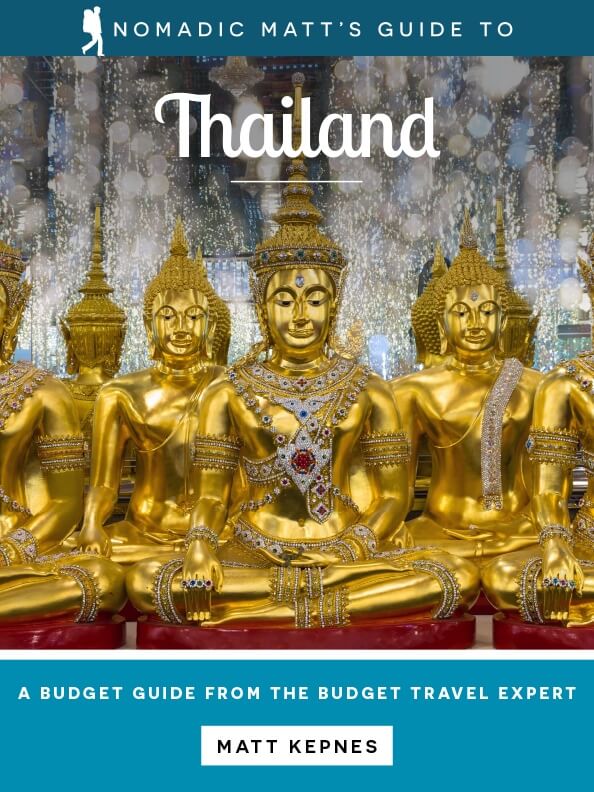
Sometimes, the most profound way to show our love for a place is to leave it alone. In the case of Ko Lipe, the time for that kind of love has arrived. We should seek out the alternatives, support communities that are managing their growth with integrity, and acknowledge that some ghosts—the ones of our own personal paradises—are best left where they belong: in the past.
For those who still wish to explore Thailand, do so with a critical eye. Use your resources to support the islands that are working to stay green, stay small, and stay sustainable. Because if we don’t start saying "enough is enough," there will soon be no "off-the-beaten-path" left to discover.