The Ultimate Meal Prep Hack: Mastering Chipotle-Style Fajita Vegetables at Home
In the fast-paced world of modern nutrition, the quest for convenience often comes at the expense of health or flavor. For many, the "Chipotle-style" burrito bowl represents the gold standard of quick, satisfying, and balanced meals. However, relying on takeout daily can quickly inflate one’s grocery budget and introduce hidden sodium or calorie traps. Enter the home-prepped fajita vegetable—a cornerstone of efficient meal planning that bridges the gap between culinary satisfaction and long-term health goals.
By mastering the art of batch-prepping these vegetables, home cooks can transform their freezer into a personal "Snack City," ensuring that a nutrient-dense, flavorful foundation for a burrito bowl is never more than a few minutes away.
Main Facts: The Anatomy of a Perfect Fajita Mix
At its core, the Chipotle-style fajita vegetable recipe is deceptively simple. It relies on the marriage of bell peppers and onions, cooked down until they achieve that characteristic tender-crisp texture and caramelized sweetness.
The beauty of this preparation lies in its versatility and nutritional profile. Each serving—of which this recipe yields ten—contains a mere 59 calories. This allows home cooks to maintain strict control over their caloric intake while enjoying a high-volume side dish that adds essential fiber and micronutrients to any meal. With a macronutrient breakdown of approximately 6.5g of carbohydrates, 1g of protein, and 3.2g of fat per serving, these vegetables are an ideal addition to a balanced diet, regardless of whether you are following a vegan, vegetarian, or gluten-free lifestyle.
Chronology: From Prep to Freezer in 20 Minutes
Efficiency is the primary driver of this recipe. The entire process, from raw produce to freezer-ready storage, is designed to be completed in just 20 minutes.
1. The Preparation Phase (5 Minutes)
The process begins with selecting high-quality produce. Uniform slicing is the secret to even cooking; ensuring your peppers and onions are cut into consistent strips allows them to soften at the same rate. Once sliced, the vegetables are tossed with high-heat-tolerant oil and a blend of classic fajita seasonings.
2. The Cooking Phase (15 Minutes)
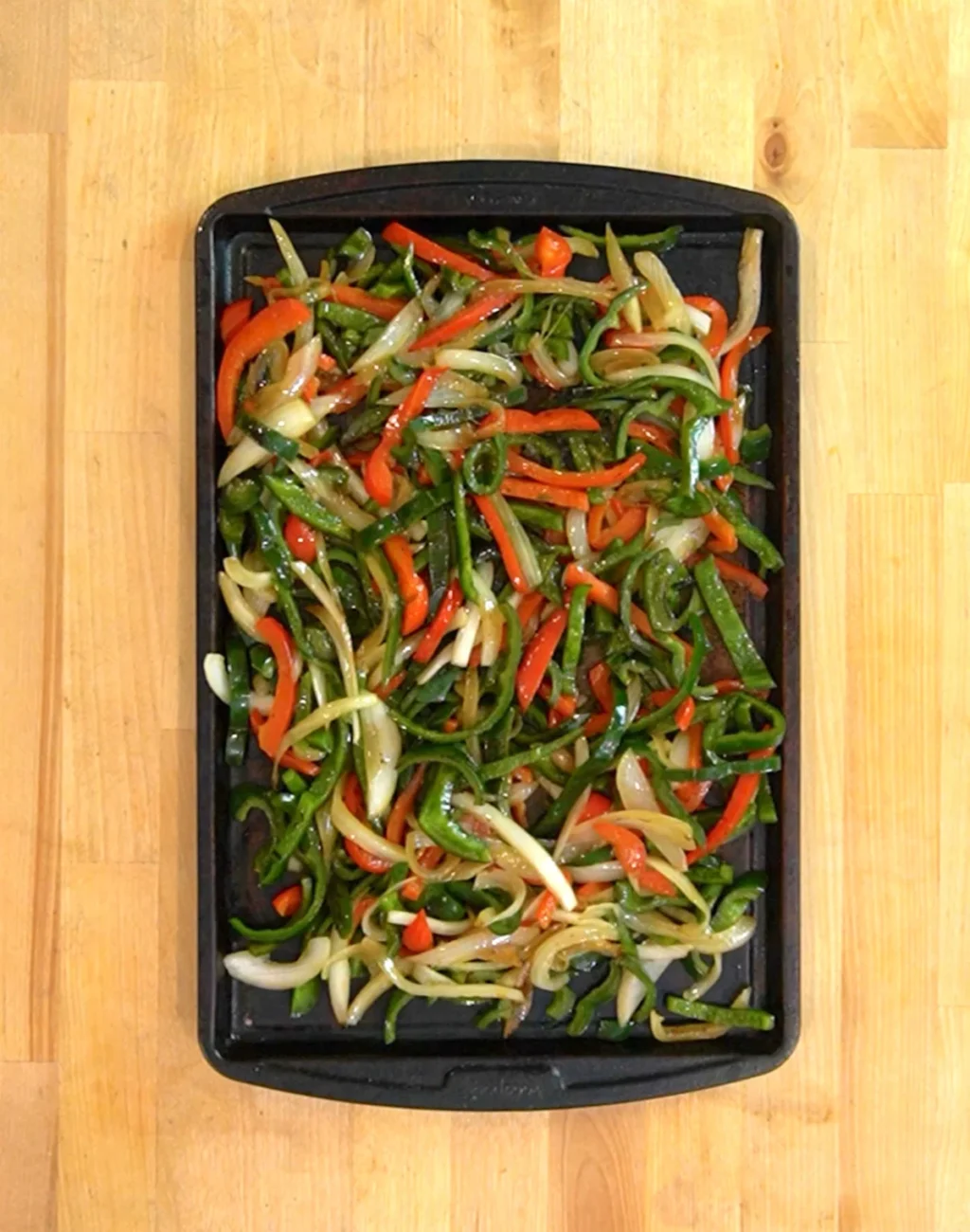
Whether using a large cast-iron skillet or a professional-grade roasting tray, the goal is to apply sufficient heat to facilitate caramelization without turning the vegetables into mush. For those batch-prepping, spreading the vegetables across a wide sheet pan in a single layer is highly recommended. This prevents the vegetables from steaming in their own juices, allowing the edges to brown and develop a deep, savory flavor profile reminiscent of restaurant-style fajitas.
3. The Cooling and Storage Phase
Once the vegetables reach the desired tenderness, they must be allowed to cool completely before being portioned. Transferring steaming vegetables directly into airtight containers or freezer-safe bags can introduce excess moisture, which leads to ice crystals and poor texture upon reheating. Once cooled, they are ready to be stored in the freezer, effectively "locking in" the freshness for future use.
Supporting Data: Understanding the Nutritional Value
For the data-driven meal prepper, understanding the numbers is essential for long-term consistency. The recipe provides a reliable baseline for those tracking their intake.
- Calories: 59 kcal
- Carbohydrates: 6.5g
- Protein: 1g
- Fat: 3.2g
- Fiber: 1.9g
It is important to note that these values represent the base recipe. Should a home cook choose to adjust the servings—for instance, creating larger portions for a heartier bowl—they should recalculate based on the total mass of the ingredients. The inclusion of 1.9g of fiber per serving is particularly noteworthy, as it contributes to satiety, making these vegetables an excellent tool for those attempting to manage hunger levels while maintaining a calorie deficit.
Official Guidance: Best Practices for Quality Control
While the recipe is straightforward, achieving "restaurant-quality" results requires attention to detail.
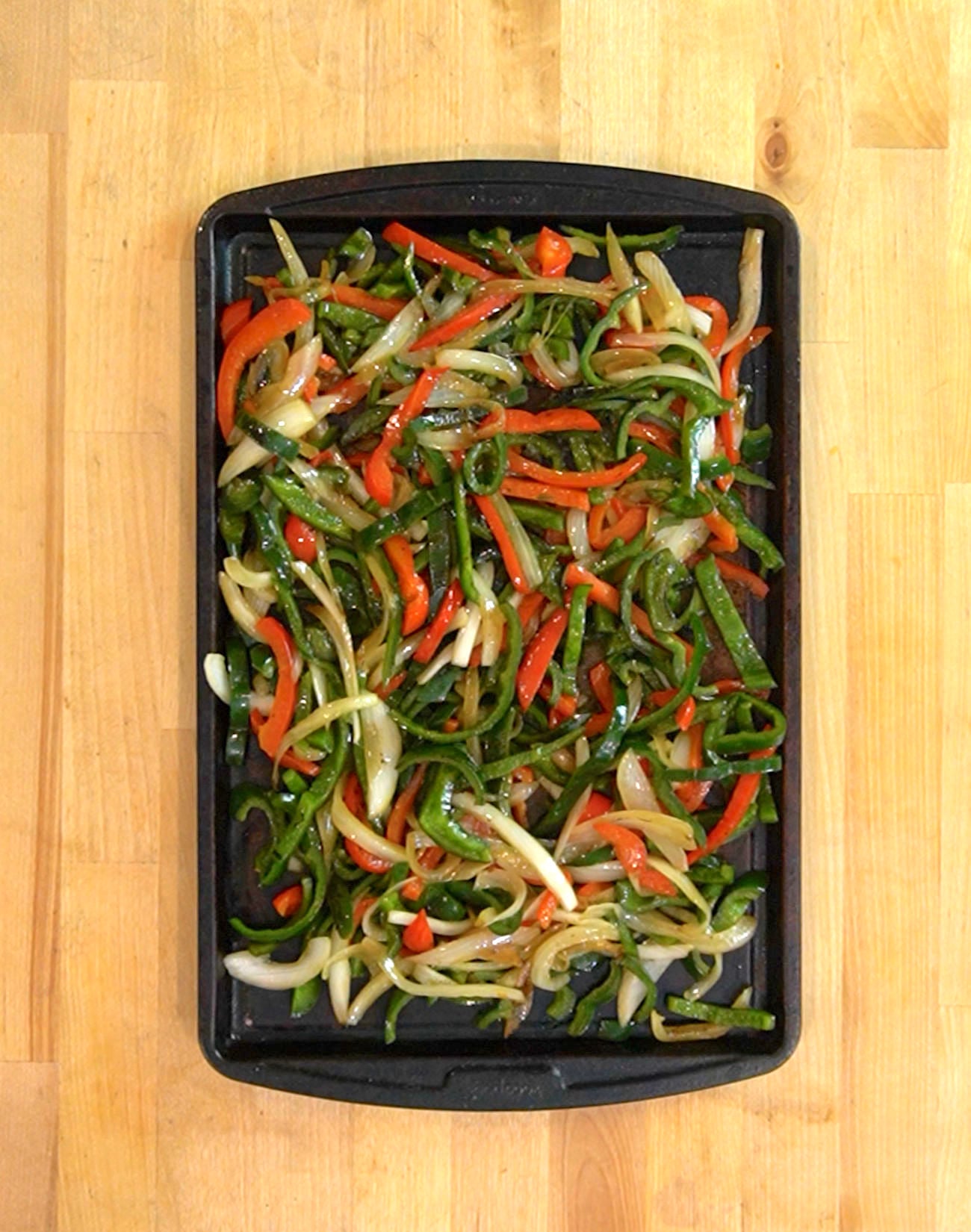
Avoid Overcrowding: If you are doubling or tripling the batch, do not crowd the pan. If the pan is overloaded, the vegetables will boil in their own moisture rather than roasting. If necessary, cook in two separate batches.
Seasoning Strategy: Do not be afraid of salt and aromatics. Because vegetables contain high water content, they can become bland if under-seasoned. Ensure that your spice rub is evenly distributed across the entire surface area of the produce.
Reheating Techniques: To get the best results when pulling these from the freezer, avoid microwaving them for extended periods. Instead, consider tossing the frozen vegetables directly into a hot pan for a few minutes or incorporating them into a bowl that will be heated in a way that allows the moisture to evaporate, maintaining the integrity of the vegetables.
Implications: The Impact on Meal Planning and Budgeting
The implications of adopting a "batch-prep" mentality extend far beyond the kitchen. When you have pre-cooked vegetables ready, the friction of decision-making is significantly reduced. This is the "Snack City" philosophy: by removing the barriers to healthy eating, you are statistically more likely to stick to your dietary goals.
Financial Efficiency
Purchasing bell peppers and onions in bulk during peak seasons is significantly cheaper than buying individual servings or paying for them as add-ons in restaurant bowls. By investing 20 minutes on a Sunday, a cook can save hundreds of dollars annually, effectively paying for the initial investment of storage containers and high-quality ingredients within a few weeks.
Sustainability and Waste Reduction
One of the most common issues in home cooking is the "half-used vegetable" problem—a half-onion left in the fridge to wilt or a pepper that goes soft before it can be used. Batch-prepping these vegetables turns those soon-to-expire items into a shelf-stable meal, significantly reducing household food waste.
The Role of Meal Prep in Long-Term Health
The modern diet is often plagued by "hidden" ingredients found in restaurant fare, such as excessive seed oils, added sugars, and high sodium levels used for flavor enhancement. By preparing your own fajita mix, you maintain complete agency over the oil type, the salt content, and the quality of the produce. This transition from passive consumer to active chef is the most significant step one can take toward sustainable, long-term health.
Conclusion: A Staple for the Modern Kitchen
The Chipotle-style fajita vegetable recipe is more than just a list of ingredients; it is a strategic tool for the modern, busy professional. By leveraging the principles of efficient prep, proper storage, and nutritional awareness, anyone can elevate their daily diet.
Whether you are a seasoned meal-prepper or a beginner looking to simplify your routine, these vegetables offer a perfect balance of flavor, ease, and health. They serve as a reminder that healthy eating does not have to be a labor-intensive chore. With the right approach, the best meal of the day is always waiting in your freezer, ready to be transformed into a masterpiece with just a few minutes of heat.
As you incorporate this into your weekly rhythm, remember that the most successful meal prep plans are the ones that are sustainable, enjoyable, and flexible enough to adapt to your changing needs. Start your "Snack City" collection today, and discover how much easier your nutritional journey becomes when you have the right building blocks already in place.