The Art of the Seasonal Supper: Why Butternut Squash Pasta is the Ultimate Family Comfort Food
In the ever-evolving landscape of modern family nutrition, the search for a meal that balances culinary sophistication with the uncompromising demands of a toddler’s palate is a perennial challenge. As the seasons shift and cooler weather sets in, home cooks are increasingly turning to root vegetables to anchor their weeknight menus. Among these, the roasted butternut squash has emerged as a powerhouse ingredient, capable of transforming a simple bowl of pasta into a nutrient-dense, comforting masterpiece.
This article explores the rising popularity of vegetable-based pasta sauces, specifically focusing on the roasted butternut squash iteration. By examining its nutritional profile, the methodology behind its preparation, and its role in modern meal-prepping, we uncover why this dish has become a staple for health-conscious families and selective eaters alike.
Main Facts: The Anatomy of a Perfect Squash Sauce
At its core, the appeal of Pasta with Butternut Squash Sauce lies in its simplicity and its ability to hide—or rather, highlight—three distinct vegetables in a single, creamy emulsion. Unlike traditional heavy cream sauces that rely on saturated fats for mouthfeel, this plant-forward alternative derives its luxurious texture from the natural starches and fiber found in roasted squash, onions, and garlic.
The Nutritional Value
Butternut squash is a nutritional powerhouse, particularly lauded for its high Vitamin A content. A single serving of this dish provides a significant portion of the daily recommended intake for beta-carotene, which is essential for eye health and immune function. Furthermore, the inclusion of onions and garlic provides not only a deep, savory complexity but also prebiotic benefits that support gut health. When paired with high-quality pasta, the dish offers a balanced profile of complex carbohydrates, plant-based proteins, and essential micronutrients.
Accessibility and Ease
One of the primary barriers to home cooking is the perception that "healthy" equates to "labor-intensive." This recipe shatters that myth. By utilizing either fresh or pre-cut butternut squash—a common convenience item in modern grocery stores—the prep time is drastically reduced. The roasting process is largely passive, requiring little more than a toss in olive oil and salt, allowing the oven to do the heavy lifting.
Chronology: From Farm to Blender
Understanding the lifecycle of this dish provides insight into why it has become such a favored "make-ahead" meal for busy parents.
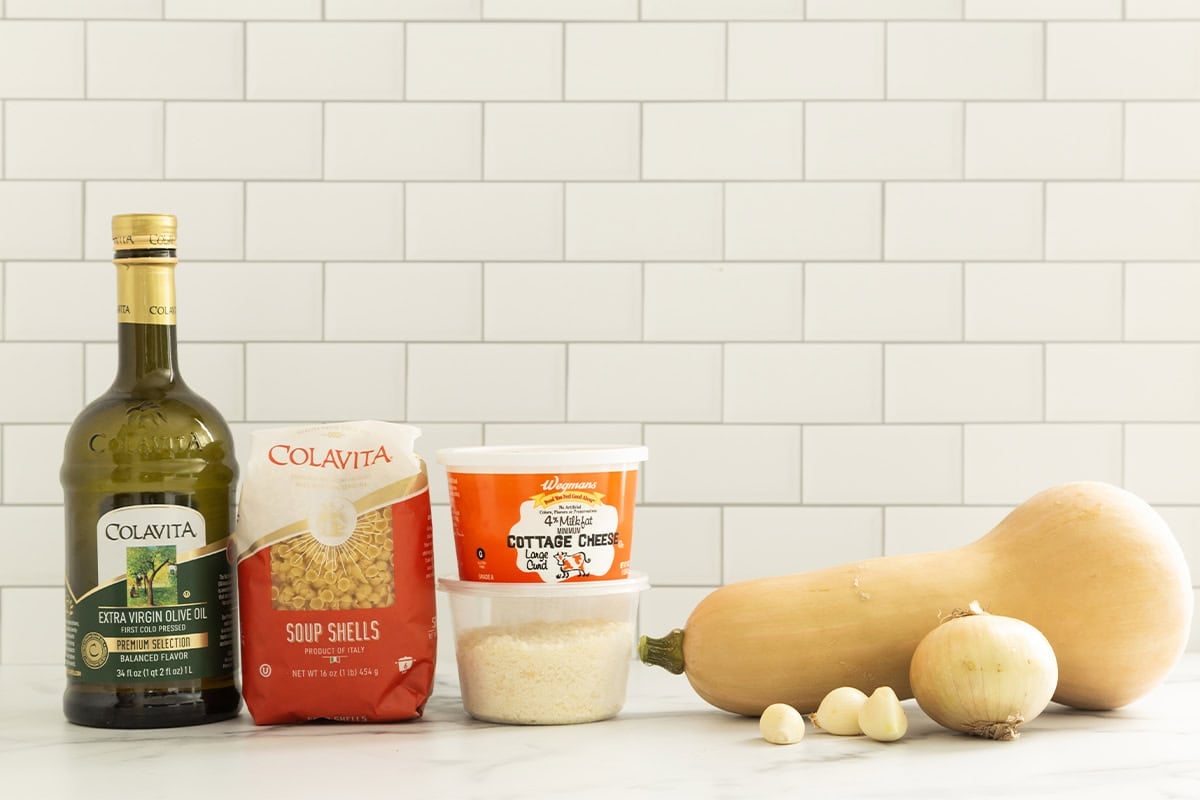
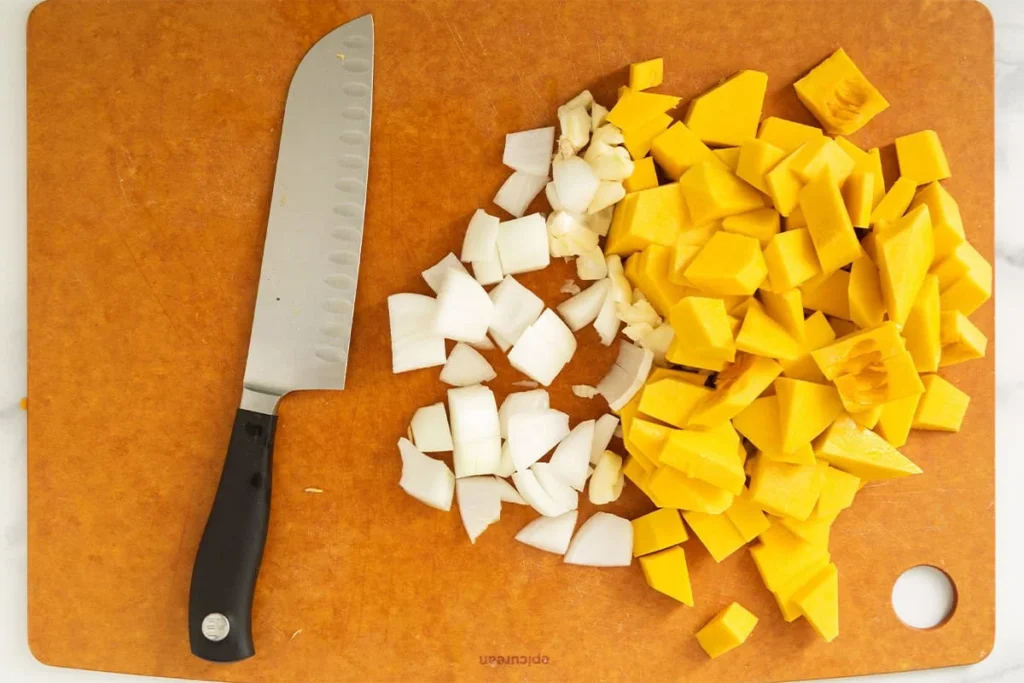
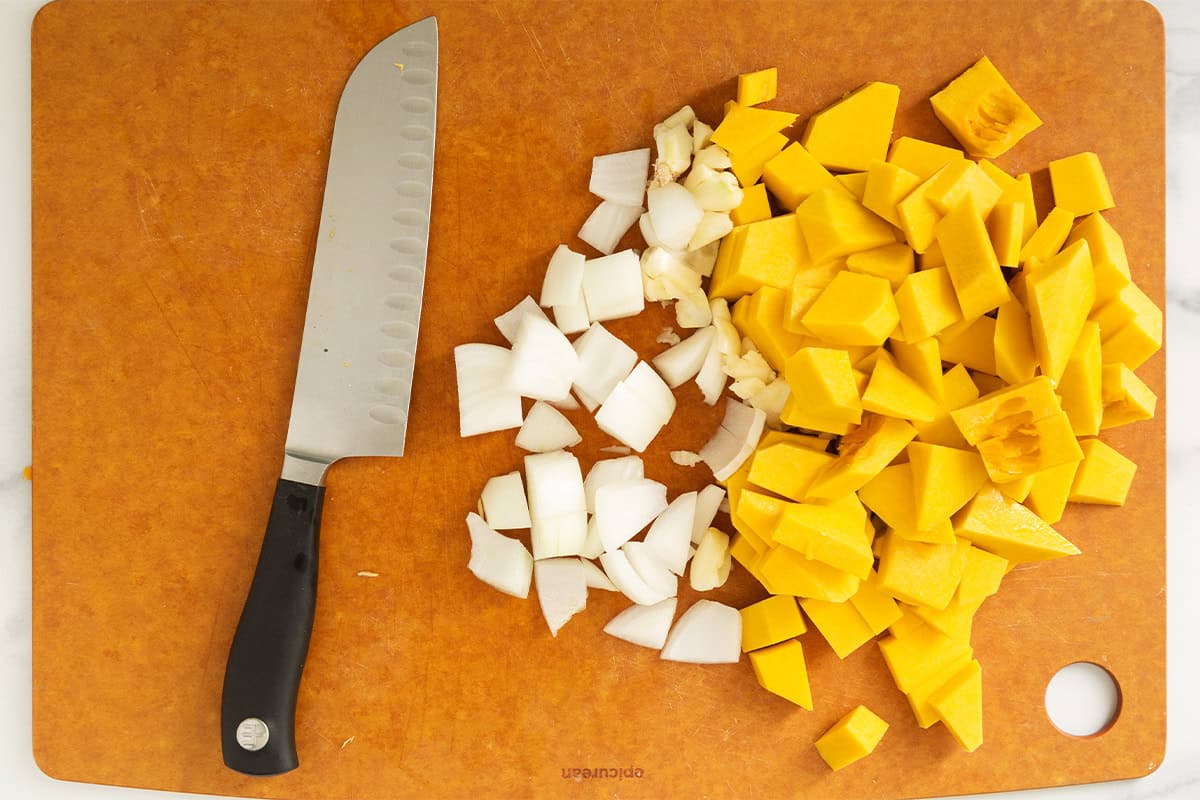
- Preparation (10–15 Minutes): The process begins with rough-chopping the squash, onions, and garlic. The uniformity of the cuts is less important here than in a stir-fry, as the final product will be blended.
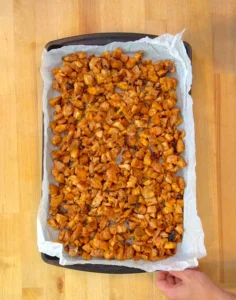
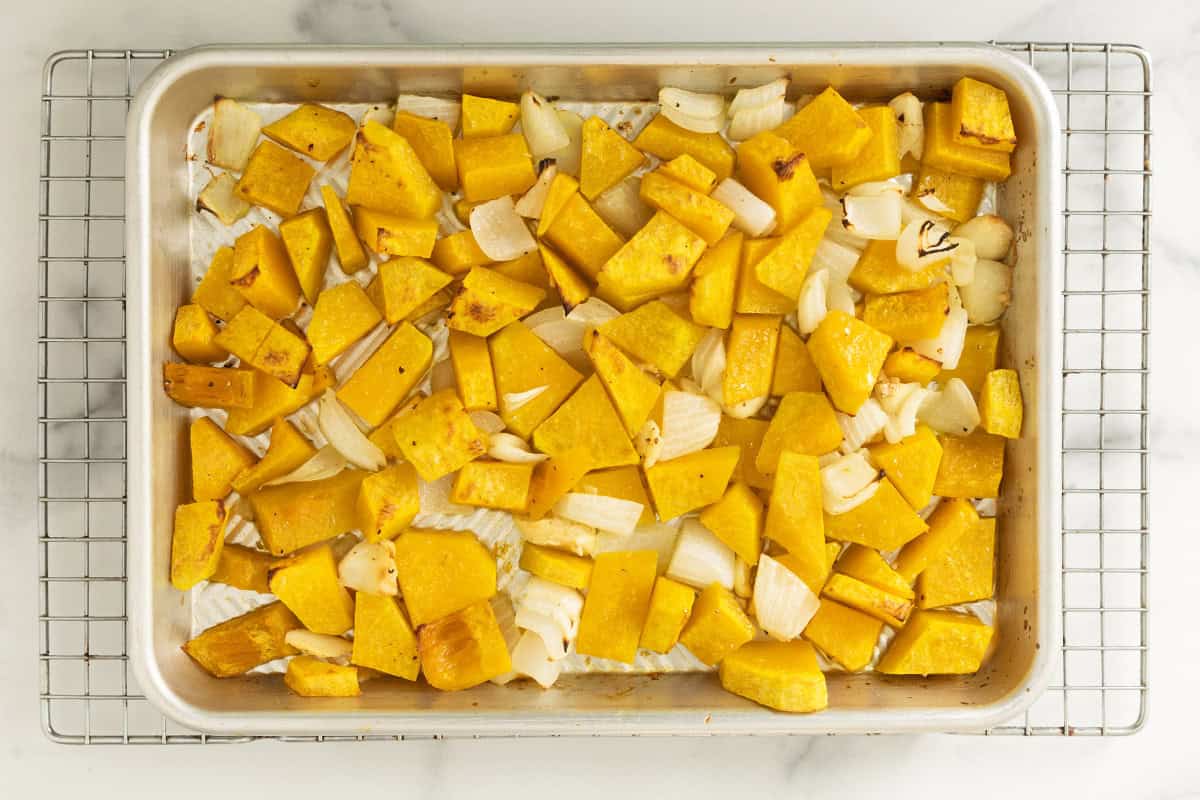
- The Roasting Phase (30–40 Minutes): Spread across a sheet pan, the vegetables are roasted at a high temperature until tender. This stage is critical; the heat caramelizes the natural sugars in the squash and onions, creating a sweetness that balances the savory bite of the garlic.
- The Emulsification (5 Minutes): Once roasted, the vegetables are transferred to a high-speed blender. Here, the magic happens. By adding vegetable broth or a dairy-free alternative, the cook can adjust the consistency from a thick purée to a velvety, pourable sauce.
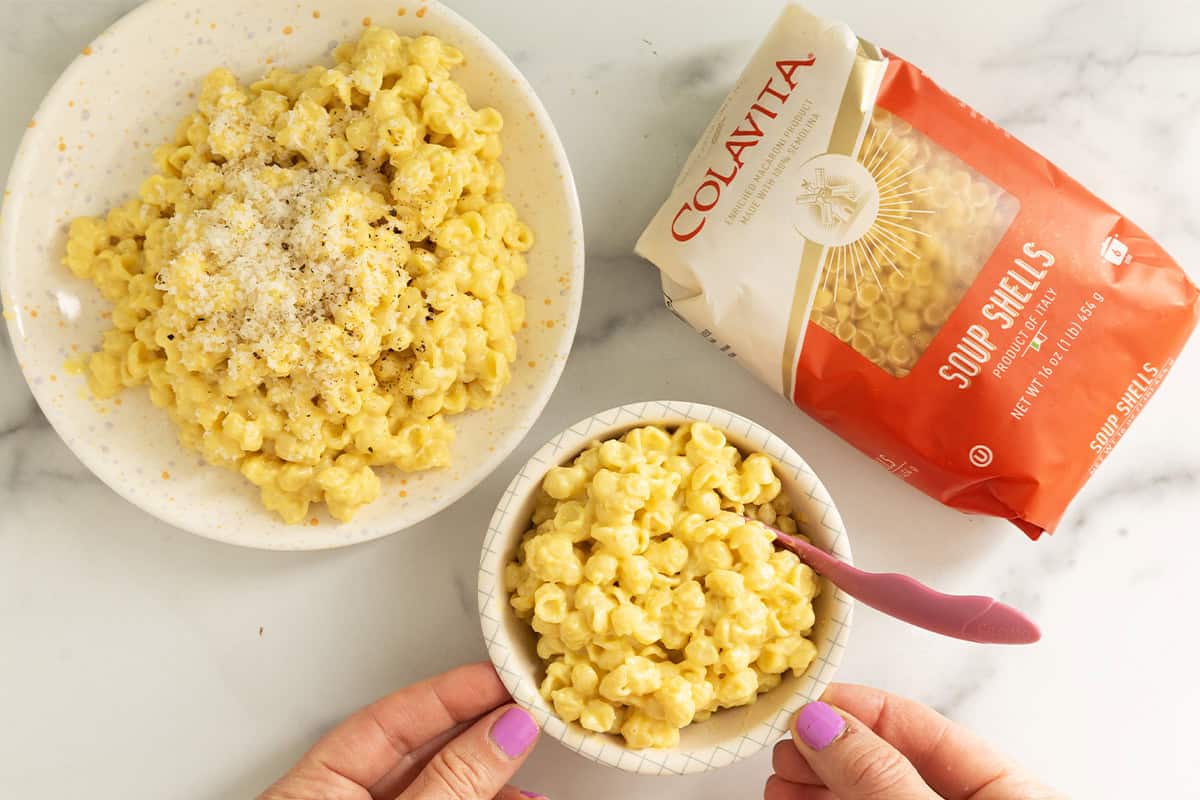
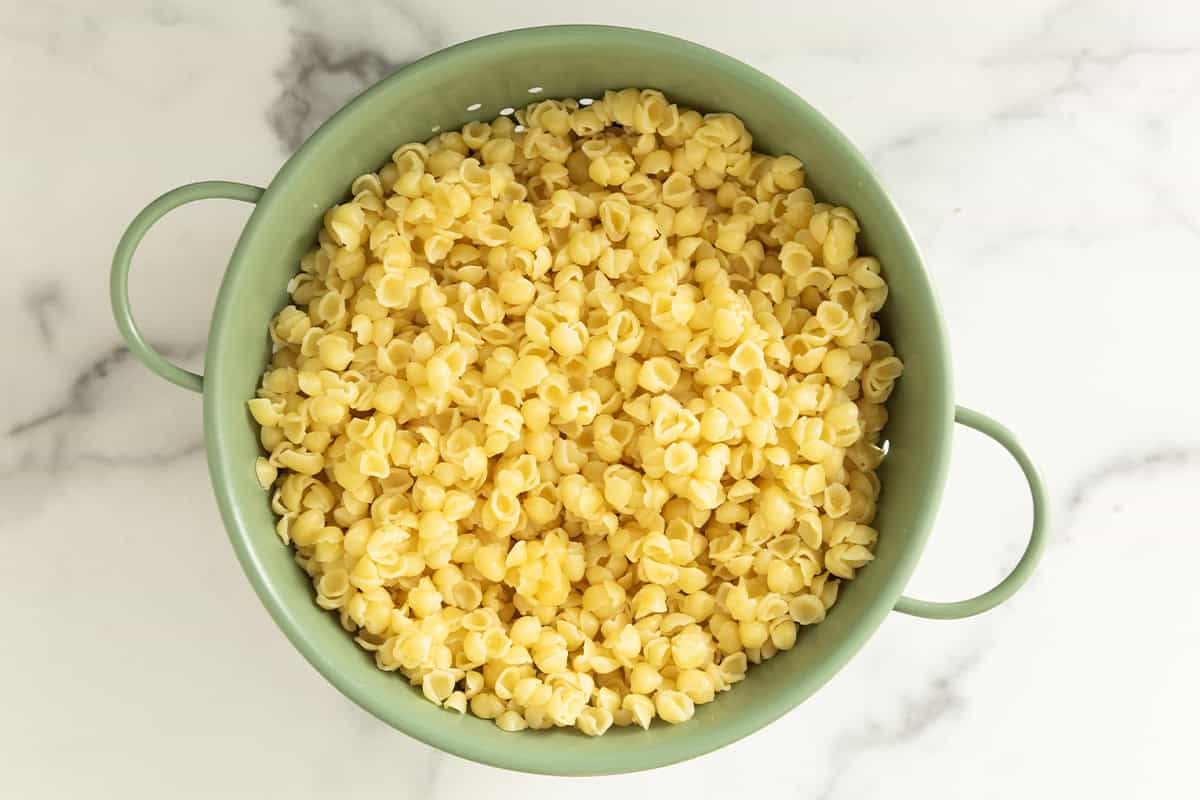
- Integration: The final step involves tossing the sauce with freshly boiled pasta. Because the sauce is stable, it can be kept in the refrigerator for up to five days or frozen for up to a year, making it a reliable solution for mid-week dinner crises.
Supporting Data: Why "Hidden" Veggies Matter
Nutritionists have long advocated for the "veggie-forward" approach to family dining. According to recent food science research, children are more likely to accept vegetable-based dishes when the texture is smooth and the flavor profile is familiar. The butternut squash sauce is the "Goldilocks" of comfort food: it is orange (a color often associated with sweetness in the minds of children), creamy (a universally accepted texture), and mellow.
The data supports the efficacy of this preparation method:
- Fiber Content: By blending the entire roasted vegetable, the cook retains all the fiber that is often lost in juicing or straining processes.
- Low-Saturated Fat: Unlike Alfredo or cheese-based sauces, this sauce relies on olive oil, providing heart-healthy monounsaturated fats.
- Versatility: The ability to add herbs like thyme or sage allows parents to "grow" the recipe alongside the child’s palate, introducing more complex, savory notes as they age.
Official Perspectives: The Role of Quality Ingredients
In the culinary world, the difference between a mediocre sauce and an exceptional one often comes down to the quality of the pantry staples used. Industry experts, such as those at Colavita, emphasize that when a recipe has so few ingredients, each one must be of high caliber.
"The foundation of Italian-inspired home cooking is rooted in the quality of the olive oil and the pasta," notes a spokesperson for the brand. "When you use a high-quality extra virgin olive oil to roast your squash, you aren’t just cooking the vegetable; you are infusing it with a peppery, bright flavor that carries through the entire sauce."
This collaboration between home chefs and quality-driven manufacturers highlights a growing trend: the democratization of gourmet flavors. By utilizing store-bought, high-quality staples, the home cook can achieve a restaurant-quality result in less than an hour.
Implications for Modern Family Dining
The implications of adopting such recipes are far-reaching, impacting everything from food waste to family stress levels.
Reducing Food Waste
Butternut squash is notoriously sturdy, with a long shelf life. For families who find themselves throwing away half-used produce, this recipe is a solution. Any excess sauce can be frozen in ice cube trays and popped out as needed, effectively creating "instant" nutritious meals for weeks to come.
The "Selective Eater" Paradox
Selective eating is often a stage of development characterized by a fear of new textures or strong, bitter flavors. Because butternut squash is inherently mild, it acts as a "gateway" vegetable. It allows parents to fulfill their nutritional goals without the typical dinner-table negotiations that often accompany steamed broccoli or bitter greens.
Culinary Creativity
While the base recipe is consistent, the implications for creativity are endless. A dash of nutmeg can turn the sauce into a festive autumn dish. A squeeze of lemon juice can brighten the flavor for a spring version. The addition of toasted pine nuts or a sprinkle of parmesan can add necessary texture, proving that "kid-friendly" does not have to be "boring."
Conclusion: A Sustained Approach to Wellness
In conclusion, the Pasta with Butternut Squash Sauce is more than just a seasonal trend; it is a sustainable, practical, and nutritionally sound strategy for the modern household. By prioritizing whole-food ingredients and leveraging simple techniques like roasting and blending, parents can ensure that their families receive the vitamins they need without sacrificing the comfort and joy of a shared meal.
As we look toward the future of home cooking, the emphasis will continue to shift toward dishes that offer maximum impact with minimum friction. Whether you are a busy professional managing a hectic schedule or a parent navigating the complexities of a toddler’s preferences, this recipe stands as a testament to the fact that the best food is often the simplest. By making this sauce a regular part of your rotation, you are not just feeding your family—you are building a foundation of healthy, enjoyable eating habits that will last a lifetime.
If you decide to try this, remember that the "best" version of this dish is the one that works for your specific kitchen. Whether you add extra sage, swap the pasta for a chickpea-based alternative for added protein, or experiment with different roasting temperatures, the process is one of discovery. Happy cooking, and may your dinner table always be filled with warmth and good flavor.