The Rise of Efficient Nutrition: Mastering the 35-Minute Crispy Chili Beef Noodle Meal Prep
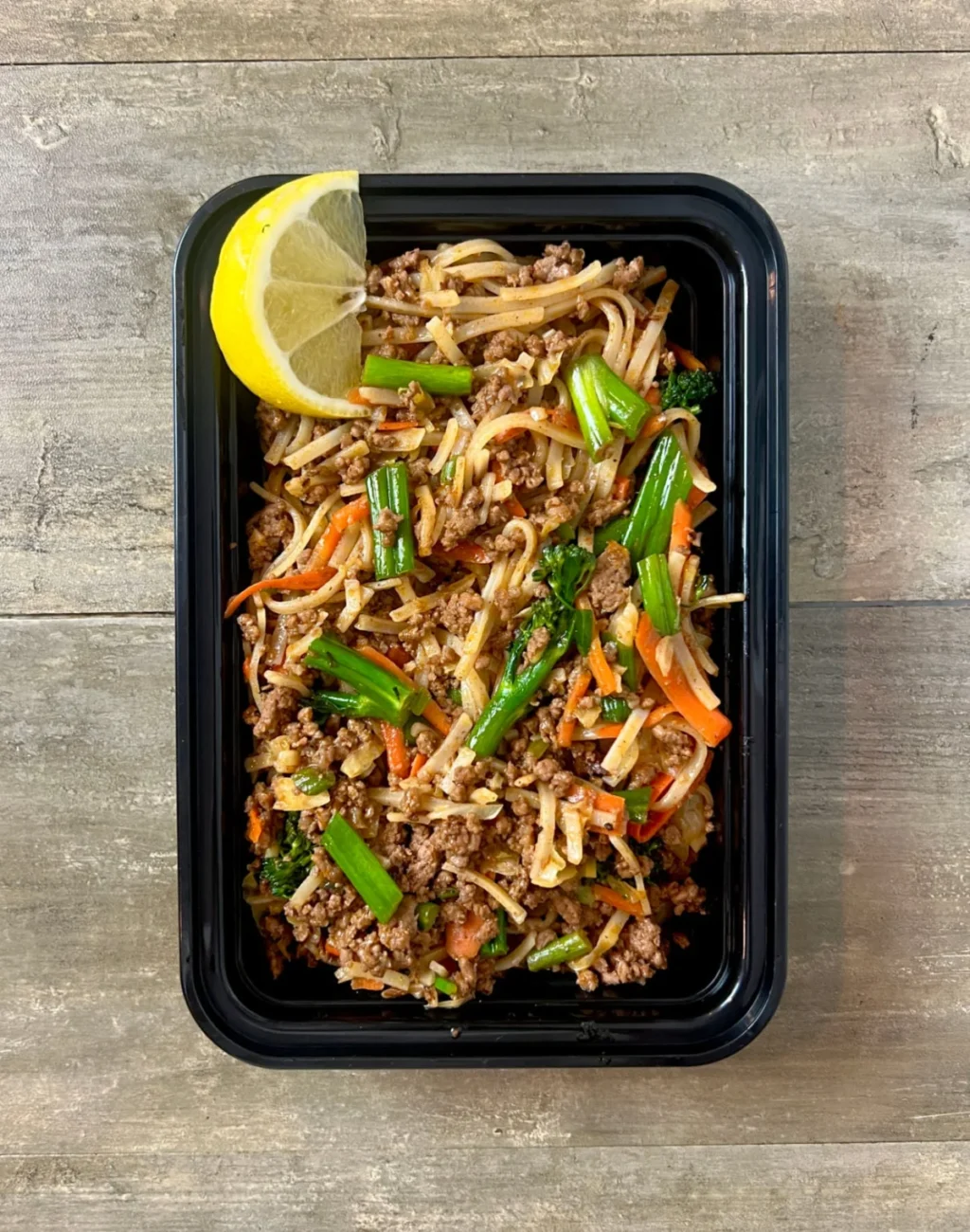
In the modern landscape of culinary habits, the intersection of efficiency and flavor has become the holy grail for the busy professional. As time becomes an increasingly scarce commodity, the "meal prep" movement has evolved from a niche hobby into a mainstream lifestyle strategy. Leading this charge is the latest viral sensation in the home-cooking sphere: the Crispy Chili Beef Noodles. Combining the rich, savory depth of Korean-inspired gochujang with the satisfying texture of caramelized beef and fresh vegetables, this dish has set a new benchmark for what can be achieved in a standard 35-minute kitchen session.
Main Facts: The Anatomy of a High-Performance Meal
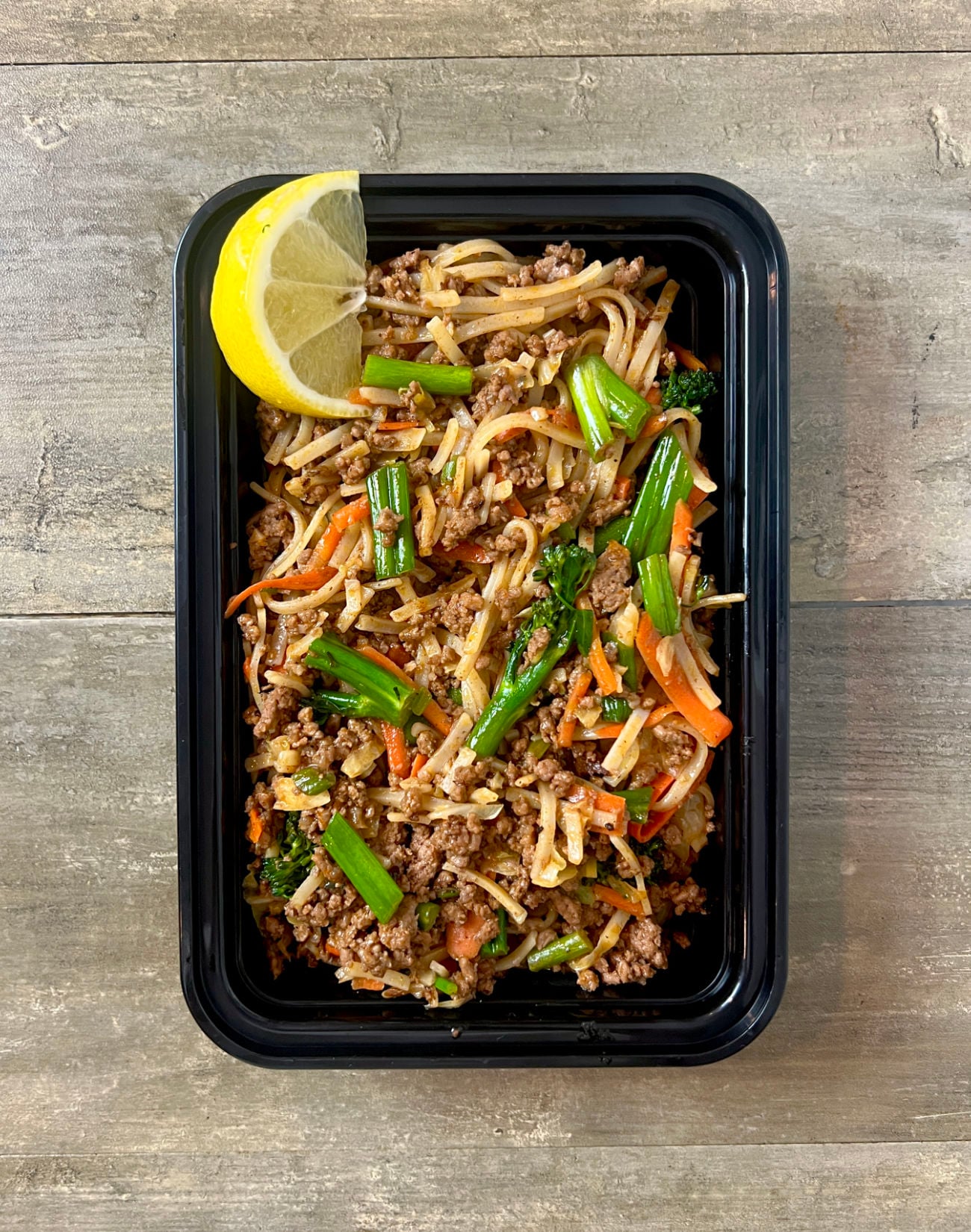
The Crispy Chili Beef Noodles dish is fundamentally designed for the health-conscious individual who refuses to sacrifice palate satisfaction for nutritional density. At its core, the recipe relies on a high-protein base of ground beef, which, when cooked to a crisp, provides a robust textural contrast to the soft, slurpy nature of the noodles.
The inclusion of a vegetable medley ensures that the meal is not merely a caloric intake event but a balanced delivery of micronutrients. However, the true "secret sauce"—quite literally—is the gochujang-based glaze. Gochujang, a savory, sweet, and spicy fermented Korean chili paste, elevates the dish from standard weeknight fare to a restaurant-quality experience.
Key Nutritional Profile (Per Serving):
- Calories: 617 kcal
- Protein: 47g
- Carbohydrates: 55g
- Fat: 23g
- Fiber: 5.3g
By batch-prepping this meal, a cook can effectively secure five days of lunches or dinners, ensuring that nutritional targets—specifically the high protein content—are consistently met throughout a demanding work week.
Chronology: The 35-Minute Workflow
The appeal of this recipe lies in its disciplined structure. Success in the kitchen, much like in project management, relies on the efficient sequencing of tasks. The 35-minute total time is broken down into a 10-minute preparation phase and a 25-minute active cooking window.
Phase 1: Preparation (0–10 Minutes)
During the initial 10-minute block, the focus is entirely on "mise en place." Vegetables are washed and sliced into uniform strips to ensure even cooking. The sauce ingredients are whisked together in a small bowl, allowing the gochujang to fully incorporate with the liquid elements, creating a homogeneous flavor profile before it ever hits the pan.
Phase 2: The Sizzle (10–25 Minutes)
The cooking process begins with the beef. To achieve the signature "crispy" texture, the ground beef must be added to a hot pan and left undisturbed for the first few minutes to facilitate the Maillard reaction—the browning process that creates deep, savory flavors. Once the beef has developed a crust, it is moved aside to make space for the vegetables. This layering technique prevents overcrowding, ensuring that the vegetables retain a crisp bite rather than steaming into a mushy consistency.
Phase 3: Integration (25–35 Minutes)
In the final ten minutes, the noodles are incorporated, followed immediately by the sauce. The heat is adjusted to high to allow the gochujang mixture to glaze the noodles and beef rapidly. This prevents the noodles from becoming waterlogged and ensures the sauce clings to every surface, maximizing the flavor impact per bite.
Supporting Data: Why This Recipe Works
When analyzing the success of the Crispy Chili Beef Noodles, nutritional scientists point to the "Satiety Index." High-protein meals, particularly those providing 47 grams of protein per serving, have been shown to increase the secretion of satiety hormones such as GLP-1 and PYY.
Furthermore, the integration of complex carbohydrates (the noodles) with fiber-rich vegetables (the medley) provides a sustained release of energy. Unlike high-glycemic meals that cause a sharp insulin spike and subsequent "crash," this specific composition promotes stable blood glucose levels. For the office professional, this translates to better cognitive function and sustained focus during the afternoon slump.
The versatility of the recipe is another major data point for its popularity. By allowing for a total of 617 calories, it fits comfortably into a variety of "cutting" or "maintenance" dietary protocols. For those looking to adjust, the flexibility of the recipe allows for the scaling of ingredients without compromising the structural integrity of the final dish.
Official Responses and Culinary Reception
While the recipe originated from a digital-first creator, it has garnered significant attention from the meal-prep community, resulting in a flurry of feedback and modifications. In the eight documented comments surrounding the recipe’s release, common themes include the ease of ingredient sourcing and the versatility of the gochujang sauce.
Nutritionists who have reviewed the profile of the meal note that while it is high in sodium due to the gochujang, the inclusion of fresh vegetables helps to balance the mineral intake. "The key to this recipe is the control over the cooking fat," says one nutrition consultant. "Because you are using ground beef, you have the option to drain excess rendered fat, which allows the home cook to dial in their specific caloric needs far more accurately than they could with store-bought frozen meals."
Implications: The Future of Home Dining
The implications of adopting a 35-minute prep cycle for high-quality, high-protein meals are profound. As the "food as fuel" philosophy gains traction, the ability to produce a week’s worth of high-quality meals in under an hour shifts the balance of power back to the individual.
Economic Impact
The cost-per-serving of this recipe is significantly lower than that of ordering out or purchasing pre-packaged meal delivery services. By purchasing ingredients in bulk—specifically the ground beef and noodles—the cook can reduce the cost of a high-protein meal by approximately 60% compared to typical fast-casual restaurant prices.
Behavioral Health
Beyond the financial and nutritional benefits, there is the psychological benefit of "agency." In an era where digital fatigue is high, the act of preparing one’s own food provides a grounding, tactile experience. The ritual of chopping, stirring, and plating creates a transitionary period between the stressors of the workday and the restorative nature of dinner.
Sustainability
Finally, the meal prep movement is inherently more sustainable. By cooking in larger batches, consumers reduce their reliance on single-use plastic containers and individual food packaging that plague the modern takeout industry. When stored in reusable glass meal-prep containers, this dish becomes a blueprint for a lower-waste lifestyle.
Conclusion: A Blueprint for Success
The Crispy Chili Beef Noodles represent more than just a recipe; they are a manifestation of modern efficiency. By leveraging the bold, umami-rich flavors of Korean cuisine and marrying them with a streamlined 35-minute workflow, the creator has provided a tool that addresses the most common obstacles to healthy eating: time, flavor, and cost.
Whether you are a busy parent, an athlete tracking macros, or simply someone looking to streamline their kitchen routine, the principles demonstrated in this recipe are universal. By focusing on high-protein bases, fresh produce, and a singular, well-executed sauce, anyone can master the art of the meal prep. The 617-calorie, 47g-protein profile ensures that you are not just eating, but refueling—efficiently, affordably, and with a level of culinary satisfaction that turns a standard weekday meal into a moment of genuine enjoyment.