The One-Pot Revolution: Elevating the Standard for Efficient Meal Prep with "Taco Mac"
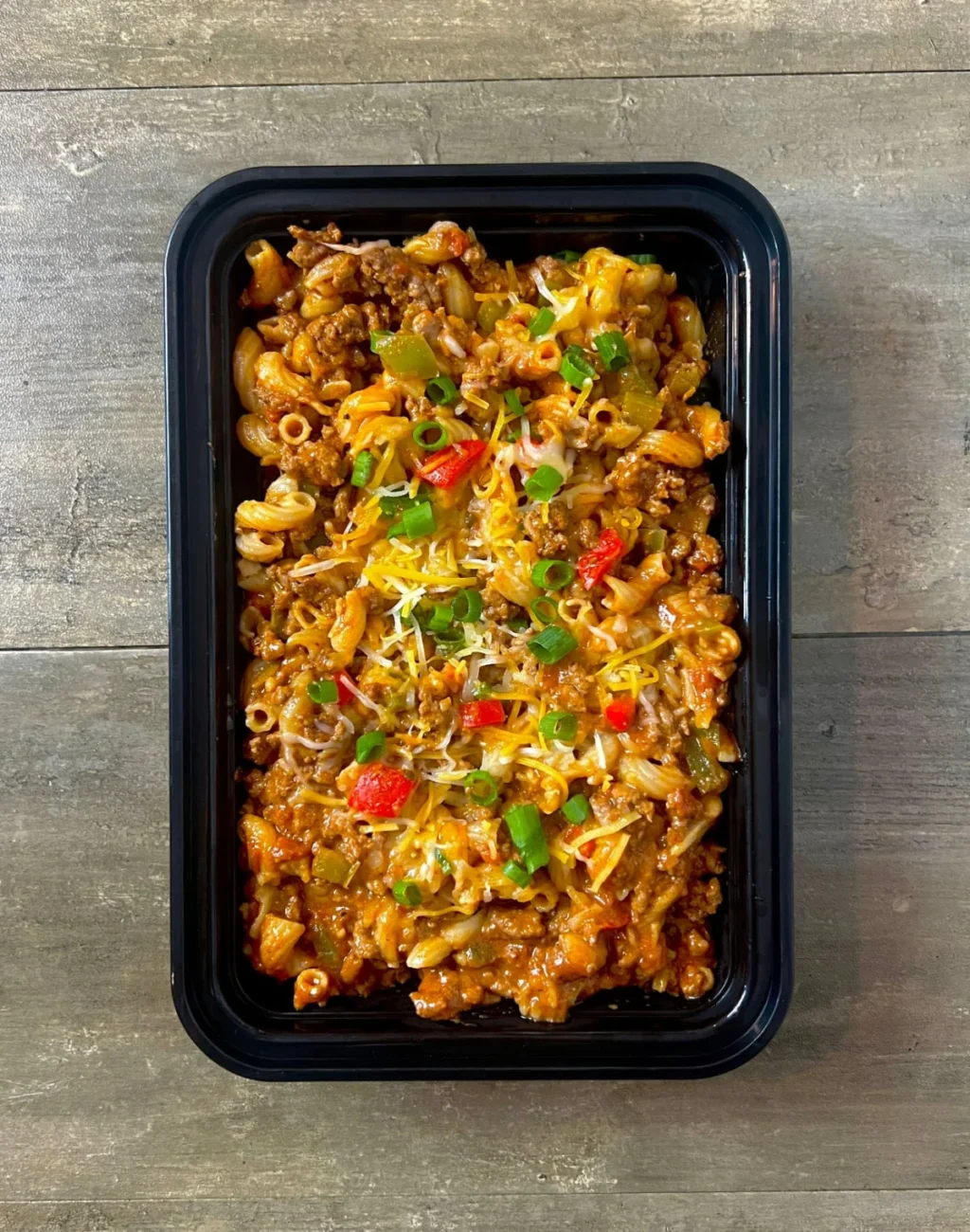
In the fast-paced landscape of modern nutrition, the challenge of maintaining a healthy, high-protein diet often collides with the reality of time constraints. As professionals, students, and busy parents seek to optimize their weekly routines, the concept of "meal prep" has evolved from a niche hobby into a culinary necessity. Standing at the forefront of this movement is the "Taco Mac"—a refined, one-pot solution that balances aggressive nutritional macros with the efficiency of modern kitchen technology.
Designed to be prepared in just over 30 minutes, this recipe serves as a blueprint for those looking to maximize output while minimizing the "kitchen footprint." By combining the nostalgic comfort of macaroni and cheese with the robust, savory profile of taco-seasoned lean beef, this dish proves that convenience does not have to come at the expense of dietary goals.
Main Facts: The Anatomy of a High-Efficiency Meal
At its core, the Taco Mac is a study in functional nutrition. Developed as a quintessential meal prep staple, the dish targets five distinct servings, making it ideal for a standard work week.
The Nutritional Profile per Serving:
- Total Calories: 674 kcal
- Protein: 54g
- Carbohydrates: 61g
- Fat: 24g
- Fiber: 7g
These figures represent a balanced approach to macronutrient partitioning. With 54 grams of protein, the dish supports muscle protein synthesis and satiety, while the 61 grams of carbohydrates provide the necessary energy for active lifestyles. The integration of fiber-rich vegetables and complex carbohydrates ensures that the energy release is sustained, avoiding the common "afternoon slump" associated with processed convenience foods.
The Chronology of the 35-Minute Preparation
The efficiency of the Taco Mac lies in its streamlined workflow. Unlike traditional pasta dishes that require multiple boiling vessels and sauté pans, this recipe utilizes a one-pot methodology, significantly reducing cleanup time and energy expenditure.
Phase 1: Preparation (Minutes 0–10)
The process begins with the mise-en-place. For the home cook, the first ten minutes are dedicated to prepping the lean beef and dicing the aromatic peppers. The goal here is uniformity; ensuring the vegetables are chopped to a size that allows them to soften at the same rate as the pasta. This phase is crucial for ensuring the structural integrity of the final dish.
Phase 2: The Sear and Simmer (Minutes 10–25)
Once the base is established, the beef is browned to develop the Maillard reaction, which provides the deep, savory foundation for the taco profile. The integration of spices follows, coating the protein before the liquids—typically a broth or tomato-based component—are added. The pasta is introduced directly into this flavorful bath, allowing the starch released during the cooking process to naturally thicken the sauce. This "one-pot" technique is the secret to the dish’s creamy consistency without the need for excessive fats or stabilizers.
Phase 3: Final Integration (Minutes 25–35)
In the final ten minutes, the cheese is folded into the mixture. The residual heat creates a cohesive, velvet-like sauce that binds the macaroni, beef, and peppers together. The result is a consistent, flavorful meal that retains its moisture and texture when portioned into containers for the days ahead.
Supporting Data: Why "One-Pot" Matters for Long-Term Adherence
The psychological barrier to meal prepping is often the perceived "mess" associated with cooking for an entire week. Research in behavioral nutrition suggests that the easier a healthy behavior is to perform, the higher the likelihood of sustained adherence. By minimizing the dishwashing requirements, the Taco Mac addresses the "friction" that often leads individuals to abandon their nutritional plans in favor of takeout.
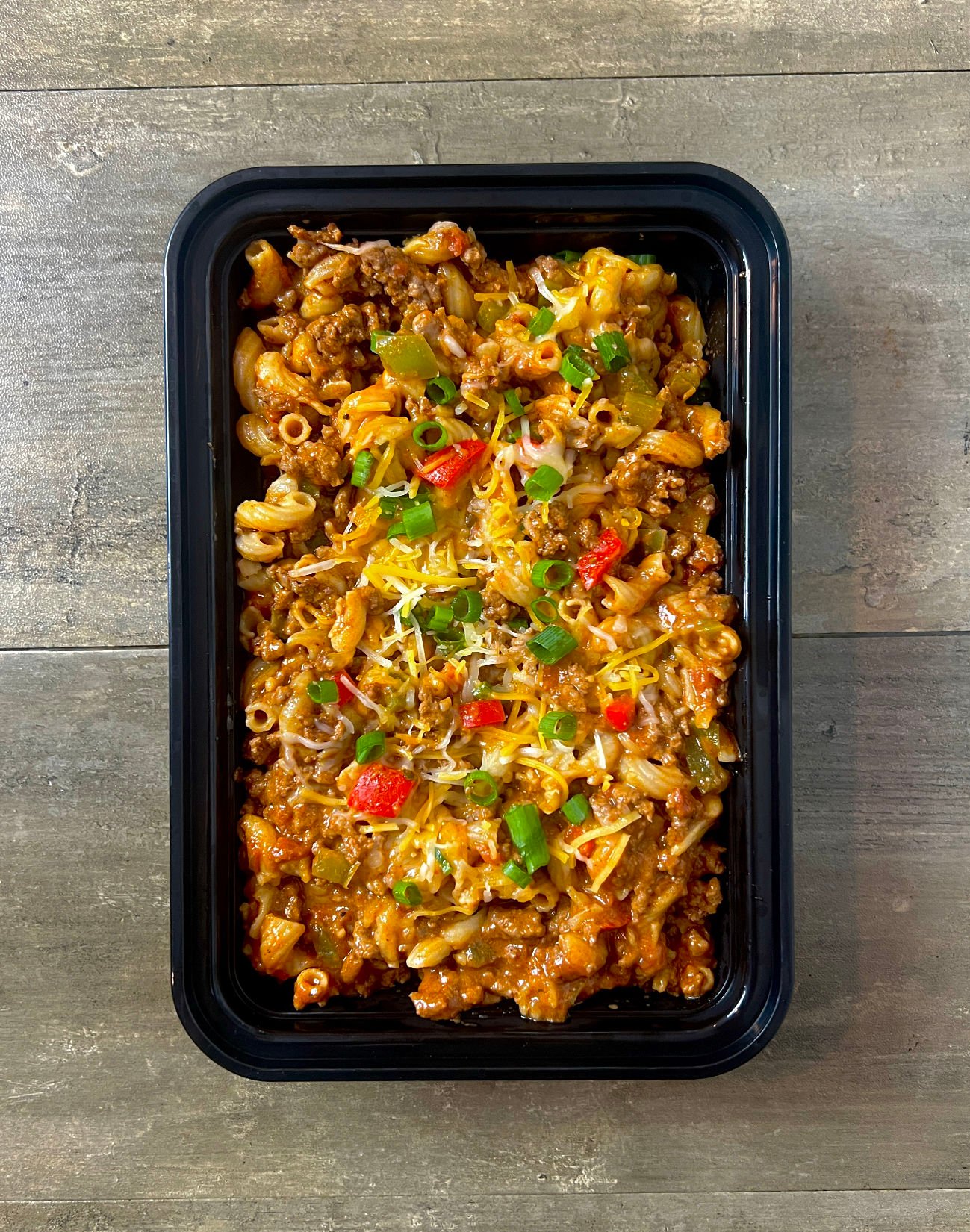
Furthermore, the caloric density of the dish is strategically calculated. At 674 calories, it serves as a robust lunch or dinner for an individual with an active lifestyle. For those on a more restrictive caloric budget, the recipe’s transparency allows for easy modification. As noted in the nutritional guidelines, scaling the servings is mathematically straightforward: by adjusting the serving size in the recipe’s backend, the user can immediately calculate the new caloric and macronutrient distribution, ensuring that the meal remains perfectly aligned with their specific fitness requirements.
Implications for Modern Meal Prepping
The rise of recipes like the Taco Mac represents a broader trend in home cooking: the "democratization of the chef." In previous decades, high-protein, balanced meal prep was often the domain of competitive bodybuilders or individuals with access to private chefs. Today, thanks to the accessibility of nutritional data and streamlined cooking techniques, the average person can achieve the same results in their own kitchen.
The Role of Technology
Modern meal prep is no longer just about the ingredients; it is about the tools. The inclusion of air fryers, high-quality non-stick cookware, and even precise weighing scales has transformed the home kitchen into a production line. The Taco Mac utilizes these advancements by relying on precise cook times and controlled temperatures.
The Sustainability Factor
By prepping in bulk, the consumer reduces food waste—a major environmental and economic concern. When you cook five servings at once, you are more likely to utilize the entirety of the produce purchased, such as the peppers and beef, rather than letting ingredients perish in the refrigerator. This "zero-waste" approach is a fundamental tenet of the modern, conscientious meal-prepper.
Addressing Common Criticisms: The "Gluten-Free" and "Lean" Debates
One of the most frequent questions regarding pasta-based meal prep is the impact of gluten and fat content. This recipe specifically calls for lean beef to keep the total fat content at a manageable 24 grams, preventing the dish from becoming overly greasy upon reheating. For those with sensitivities, the recipe is easily adapted to gluten-free pasta varieties, which have improved significantly in texture and heat tolerance over the last few years.
Critics of "Mac and Cheese" variations often point to the high caloric density of traditional dairy products. However, by balancing the cheese with a high volume of lean protein and peppers, the "Taco Mac" manages to maintain a protein-to-calorie ratio that is far superior to store-bought alternatives.
Conclusion: A Blueprint for Consistency
The Taco Mac is more than just a recipe; it is a tactical tool for the modern individual. It acknowledges that time is the most valuable commodity and that nutrition should not be a secondary consideration. By stripping away the complexity of traditional cooking and focusing on the core elements of flavor, protein, and efficiency, this dish offers a path to consistency.
As you look to optimize your own weekly routine, consider the "Taco Mac" not just as a meal, but as a system. It is a reminder that with thirty-five minutes of effort and a clear plan, you can command your nutrition, reduce your waste, and fuel your body for whatever the week demands. Whether you are a seasoned athlete or simply looking to bring more structure to your daily diet, this one-pot solution provides the balance, flavor, and reliability required to succeed in a demanding world.
For those who wish to replicate this success, the key lies in the preparation. Gather your ingredients, clear your counter, and dedicate the time to your health. Your future self—during a busy Tuesday lunch break—will undoubtedly thank you.